How to Fish After a Cold Front
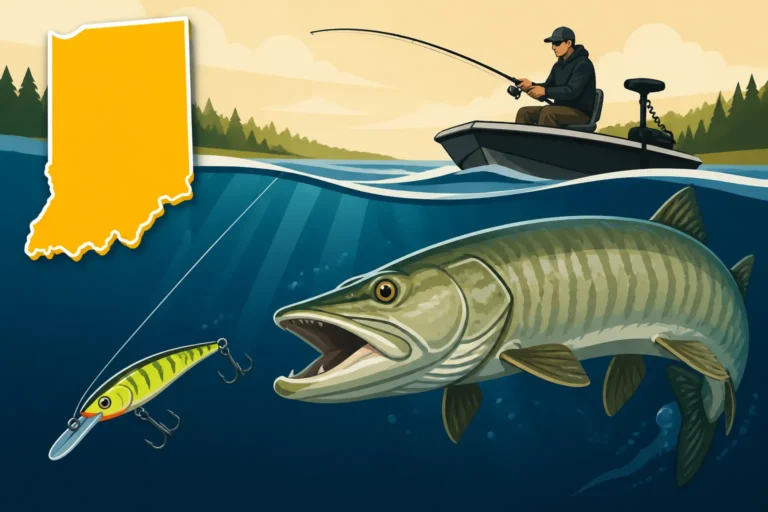
We've all been there: the weather forecast promised a beautiful day, you had your gear ready, and then BAM! A sudden cold front rolls through, dropping temperatures, bringing clear skies, and leaving you staring at a seemingly lifeless body of water. Fishing after a cold front can feel like trying to solve a riddle wrapped in a mystery, leaving many anglers frustrated and empty-handed. But don't throw in the towel just yet! This guide is all about unraveling those post-front puzzles, helping you understand why fish get lockjaw and, more importantly, how to adjust your strategy to still find success on Indiana's lakes and rivers.
Understanding the Cold Front's Impact on Fish
A cold front isn't just about a drop in air temperature; it's a profound shift in the entire environment that sends fish scrambling and changes their behavior dramatically. Ignoring these fundamental changes is why many anglers struggle. You can't just keep fishing the same way you did before the front hit.
The Immediate Shock and Disorientation
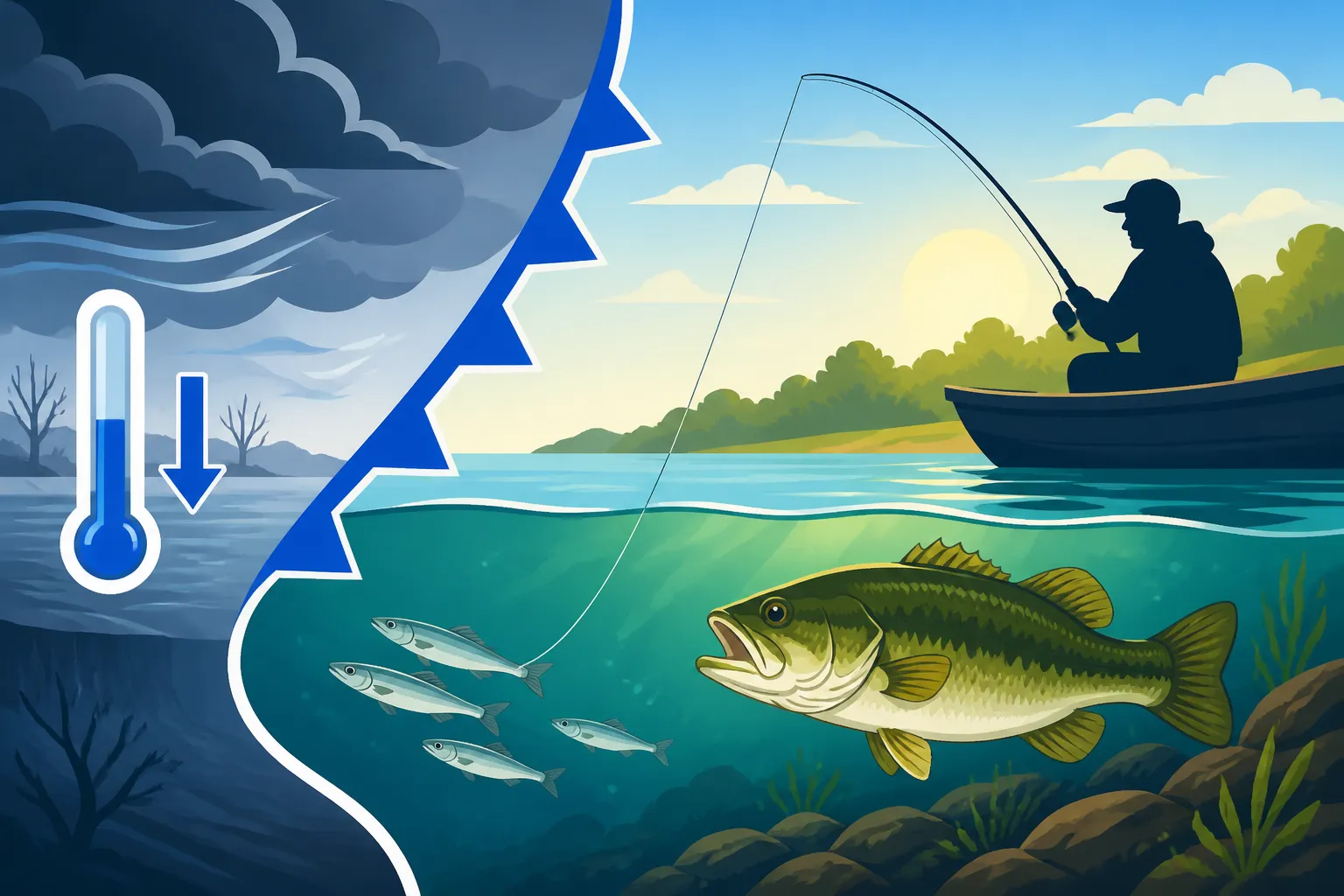
Think about it from a fish's perspective. Before a cold front, barometric pressure is often falling, creating a feeding frenzy as fish sense the approaching change and actively gorge themselves. They're on the move, aggressive, and hitting anything that moves. Then, the front passes, and suddenly, the high-pressure system settles in. This rapid increase in atmospheric pressure creates an uncomfortable sensation for fish, similar to how we might feel a headache or sinus pressure when weather patterns shift rapidly. It can make them lethargic and disoriented.
On top of the pressure changes, the water temperature might drop significantly, especially in shallower areas. This sudden chill is a shock to their systems, further contributing to their "lockjaw." The clear, bright skies that often follow a cold front also mean increased light penetration into the water, making fish feel more exposed and vulnerable to predators. This combination of high pressure, dropping temperatures, and bright light often sends fish seeking refuge in deeper, darker, or more sheltered areas, far from your usual hot spots. They're not actively feeding; they're trying to cope with an uncomfortable environment.
How Fish Metabolism Slows Down
Fish are cold-blooded creatures, which means their body temperature is largely dictated by the surrounding water. When water temperatures drop after a cold front, their metabolism slows down considerably. This isn't just a minor inconvenience for them; it changes everything from how quickly they digest food to how much energy they have for swimming or striking at prey.
With a slower metabolism, fish don't need to eat as frequently or as much. Their digestion becomes sluggish, so a large meal might sit in their stomach for a longer period, reducing their immediate hunger. This means they're less likely to chase down fast-moving baits or expend precious energy on aggressive strikes. They're conserving energy, acting more like opportunists waiting for an easy, high-reward meal to drift right in front of them, rather than actively hunting. This is why those fast retrieves and flashy presentations that worked so well before the front suddenly yield nothing but frustration.
Adjusting Your Strategy: Location, Location, Location
When a cold front hits, the first thing to remember is that fish haven't vanished into thin air. They've simply moved to more comfortable, stable environments. Your primary job is to find those new comfort zones. This often means abandoning your pre-front tactics and thinking like a fish trying to escape the elements.
Deeper Waters and Structure for Cover
After a cold front, fish universally tend to seek deeper water. Why? Because deep water is more stable. It's less affected by sudden temperature fluctuations, and the pressure changes are somewhat mitigated. Plus, the increased light penetration that comes with clear, post-front skies makes shallow water feel too exposed. Deeper haunts offer a sense of security and a more consistent environment.
Look for key structural elements in these deeper zones. This could mean the edge of a deep weed line, rock piles, ledges, submerged timber, or deep channel bends. In Indiana's bigger reservoirs like Monroe Lake or Patoka Lake, this often means targeting main lake points that drop quickly into deeper water, or submerged creek channels. On rivers, focus on deep eddies, current breaks, or areas where the riverbed drops off sharply. Fish will often "bury" themselves in these deeper cover elements, hunkering down and waiting for conditions to stabilize. They're not going to be actively cruising; they'll be tight to cover, conserving energy. It's a game of precision placement and patience.
Focusing on Sun-Warmed Areas
While deeper water offers stability, there are also specific shallow areas that can attract fish after a cold front due to their ability to warm up quickly. These spots might hold some of the more active fish, especially if the sun has been beating down on them for a few hours. Think about north-facing banks (in the Northern Hemisphere) that get prolonged sun exposure, shallow coves with dark, mucky bottoms that absorb heat, or even large rocks or piers that retain warmth and radiate it into the surrounding water.
Even a slight increase of one or two degrees in water temperature can make a huge difference to a lethargic fish. These sun-warmed pockets can draw in baitfish, which in turn can attract opportunistic predators looking for an easy meal. While you might not find huge schools here, a few active fish could be enough to turn your day around. It's often a good strategy to start deep in the morning, then transition to these sun-warmed shallows later in the day once they've had a chance to heat up. Just remember, fish in these areas are likely to be extremely wary due to the clear water, so a stealthy approach is critical.
Presentation is Key: Slow and Subtle
You've found the fish in their post-front hiding spots. Now, how do you convince them to bite? This is where your presentation becomes absolutely crucial. Aggressive, fast-moving baits will often be ignored. You need to appeal to a fish that's sluggish, conserving energy, and probably not very hungry.
Downsizing Baits and Lures
One of the most common mistakes after a cold front is continuing to throw the same large, flashy lures that worked before. When fish are lethargic and their metabolism is slow, they don't want to expend much energy chasing a big meal. Instead, they prefer smaller, easier-to-catch prey that offers a good caloric return for minimal effort. This is why downsizing your baits and lures is so effective.
Think finesse: smaller jigs, tiny soft plastic worms, micro-sized crankbaits, or even small inline spinners. If you're targeting Largemouth Bass Fishing in Indiana, try a shaky head rig with a small worm, or a drop-shot rig with a 3-inch plastic. For walleye, a small jig tipped with a minnow is often irresistible. Even for panfish like crappie and bluegill, go with the smallest jigs you have, perhaps 1/32 or 1/64 ounce. These smaller presentations mimic vulnerable baitfish or insects that are easy pickings. Many anglers find a wide array of these specialized, smaller lures and jigs conveniently available through online retailers like Amazon, ensuring they have the right tools for these challenging conditions. This approach helps reduce the fish's perceived effort, making a strike more appealing.
Ultra-Slow Retrieval Techniques
Once you've downsized your bait, the next critical step is to slow everything down. And when I say slow, I mean ultra-slow. A fish with a slowed metabolism simply won't chase a fast-moving lure. They might watch it go by, but they're unlikely to commit. Your goal is to make your bait look like the easiest meal possible, practically begging to be eaten.
Techniques like dead-sticking, where you cast your lure out and let it sit motionless on the bottom for extended periods, can be incredibly effective. Other slow presentations include dragging jigs or soft plastics along the bottom, making long pauses between very subtle twitches, or using a retrieve so slow that you can barely feel the lure moving. For suspended fish, a slow-falling jig or a suspending jerkbait that you twitch and then let sit for 10-20 seconds can often trigger a strike. Imagine a sick or dying baitfish barely moving; that's the vulnerability you want to emulate. Patience is not just a virtue here; it's a necessity. This is directly related to Best Lures for Fishing After a Cold Front.
Color Choices in Clear Water
Cold fronts often bring with them clear, bluebird skies, which means more light penetration into the water. This increased visibility makes fish more wary and allows them to scrutinize your bait more closely. In these conditions, natural and subdued colors tend to be much more effective than bright, flashy ones.
Think about colors that blend in with the environment or mimic natural forage. Greens, browns, clear, subtle blues, and black-and-blue combinations are often excellent choices. If the water has a slight tint, a bit of chartreuse or orange can sometimes act as an attractor without being overly aggressive. Avoid super bright or neon colors, which can appear unnatural and scare off already skittish fish. The idea is to make your presentation as inconspicuous as possible, allowing the fish to focus on the subtle movement and small profile rather than being put off by an unnatural hue. Pay attention to how the light hits your lure; a transparent bait in clear water can sometimes be the ticket when nothing else works.
Bait and Tackle Considerations for Post-Front Fishing
Beyond just the lures and colors, the type of bait you use and the tackle you're fishing with can significantly impact your success rate after a cold front. Every advantage you can gain is crucial when the bite is tough.
Live Bait Advantages
When artificial lures fail, live bait often becomes the MVP after a cold front. There's simply no substitute for the natural scent, taste, and subtle movements of a real minnow, worm, or leech. These attributes are often enough to convince a lethargic, wary fish to bite when they wouldn't touch anything else. Fish that are conserving energy are more likely to strike at something that smells and moves like a genuine, easy meal.
For species like Indiana Walleye or crappie, live minnows suspended under a bobber or fished slowly on a jig head can be incredibly effective. For bass, a lively nightcrawler or shiner can often coax a strike. Even bluegill and other panfish will readily take a small piece of worm or a wax worm when artificials are ignored. Make sure your live bait is healthy and active, as a struggling baitfish might actually repel lethargic predators. Hook them in a way that allows for maximum natural movement. If you're struggling to get bites, switching to live bait, even for just one rod, can often provide valuable clues about how the fish are reacting. Consider picking up some quality bait containers and aerators, available on Amazon, to keep your live bait fresh and active throughout your trip. This is key to Best Live Bait Choices for Beginners in tough conditions.
Finesse Tackle Setups
To effectively present small baits with ultra-slow retrieves and detect those incredibly subtle post-front bites, you need finesse tackle. This means lighter rods, lighter lines, and smaller, sharper hooks. Trying to fish a tiny jig on heavy line with a stiff rod is like trying to thread a needle with a rope – it's just not going to work.
A sensitive, lightweight spinning rod (6'6" to 7'6" in length) with a fast action tip is ideal. Pair this with a small, smooth spinning reel spooled with light line, typically 4-8 pound test fluorocarbon or monofilament. Fluorocarbon is often preferred due to its low visibility and excellent sensitivity, allowing you to feel even the lightest "tick" on your line. Smaller, sharper hooks (like those on a finesse jig or drop-shot rig) ensure better penetration on a light bite. The goal is to maximize your feel for the bait and minimize resistance for the fish. Every little detail, from the bend in your rod to the visibility of your line, contributes to your success in these challenging conditions. You can find a vast selection of Best Fishing Rods and Reels for Freshwater Fishing perfect for finesse tactics online.
Species-Specific Cold Front Tactics for Indiana Waters
While the general principles of slowing down and going deep apply across the board, tailoring your approach to specific species can further increase your success. Different fish react to cold fronts in slightly different ways based on their natural habits and preferred environments.
Bass After a Cold Front
Largemouth and smallmouth bass tend to be notoriously difficult after a cold front. They often retreat from shallow flats and shorelines, seeking the stability of deeper water and heavy cover. In reservoirs like Monroe Lake or Patoka Lake, look for bass to school up on deep ledges, brush piles, rock veins, or submerged timber near main lake channels. On rivers like the Tippecanoe, they might tuck into deep eddies or scour holes.
Your best bet is a slow, methodical approach. Finesse jigs (like a 1/4 to 3/8 ounce jig with a small, subtle trailer) hopped slowly along the bottom are deadly. A drop-shot rig with a small worm or creature bait suspended just above the bottom or structure can also be incredibly effective, especially if you can present it vertically over a school of fish. Shaky head jigs, Texas-rigged small worms, or even tiny Ned rigs are also great choices. Remember, the retrieve should be glacial – long pauses are your friend. Early morning or late afternoon, when the sun is lower, might also offer a slightly better bite window. This is crucial for Largemouth Bass Fishing in Indiana: The Complete Guide.
Walleye After a Cold Front
Walleye, being naturally more accustomed to deeper, colder water, might not react as drastically as bass, but they will still become more cautious and less aggressive. They’ll likely remain in their deeper haunts but will be much more reluctant to chase. In Indiana, popular walleye fisheries like the glacial lakes in the northeast or certain reservoirs will see walleye holding tight to bottom structure or suspended just off it.
Vertical jigging is often the most productive method. Use small jigs (1/8 to 1/4 ounce) tipped with live minnows or scented soft plastics, bouncing them gently off the bottom. Blade baits or subtle flutter spoons can also elicit strikes when yo-yoed slowly in the water column. Slow trolling with bottom bouncers and spinner rigs tipped with crawlers or minnows can also work, but reduce your speed significantly. Look for them on deep humps, along breaks, or near main lake points. The key is to keep your bait in their strike zone for as long as possible, tempting them with minimal effort. This is essential for Indiana Walleye Fishing: A Complete Guide.
Panfish After a Cold Front
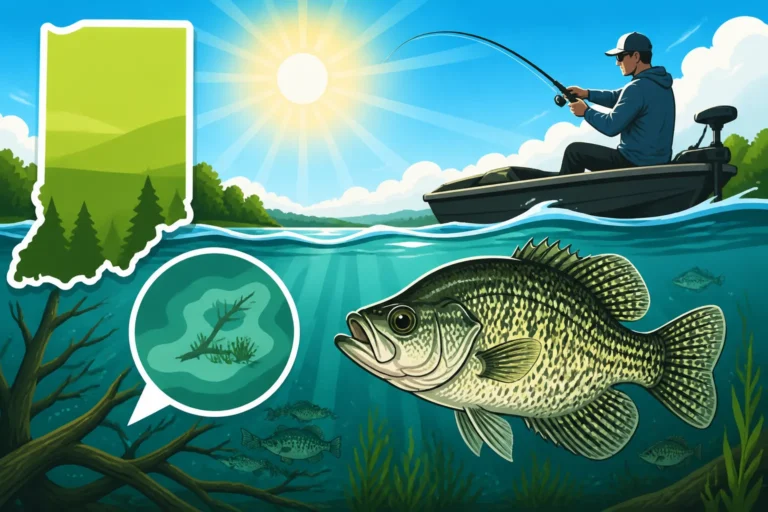
Crappie, bluegill, and other panfish are also sensitive to cold fronts, often moving to deeper cover. For crappie, look for them to stack up tightly in submerged brush piles, standing timber, or under deep docks and boat houses. Bluegill and other sunfish might retreat to the densest parts of weed beds or congregate around submerged structure like old stumps or rock beds in deeper coves.
Small jigs, often 1/32 or 1/64 ounce, tipped with a small plastic grub, a live minnow (for crappie), or a wax worm (for bluegill) are your go-to baits. Fish these vertically, dropping them right into the cover. For crappie, a slow-trolled spider rig with multiple poles can cover ground effectively, using very small jigs. For bluegill, a tiny jig under a slip bobber, allowing you to suspend it precisely at their depth, is often deadly. Keep your movements minimal – a gentle twitch or a slight lift and fall is usually all it takes. Remember, these fish will be holding very tight to cover, so accurate casts and precise presentations are critical. For more tips on this, check out Crappie and Panfish Fishing Techniques for Beginners.
Here's a quick reference for adjusting your tactics after a cold front:
| Fish Species | Typical Location After Cold Front | Preferred Bait/Lure (Finesse) | Presentation Technique | Key Considerations |
|---|---|---|---|---|
| Largemouth Bass | Deep ledges, brush piles, main lake points | Small jigs (shaky head, Ned rig), drop-shot, small Texas-rigged worms | Ultra-slow drag, dead-stick, long pauses | Focus on cover, light line, subtle twitches |
| Smallmouth Bass | Deep rock piles, humps, current breaks | Drop-shot, tube jigs, small grubs, small swimbaits | Slow hop-and-drag, vertical jigging | Focus on rocky structure, clear water visibility |
| Walleye | Deep humps, breaks, channel edges, suspended | Jig & minnow, blade baits, slow-trolled crawler harnesses | Vertical jigging, slow retrieve, long pauses | Fish close to bottom, consider scent |
| Crappie | Submerged brush, standing timber, deep docks | 1/32-1/64 oz jigs, live minnows, tiny soft plastics | Vertical jig, slow retrieve under bobber, dead-stick | Target tight cover, focus on depth |
| Bluegill/Sunfish | Dense weeds, submerged wood, deep cover | 1/64 oz jigs, wax worms, small pieces of worm | Still fishing under bobber, gentle twitches | Patience is key, very light tackle |
Fishing after a cold front can definitely test your patience and your angling skills, but it's far from impossible to catch fish. By understanding how these weather changes impact fish behavior and by adapting your strategies – going deeper, slowing down, downsizing your presentations, and choosing natural colors – you can still have a rewarding day on the water. It’s all about adjusting to what the fish want, not what you think they should want. The next time a front rolls through, remember these tips, pack your finesse gear, and get ready to outsmart those finicky fish.
Disclaimer
This article is for general informational purposes only and does not constitute professional advice. Laws, prices and regulations vary by location and change over time. Consult a qualified professional for guidance on your specific situation.