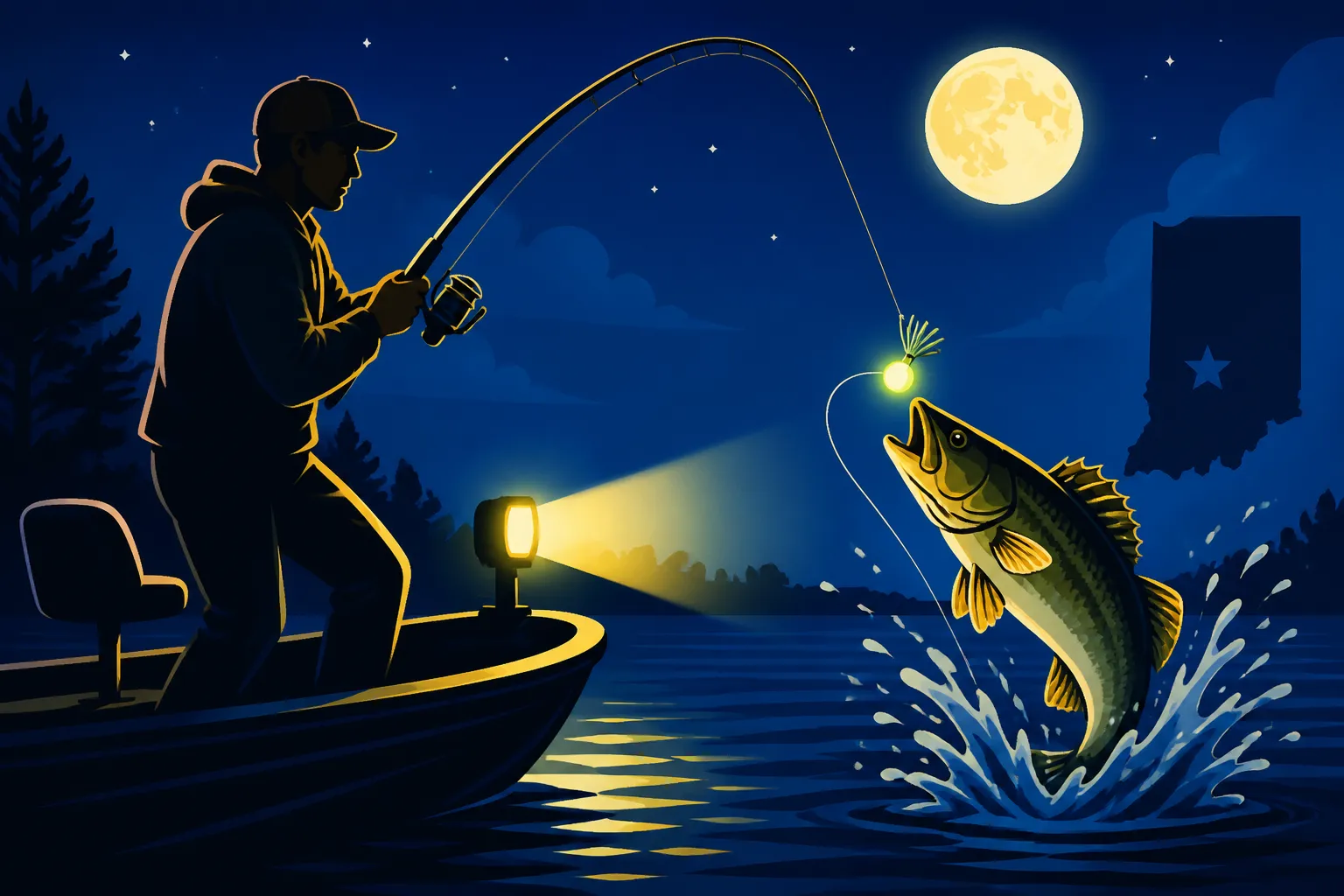
How to Catch Fish at Night
Isn't it frustrating when you finally get a day off, head to your favorite Indiana fishing spot, and find it packed with other anglers, or the scorching midday sun makes the fish lethargic and uncooperative? Sometimes, the most peaceful and productive fishing happens when most folks are tucked in bed. This guide is all about embracing the quiet, cool hours after sunset to unlock a whole new world of angling possibilities right here in Indiana.
Why Night Fishing in Indiana is So Rewarding
There's something truly magical about being out on the water or tucked away on the bank as darkness falls. The hustle and bustle of the day fades, replaced by the symphony of crickets and frogs, and the quiet splash of a jumping fish. But beyond the serenity, there are some very real, practical reasons why fishing at night can be incredibly productive, especially in the Hoosier State.
Escaping the Heat and Crowds
Let's be honest, Indiana summers can be brutal. Midday sun not only makes fishing uncomfortable for us, but it also drives many fish species, particularly the larger ones, into deeper, cooler waters or thick cover where they're harder to reach. When the sun goes down, the water temperature begins to drop, drawing these fish out from their daytime hideouts to feed in shallower areas. This means you can often target species closer to the bank or in areas that are inaccessible during daylight hours. Plus, you'll rarely find a crowded boat ramp or a jostling elbow-to-elbow shoreline after dark, giving you more peace and quiet to enjoy your time on the water.
This change in behavior is a game-changer for many anglers. Think about those big bass that hug the shady side of a dock all day, or the crappie that suspend in deep channels. As evening transitions to night, they often move to the flats, the edges of weed beds, or along shorelines where baitfish are more active. This makes them significantly more accessible and often more aggressive feeders. It’s an entirely different fishing experience, and one that can be incredibly rewarding if you’re prepared.
The Advantage of Reduced Visibility
Another huge benefit of night fishing is the reduced visibility. For many predatory fish, darkness acts as a natural equalizer, minimizing their wariness. They don't see your boat, your shadow, or your line nearly as well as they do during the day. This allows you to get closer to prime fishing spots and present your baits more naturally without spooking them. Fish that might be incredibly skittish during the day become bolder and more confident under the cover of night, making them more likely to strike.
This doesn't mean you can throw caution to the wind, of course, but it does mean you can often use heavier lines or approach areas more directly than you might during daylight. The fish rely more on their other senses – their lateral line to detect vibrations, and their keen sense of smell and hearing. This shift in sensory reliance dictates how you should approach your techniques and bait choices, often favoring baits that create more disturbance or have a stronger scent.
Targeting Nocturnal Species and Feeding Patterns
Many of Indiana's most popular sport fish, like catfish, walleye, and even big bass, are primarily nocturnal or crepuscular (most active during dawn and dusk). Catfish, for example, are well-known for their nighttime prowess, using their barbels to sniff out food in the darkest waters. Walleye often move from deep structures to shallow feeding flats under the cover of night, making them a prime target for after-dark anglers.
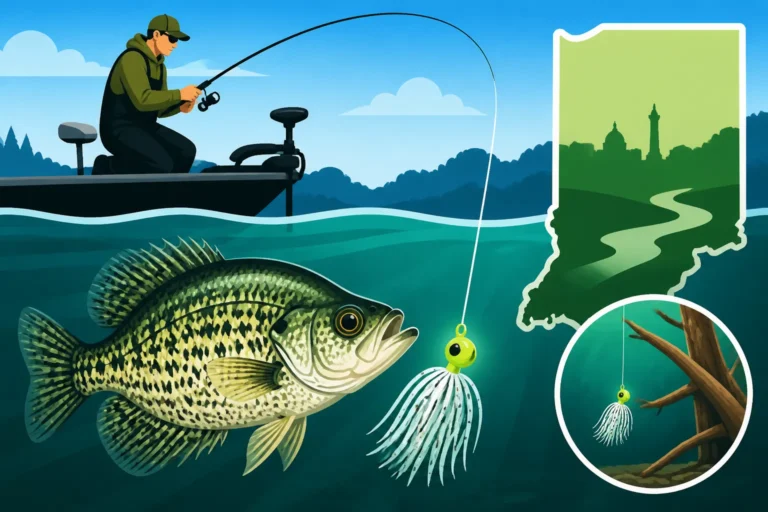
Even species like crappie and bluegill, while catchable during the day, can exhibit different feeding behaviors at night, often congregating around submerged lights. Understanding these natural feeding patterns and the specific behaviors of different species at night is key to successful night fishing. This is where a little research into your target species, like those found in the Channel Catfish Fishing in Indiana: The Complete Guide or the Indiana Walleye Fishing: A Complete Guide, can really pay off before you even wet a line.
Essential Gear for a Safe and Productive Night Out
Heading out after dark requires a bit more preparation than a daytime trip. Safety should always be your number one priority, followed closely by having the right tools to make your experience enjoyable and productive.
Lighting and Visibility Gear
You simply cannot fish safely at night without proper lighting. This isn't just about seeing your bait; it's about navigating, tying knots, and most importantly, being seen by others.
- Headlamps: A good quality headlamp is your best friend. Look for one with adjustable brightness settings and, crucially, a red light option. Red light preserves your night vision much better than white light, which can temporarily blind you and others, making it harder to adapt back to the darkness. Many anglers keep a spare on hand, just in case the primary one fails or gets dropped. When you're trying to tie a knot or unhook a fish in the dark, a reliable headlamp makes all the difference. You can find a wide array of options on platforms like Amazon, offering different battery life and lumen outputs to suit your needs.
- Boat Navigation Lights: If you're on a boat, proper navigation lights are not just recommended, they are legally required. Make sure your bow and stern lights are functioning correctly and are clearly visible. Even if you're just anchored, a white all-around light is essential to avoid collisions. Consult the Indiana Boater Safety Gear Checklist for a complete rundown of what you need to have on board. Remember, other boaters might not see you until it's too late if you're not properly lit.
- Area Lighting (Optional but Recommended): For bank anglers or those in stationary boats, a lantern (LED or propane) can provide ambient light for your immediate fishing area. Again, consider options with a red light mode. Some anglers also use submersible LED fishing lights, especially for crappie or other panfish, as these lights attract plankton, which then attract baitfish, and finally, the predatory fish you're after. These lights can be particularly effective on still waters like a quiet cove on Monroe Lake.
Specialized Tackle for Night Fishing
While much of your daytime tackle will work, a few adjustments and specialized items can significantly boost your success and make fishing easier in the dark.
- Glow-in-the-Dark or Luminous Lures: For walleye and crappie, lures that glow can be incredibly effective. Charge them with a flashlight (your headlamp's white light works well for this) and watch them attract attention in the dark depths. Soft plastics infused with glow pigments, glowing jigs, or even crankbaits with glow finishes can make a difference when fish are relying on visual cues in extremely low light. Experiment with different colors and charge times to see what works best in your local waters.
- Scented Baits and Soft Plastics: Since fish rely heavily on scent at night, incorporating strong-smelling baits is a smart move. Think about using live bait like worms or minnows, cut bait, or even commercially available scent sprays and gels for your artificial lures. Catfish, in particular, are highly responsive to scent. A juicy nightcrawler or a chunk of chicken liver often outperforms odorless artificials in the dark. When you can’t see the lure, the fish needs another way to find it.
- Heavy Line or Braided Line: With reduced visibility, fish may not be as line-shy. This is an excellent opportunity to use slightly heavier lines that give you more confidence when battling a fish in the dark, especially around structure. Braided line, with its lack of stretch and excellent sensitivity, can be a huge asset as it transmits subtle bites more effectively, which can be hard to detect visually at night. This is particularly useful when you're bottom fishing for species like walleye or catfish, where bites can be light taps.
- Rod Holders: Whether you're on the bank or in a boat, rod holders are invaluable for night fishing. They keep your rod secure, help you detect bites (especially if you're using bells or light-up bobbers), and free up your hands for other tasks. This is especially true if you're running multiple lines or waiting for a slow bite to develop, common when targeting catfish or other bottom dwellers. A sturdy rod holder means you don't have to constantly hold your rod, letting you focus on your surroundings and stay comfortable.
Best Species and Techniques for Indiana Night Fishing
Indiana offers fantastic opportunities for night fishing across its diverse waters. Knowing which species are most active after dark and the techniques best suited to catch them can significantly increase your success.
Targeting Catfish Under the Stars
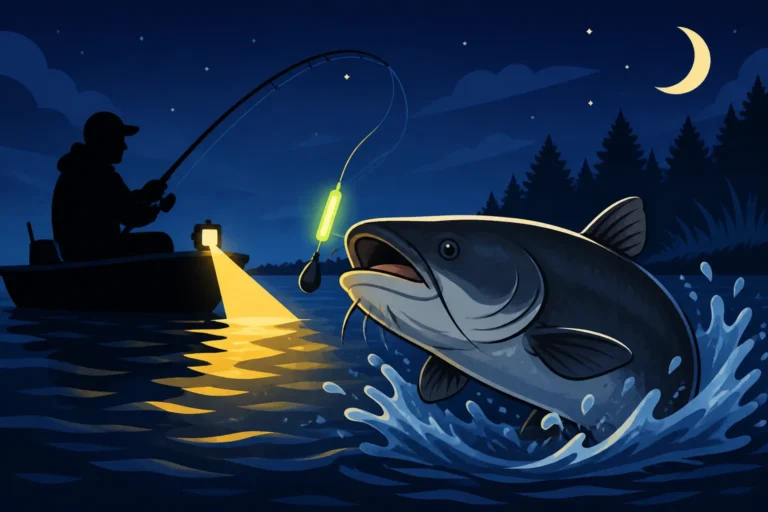
Catfish are arguably the quintessential night fishing target in Indiana. Channel cats, flatheads, and blue cats all become more active once the sun sets, moving into shallower feeding areas.
- Prime Locations: Look for catfish in rivers like the Wabash or White River, especially in slow-moving stretches, deep holes, or near submerged cover like logs and brush piles. In lakes and reservoirs, target points, humps, and the mouths of creeks where baitfish congregate. The Best Catfish Fishing Spots in Indiana can give you some excellent ideas for places to start. They often patrol shallow flats and shorelines after dark, making them accessible even to bank anglers.
- Effective Baits: Catfish are primarily scavengers with an incredible sense of smell. Stinky baits are your best friend here. Cut bait (shad, skipjack herring, or even bluegill), chicken liver, stink baits (like those found on Amazon, available in various scents and textures), and large nightcrawlers are all highly effective. For flatheads, live bait like bluegill or sunfish is often preferred. The key is to present a bait with a strong scent trail that can be easily detected in the dark water.
- Techniques: Bottom fishing is the most common and effective method for catfish at night. Use a slip-sinker rig or a Carolina rig to keep your bait on the bottom. Cast your bait out, let it settle, and wait for a bite. Many anglers use lighted bobbers or attach small bells to their rod tips to detect strikes visually or audibly in the dark. Give them time to take the bait; catfish often "mouth" the bait before fully committing.
Nighttime Walleye Hunts
While often thought of as a daytime species, walleye can offer incredible action after dark, especially in Indiana's larger glacial lakes up north or major reservoirs. They are known to move from deep water to shallow feeding flats and rocky points to chase baitfish.
- Prime Locations: Target areas with rocky bottoms, gravel bars, sudden drop-offs, and points that extend into the lake. In natural lakes like Lake Wawasee or Webster Lake, these features can hold impressive walleye. In reservoirs like Brookville Lake or Mississinewa Lake, focus on submerged humps and river channel edges that come close to the surface.
- Effective Baits and Lures: Live bait, particularly minnows or shiners, fished on a jig or under a slip bobber, can be incredibly effective. For artificials, dark-colored crankbaits (black, purple, dark blue) or those with rattles that create vibration are excellent choices for casting or slow trolling. Jigging with glow-in-the-dark jigs tipped with a minnow or a scented soft plastic can also produce results, particularly when fishing vertically over structure.
- Techniques: Slow trolling with crankbaits along contours or casting stickbaits parallel to shorelines are popular methods. When casting, use a retrieve that mimics a wounded baitfish – a slow, erratic motion with pauses. For jigging, keep your presentation subtle; walleye often respond to a gentle lift and fall rather than aggressive movements. Pay close attention to your line for the faintest tap, as bites can be very subtle in the dark. You can learn more about specific walleye fishing techniques in the Walleye Trolling Techniques or Walleye Jigging Techniques guides.
Crappie and Panfish Under Lights
Crappie, bluegill, and other panfish are a fantastic option for night fishing, especially if you have access to a boat or a dock with power. They are drawn to light, making them relatively easy to locate and catch.
- Prime Locations: Docks, piers, and boat slips with overhead lights are natural magnets for night-feeding crappie and panfish. If you're in a boat, bring a submersible fishing light (LED options are available on Amazon) and deploy it in productive areas like brush piles, submerged trees, or along weed lines in lakes like Patoka Lake or Monroe Lake.
- Effective Baits and Lures: Small jigs (1/32 to 1/16 oz) tipped with tiny soft plastics, minnows, or even just a small piece of worm are highly effective. Light-colored jigs or those with glow features can work well under lights. For live bait, small minnows or wax worms are perennial favorites for enticing crappie and bluegill.
- Techniques: The strategy here is simple: attract them with light, then present your bait. Lower your submersible light into the water and give it some time (15-30 minutes) to attract plankton, then baitfish, and eventually the crappie and panfish. Fish your small jigs or minnows vertically right below the light or cast them nearby. A sensitive ultralight rod is perfect for detecting those light crappie bites. Keep your retrieve slow and steady, or just suspend your bait at different depths until you find the fish.
Navigating Common Challenges and Safety Tips
Night fishing offers unique rewards, but it also comes with unique challenges. Being prepared for these can make the difference between a memorable night and a miserable one.
Avoiding Spooking Fish and Noise Discipline
Just because fish can't see you as well doesn't mean they're deaf or immune to vibrations. In fact, many nocturnal species are even more sensitive to sound and sudden movements in the quiet of the night.
- Minimize Noise: Avoid loud talking, banging tackle boxes, or heavy footsteps on the bank or boat deck. Sound travels exceptionally well through water. Use a quiet electric trolling motor instead of a noisy outboard if possible. If you're bank fishing, approach your spot stealthily.
- Controlled Lighting: While you need light to see, use it judiciously. Avoid shining your bright white headlamp directly onto the water where you're fishing. Use the red light mode whenever possible to preserve your night vision and prevent spooking fish. Only use white light when absolutely necessary, like tying a knot or unhooking a fish, and direct it downwards. Fish can detect sudden changes in light, even if it's brief.
- Subtle Presentations: Focus on casting smoothly and landing your lures or baits softly. A big splash can send fish scattering. Often, a slower, more deliberate retrieve works better at night, giving fish more time to locate your bait using their lateral line and scent. This is particularly important for species like walleye, which can be easily spooked by aggressive presentations.
Staying Safe and Oriented in the Dark
The biggest challenge, and often the biggest concern for new night anglers, is safety and navigating in the dark. Losing your bearings or encountering unexpected hazards is a real possibility.
- Tell Someone Your Plans: Always inform a friend or family member exactly where you're going, when you expect to return, and what vehicle you're taking. This is perhaps the most important safety rule for solo night outings. Having someone know your whereabouts is crucial in case of an emergency.
- Know Your Location: Before it gets dark, scout your fishing spot thoroughly during daylight hours. Note any obstacles, drop-offs, snags, or tricky terrain if you're bank fishing. If boating, pay close attention to navigation markers, submerged hazards, and the layout of the lake or river. Relying on a GPS unit or a detailed map on a fish finder with GPS capabilities can be a lifesaver. This knowledge helps you avoid accidents and keeps you from getting lost.
- Dress for the Conditions: Even if it was warm during the day, nights in Indiana can get surprisingly cool, especially on the water. Bring layers of clothing, a waterproof jacket, and warm headwear. Also, always have insect repellent handy, as mosquitoes and other biting insects can be particularly active after dark.
- First Aid Kit: A well-stocked first aid kit is essential. Minor cuts, hooks in fingers, or unexpected scrapes can be more challenging to deal with in the dark. Having supplies readily available can prevent a small issue from becoming a big problem. This is part of the broader Indiana Boater Safety Gear Checklist that should be on every vessel.
- Don't Go Alone (If Possible): While solo night fishing can be incredibly peaceful, bringing a buddy significantly enhances safety. Two sets of eyes are better than one, and having someone else there can be invaluable if an emergency arises.
Weather and Water Conditions at Night
Weather patterns can shift quickly, and water conditions might feel different after dark. Always check the forecast before heading out, paying close attention to wind, temperature drops, and potential for storms. High winds can make boating hazardous and reduce visibility further with choppy waters. Rapid temperature drops can affect fish behavior, making them less active. It’s also harder to read the water at night, so understanding how factors like rain affect fishing, which you can read about in Fishing Techniques After Heavy Rain, becomes more important.
Consider bringing an extra battery for your trolling motor or fully charging your boat's main battery. You don't want to be stranded on the water in the middle of the night. Currents in rivers can also be more disorienting in the dark, so if you're unfamiliar with a particular stretch, it's best to stick to calmer waters. Being proactive about these potential issues will ensure your night fishing adventure is safe and successful.
| Species Targeted | Preferred Moon Phase | Recommended Baits/Lures | Key Nighttime Behavior |
|---|---|---|---|
| Catfish | New Moon / Quarter | Cut Bait, Stink Bait, Live Minnows | Moves shallow to feed, relies heavily on scent. |
| Walleye | Full Moon / Quarter | Dark Crankbaits, Glow Jigs, Live Minnows | Moves to flats & rocky points, can be light-sensitive. |
| Crappie | Any Phase (with light) | Small Jigs, Minnows, Worms | Attracted to light sources, suspends in water column. |
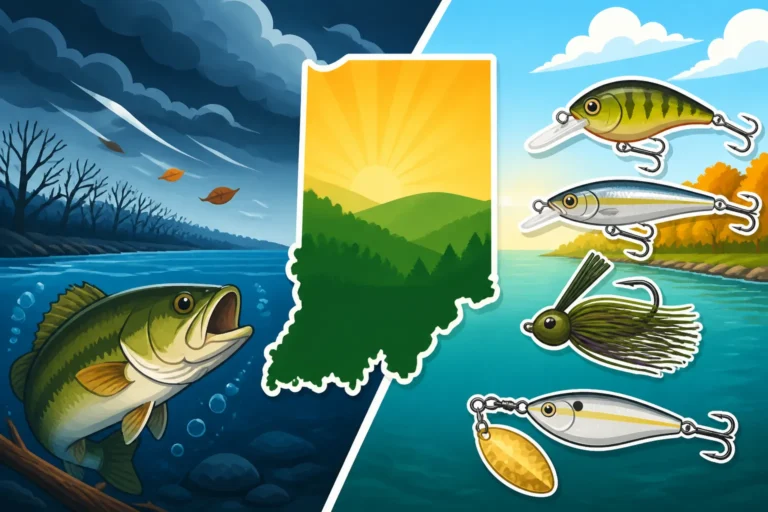
| Largemouth Bass | New Moon / Quarter | Dark Jigs, Spinnerbaits, Topwater | More aggressive in low light, patrols shallow cover. |
Disclaimer
This article is for general informational purposes only and does not constitute professional advice. Laws, prices and regulations vary by location and change over time. Consult a qualified professional for guidance on your specific situation.