Best Techniques for Smallmouth Bass in Rivers
There’s nothing quite like the thrill of chasing smallmouth bass in an Indiana river. These feisty, hard-fighting fish are a true challenge, often hiding in swift currents and around tricky structures. If you've ever spent hours casting into a beautiful stretch of river only to come up empty, feeling like you're missing a secret handshake, you're not alone. This guide is here to demystify the art of catching river smallmouth, breaking down the techniques, gear, and mindset you need to turn those frustrating outings into triumphant tales.
Understanding Smallmouth Bass Behavior in Rivers
River smallmouth bass are a different breed from their lake-dwelling cousins. They're constantly adapting to current, structure, and prey availability, making them incredibly dynamic and, at times, elusive targets. To consistently catch them, you first need to understand their watery world.
River Current and Habitat Preferences
Unlike largemouth bass that often hug thick cover in still waters, smallmouth in rivers are kings of the current. They thrive in moving water because it brings food directly to them and provides oxygen. You'll rarely find a smallmouth lounging in a slow, muddy backwater unless it's for very specific reasons, like spawning or seeking refuge from extreme conditions. Instead, they prefer areas where the current creates natural breaks and ambush points. Think about rock seams, current breaks behind large boulders, eddies formed by fallen trees, or the deeper scour holes below riffles and rapids.
These fish are masters of energy conservation. They'll position themselves just out of the strongest current, allowing food to be swept past them, then dart out to strike. This means the prime spots are often on the downstream side of any obstruction. Consider the nuances of the Wabash River, the White River, or the Tippecanoe River – each has its own character, but the smallmouth's preference for current breaks remains universal. They also love rocky bottoms, gravel beds, and ledges where crayfish and smaller baitfish hide. Deep pools with scattered boulders offer excellent holding areas, especially when the river is low and clear, providing them with both cover and deeper, cooler water.
Seasonal Movements and Feeding Habits
Smallmouth bass in Indiana rivers are very much creatures of the season, and their behavior shifts dramatically throughout the year. In early spring, as water temperatures rise into the 50s, they move from their deeper wintering holes into shallower, rockier areas to feed aggressively before the spawn. This is a fantastic time to target them with jerkbaits and jigs. The spawn itself typically occurs when water temperatures hit the mid-60s, usually from late April into June, depending on the river system. During this time, male smallmouth will guard nests in shallow, gravelly areas, becoming very aggressive towards anything that approaches.
As summer progresses and water temperatures climb, smallmouth often become more nocturnal or feed most actively during dawn and dusk. They might move into deeper, cooler pools or seek shade under overhanging banks and logs during the heat of the day. Their diet primarily consists of crayfish, hellgrammites, minnows, and insect larvae, all abundant in river environments. In the fall, as temperatures begin to drop again, smallmouth embark on a massive feeding spree to pack on weight for winter. This is often regarded as one of the Best Time of Year to Fish in Indiana for these bronze warriors, as they'll hit a wider variety of lures with incredible ferocity. Understanding these seasonal patterns is crucial for knowing where to find them and what they’ll be willing to eat.
Essential Gear and Tackle for River Smallmouth
One of the biggest frustrations for new river anglers is feeling under-gunned or over-equipped. You don’t need a boatload of expensive gear, but having the right tools for the job can make all the difference in success and enjoyment. Smallmouth are strong, agile fighters, and river environments can be tough on tackle, so choosing wisely is key.
Rod, Reel, and Line Selection
For river smallmouth, you're generally looking for gear that offers a good balance of sensitivity, casting accuracy, and the backbone to fight fish in current. A medium-light to medium power spinning rod, typically 6'6" to 7'2" in length, is often ideal. This length provides good casting distance for covering water while still offering maneuverability for tight spots and accurate presentations around cover. The medium power helps you handle those aggressive strikes and keep a strong smallmouth from breaking you off in heavy current or dragging you into snags. You’ll want a fast action tip for detecting subtle bites and setting the hook quickly.
Pairing your rod with a high-quality spinning reel in the 2000 to 3000 size range will give you a smooth drag system and sufficient line capacity. Reels like the Shimano Sedona FL or the Daiwa BG are popular choices that you can often find on Amazon. When it comes to line, 8 to 10-pound braided line as a main line is an excellent choice due to its sensitivity and strength, especially when fishing around abrasive rocks and logs. Always tie a 6 to 10-pound fluorocarbon leader (2-4 feet long) to your braid. Fluorocarbon is nearly invisible underwater, which is crucial for wary river smallmouth, and its abrasion resistance is a huge advantage when fishing snaggy areas. For those who prefer a simpler setup, a good quality 6-8 pound monofilament line can also work, especially for topwater presentations.
Lures and Baits That Get Bites
River smallmouth can be finicky, but they are also incredibly opportunistic feeders. Having a diverse selection of lures that imitate their natural prey is essential. Here's a breakdown of some tried-and-true options:
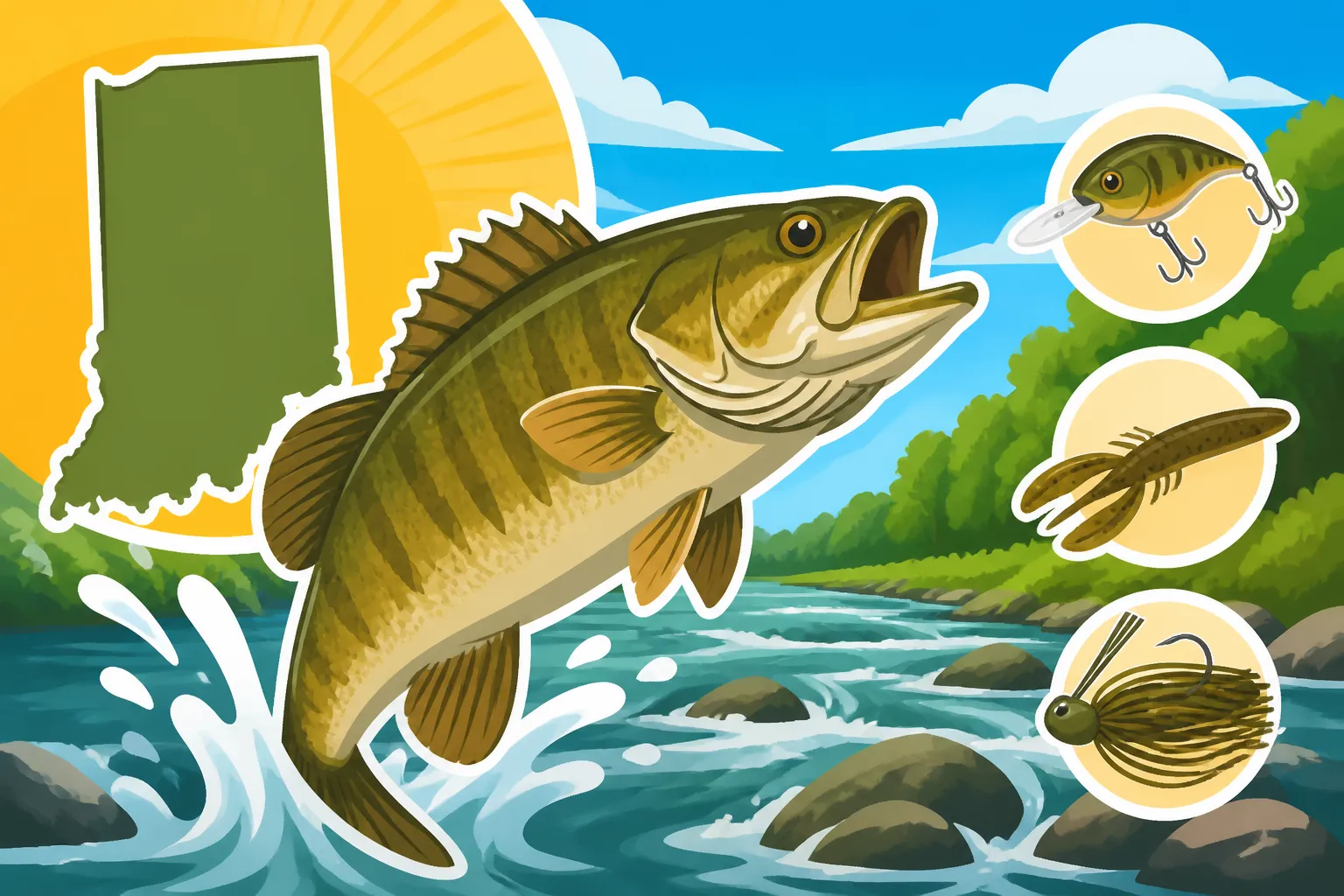
- Jigs: These are arguably the most versatile and effective lures for river smallmouth. Small football jigs or stand-up jigs (1/8 to 3/8 ounce) tipped with soft plastic crayfish imitations, tubes, or creature baits are deadly. The key is to match the hatch – use greens, browns, and black colors to mimic crayfish. Pitch them into current seams, around boulders, and along drop-offs.
- Crankbaits: Shallow-diving crankbaits that mimic minnows or crayfish are fantastic for covering water and triggering reaction strikes. Look for models that dive 2-6 feet and have a tight wobble. Colors like natural baitfish, crawfish patterns, or firetiger can be very effective. The Rapala Shad Rap or Strike King KVD 1.5 squarebill are excellent choices for river smallmouth and readily available through retailers like Amazon.
- Soft Plastics: Beyond jig trailers, soft plastics fished on a small jighead or Texas-rigged are killer. Grubs, swimbaits (2.5-4 inches), and drop shot worms can be incredibly effective, especially when smallmouth are pressured or less active. The trick is to fish them slowly and naturally with the current. This technique is often effective for Smallmouth Bass Daily Limit in Indiana Rivers because it presents a natural meal.
- Topwater Lures: When smallmouth are looking up, nothing beats the explosive strike on a topwater lure. Poppers, walking baits (like a Heddon Super Spook Jr.), or prop baits are fantastic, especially during low-light conditions or over shallow, rocky flats. These are fantastic for exhilarating bites in the early morning or late evening.
- Spinnerbaits and Buzzbaits: These lures excel at covering water quickly and drawing aggressive strikes, particularly in stained water or around woody cover. A 1/4 to 3/8 ounce spinnerbait with willow or Colorado blades is a great search bait. Buzzbaits are a topwater option that creates a lot of commotion, perfect for triggering aggressive fish.
When you're trying to figure out the best bait and lures for fall fishing or what to throw after a cold front, remember to consider the water temperature and clarity, as these will heavily influence the fish's mood and visibility.
Here’s a quick overview of popular lure types for river smallmouth:
| Lure Type | Best Conditions | Retrieval Style | Key Advantages |
|---|---|---|---|
| Jigs (Soft Plastic) | All-around, especially clear/stained water, around structure | Hop, drag, subtle shakes on bottom | Mimics crayfish, versatile, good for slow bites |
| Crankbaits (Shallow) | Covering water, targeting aggressive fish, varied depths | Steady retrieve, deflect off structure | Reaction strikes, covers water quickly |
| Soft Plastics (Rigged) | Finesse fishing, pressured fish, slow bites, deep holes | Slow drag, subtle twitch, current drift | Natural presentation, highly versatile |
| Topwater Lures | Low light, calm water, aggressive fish | Pop, walk-the-dog, erratic retrieve | Exciting strikes, draws fish from cover |
| Spinnerbaits | Stained water, wind, covering water, woody cover | Steady retrieve, slow roll, lift-and-drop | Flash and vibration, triggers reaction bites |
Top Techniques for Targeting River Smallmouth Bass
Once you have your gear sorted, it's time to talk strategy. River smallmouth fishing is as much about reading the water and adapting to conditions as it is about the lures you throw. These techniques will help you maximize your time on the water.
Reading the Water and Approaching Productive Areas
This is arguably the most critical skill for river smallmouth anglers. Smallmouth bass relate to current breaks, depth changes, and structural elements. Start by looking for anything that disrupts the current flow. This could be a large boulder, a fallen tree, a rock ledge, or even a subtle change in bottom composition from gravel to sand. Fish will often be positioned on the downstream side of these breaks, using them as ambush points. Riffles and rapids, where the water is turbulent and oxygenated, are often followed by deeper pools or eddies where smallmouth will hold. The seams where fast water meets slow water are absolute goldmines.
When approaching these areas, stealth is paramount. River smallmouth are incredibly wary, especially in clear water. Wade carefully, keeping a low profile, or if you're in a kayak or canoe, paddle quietly and avoid making sudden movements. Position yourself downstream of the target area whenever possible to allow the current to carry your lure naturally into the strike zone, and also to prevent spooking fish that might be facing upstream. When fishing specific areas like the Wabash River in Indiana, learning to spot these current seams and structural elements visually is a game-changer. Take your time, observe the water, and try to think like a smallmouth.
Casting and Presentation Strategies
Accuracy is far more important than distance when it comes to river smallmouth. You need to be able to hit specific targets—the pocket behind a boulder, the edge of a log jam, or the seam of an eddy. Practice your roll casts and pitching techniques to get your lure into tight spots without spooking fish. Once your lure is in the water, the presentation is crucial. For jigs and soft plastics, you want them to tumble and bounce naturally along the bottom with the current, mimicking a crayfish or struggling baitfish. Make sure to maintain a tight line so you can feel the subtle "tick" of a bite, which can often feel like a snag.
When fishing crankbaits or spinnerbaits, retrieve them so they occasionally bump off rocks or logs. These deflections often trigger reaction strikes from smallmouth that might not otherwise commit. For topwater lures, an erratic, stop-and-go retrieve often works best, making the lure look like a wounded prey animal. Remember, smallmouth typically strike upstream into the current, so casting slightly upstream and allowing your lure to drift naturally downstream through the strike zone can be incredibly effective. Don't be afraid to experiment with different retrieve speeds and cadences until you find what the fish are responding to on a given day.
Wading and Kayak Fishing Tactics
River smallmouth fishing offers fantastic opportunities for both wading and fishing from a small craft like a kayak or canoe. Both methods have their distinct advantages and ideal scenarios.
Wading:
Wading allows you to get intimately familiar with the riverbed and approach spots quietly. It’s perfect for smaller rivers or sections of larger rivers with consistent, wadeable depths. When wading, safety is paramount. Always wear sturdy wading boots with good grip, and consider a wading staff for stability, especially in swift currents or over slippery rocks. Move slowly and deliberately to avoid disturbing the bottom and spooking fish. Fan cast upstream and downstream, working different angles around structure. Wading allows you to thoroughly fish a particular stretch, covering every nook and cranny. However, it's limited by water depth and current speed, and you can only cover so much ground. For accessible stretches of water, it's a great way to experience the river directly, and you can often find great bank fishing spots on the Tippecanoe River in Indiana.
Kayak Fishing:
Fishing from a kayak or canoe offers increased mobility, allowing you to access sections of the river that are too deep or too swift to wade, or simply too far to walk. This is particularly effective on longer stretches of rivers like the White River in Indiana. A stable fishing kayak, especially those with pedal drives, can make navigating current and holding position much easier. When kayak fishing, try to drift quietly downstream, casting ahead of your position to undisturbed water. Use a small anchor or a stake-out pole to hold yourself in productive areas, allowing you to thoroughly fish a pocket or a deep hole. Kayaks also let you carry more gear, food, and water, making longer trips more comfortable. However, launching and retrieving can be a challenge on some river access points, and you need to be mindful of current and potential hazards like log jams or rapids. Consider a durable, angler-specific kayak, many of which are available for purchase on Amazon.
Adapting to River Conditions
Rivers are living, breathing systems, constantly changing with rainfall, seasons, and flow rates. The smallmouth bass that inhabit them are masters of adapting, and so must you. Ignoring current conditions is a surefire way to have a tough day on the water.
High Water, Low Water, and Clarity Considerations
River conditions can vary wildly, and each scenario demands a different approach.
-
High Water: After heavy rains, rivers can swell, become swift, and turn muddy. This might seem daunting, but it can concentrate fish. Smallmouth will often move out of the main current into slack water areas, flooded banks, back eddies, and feeder creek mouths. They're looking for refuge from the current and often for new feeding opportunities as insects and worms get washed in. In these conditions, use larger, more vibration-heavy lures like spinnerbaits, buzzbaits, or rattling crankbaits in darker or brighter colors (chartreuse, black, orange) to help fish find them in the murky water. Focus on the edges of the main current. Don't be afraid to fish closer to the banks than you normally would. Understanding How to Fish Muddy Water After a Storm is a key skill here.
-
Low Water: Periods of drought or prolonged dry spells can lead to very low and clear river conditions. While visually appealing, this means smallmouth become incredibly wary. They'll retreat to deeper pools, undercut banks, and heavy cover for safety and cooler water. Stealth is absolutely critical. Downsize your lures, use lighter fluorocarbon leaders, and opt for natural, subtle presentations. Finesse techniques like drop-shotting, small jigs, or soft plastics slowly worked through deep holes become very effective. Fishing during low light hours (dawn, dusk, or even night) can also significantly improve your chances, as the fish feel more secure.
-
Clarity: Water clarity is a huge factor. In gin-clear water, fish rely heavily on sight, so natural colors, smaller lures, and perfect presentations are a must. Any splashy casts or unnatural movements will spook them. In stained or slightly turbid water, fish still rely on sight but also on vibration and scent. You can get away with slightly larger lures and more aggressive presentations. When the water is heavily stained or muddy, vibration, flash, and scent are paramount, as visual cues are minimal. Choosing the right lure color and type to contrast against the water column can make all the difference.
Pressure and Stealth in Clear Rivers
Smallmouth bass in clear, accessible rivers, particularly those near populated areas, experience a lot of fishing pressure. These fish become educated and wary, making them harder to catch. If you’re fishing a well-known smallmouth river in Indiana, assume the fish have seen it all. This is where stealth, finesse, and thinking outside the box really pay off.
Maintain a low profile, avoid loud noises, and move slowly and deliberately whether you're wading or in a kayak. Long casts are often necessary to keep your distance from the fish. If you're casting to a visible fish, try to land your lure well past it and slowly bring it into the strike zone to avoid spooking it with the splash. Using natural colors that blend with the environment, or very subtle, translucent colors, can make a difference. Sometimes, the less "action" a lure has, the better; a simple soft plastic grub or tube drifting naturally can fool a pressured fish. Try to target less-fished areas, or fish during off-peak times like weekdays, early mornings, or late evenings. Remember, a pressured smallmouth is usually a smart smallmouth, so presenting a lure they haven't seen a thousand times, or presenting a familiar lure in an unfamiliar way, can be the key to success.
Disclaimer
Fishing regulations, license requirements, and local conditions can change. Always consult the latest Indiana Department of Natural Resources (DNR) regulations before heading out on the water. This guide is for informational purposes only and does not replace official guidelines.