Why Walleye Bite Windows Shrink Once the Glacial Lakes Warm
As the warmer months settle in across Indiana, many of us anglers start to notice a real shift in our favorite walleye spots, especially in the state's beautiful glacial lakes. That consistent bite you enjoyed in spring seems to vanish, and those walleye become incredibly elusive, almost as if they've packed their bags and moved to another state! It’s not just your imagination; those prized walleye actually do become much harder to catch once the water warms significantly. This guide will dive deep into why these bite windows shrink and, more importantly, what you can do to still put fish in the boat or on the bank.
Understanding Walleye Behavior in Warming Waters
Walleye are often associated with cooler water, and for good reason. Their physiology and feeding habits are intricately linked to temperature. As Indiana's glacial lakes transition from the crisp cool of spring to the warmer embrace of summer, these fish undergo significant behavioral changes that directly impact when and how they feed.
The Impact of Water Temperature on Walleye Metabolism
Think of water temperature as the primary driver for a walleye's internal thermostat. In the spring, as the water begins to warm from its icy winter state, walleye metabolism kicks into high gear. They need to recover from the spawn and actively seek out food to replenish their energy reserves. This metabolic boost means they're burning more calories and, consequently, need to eat more frequently and aggressively. This is often why we experience those fantastic early season bites.
However, as surface temperatures climb higher through late spring and into summer, approaching and exceeding the low 70s in Fahrenheit, a walleye's metabolism can actually become too high for comfort. They become less efficient, almost lethargic, in sustained warmer water. While they still need to eat, their feeding windows become shorter and more precise. They're no longer expending excess energy chasing down every meal. Instead, they become highly selective, focusing on opportune feeding times and locations that offer the best return on energy investment. This is a crucial factor in why your traditional daytime, open-water tactics might suddenly stop working.
Changes in Forage and Habitat as Lakes Warm
It's not just the walleye reacting to the warmth; their entire ecosystem shifts, too. The baitfish they prey upon, like yellow perch, shiners, and shad, are also sensitive to water temperature. As the upper layers of the lake warm, these smaller fish tend to disperse or seek out cooler, deeper water, or dense cover like thick weed beds. This means the walleye's primary food source isn't as readily available in the shallow, warmer areas where they might have been found earlier in the season.
Furthermore, aquatic vegetation explodes in growth during the summer. What were once sparse weed lines become dense underwater jungles, offering incredible cover for both baitfish and predatory walleye. While cover can be good, too much cover can make finding actively feeding walleye akin to searching for a needle in a haystack. Walleye might retreat into these weed beds during the day, using the shade and ambush points to conserve energy, only to emerge during low-light periods. Understanding these habitat shifts is essential. It's no longer just about finding fish; it's about finding fish that are in a position to be caught, which often means finding them in relation to these evolving underwater structures.
The Shrinking Bite Window: Why It Happens
The term "shrinking bite window" perfectly encapsulates the frustration many anglers feel as Indiana's glacial lakes warm up. It's not that the walleye stop eating entirely; it's that the periods when they are actively and predictably feeding become much more concise and often occur at times that are less convenient for the average angler.
Cooler Water, More Consistent Bites
Think back to those glorious spring and early summer days. The water in lakes like Lake Wawasee or James Lake, both part of Indiana's Glacial Lake District, is still relatively cool, often in the 50s and 60s Fahrenheit. Walleye are scattered, often near shallow spawning grounds or transitioning to summer patterns. Their metabolism is high enough to be active but not so high that they overheat. They're recovering from the rigors of the spawn and aggressively feeding on whatever they can find. This often leads to longer, more consistent feeding periods throughout the day.
During these cooler times, walleye are less particular about light conditions or exact depth, making them more accessible to various fishing techniques. You might catch them on a crankbait shallow in the morning, or a jig in slightly deeper water by midday. The general consensus among experienced anglers is that early season offers a broader "opportunity window" because the fish are actively cruising and less concentrated, but also less spooky. This consistency makes it easier to pattern their movements and find success.
The Mid-Summer Shift to Deeper, Cooler Water
As summer progresses and the sun beats down relentlessly on our Hoosier lakes, a phenomenon known as thermal stratification occurs. This is where the lake develops distinct layers of water at different temperatures. The warmest water sits on top, the cooler water sinks to the bottom, and in between, there’s often a "thermocline" – a relatively thin layer where the water temperature changes most rapidly. Walleye, being cool-water fish, will almost always seek out water at their preferred temperature range, typically in the low to mid-60s. This often means they'll move below the thermocline or into the deepest, coolest pockets of the lake where suitable oxygen levels still exist.
This deep-water refuge has a couple of implications. First, it concentrates the fish. Instead of being spread out, they are often packed into smaller, cooler zones, often around main lake points, deep humps, or submerged islands. Finding these specific spots becomes paramount. Second, it shifts their activity periods. Even in these cooler depths, the warmest parts of the day can still make them less active. They conserve energy, making them harder to entice. You might find them suspended over deep water, or hugging the bottom, often in groups. This deep-water movement is why using a good fish finder is absolutely critical for locating summer walleye. Without it, you're essentially blind fishing.
Increased Light Sensitivity in Clear Summer Water
Walleye possess large, light-sensitive eyes, an adaptation that makes them incredibly efficient predators in low-light conditions. Their eyes have a reflective layer called the tapetum lucidum, which enhances their night vision, but also makes them highly sensitive to bright light. As summer progresses, especially in our clear glacial lakes, water clarity often improves, and the sun's intensity is at its peak. This combination means that during bright, sunny days, walleye will actively avoid direct sunlight.
They'll retreat to deep water, dense cover, or position themselves under boat docks, submerged logs, or heavy weed beds where the light is dim. This natural aversion to bright light drastically limits their daytime feeding opportunities. They feel more vulnerable and less effective as hunters in direct sunlight. Therefore, their "bite window" narrows dramatically to those periods when the sun is low in the sky, during dawn and dusk, or completely absent, leading to some of the best night fishing opportunities. Understanding this light sensitivity is key to unlocking consistent success, particularly when targeting walleye at night, when they're much more comfortable and aggressive.
Adapting Your Approach for Summer Walleye Success
Don't let the shrinking bite windows of summer walleye in Indiana discourage you. While they certainly present a challenge, they also offer a chance to refine your techniques and experience some truly rewarding fishing. It's all about making strategic adjustments to your timing, location, and presentation.
Targeting Low-Light Periods and Specific Structures
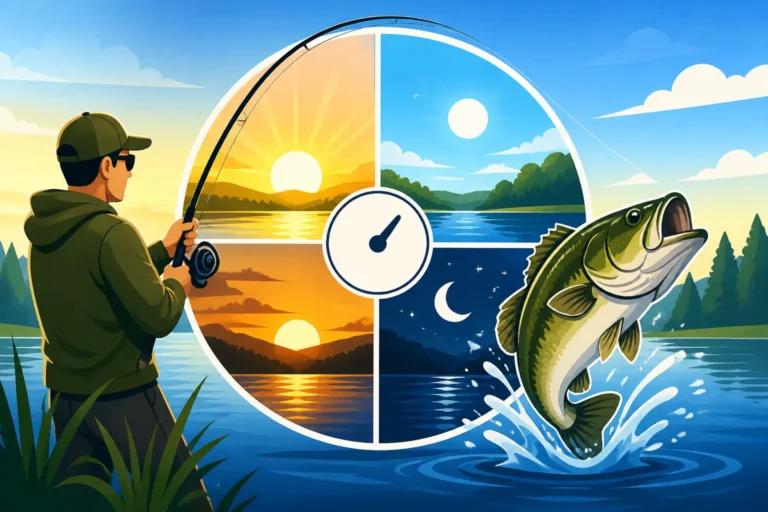
When the sun is high and the water is warm, the absolute best time to target walleye is during low-light periods. This means setting your alarm for a pre-dawn launch to get on the water just as the first hint of light appears, or planning an evening trip that extends well into the night. These are the times when walleye leave their deep, protected haunts to actively feed in shallower water or along the edges of deep structure. Think about fishing from 30 minutes before sunrise to an hour after, and then again from an hour before sunset until a few hours after dark. On cloudy, overcast days, these windows might extend slightly, but bright sun still tends to push them deep.
Focus your efforts on specific structures that offer a transition from deep to shallow water. Main lake points that extend into deep water, submerged humps, deep weed lines (especially the edges where green weeds meet open water), and rocky reefs are prime targets. Walleye will often stage on the deeper side of these structures during the day and move up onto them to feed in low light. For instance, if you're fishing one of the many lakes in Kosciusko County known for walleye, look for those subtle breaks and contours that baitfish would use for cover and where walleye can ambush.
Adjusting Bait, Lures, and Presentation
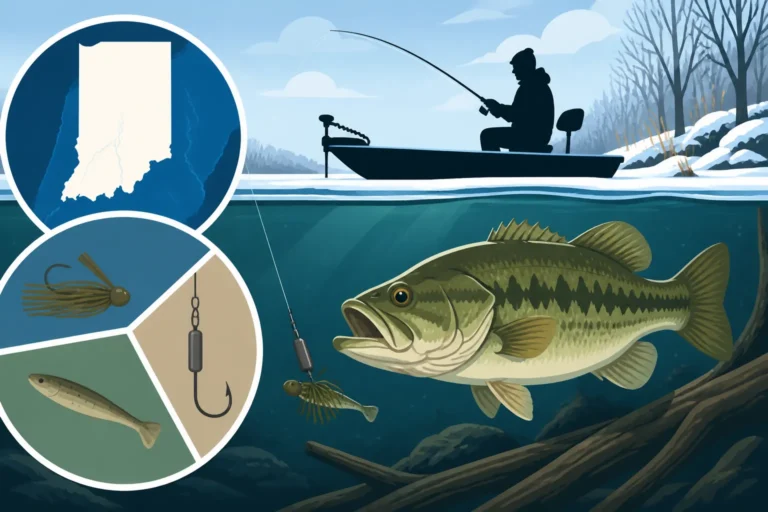
Your springtime tactics might need a serious overhaul for summer walleye. Aggressive, fast-moving presentations that worked earlier in the year often need to be scaled back. Consider smaller baits and more subtle presentations. Deep diving crankbaits in natural baitfish patterns or bright colors (depending on water clarity and forage) can be effective when trolled over deep humps or along contours, especially during low light. Brands like Rapala and Berkley offer excellent deep-diving options available on Amazon. For vertical jigging, jigging spoons or blade baits can be deadly when walleye are stacked on deep structure.
Live bait often shines in summer. A classic crawler harness trolled slowly or drifted along deep breaks can be irresistible. Nightcrawlers, leeches, and minnows (where legal) are excellent choices. When fishing live bait, don't be afraid to slow down your presentation. Sometimes, the most subtle movements are what trigger a bite from a lethargic walleye. Experiment with different colors and sizes too; what works one day might not the next. Remember that walleye identification often involves noticing their olive-gold color and white-tipped tail, which can help confirm you're on the right species as you adjust your gear.
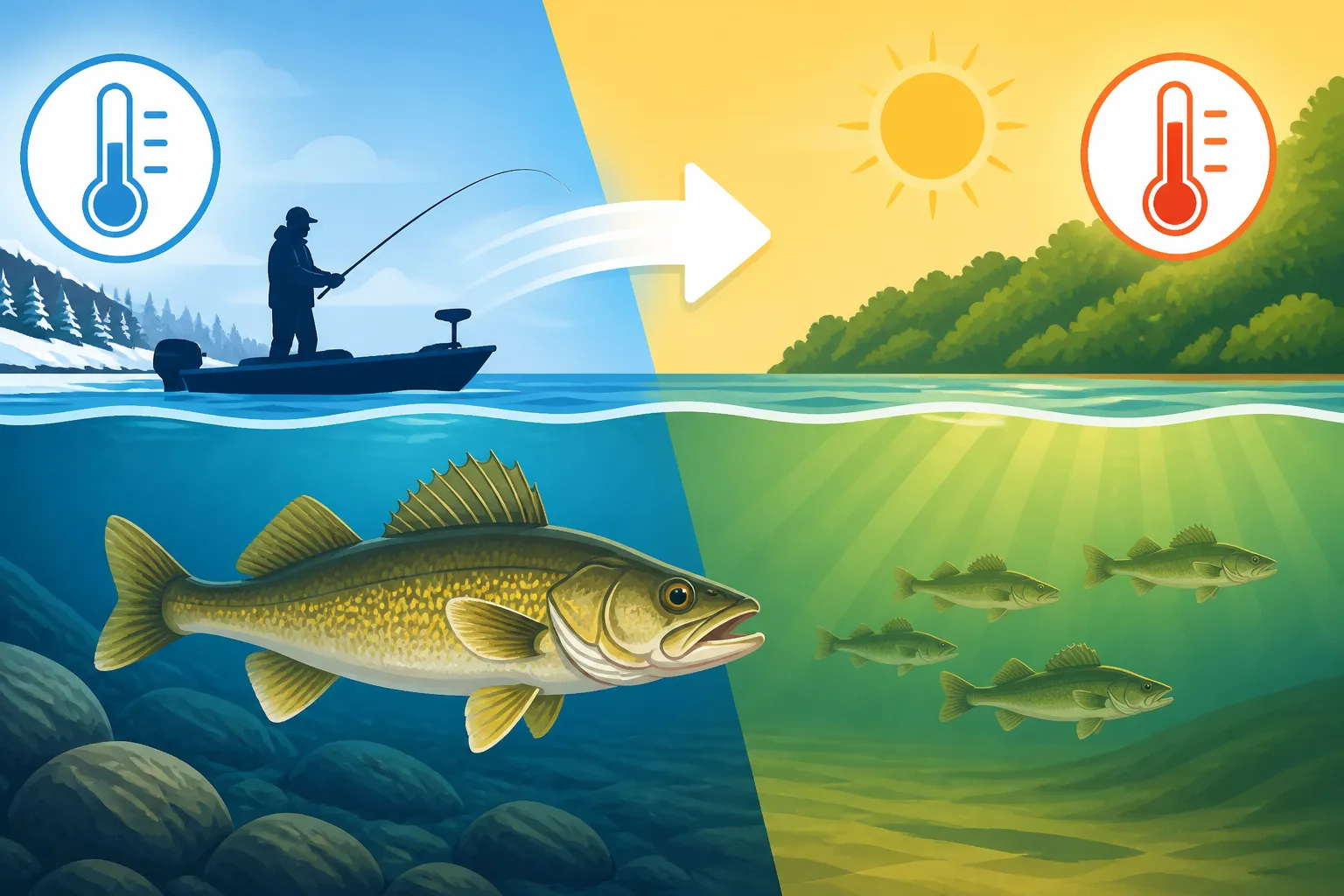
Here’s a quick overview of how walleye behavior and fishing strategies shift from cooler to warmer waters:
| Factor | Cooler Water (Spring/Early Summer) | Warmer Water (Mid-Summer) |
|---|---|---|
| Water Temp | 50s-60s°F | 70s°F+ (surface) |
| Metabolism | High, active feeding to recover from spawn | Higher, but less efficient; seek comfort, selective feeding |
| Location | Scattered, shallower areas, near spawning grounds | Concentrated in deep, cool water (below thermocline), dense cover |
| Light Sensitivity | Moderate, wider feeding windows | High, retreat from bright light |
| Bite Window | Longer, more consistent throughout the day | Shorter, precise; primarily dawn, dusk, night |
| Lure/Bait | Aggressive crankbaits, jigs, minnows, plastics | Subtle presentations, live bait (crawlers, leeches), deep-diving cranks, jigging spoons |
| Presentation | Faster retrieves, covering water | Slower, vertical jigging, precise trolling, drifting |
| Key Gear | Standard rods/reels | Fish finder, electronics, specialized deep-water gear |
The Importance of a Good Fish Finder and Patience
If there's one piece of equipment that becomes indispensable for summer walleye fishing in Indiana, it's a quality fish finder. Knowing the best water temperature for walleye fishing is one thing, but actually finding those temperature breaks, identifying the thermocline, and locating baitfish and walleye schooled up on deep structure is another. A modern fish finder with good down imaging and side imaging capabilities, like some of the Garmin or Humminbird models available on Amazon, can literally show you where the fish are hiding. Take the time to learn how to use it effectively; it's your eyes underwater. Understanding how to interpret sonar returns will dramatically increase your success rate, allowing you to focus on how to troll for walleye or how to jig for walleye at night directly over fish.
Finally, and perhaps most importantly, cultivate patience. Summer walleye fishing requires a different mindset than the spring run. You might spend more time searching and less time actively catching, but when you do hit that bite window, the action can be furious. Keep experimenting with your depth, speed, and presentation. Even on a tough day, that single trophy walleye caught after a persistent effort makes it all worthwhile. Remember, Indiana walleye fishing: a complete guide will always emphasize persistence and adaptability. Knowing the walleye minimum length north of State Road 26 is also key, so you know what to keep if you do land a good one. Don't forget, you can also check out our guide on the best time of day to catch walleye for even more specific timing strategies.
Disclaimer
Fishing regulations, license requirements, and local conditions can change. Always check the latest Indiana Department of Natural Resources (IDNR) rules and local advisories before heading out on the water. This guide is for informational purposes only and does not constitute legal advice.