Seasonal Bait and Lure Guide for Indiana Anglers
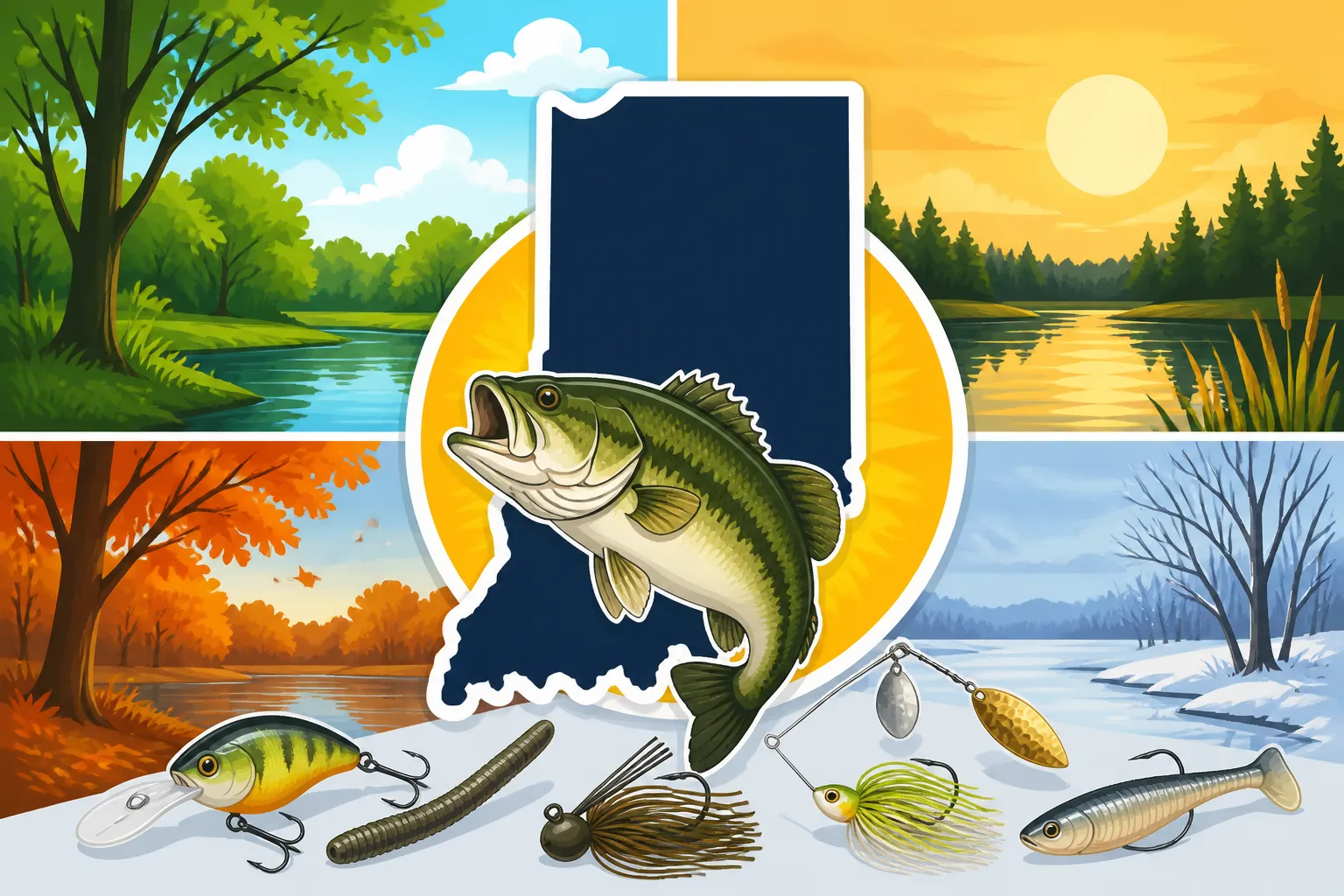
There's nothing quite as frustrating as heading out to your favorite Indiana fishing spot, brimming with optimism, only to come home empty-handed because your go-to bait just isn't cutting it. It's a common scenario, and it often stems from not understanding how fish behavior and feeding patterns shift dramatically with the changing seasons. This comprehensive guide will walk you through the seasonal dynamics of bait and lure selection in Indiana, helping you unlock more consistent success on the water, no matter what time of year it is.
The Spring Awakening: Choosing Baits as Waters Warm
Spring in Indiana is a time of immense change, both above and below the water. As the ice recedes and temperatures slowly climb, fish begin to shake off their winter lethargy and prepare for their annual spawn. Your bait and lure choices need to reflect this crucial transition, from sluggish cold-water presentations to more aggressive post-spawn pursuits.
Early Spring Cold Water Tactics Pre-Spawn
When the water temperatures are still hovering in the low 40s to low 50s, fish metabolism is slow. They aren't going to chase a fast-moving bait very far. Think about subtlety and slow presentations. This is prime time for baits that can be worked deliberately along the bottom or suspended in the water column for extended periods. Jigs with soft plastic trailers, especially those with some bulk and subtle movement, are fantastic. Look for darker colors like black, blue, or purple, especially on cloudy days or in stained water, as they provide a better silhouette.
Another excellent choice for this pre-spawn period is a jerkbait. These lures are designed to be retrieved with a "twitch, twitch, pause" action, and that pause is absolutely critical when the water is cold. A jerkbait like a Rapala Husky Jerk or a Lucky Craft Pointer can be suspended perfectly still for 5, 10, or even 15 seconds, often triggering a strike from an otherwise hesitant bass or walleye. This waiting game can feel excruciating, but it’s often what it takes to coax a bite. Remember, you're trying to appeal to a fish that's just waking up and isn't willing to expend a lot of energy.
Mid-Spring Spawning Aggression The Spawn
As water temperatures reach the mid-50s to low 60s, many of Indiana's prized species, like largemouth and smallmouth bass, begin their annual spawn. This is a fascinating period because fish behavior shifts from purely feeding to protecting their nests. While they might not be actively "feeding" in the traditional sense, they will aggressively strike anything perceived as a threat to their eggs or fry.
For bass, this means flipping and pitching jigs, creature baits, or Texas-rigged worms directly onto beds or into shallow cover where they are nesting. Bright white or chartreuse colors can sometimes provoke a territorial strike, making the lure highly visible. However, subtle, natural colors can also work if the fish are wary. Topwater lures like prop baits or buzzing frogs can also be incredibly effective during the spawn, as they create a commotion that bass can't ignore, often resulting in explosive strikes. Remember, during this time, fish are often shallow, so focus your efforts around protected coves, lily pad edges, and other typical spawning grounds. For specific guidance on bass behavior, you might find our guide on largemouth bass fishing in Indiana a valuable read.
Late Spring Post-Spawn Recovery Feeding
Once the spawn is over and the fish have recuperated, they enter a crucial post-spawn phase. Exhausted from spawning, their primary focus shifts back to feeding heavily to regain energy. Water temperatures are typically in the upper 60s, and fish are more active and willing to chase. This is when you can start picking up the pace of your retrieve and experimenting with a wider variety of lures.
Crankbaits, especially those that dive to different depths, become highly effective. Shallow-diving crankbaits are great for targeting fish that are still lingering near shorelines or moving into slightly deeper flats. Medium and deep-diving crankbaits will help you reach those fish that have moved off the spawning beds and are holding on points or submerged structures. Spinnerbaits, with their flash and vibration, are also excellent for covering water quickly and locating active fish. Don't forget about soft plastics like Senkos or finesse worms, which can be wacky-rigged or Texas-rigged and slowly worked through cover for those still-recovering, but hungry, fish. This is a great time to experiment with different presentations as fish begin to scatter and adopt summer patterns.
Summer's Heat: Adapting Your Lures for Deeper Waters and Low Light
Indiana summers bring higher temperatures, which significantly impact where fish hold and when they're most active. As the shallow waters warm up, many species retreat to deeper, cooler areas, and their peak activity often shifts to dawn, dusk, or even night.
Early Summer Transitions and Schooling
As summer officially begins, waters are warm, and fish are generally quite active. The post-spawn recovery is complete, and many species are now in full-on feeding mode. However, the consistent warmth starts to push some fish out of the very shallowest areas, especially during the brightest parts of the day. They'll often move to slightly deeper humps, points, and weed lines.
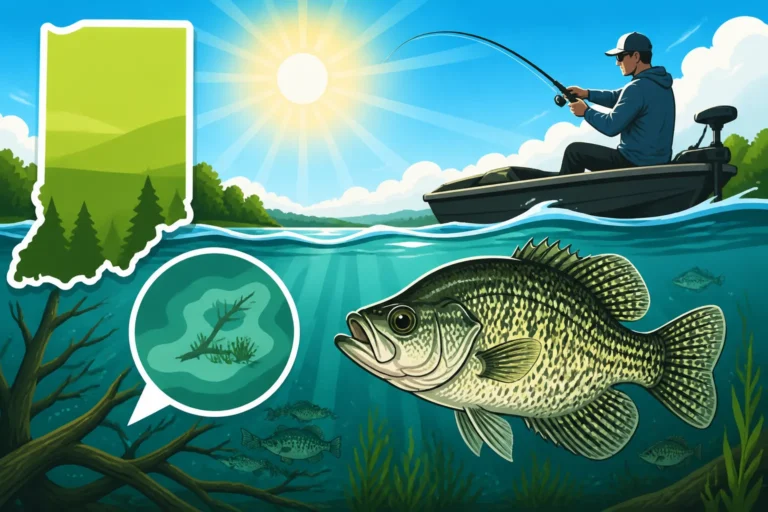
Topwater action can be incredible during the early morning and late evening. Poppers, walking baits, and frogs are fantastic choices to entice explosive strikes from bass hiding in cover or cruising the shallows before the sun gets too high. Throughout the day, fish will often school up, particularly species like crappie, walleye, and hybrid stripers. For these schooling fish, jigs (like a VMC Neon Moon Eye jig) tipped with live bait or a small soft plastic, crankbaits, or even vertical jigging spoons can be deadly once you locate the school using your fish finder. Look for brush piles, submerged timber, or ledges where fish congregate. Our guide on Indiana’s best lakes for fishing offers more detailed insights into locating schooling fish in specific Indiana lakes.
Mid-Summer Deep Water and Nocturnal Bites
When the dog days of summer hit, and water temperatures are at their highest, finding fish can be a real challenge. The surface water might be too warm and oxygen-depleted for many species, pushing them deeper into the cooler, more oxygen-rich water below the thermocline. This is a layer in the lake where the water temperature changes rapidly. Knowing the depth of the thermocline can be crucial for finding fish.
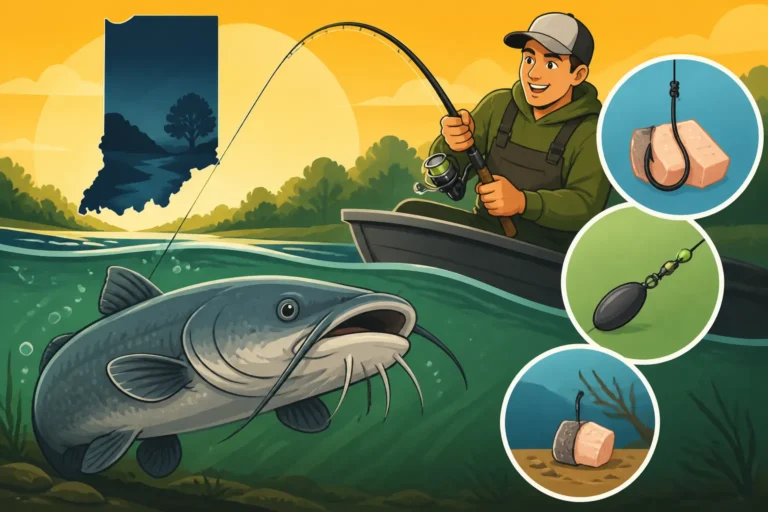
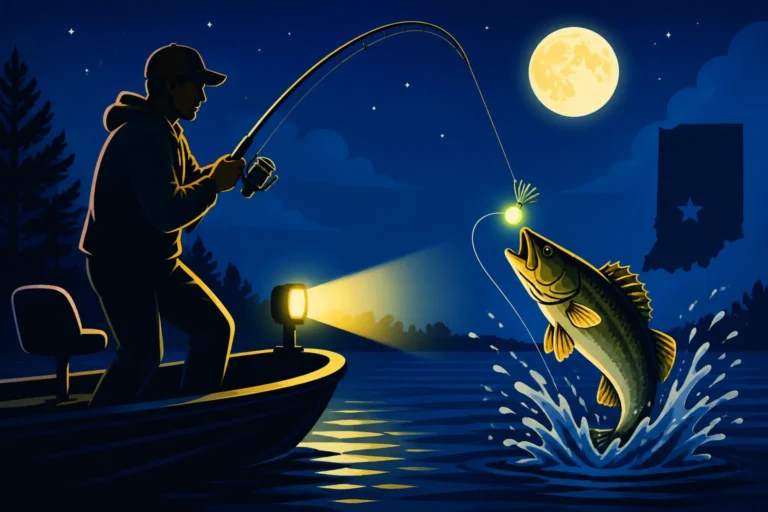
Deep-diving crankbaits, Carolina rigs, and drop shot rigs become indispensable tools for targeting fish holding in these deeper zones. Look for steep drops, offshore humps, and submerged creek channels. These are structure magnets for fish seeking refuge from the heat. For species like walleye, night fishing can be incredibly productive, as they move shallower to feed under the cover of darkness. Stickbaits, jigs, or even slow-trolled crawler harnesses are excellent choices for nighttime walleye. Catfish, too, become very active at night, and stink baits, cut bait, or live bait fished on the bottom are perfect for them. If you're looking for prime locations for after-dark angling, our post on night fishing spots on Indiana’s quiet lakes has some fantastic suggestions.
Late Summer Sustained Patterns
As summer draws to a close, the patterns from mid-summer generally hold steady, but fish might start to show subtle shifts in preparation for the coming fall. The evenings grow a little longer, and while the days are still hot, there's a hint of cooling in the air. This often means fish continue to seek deep water during the day but might spend slightly more time in shallower feeding zones during low-light periods.
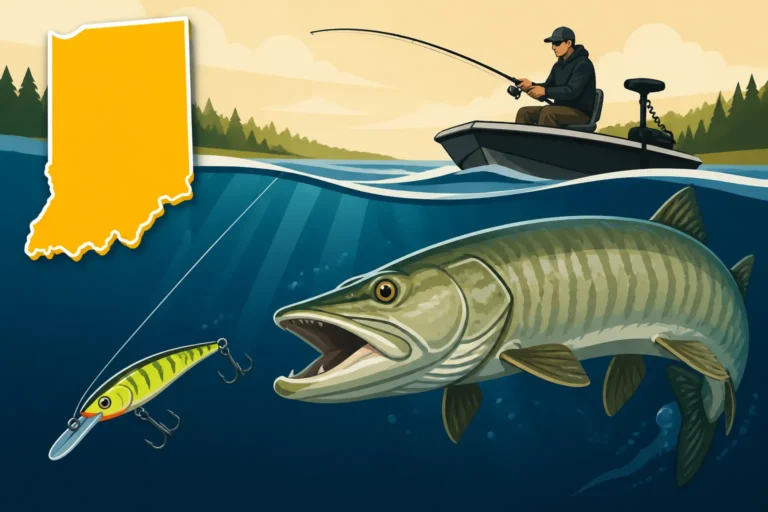
Continue to employ your deep-water tactics: heavy jigs, large soft plastics, and deep-diving crankbaits are still highly effective for bass, walleye, and crappie holding on structure. Pay close attention to current areas in rivers or reservoir tailwaters, as these spots often concentrate baitfish and, consequently, predatory fish. Early morning and late evening topwater bites for bass can actually become more consistent as the days shorten, and the fish sense the impending seasonal change. Buzzbaits, hollow-bodied frogs, and larger walking baits are excellent for working over weed beds and shallow cover. For anglers chasing bigger game, large swimbaits can be great for targeting muskie and pike during these warmer months, especially around prime ambush points.
Fall Frenzy: Capitalizing on the Pre-Winter Feed
Fall is arguably one of the best times to fish in Indiana. As water temperatures begin to drop, many fish species enter a "feeding frenzy," actively trying to fatten up before the long winter. This translates to aggressive bites and some truly memorable days on the water.
Early Fall Feeding Binges
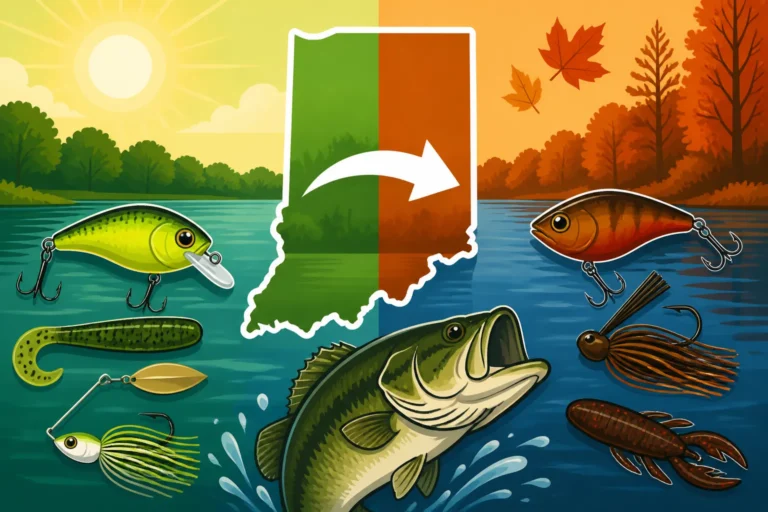
When the water temperatures are in the 60s and dropping, fish become incredibly active. They're chasing baitfish, gorging themselves, and often easier to locate. This is a time when you can often get away with faster retrieves and more aggressive presentations. Crankbaits, especially those resembling shad or other local baitfish, are highly effective for covering water and triggering strikes from bass, walleye, and crappie. Spinnerbaits and chatterbaits also shine during this period, providing both flash and vibration that fish can't resist.
Look for areas where baitfish are congregating—shallow flats adjacent to deep water, points, and channel swings. Birds diving or baitfish flickering on the surface are clear indicators that predators are nearby. For bass, jerkbaits become increasingly effective again as the water cools, offering that irresistible suspend-and-twitch action. Don't overlook topwater in the early mornings, especially on calm days, as bass will still ambush unsuspecting prey on the surface.
Mid-Fall Migrations and Cooler Water
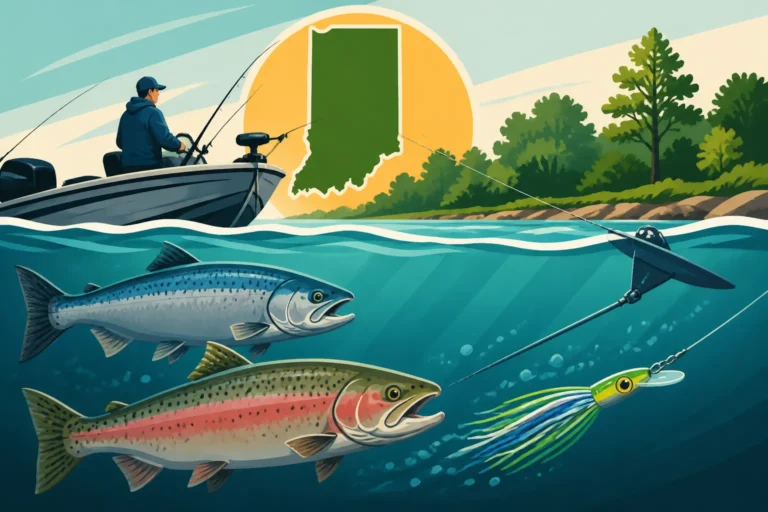
As water temperatures continue to drop into the 50s and low 60s, a major event for some Indiana anglers kicks off: the salmon and steelhead runs on Lake Michigan tributaries. These powerful fish migrate from the big lake into rivers like the St. Joseph River in northern Indiana, offering incredible fishing opportunities. For these migratory fish, a variety of presentations work. Spoons, spinners, egg patterns, and skein (salmon eggs) are classic choices. Drifting natural baits under a float is incredibly effective, as is casting and retrieving brightly colored spoons or spinners. If you're new to this fishery, our guide on the Lake Michigan salmon and steelhead run provides an excellent starting point.
For inland lakes, fish start to move away from the shallowest cover and gravitate towards deeper breaks, rock piles, and submerged timber. Jigs and soft plastics become more important again, especially as fish start to relate more closely to structure. Crappie will often stack up in large schools around brush piles or bridge pilings in deeper water, making vertical jigging or slow-trolling minnows very productive. Walleye will often be found on main lake points or humps, and stickbaits or crankbaits trolled over these areas can produce big fish.
Late Fall Slow Down Before Freeze-Up
As fall transitions into late fall, and water temperatures dip into the 40s, fish activity begins to slow considerably. They are still feeding, but not with the same urgency as earlier in the season. Your presentations need to slow down again, mimicking the cold-water tactics of early spring. This is the time for patience and finesse.
Jigs, especially small ones tipped with soft plastics or live minnows, are excellent for probing deep structure. Blade baits and jigging spoons can also be very effective for fish holding tight to the bottom in deeper water, providing a lot of flash and vibration with minimal movement. For bass, slowly retrieved crankbaits or even large swimbaits worked painstakingly slowly can tempt a cold-water bite from a trophy fish. Target main lake points, channel edges, and deep banks. Focus your efforts during the warmest parts of the day when fish might be slightly more active. This pre-winter window can still yield some fantastic catches if you're willing to brave the chill and adjust your approach.
Winter Wonders: Mastering the Cold-Water Bite
Winter fishing in Indiana might seem daunting, but it offers some unique opportunities for anglers willing to embrace the cold. Whether you're on the ice or fishing open water during a mild spell, understanding fish behavior in cold water is paramount.
Ice Fishing Specifics
When the lakes freeze over and safe ice forms, a whole new world of fishing opens up. Ice fishing requires specialized gear and techniques, but it can be incredibly rewarding. Small jigs, often tipped with live bait like wax worms, spikes, or minnows, are the bread and butter of ice fishing. These tiny presentations are irresistible to panfish like bluegill, crappie, and perch, which often school up in large numbers under the ice. Popular brands like Clam and VMC offer excellent choices that you can find readily on Amazon.
For larger species like walleye or northern pike, slightly larger jigging spoons, blade baits, or even tip-ups rigged with live bait (minnows or shiners) are preferred. Walleye will often cruise along structure like breaks and humps, while pike might hang near weed lines. Portable shelters, augers, and proper cold-weather clothing are essential for a comfortable and successful ice fishing trip. Always check ice conditions before venturing out; safety is paramount.
Open Water Winter Tactics
Even in winter, some Indiana lakes and rivers remain open, especially in the southern parts of the state or larger, deeper bodies of water that are slower to freeze. During these periods, fish metabolism is at its absolute slowest, meaning you need to present baits as slowly and deliberately as possible.
Jigs with soft plastic trailers, often scented, are your best friend. Work them painstakingly slowly along the bottom, pausing frequently. Blade baits and jigging spoons can also be effective when vertically jigged in deep water, as their flash can still attract sluggish fish. Deep-diving crankbaits that can be slowly crawled along the bottom or yo-yo'd can also tempt a cold-water strike. Target deep points, submerged humps, and channel swings. Look for areas with a slightly darker bottom or protected from strong winds, as these spots can sometimes be a few degrees warmer and hold more active fish. Patience is not just a virtue in winter fishing; it's a necessity.
The Science Behind the Selection: Understanding Fish Behavior
While the seasons provide a general framework, the true drivers behind fish behavior are often more specific, such as water temperature, clarity, and the available forage. Understanding these factors will allow you to fine-tune your bait and lure selections for maximum success.
Water Temperature as the Ultimate Guide
Water temperature is, without a doubt, the most critical factor influencing fish activity and where they hold. Every fish species has an optimal temperature range for feeding, spawning, and general activity. As a general rule, cold-blooded fish are slower and less active in cold water and more active in warm water, up to a certain point.
- Cold Water (Below 50°F): Fish are sluggish. Focus on slow presentations, smaller baits, and subtle movements. Think jigs, suspended jerkbaits, and finesse techniques. Fish often hug the bottom or deep structure.
- Cool Water (50-65°F): This is the sweet spot for many species, especially during spring and fall. Fish are active and feeding aggressively. A wide range of baits, from crankbaits and spinnerbaits to jigs and soft plastics, can be effective.
- Warm Water (65-80°F): Fish are very active but may seek cooler, deeper water during the hottest parts of the day. Early morning, late evening, and night fishing often become prime times. Faster retrieves and topwater presentations are effective during low light, while deep-diving lures target fish holding in the thermocline.
- Hot Water (Above 80°F): Fish become stressed. Activity slows significantly, and they often seek the deepest, coolest, and most oxygenated water available. Fishing during these periods can be challenging, and it's often best to scale down bait size and slow your retrieve.
Having a good thermometer on your boat or even a handheld one for bank fishing is invaluable. Knowing the exact water temperature will instantly inform your bait and lure choices. To learn more about how crucial this factor is, explore our post on how water temperature affects fish activity.
Matching the Forage Base
"Matching the hatch" isn't just for fly fishermen; it's a fundamental principle for all types of angling. Fish are opportunistic, but they also develop preferences for the most abundant and easiest-to-catch prey in their environment. Your lures should mimic these natural food sources in size, shape, color, and action.
- Shad/Alewives: Many Indiana lakes, especially reservoirs like Monroe Lake and Patoka Lake, have abundant populations of gizzard shad or alewives. When these baitfish are present, lures that mimic their silvery, schooling profile are excellent. Chrome or white crankbaits, spinnerbaits with silver blades, and soft plastics in pearl or smoke colors are often highly effective.
- Crawfish: Crawfish are a staple for many predatory fish, particularly bass, walleye, and catfish. Lures that imitate crawfish—jigs with bulky trailers, creature baits, and even some crankbaits—in colors like brown, green pumpkin, or reddish hues can be deadly, especially when fished along rocky bottoms or riprap.
- Perch/Bluegill: In lakes where yellow perch or bluegill are common forage, lures that mimic their panfish profile can be highly effective. Swimbait imitations, lipless crankbaits, or even larger jigging spoons in perch or bluegill patterns can attract aggressive strikes.
- Minnows/Shiners: Many smaller baitfish fall into this category. Small crankbaits, jerkbaits, and soft plastic swimbaits in natural colors are excellent for imitating these common forage species.
A quick check of a fish's stomach contents after a catch can provide invaluable clues about what they've been eating, allowing you to quickly adjust your lure selection. This direct feedback loop is often your best guide.
Water Clarity and Lure Choice
The clarity of the water you're fishing plays a significant role in how fish perceive your lure. Clear water demands different approaches than muddy or stained water.
- Clear Water: In very clear lakes or rivers, fish rely heavily on their eyesight. This means your lures need to be as realistic as possible. Natural colors (green pumpkin, watermelon, browns, natural baitfish patterns), subtle actions, and less flash are often more effective. Finesse techniques, lighter lines, and longer casts to avoid spooking fish are crucial. Look for lures with very realistic details, like those you can find from brands like Z-Man or Yamamoto on Amazon.
- Stained/Lightly Muddy Water: This is often the sweet spot for many fishing situations. Fish can still see, but the slight murkiness provides them with a sense of security, making them less wary. Contrast becomes important here. Chartreuse, orange, and brighter colors can stand out better. Lures with more vibration (chatterbaits, spinnerbaits with large thumping blades) can also help fish locate your bait.
- Muddy/Turbid Water: In very muddy or turbid water, visual cues are largely ineffective. Fish rely almost entirely on their lateral line (sense of vibration) and scent. Loud, high-vibration lures are essential. Dark colors like black or blue provide a strong silhouette against the murky water, making them easier for fish to detect. Scented baits, like PowerBait or Gulp!, or live baits are also extremely effective in these conditions. Rattle traps, large bladed spinnerbaits, and heavy jigs are good choices.
Always keep a variety of colors and lure types in your tackle box to adapt to changing water conditions, which can sometimes even vary from one end of a lake to the other after a rainstorm.
Essential Gear Considerations for Seasonal Success
Having the right baits and lures is only half the battle. Your rod, reel, line, and even how you organize your tackle can significantly impact your ability to present those lures effectively and land fish in varying seasonal conditions.
Rod, Reel, and Line Adaptations
Different techniques and lure weights demand different rod and reel setups. Attempting to throw a tiny finesse jig on a heavy muskie rod or trying to winch in a salmon with an ultralight setup is a recipe for frustration, if not disaster.
- Light Tackle for Finesse (Cold Water/Clear Water): For early spring finesse techniques or clear summer waters, a light to medium-light spinning rod (6'6" to 7'0") paired with a 1000-2500 size spinning reel and 6-10 lb fluorocarbon or braided line with a fluorocarbon leader is ideal. This allows for sensitive feel and long, accurate casts with lighter baits.
- Medium Tackle for Versatility (All Seasons): A medium or medium-heavy casting or spinning rod (6'8" to 7'3") with a versatile baitcasting reel (6.4:1 to 7.1:1 gear ratio) or a 3000-4000 size spinning reel is your workhorse. Spool it with 10-17 lb fluorocarbon or 20-30 lb braided line with a fluorocarbon leader. This setup handles most jigs, spinnerbaits, crankbaits, and soft plastics, making it suitable for a wide range of seasonal applications. Many anglers find a good quality medium-heavy rod and reel combo on Amazon to be a solid investment for all-around use.
- Heavy Tackle for Power (Warm Water/Heavy Cover/Big Fish): For muskie, pike, or heavy cover punching in summer, you'll need a heavy or extra-heavy casting rod (7'6" to 8'6") with a powerful baitcasting reel (low gear ratio for big lures, high gear ratio for quickly working fish out of cover). Use 50-80 lb braided line. This setup provides the backbone needed to cast large, heavy lures and control powerful fish.
- Specialized Tackle (Salmon/Steelhead): For Lake Michigan tributaries, longer rods (8'6" to 10'6") designed for float fishing or drift fishing are common. These rods absorb the shock of hard-fighting salmon and steelhead and help manage line in current. Matching them with appropriate reels and 10-20 lb monofilament or fluorocarbon main line, often with lighter leaders, is key.
Having a few different rod and reel combos ready for the season you're fishing will greatly enhance your success and enjoyment on the water.
Tackle Box Organization for Seasonal Swaps
A well-organized tackle box is more than just neat; it's a strategic advantage. Imagine wasting precious fishing time digging through a cluttered mess when the bite is hot. Efficient organization allows for quick adjustments to changing conditions.
Consider using modular tackle boxes or storage systems that allow you to separate lures by type, size, and most importantly, by season or target species. For example, have a tray dedicated to your early spring finesse jigs, another for summer topwaters, and perhaps a separate box altogether for your Lake Michigan salmon and steelhead gear. Labels are your friend!
Seasonal swaps become much easier when you can simply pull out a "Spring Bass" tray and swap it for a "Summer Walleye" tray. This also helps you quickly assess what you might need to restock before your next trip. Brands like Plano and Bass Pro Shops offer a huge variety of tackle storage solutions that can be easily found and ordered. It saves time on the water and ensures you always have the right tool for the job. Our detailed guide on tackle box setup by species can provide more excellent tips on keeping your gear in order.
Planning Your Indiana Fishing Adventures
Beyond just baits and lures, understanding how to plan your trips around the calendar and leverage available resources can make a huge difference in your success rate.
Leveraging Technology for Seasonal Insights
In today's world, you have a wealth of information at your fingertips that can help you plan your fishing trips strategically. Modern fish finders often include built-in GPS and mapping capabilities, allowing you to mark productive spots and analyze underwater contours. Many models, especially those from Humminbird or Garmin, will even display water temperature, thermocline depth, and identify baitfish schools.
Beyond onboard electronics, weather apps can give you real-time conditions, including wind speed and direction, which greatly impact fish behavior and your ability to present certain lures. Online forums and social media groups dedicated to Indiana fishing are fantastic resources for current bite reports and local insights on what's working where. Many anglers are happy to share general patterns, even if they don't give away their secret spots. Just remember to take everything with a grain of salt and adapt the advice to your own observations.
Free Fishing Days and Special Seasons
Indiana offers several Free Fishing Days throughout the year, which are fantastic opportunities for new anglers or families to try fishing without needing to purchase a license. These days are strategically placed in May, June, and September to coincide with generally good fishing conditions. Even experienced anglers can use these days to explore new waters or introduce friends and family to the sport. While you don't need a license on these days, all other fishing regulations, including bag limits and length limits, still apply. Our guide to Indiana Free Fishing Days provides all the details you need to plan your trips around these special dates.
Additionally, certain species in Indiana have specific seasons or regulations that might influence your tackle choices. For instance, the salmon and steelhead runs in the fall are very specific events requiring particular approaches. Knowing the various species you might target and their optimal season, as outlined in our month-by-month Indiana fishing seasons guide, will help you prepare the most effective arsenal of baits and lures. Always check the current Indiana Fishing Guide from the DNR for the most up-to-date regulations.
Seasonal Bait and Lure Overview Table
Here's a quick reference table summarizing common bait and lure recommendations by season for popular Indiana species. Remember, these are general guidelines, and local conditions will always dictate the best approach!
| Season | Target Species | Lure/Bait Type | Key Characteristics/Notes |
|---|---|---|---|
| Spring | Bass, Walleye, Crappie | Jigs, Jerkbaits, Spinnerbaits, Wacky Worms | Slow retrieves in early spring, aggressive presentations during spawn, then faster post-spawn. |
| (Early) | Bass, Walleye | Jigs (dark colors), Suspended Jerkbaits | Slow, deliberate presentations near bottom; long pauses. |
| (Mid-Spawn) | Bass, Crappie | Jigs, Creature Baits, Topwater Frogs | Flipping/pitching for territorial strikes; aggressive topwater. |
| (Late) | Bass, Walleye, Crappie | Crankbaits (shallow/medium), Spinnerbaits | Cover water, match baitfish; active feeding. |
| Summer | Bass, Walleye, Catfish, Panfish | Topwater, Deep Crankbaits, Jigs, Cut Bait | Early/late topwater; deep presentations mid-day; night fishing for cats. |
| (Early) | Bass, Crappie, Walleye | Topwater (dawn/dusk), Lipless Crankbaits | Schooling fish, active feeding. |
| (Mid) | Bass, Walleye, Stripers, Catfish | Deep-diving Crankbaits, Carolina Rigs, Cut Bait | Target thermocline and deep structure; nocturnal bites. |
| (Late) | Bass, Walleye, Catfish | Deep Jigs, Large Soft Plastics, Live Bait | Similar to mid-summer, subtle shifts towards fall patterns. |
| Fall | Bass, Walleye, Salmon, Steelhead | Crankbaits, Jerkbaits, Spoons, Jigs | Aggressive feeding frenzy; migratory runs on Lake Michigan tributaries. |
| (Early) | Bass, Walleye, Crappie | Crankbaits (shad/perch), Spinnerbaits, Jerkbaits | High activity, chasing baitfish; cover water quickly. |
| (Mid) | Salmon, Steelhead, Bass, Walleye | Spoons, Egg Patterns, Jigs, Stickbaits | Focus on Lake Michigan tributaries; fish moving to deeper structure inland. |
| (Late) | Bass, Walleye, Panfish | Jigs (slow), Blade Baits, Jigging Spoons | Slow presentations in deep water; fish gathering for winter. |
| Winter | Panfish, Walleye, Pike | Small Jigs, Minnows, Jigging Spoons | Ice fishing tactics; slow and subtle for open water. |
| (Ice Fishing) | Panfish, Walleye, Pike | Tiny Jigs (wax worms), Tip-ups (minnows) | Vertical presentations, active holes, safety first on ice. |
| (Open Water) | Bass, Walleye, Catfish | Scented Jigs, Blade Baits, Slow Crankbaits | Extremely slow retrieves, target deepest structure, warmest parts of day. |
Always remember that fishing is an art as much as a science. While these guidelines will give you a strong foundation, the most successful anglers are those who constantly observe, experiment, and adapt to the ever-changing conditions on the water.
Disclaimer
The information provided in this guide is for general informational purposes only and does not constitute professional advice. Fishing regulations, seasons, and licensing requirements can change. Always consult the official Indiana Department of Natural Resources (DNR) website or the current Indiana Fishing Guide for the most up-to-date and accurate information before planning any fishing trip. Adherence to all local, state, and federal laws and regulations is the responsibility of the angler. Fishing carries inherent risks; always prioritize safety on and around the water.