Bass Fishing Techniques for Beginners
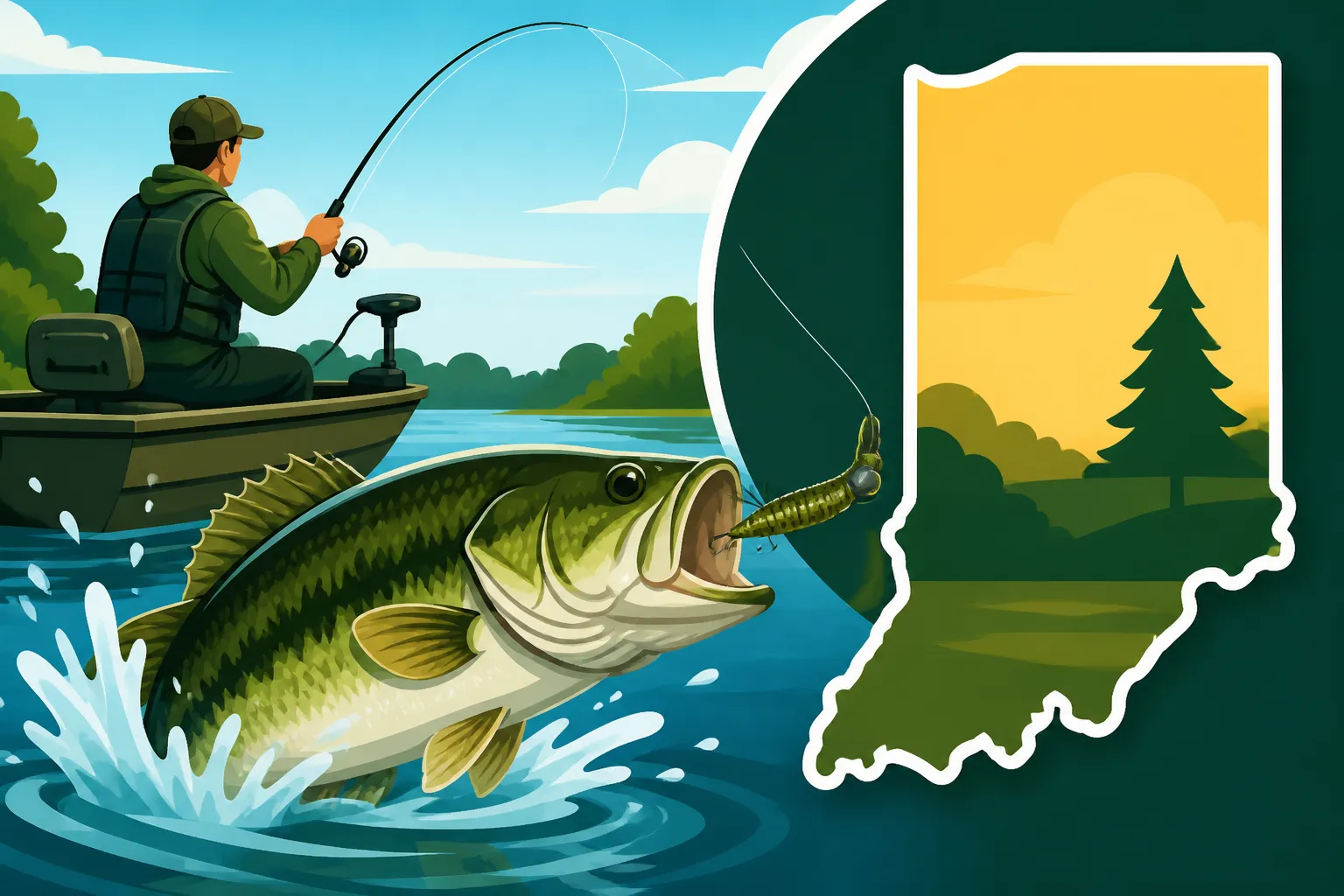
Stepping into the world of bass fishing can feel like trying to solve a complicated puzzle, especially when you're just starting out. With so many lures, techniques, and conflicting advice out there, it's easy to get overwhelmed and feel like you're doing something wrong. This comprehensive guide is designed to cut through the confusion, offering clear, actionable bass fishing techniques for beginners in Indiana, so you can confidently cast your line and enjoy the thrill of a solid hook-up.
Understanding Indiana Bass: What You're Up Against
Before you can catch 'em, you've got to know 'em! Indiana is home to two primary species of bass that anglers love to chase: largemouth and smallmouth. While they share the "bass" name, their preferences for habitat, food, and fighting style can be quite different. Knowing these distinctions is your first step to becoming a more successful angler.
Largemouth Bass: The Hoosier State's Favorite Fighter
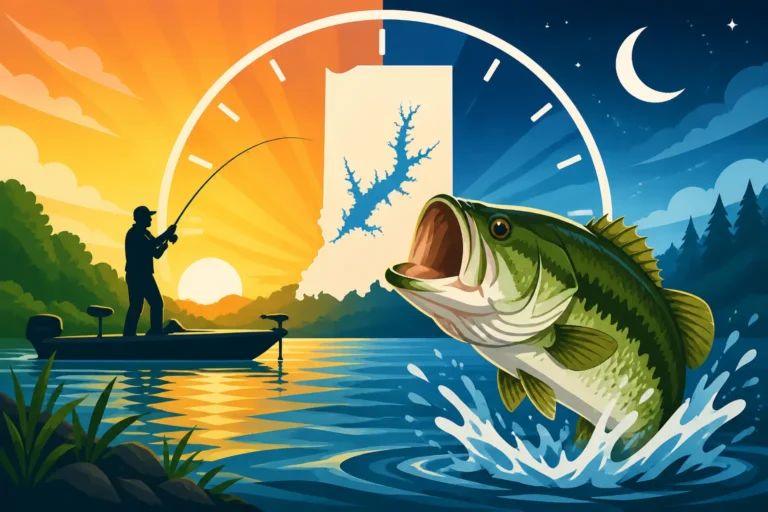
Ah, the largemouth bass – the iconic green fish that graces countless magazine covers and fuels weekend tournaments across Indiana. These aggressive predators are the most common and widely distributed bass species in our state, thriving in a variety of environments. You'll typically find largemouth in warmer, murkier waters, particularly in lakes, ponds, and slow-moving rivers. Think about places like Monroe Lake or Patoka Lake; these are prime largemouth territories.
What makes them so appealing to beginners is their willingness to strike a wide array of lures, often with a dramatic splash. They love to ambush prey from cover, so you'll often find them lurking around submerged timber, lily pads, boat docks, and weed beds. Their mouths are, as the name suggests, quite large, allowing them to engulf surprisingly big baits. When you hook a largemouth, be prepared for powerful head shakes and explosive jumps—they really put up a fight! Understanding their love for cover and their opportunistic feeding habits is key to getting your first bite. For a deeper dive, check out our Largemouth Bass Fishing in Indiana: The Complete Guide.
Smallmouth Bass: River and Rock Dwellers
While largemouth might be the celebrity, smallmouth bass are the unsung heroes of many Indiana waterways, particularly in cooler, clearer, and rockier environments. These bronze beauties are often found in the faster currents of rivers like the Tippecanoe River or St. Joseph River, and in the deeper, rock-laden glacial lakes of northern Indiana. They prefer hard bottoms – gravel, rock, and sand – and clear water, often shying away from dense vegetation that largemouth favor.
Smallmouth bass are known for their incredibly tenacious fights, often described as "bronzebacks" for their impressive strength and stamina, pulling hard and making long runs. They might not jump as much as largemouth, but their drag-screaming battles are legendary. For a beginner, targeting smallmouth can be a bit more challenging due to their preference for clearer water and often more subtle bites. However, once you learn their haunts and preferred forage, they can be incredibly rewarding. Look for them around current breaks, rocky points, deep humps, and submerged rock piles.
Key Bass Behaviors and Habitats
No matter which bass species you're after, understanding their basic behaviors will drastically improve your success. Bass are cold-blooded, which means their activity levels are heavily influenced by water temperature. They're most active and feed aggressively when the water is within their comfort zone, generally between 55-75 degrees Fahrenheit. Outside of this range, they become more lethargic, requiring slower presentations.
Bass are also highly attuned to changes in light and weather. Overcast days or low-light conditions (dawn and dusk) often trigger more aggressive feeding sprees, as the diminished light helps them ambush prey more effectively. They are predatory fish, constantly seeking food, and they rely heavily on their lateral line to detect vibrations in the water, which helps them locate prey even in murky conditions. Understanding how to find bass in different environments and how their behaviors change with the seasons is critical. For example, knowing the Indiana Bass Spawn Timing and Pre-Spawn Patterns can give you a significant advantage in spring. Look for areas with a combination of cover (like weeds, fallen trees, or docks) and structure (like drop-offs, humps, or points) where baitfish might congregate.
Essential Gear for Beginner Bass Anglers
One of the biggest hurdles for new anglers is navigating the sheer volume of fishing gear available. It's easy to think you need the most expensive, specialized equipment to catch fish, but that's simply not true. For bass fishing, especially as a beginner, focusing on versatile, reliable, and reasonably priced gear will get you on the water and catching fish faster. Think about getting a good foundational setup rather than a tackle box overflowing with gadgets.
Choosing Your First Rod and Reel Combo
For a beginner, a spinning rod and reel combo is usually the most forgiving and versatile choice. Baitcasting setups, while powerful, have a steeper learning curve due to the dreaded "bird's nest" backlash. A medium-action spinning rod, around 6'6" to 7' long, paired with a 2500-3000 series spinning reel, is a fantastic all-around option for bass in Indiana. This setup provides enough sensitivity to feel lighter bites, enough backbone to cast a variety of lures, and enough power to fight most largemouth and smallmouth you'll encounter.
When selecting your rod, pay attention to its "action" and "power."
- Action refers to where the rod bends. A "fast" action bends mostly at the tip, offering sensitivity and quick hook-sets. A "medium" action bends more in the middle, providing a good balance of sensitivity and forgiveness.
- Power refers to the rod's stiffness or lifting strength (e.g., ultralight, medium-light, medium, medium-heavy). For bass, a "medium" power rod is ideal for a beginner.
For the reel, a good quality spinning reel from brands like Daiwa, Shimano, or Penn (you can often find great entry-level options on Amazon) will serve you well. Look for smooth drag, a comfortable retrieve, and a decent line capacity. This combo will allow you to cast a wide range of lures, from light soft plastics to heavier crankbaits, making it perfect for exploring different techniques. Our guide on Best Fishing Rods and Reels for Freshwater Fishing offers even more detailed advice.
The Right Fishing Line for Bass
Just as important as your rod and reel is the line you spool them with. For beginners targeting bass, monofilament (mono) or fluorocarbon lines are excellent choices, each with its own advantages.
- Monofilament line is a classic for a reason. It's relatively inexpensive, easy to tie knots with, and has a good amount of stretch, which can be forgiving when fighting a hard-pulling bass. Its floating nature also makes it great for topwater lures. For bass, a 8-12 pound test monofilament is a solid all-around choice.
- Fluorocarbon line is virtually invisible underwater, making it a great choice in clear water conditions or when fish are finicky. It has less stretch than mono, offering increased sensitivity, and it sinks, which can be beneficial for getting baits deeper. The downside is it's usually more expensive and can be a bit more challenging to tie knots with. A 10-15 pound test fluorocarbon would be a good starting point.
Avoid braided line initially, as it has no stretch and can be very unforgiving for a beginner, leading to pulled hooks or broken lines. However, some anglers swear by it for its strength and sensitivity once they get more experienced. For now, stick with mono or fluorocarbon. Regularly check your line for nicks and abrasions, especially after fishing around cover, as a damaged line is a recipe for a lost fish.
Tackle Box Essentials
You don't need a massive, overflowing tackle box to start catching bass. Focus on a few proven lures and essential accessories. Here's a quick rundown of what a beginner's bass tackle box should contain:
| Item Type | Examples | Purpose | Beginner Tip |
|---|---|---|---|
| Soft Plastics | Senkos, worms, creature baits, flukes | Mimic natural prey, versatile, effective in various conditions | Start with green pumpkin or black/blue for universal appeal |
| Jigs | Skirted jigs, finesse jigs | Mimic crawfish or baitfish, effective around cover | Use a weedless jig for fishing in weeds or wood |
| Crankbaits | Squarebills, lipless crankbaits, medium divers | Cover water, mimic baitfish, trigger reaction strikes | Bright colors for murky water, natural for clear water |
| Spinnerbaits | Single or double blade | Great search bait, effective in windy conditions, through cover | White, chartreuse, or combinations are good starting points |
| Hooks | Worm hooks (EWG), jig heads | To rig soft plastics and jigs | Have various sizes to match your lures |
| Weights | Bullet weights (tungsten or lead) | To get soft plastics to the desired depth and maintain contact | Match weight to lure size and desired sink rate |
| Terminal Tackle | Swivels, snaps, bobbers (optional) | Connect lines/lures, prevent line twist | Keep it simple; avoid too many connections |
| Tools | Pliers, line clippers, measuring tape | Essential for hook removal, cutting line, measuring fish | A multi-tool with pliers and cutters is very handy |
When purchasing soft plastics, a bulk pack from a brand you find on Amazon can be a cost-effective way to get started. Don't forget a small first-aid kit for minor cuts, and a pair of polarized sunglasses to help you see into the water and protect your eyes. A simple, organized tackle box or bag will make your time on the water much more enjoyable.
Basic Lures and Baits for Indiana Bass
The world of bass lures is vast and sometimes bewildering. As a beginner, it's best to stick to a few versatile and proven options that are relatively easy to use. The goal isn't to have every lure under the sun, but to understand how a few key types work and when to use them.
Soft Plastics: Versatile and Effective
Soft plastic lures are undoubtedly some of the most effective and beginner-friendly options for bass fishing. They mimic a variety of natural prey, from worms and crawfish to baitfish, and can be rigged in countless ways.
- Plastic Worms: The classic "Texas rig" plastic worm is a must-have. These worms, typically 6-10 inches long, are rigged weedless, meaning the hook point is embedded back into the plastic, allowing them to glide through cover without snagging. Colors like green pumpkin, junebug, and black/blue are consistently productive. You cast them out, let them sink to the bottom, and then slowly drag or hop them back, pausing frequently. Bass often pick them up on the pause.
- Senkos (Stick Baits): These simple, cylindrical soft plastic baits are incredibly effective and require minimal action from the angler. Wacky rigged (hooked through the middle) or Texas rigged, Senkos have a unique shimmy on the fall that bass can't resist. Cast them near cover or structure, let them sink, and twitch them occasionally. Many bass strikes happen as the Senko slowly descends.
- Creature Baits/Flipping Baits: These plastics have various appendages that create a lot of action and disturbance in the water. They're excellent for targeting bass hiding in dense cover like heavy weeds or fallen trees. Rigged with a heavy bullet weight on a Texas rig, they can be "flipped" or "pitched" into tight spots.
Learning to rig a basic Texas rig is a fundamental skill for any bass angler. It opens up a huge world of soft plastic possibilities and allows you to fish in places where other lures would constantly snag. For more specific bait choices, our guide on Best Bait for Largemouth Bass in Indiana Lakes has excellent suggestions.
Hard Baits: Covering Water and Triggering Strikes
While soft plastics are great for slow, methodical fishing, hard baits are designed to cover more water quickly and trigger aggressive reaction strikes.
- Crankbaits: These lures have a bill (or lip) that causes them to dive when retrieved. Squarebill crankbaits, with their short, flat bills, are excellent for shallow water and bumping off cover like rocks and timber, often deflecting off obstacles to trigger a strike. Lipless crankbaits, as the name suggests, have no bill and sink quickly, making them great for covering open water or fishing deeper flats. They produce a tight wobble and often have rattles inside, calling fish in. Retrieve crankbaits at a steady pace, or vary your retrieve with pauses and twitches.
- Topwater Lures: Fishing topwater is arguably the most exciting way to catch bass! These lures float on the surface, mimicking struggling baitfish, frogs, or injured prey. Poppers, walkers, and frogs are common types. You twitch, pause, and reel them to create commotion on the surface. The thrill of a bass exploding on a topwater lure is unmatched. Use them in low-light conditions (dawn, dusk) or on overcast days, especially around shallow cover.
When choosing hard baits, consider the depth you want to fish and the type of cover present. Squarebills excel in shallow, cover-rich areas, while lipless crankbaits are better for open water or deeper flats.
Spinnerbaits and Jigs: All-Around Producers
These two lure types are incredibly versatile and can be effective in almost any condition or season.
- Spinnerbaits: Characterized by their wire frame, skirted body, and spinning blades, spinnerbaits create flash and vibration that imitate fleeing baitfish. They are excellent "search baits" because you can cast them a long distance and retrieve them at various speeds, covering a lot of water. They're also relatively weedless, making them great for fishing through sparse grass or around standing timber. White, chartreuse, or combinations of these colors are very popular. Retrieve them steadily, or "roll" them over submerged logs and rocks for an enticing action.
- Jigs (Skirted Jigs): Often referred to as "football jigs" or "flipping jigs," these lures consist of a lead head with a hook, dressed with a silicone or hair skirt, and usually paired with a soft plastic "trailer" that mimics a crawfish or baitfish. Jigs are phenomenal for fishing heavy cover, such as brush piles, boat docks, or rock formations. They are typically fished slowly, dragged along the bottom, or "hopped" to imitate a crawfish scuttling away. Darker colors like black and blue, or natural tones like green pumpkin, are very effective. Jigs can be used year-round and are responsible for catching many trophy-sized bass.
Learning to fish with soft plastics, a versatile crankbait, and a spinnerbait will give you a solid foundation. You can always expand your arsenal later as you gain experience and discover what works best in your local Indiana waters.
Fundamental Bass Fishing Techniques to Master
Fishing isn't just about casting a lure into the water and reeling it back in. There's an art and a science to it, and mastering a few fundamental techniques will dramatically increase your catch rate. For beginners, consistency and patience are just as important as the technique itself.
Casting Accuracy and Distance
Before you can catch a bass, you need to put your lure where the fish are. This means developing reliable casting accuracy and reasonable distance.
- Overhead Cast: This is the most common and versatile cast. Hold your rod at about 10 o'clock, with the tip pointing slightly up and back. Bring the rod forward smoothly, stopping at about 1 o'clock, releasing the line with your index finger as the rod loads (bends) and unloads. The key is a smooth motion, not a jerky one. Practice in your yard with a casting plug to avoid tangles and improve your aim.
- Pitching and Flipping: These are more advanced, short-distance casting techniques designed to quietly and accurately place a lure into tight cover. Instead of a full overhead cast, you use the rod's flex to lob the lure gently. For pitching, you let out a little line, swing the lure forward like a pendulum, and release the line. For flipping, you use an even shorter motion, letting line free-spool from your hand. While they take practice, learning to pitch and flip is crucial for targeting bass in dense Indiana cover like lily pads or docks. You'll often find these techniques covered in depth by professional anglers on platforms like Amazon's instructional videos or fishing forums.
Focus on accuracy first, then distance. Being able to hit a small target like a dock pilings or the edge of a weed line will catch you more fish than simply casting as far as you can.
Retrieval Techniques: Making Your Lure Dance
Once your lure hits the water, how you retrieve it is everything. Different lures require different retrieves, and even subtle variations can make a huge difference in enticing a bass to strike.
- Steady Retrieve: This is the simplest retrieve, often used with spinnerbaits, crankbaits, and some swimbaits. You simply reel the lure back at a consistent speed. Varying the speed can sometimes trigger a strike.
- Stop-and-Go: A very effective retrieve for many lures, especially soft plastics and crankbaits. Reel for a few seconds, then pause, letting the lure sink or float. Bass often strike when the lure's action changes or during the pause, as it mimics an injured or hesitant prey.
- Bottom Dragging/Hopping: Primarily used with jigs and Texas-rigged worms. Cast out, let the lure sink to the bottom, then slowly drag it a few feet with your rod tip, reel in the slack, and repeat. Or, you can hop the lure by lifting your rod tip sharply, letting the lure fall, and reeling in the slack. This imitates a crawfish or a bottom-feeding baitfish.
- Walk-the-Dog: A specific retrieve for "walker" style topwater lures. It involves a rhythmic slack-line twitching motion of the rod tip that makes the lure glide from side to side across the water surface, mimicking a struggling baitfish. This takes practice but is incredibly effective and exciting!
The key is to experiment. If bass aren't biting on one retrieve, try another. Observe what baitfish are doing or how crawfish move, and try to replicate that with your lure.
Hook Setting and Fighting Fish
You've cast, retrieved, and finally felt that tell-tale "thump" or subtle tug – now what? Setting the hook and fighting the fish are critical steps to landing your catch.
- The Hook Set: For bass, a strong, sweeping hook set is usually required. When you feel a bite, drop your rod tip slightly towards the fish, quickly reel down any slack, and then sweep the rod upwards and to the side, maintaining tension. This isn't a gentle wrist flick; it's a firm, powerful motion to drive the hook point home. For soft plastics, you might need a slight delay (a "countdown") after feeling the bite to let the fish fully engulf the lure before setting the hook.
- Fighting the Fish: Once hooked, keep steady pressure on the fish and your rod tip up. Let the rod absorb the head shakes and jumps, using the drag on your reel to allow the fish to take line when it makes a strong run. Don't "horse" the fish in too quickly, as this can tear the hook out or break your line. Keep it out of heavy cover if possible, and guide it towards you.
- Landing the Fish: Once the fish is close, you can either grab it by the lower lip (the "bass thumb" method, wear gloves if you're sensitive to those tiny teeth!), or use a landing net. Avoid lifting heavy bass solely by the line, as this can put too much strain on their jaw or your gear. Always prioritize the fish's well-being for a healthy release.
Learning to set the hook effectively takes practice, but once you get the feel for it, it becomes second nature. Every angler loses fish, especially beginners, so don't get discouraged!
Reading the Water: Where to Find Bass in Indiana Lakes and Rivers
You can have the best gear and the fanciest lures, but if you're not putting them where the fish are, you won't catch anything. Understanding how to "read the water" – identifying potential bass holding areas – is arguably the most important skill a beginner can develop. Bass are creatures of habit and structure, and once you learn their patterns, you'll find them more consistently.
Targeting Structure and Cover
Bass are ambush predators, and they love to hide in or near structure and cover. These features provide them with protection from predators (like eagles or other large fish), shade from the sun, and prime locations to ambush unsuspecting prey.
- Structure: These are changes in the lake or river bottom contour. Think about drop-offs, humps (underwater hills), points (land extending into the water), channels, and ledges. Bass will often patrol these areas, especially where different types of structure meet. For example, a rocky point that drops off into deeper water is a classic bass hotspot in many Indiana lakes.
- Cover: These are physical objects in the water. This includes things like fallen trees (laydowns), submerged brush piles, weed beds (lily pads, hydrilla, coontail), boat docks, bridge pilings, and rock piles. Any object that breaks up the open water can hold bass. Pay close attention to the shaded sides of docks or the edges of dense weed lines.
When you're out on an Indiana lake, scan the shoreline and the water for these clues. If you see a line of docks, a prominent point, or a patch of lily pads, chances are there's a bass lurking nearby. Even small changes in depth or bottom type can concentrate fish. If you have access to a fish finder, learning to interpret its readings to locate underwater humps and channels can be a game-changer. For specific locations, our article on Best Fishing Spots in Indiana can give you a head start.
Understanding Water Temperature and Clarity
Water temperature and clarity are two environmental factors that heavily influence where bass will be and how actively they will feed.
- Water Temperature: As mentioned, bass are cold-blooded, and their metabolism is directly tied to water temperature. In colder water (below 50°F), bass are sluggish and often hold tight to deep structure, requiring very slow presentations. As the water warms into the 55-75°F range, they become more active, moving shallower and feeding more aggressively. In very hot summer months (above 80°F), bass may seek deeper, cooler water or dense shade to escape the heat, becoming more active during low-light hours. A simple handheld thermometer can be a valuable tool for understanding current conditions and predicting bass behavior.
- Water Clarity: This refers to how clear or murky the water is. In clear water, bass rely heavily on sight, making natural-colored lures and stealthy approaches more effective. They'll often be deeper or tighter to cover to avoid being seen. In murky or stained water, bass rely more on their lateral line (vibration) and scent, so louder, more vibrant lures (like spinnerbaits with large blades or crankbaits with rattles) and scented soft plastics can be more productive. Darker colors like black and blue also stand out better in stained water.
Always consider these factors when choosing your fishing spot and lure selection. A bright, flashy lure that works wonders in murky water might spook fish in a crystal-clear lake.
Identifying Prime Feeding Zones
Beyond structure and cover, bass often position themselves in "prime feeding zones" – areas where baitfish or other prey are abundant or easily ambushed.
- Transition Areas: These are spots where two different types of habitat meet, such as a weed line meeting a rocky bottom, or a shallow flat dropping off into deeper water. Bass love these transitions because they offer the best of both worlds: nearby cover/structure and access to different food sources.
- Chokepoints: Narrow areas where fish movement is concentrated, like the mouth of a creek channel entering a main lake, or a small gap in a large weed bed. Bass will often stage in these areas, waiting for prey to pass through.
- Shad Schools: If you see schools of baitfish (often shad) flickering on the surface or showing up on your fish finder, there's a good chance bass aren't far behind. Bass will actively chase and feed on these schools.
- Overhanging Trees/Docks: These provide shade and often drop insects or small critters into the water, attracting baitfish and, consequently, bass. Cast your lure into the shade or under these overhangs.
By actively observing these elements, you'll start to develop an instinct for where bass are likely to be hiding and feeding. It's a skill that comes with time on the water, but by consciously looking for these signs, you'll accelerate your learning curve.
Seasonal Bass Fishing Strategies for Indiana
Indiana's seasons dramatically impact bass behavior. What works in April might not work in August, and understanding these changes is vital for year-round success. As a beginner, focusing on the broader seasonal patterns will help you adapt your approach. Our Indiana Fishing Seasons: A Month-by-Month Guide offers a complete overview.
Spring: The Pre-Spawn and Spawn Frenzy
Spring is arguably the most exciting time for bass fishing in Indiana, as warming water temperatures trigger the pre-spawn and spawning phases.
- Pre-Spawn (Late March – Mid-April): As water temperatures climb into the 45-55°F range, bass move from their deeper wintering grounds to shallower, sun-warmed bays and coves. They are focused on feeding heavily to build energy for the upcoming spawn. This is a fantastic time for beginners to catch aggressive bass. Target channel swings, secondary points, and the northern banks of lakes where the sun warms the water faster. Crankbaits, spinnerbaits, and even large jigs can be deadly during this phase, as bass are hungry and willing to chase. This is the time to really capitalize on aggressive feeders.
- Spawn (Late April – Early June): When water temperatures hit the mid-50s to low 70s°F, bass move onto shallow flats, protected coves, and hard bottoms to build nests (beds) and spawn. Largemouth will often be found in clearer, shallower water, while smallmouth prefer rockier areas. Male bass guard the nests aggressively. Sight fishing can be effective if the water is clear enough, but even if you can't see them, pitching soft plastics (like Senkos or creature baits) into likely bedding areas can elicit a strike from a protective male. Be gentle with spawning bass to ensure they can complete their reproductive cycle. For detailed insights, consult Best Bass Fishing Techniques for Pre-Spawn.
Summer: Deep Water and Early Morning Bites
Indiana summers can be challenging for bass fishing, especially during the heat of the day. As water temperatures climb into the high 70s and 80s°F, bass often move deeper or seek heavy shade.
- Early Morning and Late Evening: The best fishing usually occurs during low-light hours at dawn and dusk. Topwater lures can be incredibly effective during these times, especially over submerged grass beds or around docks. As the sun rises, bass will retreat.
- Deep Water: During the day, look for bass in deeper parts of the lake, around thermoclines (layers of water with different temperatures), or deep structure like ledges, humps, and brush piles. Drop shots, deep-diving crankbaits, and heavy jigs become important tools for reaching these fish.
- Dense Cover: Bass will also seek refuge from the sun in the densest cover imaginable – thick lily pads, matted vegetation, or deep under boat docks. Flipping and pitching heavy jigs or creature baits into these areas can produce bites from stubborn fish. This is where a good pair of polarized sunglasses (you can find many options on Amazon) really helps to spot shaded areas.
Summer fishing requires patience and a willingness to adjust your approach based on the time of day and the sun's intensity.
Fall: Feeding Frenzy Before Winter
Fall is another fantastic time for beginner bass anglers in Indiana, as cooler temperatures and shorter days trigger a feeding frenzy. Bass know winter is coming and will gorge themselves to build fat reserves.
- Baitfish Migration: As the water cools, baitfish (like shad) often move into shallower creeks and coves, and bass follow them. This creates excellent opportunities for power fishing with lures that imitate baitfish.
- Top Lures: Crankbaits (both shallow and deep divers), spinnerbaits, and lipless crankbaits are highly effective during the fall. Covering water and finding active schools of baitfish and bass is key. Jerkbaits also become incredibly productive as the water continues to cool.
- Transition Areas: Look for bass on main lake points, channel swings, and creek mouths where they can intercept migrating baitfish. Fishing around the edges of dying vegetation can also be productive, as bass will ambush prey moving out of the decaying weeds. Fall can be very rewarding, offering some of the best fishing of the year. For specific lure recommendations, check out Best Lures for Summer Fishing (some summer lures transition well to early fall!).
Winter: Slow and Steady Tactics
Winter bass fishing in Indiana can be tough, but it's not impossible, and it can reward dedicated anglers with some quality fish.
- Deep and Slow: Bass move to their deepest wintering haunts, often suspended over deep water or holding tight to bottom structure like rock piles, deep humps, or submerged timber. Their metabolism is very slow, so presentations must be even slower.
- Finesse Tactics: Finesse techniques shine in winter. Drop shots, Ned rigs, and small jigs or blade baits fished extremely slowly are often the only way to get a bite. Focus on vertical presentations over specific targets.
- Warmest Times: The warmest part of the day, often mid-afternoon, might offer a brief window of slightly increased activity. Look for any slight increase in water temperature.
- Safety: Always prioritize safety during winter fishing, especially if ice is present. Wear appropriate layers and a life jacket.
While potentially more challenging for a beginner, mastering slow winter presentations can make you a much more patient and skilled angler.
Common Beginner Mistakes and How to Avoid Them
We've all been there – those moments on the water when you feel like you're doing everything wrong. As a beginner, making mistakes is part of the learning process, but being aware of common pitfalls can help you avoid unnecessary frustration and accelerate your progress. Don't let these minor setbacks deter you from enjoying the sport!
Overcomplicating Your Approach
One of the biggest traps for new bass anglers is thinking they need an arsenal of dozens of different lures and a complicated strategy for every cast. The truth is, simplicity often reigns supreme.
- Too Many Lures: It's tempting to buy every flashy lure you see at the tackle shop or online. But having too many options can lead to constant lure changes and less time actually fishing. Stick to the handful of versatile lures we discussed earlier (plastic worm, Senko, squarebill crankbait, spinnerbait, jig) and learn to fish them effectively. Master a few baits before moving on to specialized ones.
- Overthinking the Retrieve: While varying your retrieve is important, don't get so caught up in subtle twitches and pauses that you lose track of what you're doing. Start with a simple, consistent retrieve for each lure type, then gradually experiment. Often, a slow, steady retrieve is all it takes.
- Ignoring the Basics: Many beginners jump straight to advanced techniques before mastering the fundamentals. Ensure your knot tying is solid, your casting is accurate, and you understand how to set the hook before diving into complex presentations. A strong foundation makes everything else easier.
Remember, bass are often simpler creatures than we make them out to be. A well-presented basic lure is far more effective than a fancy lure fished poorly.
Impatience and Lack of Persistence
Fishing requires patience, a virtue that many beginners find hard to cultivate when the bites aren't coming. It's easy to get discouraged, move spots too quickly, or switch lures every five minutes.
- Moving Too Soon: If you're fishing a promising spot with good cover or structure, give it time. Bass might not strike on the first cast. Work the area thoroughly from different angles. Make at least 10-15 casts, perhaps with different lures or retrieves, before deciding to move on. Sometimes, waiting just a few extra minutes can lead to a bite.
- Constantly Changing Lures: The "grass is always greener" mentality can be detrimental. If you have confidence in a particular lure and know it generally works, stick with it for a while. Rapid lure changes mean you're not giving any one lure enough time to show its effectiveness. Instead of switching lures immediately, try varying your retrieve, casting angle, or target area first.
- Giving Up Too Easily: There will be days when the fish just aren't biting, no matter what you do. It happens to everyone, even seasoned pros. Don't let a slow day ruin your enthusiasm for fishing. View it as a learning opportunity, try to identify what might be different, and simply enjoy being out on the water. Persistence often pays off with that one unexpected strike.
Ignoring Local Conditions and Reports
Many beginners overlook the valuable information available right in their backyard – local conditions and fellow anglers.
- Not Checking Weather or Water Conditions: Before you head out, check the weather forecast, recent rainfall (which affects water levels and clarity), and general water temperatures. This information will help you choose better spots and lures. For instance, fishing after heavy rain can mean targeting shallower, murkier water with noisy lures, as covered in some of our technique guides.
- Not Learning from Others: Don't be afraid to ask questions! Local bait shops are treasure troves of information about what's biting, what lures are working, and current conditions on specific lakes. Online fishing forums for Indiana anglers or even casual conversations with other boaters at the ramp can provide invaluable tips.
- Forgetting to Observe: When you're on the water, pay attention to what's happening around you. Are you seeing baitfish jumping? Are there other anglers catching fish, and if so, what kind of areas are they targeting? Are there bird activities indicating schooling baitfish? These observations provide real-time clues to bass activity.
By avoiding these common mistakes, you'll not only have more successful days on the water but also enjoy the learning process of becoming a skilled bass angler.
Safety First: Essential Tips for Indiana Bass Fishing
Fishing is an incredibly rewarding hobby, but safety should always be your top priority, especially when you're just starting out. Being prepared and aware of your surroundings will ensure a fun and incident-free day on the water, whether you're bank fishing or out in a boat.
Boater Safety and Life Jacket Use
If you're planning to fish from a boat, even a small Jon boat or kayak, understanding and adhering to boater safety rules is non-negotiable.
- Life Jackets (PFDs): This is perhaps the most critical piece of safety gear. In Indiana, all children under 13 must wear a life jacket when on a boat. For adults, while not always required to be worn, there must be a U.S. Coast Guard-approved life jacket for every person on board. As a beginner, or anytime you're in a smaller vessel like a kayak, it's highly recommended to wear your life jacket at all times. Modern life jackets are comfortable and don't impede fishing. Check out our guide on Best Life Jackets for Indiana Bass Fishing for recommendations.
- Know the Rules of the Road: Just like driving a car, there are rules for operating a boat. Learn about navigation lights, right-of-way, and safe operating speeds. If you're operating a boat with a motor over 10 horsepower and were born after January 1, 1986, you must complete a boater education course and carry an Indiana Boater Education Card. This is a crucial step for responsible boating.
- Check Your Boat and Gear: Before every trip, inspect your boat for any issues, ensure your engine is running properly, and that you have all required safety equipment on board (fire extinguisher, whistle/horn, oars/paddles, etc.). Our Indiana Boater Safety Gear Checklist provides a comprehensive list.
Even if you're only fishing from the bank, be aware of boat traffic, especially in busy areas.
Handling Fish Safely and Ethically
Properly handling the fish you catch is important for both your safety and the health of the fish, particularly if you plan on catch and release.
- Use Pliers or a Fish Gripper: Bass have abrasive patches in their mouths that can rough up your thumb (hence "bass thumb"). Use needle-nose pliers or a dedicated fish gripper to safely remove hooks, especially if the hook is deeply embedded. This minimizes stress on the fish and protects your hands.
- Support the Fish: When holding a bass for a photo, always support its body horizontally with one hand under its belly, especially for larger fish. Holding a heavy bass vertically by just its lower jaw can damage its jaw and internal organs.
- Minimize Out-of-Water Time: If you're releasing a fish, try to keep it in the water as much as possible. If you must take it out for a photo, do so quickly and gently, then return it to the water immediately. Gently revive tired fish by holding them upright in the water and moving them back and forth until they swim off on their own.
- De-barb Hooks: Many anglers, especially those practicing catch and release, will pinch down the barbs on their hooks with pliers. This makes hook removal much easier and less damaging to the fish.
Practicing ethical catch-and-release ensures healthy fish populations for future generations of Indiana anglers.
Weather Awareness and Preparedness
The weather in Indiana can change rapidly, and being caught off guard can quickly turn a fun day into a dangerous situation.
- Monitor Forecasts: Always check the local weather forecast before you head out. Look for sudden drops in temperature, strong winds, and chances of thunderstorms. If thunderstorms are predicted, it's best to postpone your trip or get off the water well in advance.
- Dress in Layers: Even on a warm day, temperatures can drop, especially on the water. Dressing in layers allows you to adjust to changing conditions. A good waterproof and windproof outer layer is always a wise choice, even on days with no rain in the forecast.
- Tell Someone Your Plans: If you're fishing alone, always let someone know where you're going, when you expect to return, and who to call if they don't hear from you. This is a basic but essential safety measure.
- Bring Water and Snacks: Staying hydrated and fueled is important, especially on longer trips. Pack plenty of water and some easy-to-eat snacks.
By taking these safety precautions, you can focus on the joy of fishing and the excitement of landing your next Indiana bass, knowing you're prepared for whatever the day brings.
Disclaimer
Please remember that fishing regulations, license requirements, and safety guidelines can change. Always consult the most current Indiana Department of Natural Resources (DNR) regulations before heading out. This guide provides general information and recommendations for educational purposes only.