Shore Fishing Access on the White River
Trying to find a great spot to cast a line along the White River without a boat can sometimes feel like an uphill battle. It’s a common frustration for many anglers: you want to enjoy the peace of the river and the thrill of a bite, but public shore access points can seem few and far between, often hidden behind private property or dense woods. This guide is designed to help you navigate those challenges, revealing some of the best and most accessible spots for shore fishing along the beautiful White River in Indiana, along with tips to make your trip a success.
The Unique Appeal and Challenges of White River Shore Fishing
The White River, winding its way through the heart of Indiana, offers a distinct fishing experience that sets it apart from the state's many lakes and reservoirs. For those who prefer to keep their feet on solid ground, the river presents both incredible opportunities and a few hurdles to overcome.
Why the White River is a Prime Angling Destination
The White River isn't just a waterway; it's a vibrant ecosystem teeming with a diverse array of fish species, making it a truly prime angling destination for those willing to explore its banks. Unlike the often-still waters of a lake, the river's dynamic flow creates a constant, ever-changing environment that challenges and rewards anglers in equal measure. You'll find everything from feisty smallmouth bass lurking in the current breaks to hefty channel catfish patrolling the deeper holes. The scenic beauty, especially in its more rural stretches, adds to the appeal, offering a peaceful escape even when you're just a short drive from urban centers.
Over the years, significant conservation efforts by organizations like the White River Alliance and the Indiana Department of Natural Resources (IDNR) have greatly improved the river's water quality and ecological health. This means a healthier fish population and more enjoyable experiences for anglers. It's a testament to what dedicated work can achieve, turning a once-struggling river into a cherished natural resource. These improvements have allowed certain species to thrive, making for a richer and more reliable fishery.
One of the great joys of the White River is its seasonal cadence. Spring brings an energetic bite as fish shake off winter sluggishness, with smallmouth bass becoming increasingly active. Summer offers fantastic opportunities for catfish, especially during cooler evenings or at night, and panfish are plentiful in slower sections. Fall sees another surge in activity, particularly for bass as they feed aggressively before winter. Understanding these seasonal patterns, as detailed in our guide to Indiana Fishing Seasons: A Month-by-Month Guide, can dramatically improve your success rate.
Shore fishing on the White River offers a unique blend of challenge and reward. It demands a different approach than lake fishing, where you might cast to obvious points or structure. Here, the current dictates so much, from where the fish hold to how your bait presents. Learning to "read the river" – identifying eddies, riffles, and seams – becomes a crucial skill, and mastering it adds a whole new dimension to your fishing prowess. It's an intimate connection with nature, where every cast is an adventure.
Overcoming Common Shore Fishing Obstacles
While the White River offers fantastic fishing, bank anglers often encounter a few common obstacles that can make finding that perfect spot a bit tricky. The biggest challenge is often navigating private property lines and dense shoreline vegetation. Many stretches of the river are bordered by private land, and respecting these boundaries is paramount. It’s easy to get excited and wander off, but a little prior research can save you a lot of hassle and potential trouble. Similarly, thick brush, steep banks, or muddy conditions can make what looks like promising access from a road an impenetrable jungle once you get closer to the water's edge.
One of the best solutions to these access issues is diligent pre-trip planning. Utilize online resources like satellite maps (Google Maps, for example) to scout potential public access points. Look for green spaces, public parks, or designated DNR fishing access sites. These maps can help you identify clearings, trails, and parking areas that might not be obvious from the road. Cross-referencing with official city or county park websites can also confirm public access and any specific rules or closures. This proactive approach saves you from frustrating drives and wasted time searching for a spot to drop a line.
Beyond physical access, the river itself presents challenges. Fluctuating water levels due to rainfall or dam operations can dramatically change conditions, sometimes making banks too steep, muddy, or even submerging prime fishing spots. Strong currents can sweep away lightweight tackle or make it difficult to get your bait to the fish. Snags are also a constant threat, with submerged logs, rocks, and debris eager to claim your lures and lines.
To overcome these river-specific challenges, adaptability in your tackle and technique is key. Pack a variety of weights to adjust to current strength, and consider using weedless hooks or Texas rigs in areas with heavy cover. Knowing how to read the river's flow and identify slack water areas can help you target fish effectively. For heavier currents, a slightly stronger line might be beneficial to help retrieve snagged lures or pull in larger fish. Staying flexible with your approach and understanding the river's dynamics will significantly improve your chances of success, even when conditions are less than ideal.
Top Shore Fishing Access Points Along the White River
The White River spans a considerable distance across Indiana, and its character, along with its accessibility, changes quite a bit from north to south. Knowing where to go is half the battle, so let's explore some key areas. For a broader overview of spots, you can also check out our comprehensive guide on Best Fishing Access Points on the White River in Indiana.
Indianapolis and Central Indiana Hotspots
For many, the most accessible stretch of the White River is right here in Indianapolis and the surrounding central Indiana area. While it's an urban river, there are surprisingly good shore fishing opportunities if you know where to look. One of the prime locations is Riverside Park. This sprawling park offers extensive river frontage, with paved trails that parallel the river and several clearings and rock structures where you can cast a line. The sections near the old dam site (upstream from 16th Street) can be particularly productive, as the deeper pools and varied current create excellent holding areas for various species. Parking is generally ample, and the park’s amenities make it a comfortable spot for a half-day outing. However, it can get busy, especially on weekends, so an early start is often a good idea.
Another excellent spot within the city limits, offering great White River Catfish Fishing Spots Near Indianapolis, is found at Broad Ripple Park. While direct access to the main channel might be a bit limited due to dense trees in some areas, there are spots with clearer banks and even some small backwater ponds connected to the river, offering diverse fishing. The park itself is a popular hub, and while you might not always find wide-open stretches of riverbank, scouting around for less-obvious trails or small clearings can pay off. The key here is patience and exploration; the fish are there, but you might have to work a little to reach them. Remember to always respect signage and stay on designated public access.
Beyond these major parks, many of Indianapolis's greenways and smaller neighborhood parks offer sporadic, but often productive, access points. The Central Canal Towpath in some areas runs close enough to the river to provide hidden spots, though river access can be steep. You'll need to do a bit of on-the-ground reconnaissance, but these smaller, less-frequented spots can sometimes yield surprising results for those willing to walk a bit. These areas might not have dedicated fishing piers, but a simple clear bank section or a sturdy tree root system extending into the water can be all you need. For more general advice on fishing spots in the area, check out Best Fishing Spots Near Indianapolis, Indiana.
When fishing in urban areas, pay close attention to surroundings. While the White River's health has improved, practicing catch-and-release is often a good idea, especially for species intended for consumption. Always be mindful of litter and ensure you leave no trace behind, preserving these valuable urban fishing havens for everyone to enjoy.
Northern White River Access for Bank Anglers
Venturing north from the capital city, the White River takes on a different personality, becoming narrower, often clearer, and characterized by more riffles and gravel beds, which are prime habitat for smallmouth bass. This stretch runs through counties like Hamilton, Madison, and Delaware, offering a more natural, less urbanized fishing experience for bank anglers. Public access in these areas often comes in the form of dedicated greenways and state or county parks.
In Muncie, the White River Greenway offers excellent public access with well-maintained trails and several points where you can easily get down to the riverbank. These sections are particularly known for their smallmouth bass population, especially in areas where there's a good mix of current and rock structure. Anglers here often find success casting small crankbaits or jigs into the riffles and eddies. The river here feels more intimate, and the peaceful surroundings make for a very enjoyable day of fishing. Look for designated fishing platforms or natural clearings along the trails.
Further north in Anderson, Mounds State Park provides not only historical significance but also good river access. While the primary draw for many visitors is the ancient earthworks, the park's boundaries encompass a section of the White River that can be quite productive for shore anglers. You might need to walk a bit from the parking areas to reach the river, but the effort often pays off with less crowded conditions and diverse fishing opportunities, including smallmouth bass, rock bass, and channel catfish. Always check with the park office for any specific fishing regulations or recommended access points within its boundaries.
Other county parks in areas like Hamilton County, such as Potter's Bridge Park, can also offer valuable, albeit sometimes more limited, river access. These parks often feature nature trails that meander along the river, providing intermittent spots where you can get to the water's edge. The northern stretches, with their more defined current breaks and gravelly bottoms, are fantastic for targeting species like smallmouth bass. The benefits of these northern sections often include clearer water conditions, especially after a dry spell, and a generally less pressured fishery compared to the bustling urban spots further south.
Southern White River Public Access Points
As the White River flows south of Indianapolis, it gradually widens and, in many sections, becomes slower and deeper, transitioning into a more tranquil and expansive waterway. This southern stretch, encompassing areas in Morgan, Greene, and Knox counties before it eventually merges with the Wabash River, offers distinct shore fishing opportunities, especially for those targeting larger catfish and even some largemouth bass in the quieter backwaters. Finding direct shore access can sometimes be more challenging due to expansive private farmland, but public spaces do exist and are well worth seeking out.
Look for public access points around towns like Martinsville. While not as numerous as the urban parks, county and state properties often dot the riverbanks. For instance, areas near the Williams Covered Bridge in rural Greene County can sometimes offer informal access, or you might find designated pull-offs that lead to the river. These areas are fantastic for setting up for a day of catfish fishing, as the slower, deeper water with plenty of submerged structure (like logs and brush piles) creates ideal habitat for these bottom dwellers. The key is to look for public road easements or designated boat launches that also provide bank access, even if it's just a small section.
The southern White River is particularly renowned for its robust channel catfish population. Anglers often find success by focusing on deep bends, cut banks, and areas where tributaries (like the Eel River or other smaller creeks) merge with the main stem. These confluences often concentrate baitfish and create current seams that attract catfish. Utilizing a sturdy Best Catfish Rods for Indiana Rivers and setting up with cut bait or nightcrawlers can yield impressive results in these waters.
One important consideration for the southern White River, especially in the more rural and agricultural areas, is to always be acutely aware of property lines. Much of the riverfront here is private land, so research your access points carefully. Utilize resources from the IDNR website, which lists public boat ramps and fishing sites. While primarily for boats, many of these sites also offer excellent bank fishing opportunities. Just because you see the river doesn't mean you can fish it. A little respect for private landowners goes a long way in preserving access for everyone.
Targeting Key Species from the White River Bank
The White River is a haven for several popular sport fish, and knowing their habits and preferred habitats can significantly boost your success when fishing from shore. Let's dive into some of the prime targets for bank anglers.
Finding Smallmouth Bass on the White River
Ah, the smallmouth bass! These bronze beauties are a favorite target for many river anglers, known for their aggressive strikes and strong fighting spirit. On the White River, smallmouth typically prefer areas with current, rocky or gravelly bottoms, and plenty of structure where they can ambush prey. Think riffles, current breaks behind large boulders or submerged logs, and the seams where faster water meets slower eddies. You'll often find them tucked away from the main force of the current, waiting for an easy meal to drift by. For more specific tactics, you might find our article on Where to Catch Smallmouth Bass on the White River particularly helpful.
The best times to target smallmouth bass from shore are typically during the cooler parts of the day, such as early mornings and late evenings, or on overcast days. Spring and fall are prime seasons when the water temperatures are ideal and the fish are actively feeding. Even after a rain, as the river begins to clear and the flow stabilizes, smallmouth can be very active, taking advantage of stirred-up baitfish. Keep an eye on water clarity; clearer water usually means more active sight feeders like smallmouth.
When it comes to lures and techniques, versatility is key for river smallmouth. Small crankbaits that dive to match the depth of the water you're fishing are excellent for covering water and mimicking baitfish. Spinnerbaits can be deadly, especially when retrieved near structure. Jigs, particularly tube jigs or creature baits rigged on a jig head, are fantastic for working slower pools and current seams; cast them upstream and let them tumble naturally with the current, imparting subtle twitches. For specific strategies, explore Best Techniques for Smallmouth Bass in Rivers.
Stealth and natural presentation are crucial when targeting river smallmouth. These fish can be wary, especially in shallower water or areas with more fishing pressure. Approach your chosen spot quietly, avoid making loud noises, and try to make casts that allow your lure to drift or swim naturally into suspected holding areas. Sometimes, a subtle cast upstream and a controlled retrieve are all it takes to trigger a strike from a hawg smallmouth hiding behind a rock.
Tips for Catching Channel Catfish from Shore
The White River is an absolute paradise for channel catfish, making them one of the most reliable and rewarding targets for shore anglers. These whiskered warriors thrive in the river's diverse environments, from swift currents to slow, deep pools. You'll typically find them congregated in the deeper holes, around submerged log jams, brush piles, or beneath undercut banks where they feel secure and can ambush food. Any area where the current slows down, creating an eddy, is also a prime location for these opportunistic feeders.
Night fishing is often the most productive time for channel catfish, especially during the warmer months of summer and early fall. Catfish are primarily nocturnal hunters, using their keen sense of smell and barbels to locate food in low light conditions. However, they can also be caught during the day, particularly on overcast days or in the hours just around dawn and dusk. Patience is truly a virtue when catfishing; sometimes it takes a while for them to find your bait, but when they do, you'll know it!
When it comes to bait, channel catfish are not picky eaters, but some options are definitely more effective than others. Cut bait (pieces of shad, bluegill, or other oily fish) is incredibly potent, as are traditional nightcrawlers or large pieces of red wiggler worms. Many anglers also swear by prepared "stink baits" or chicken livers, which emit a strong odor that catfish find irresistible. For specific advice on what works best, you can read our detailed guide on Best Bait for Channel Catfish in Indiana Rivers. A simple bottom fishing rig, such as a Carolina rig or a three-way swivel rig, is usually all you need to present your bait effectively.
To maximize your chances, consider setting up multiple rods if legal and practical for your chosen spot. This allows you to present different baits or fish at varying depths and distances from the bank, increasing your odds of a hook-up. Just make sure to keep a close eye on all your rods, as a catfish strike can be sudden and powerful. Given their nocturnal habits, having a reliable headlamp is essential if you plan on fishing after dark.
Panfish Opportunities for Bank Anglers
While smallmouth bass and channel catfish often steal the spotlight, the White River also offers fantastic opportunities for catching various panfish from the bank. Species like bluegill, crappie, and redear sunfish are abundant in many areas, providing consistent action, especially for beginners or those looking for a relaxing day with lighter tackle. These smaller, yet still feisty, fish are often found in slower-moving backwaters, eddies, brush piles, and around submerged vegetation or logs where they can find shelter and food. For a broader understanding of these species, our Indiana Panfish Guide: Crappie, Bluegill, and Sunfish is a great resource.
The beauty of panfishing is its simplicity. Often, all you need is an ultra-light spinning rod, a small bobber, a light hook, and some natural bait. A classic bobber-and-worm setup is incredibly effective. Crickets, mealworms, or small pieces of nightcrawler are irresistible to these species. You can also try small artificial jigs, often tipped with a tiny piece of plastic or a live bait enhancer, twitched slowly around cover. These straightforward setups make panfishing an excellent option for introducing kids to fishing, as the frequent bites keep them engaged and excited.
Spring and early summer are prime times for panfish, as they move into shallower waters for spawning and feeding. During these periods, you can often find large concentrations of fish near the banks. In the fall, they'll often group up again before winter, providing another window of opportunity. Even during the summer, if you can locate shady spots or areas with deeper cover, panfish will still be active.
Beyond providing consistent action, panfish are also excellent table fare. A fresh catch of bluegill or crappie, lightly breaded and fried, is one of fishing's simplest pleasures. Just remember to check current Indiana fishing regulations for specific bag limits on panfish species to ensure you're fishing legally. These opportunities make panfish a wonderful target for a family outing, offering fun and tasty rewards from the White River's banks.
Essential Gear and Techniques for White River Shore Anglers
To truly make the most of your White River shore fishing experience, having the right gear and understanding how to apply effective techniques are crucial. You don't need a boatload of expensive equipment, but some strategic choices will greatly enhance your success.
Recommended Rods, Reels, and Line for Bank Fishing
When you're fishing from the bank of the White River, versatility in your gear is absolutely paramount. You need a setup that can handle a variety of situations, from casting lightweight lures for smallmouth bass to heaving heavier baits for catfish, all while navigating potential snags. A medium-light to medium power spinning rod, typically between 6'6" and 7'6" in length, is often the sweet spot. This range offers enough backbone to fight larger fish and cast a decent distance, while still retaining the sensitivity needed to feel subtle bites. A longer rod can also help you reach further out into the current or work around shoreline vegetation more easily.
Pairing your rod with a reliable spinning reel in the 2500 to 3000 series size is ideal. These reels offer a good balance of line capacity, smooth drag, and comfortable retrieve for river applications. For line, a strong monofilament or a braided line with a fluorocarbon leader is highly recommended. Monofilament (6-10 lb test) is a good all-around choice for its stretch and knot strength. However, many experienced river anglers prefer braided line (10-20 lb test) for its superior sensitivity, castability, and strength-to-diameter ratio, especially when fishing around snags. Tying on a fluorocarbon leader (6-12 lb test) provides invisibility in clearer water and abrasion resistance, protecting your main line from rocks and debris.
Consider having a slightly heavier setup if you're seriously targeting trophy catfish, perhaps a medium-heavy rod with 15-20 lb test mono or braid. Conversely, for dedicated panfish excursions, an ultralight rod and reel with 4-6 lb test line can provide maximum fun and sensitivity for those lighter bites. The important thing is to match your gear to your primary target and the conditions you expect to encounter. For more gear insights, check out Best Bank Fishing Gear for Rivers and Streams.
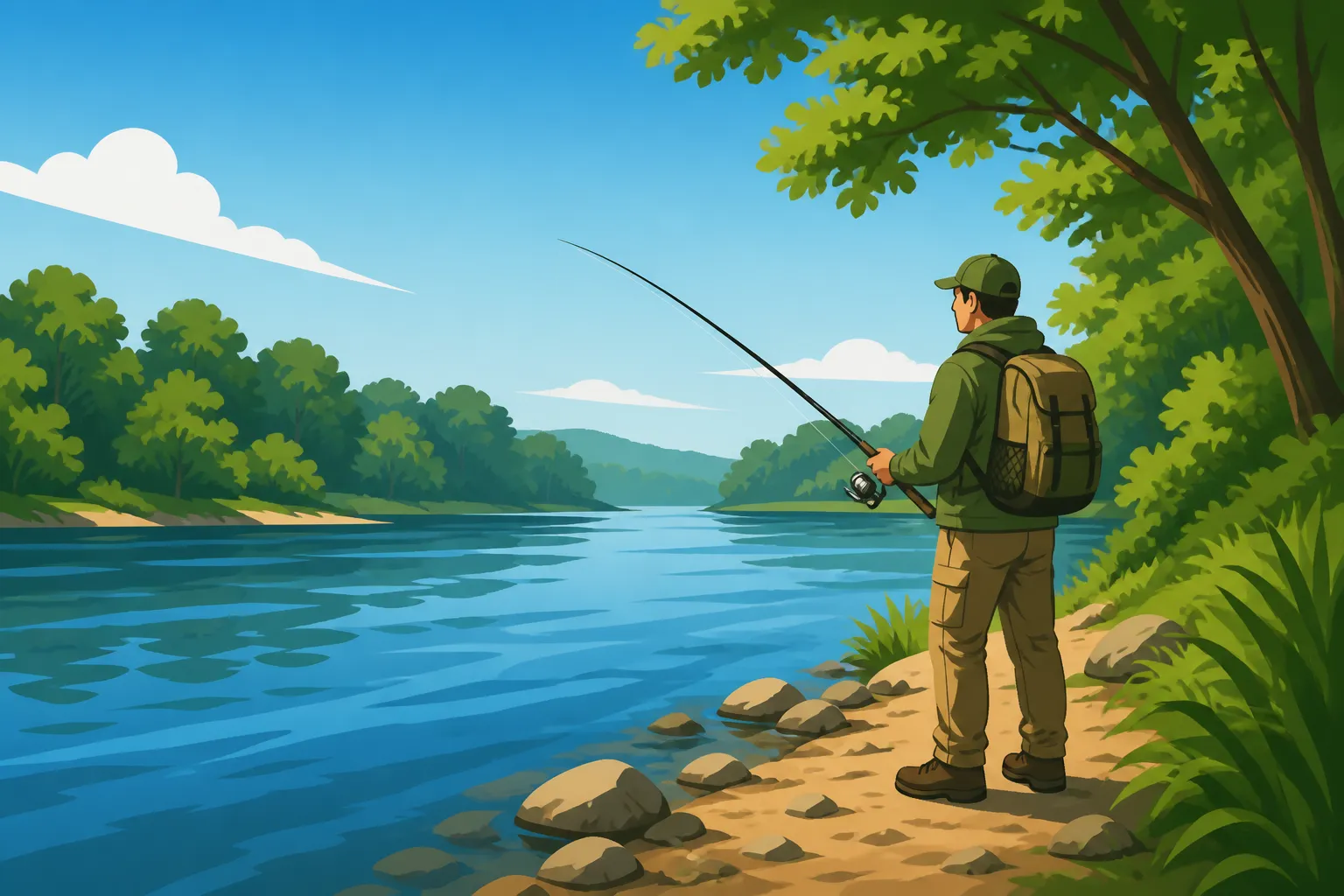
Finally, don't underestimate the importance of a comfortable and practical backpack. When shore fishing, you'll often be walking to your spots, and sometimes moving between them. A backpack that can comfortably carry your tackle box, extra spools of line, a small cooler for bait or drinks, and any necessary tools is a game-changer. It keeps your hands free for carrying your rod and navigating the terrain, making your overall experience much more enjoyable and efficient.
Best Baits and Lures for White River Success
Choosing the right bait or lure can make all the difference on the White River, and often, what works best depends on your target species and the river conditions. For consistent success, it’s wise to have a selection of both live bait and artificials on hand. Live bait staples are always a reliable choice: classic nightcrawlers or red wigglers are irresistible to a wide range of species, from panfish to catfish and even smaller bass. Minnows are excellent for attracting smallmouth and crappie, while crickets can be deadly for bluegill and other sunfish. These natural offerings appeal to the fish's instincts and are often effective even when artificials aren't getting bites.
When targeting smallmouth bass, a variety of artificial lures can be incredibly effective. Small to medium-sized crankbaits, especially those mimicking crayfish or baitfish, are fantastic for covering water and eliciting aggressive strikes. Spinnerbaits, with their flash and vibration, can also be very productive, particularly when fished through current breaks or around submerged cover. Soft plastics, such as tube jigs, grubs, or creature baits rigged on a jig head or a weedless Texas rig, allow for a more subtle presentation, perfect for working slower pools or enticing finicky fish hiding near structure. For specific artificials, you might consult our article on Best Lures for Smallmouth Bass in Rivers, which provides more in-depth advice.
For channel catfish, as mentioned earlier, cut bait is king. Freshly cut pieces of shad or other oily fish release a powerful scent trail that catfish simply can't resist. Prepared "stink baits" or chicken livers are also highly effective, especially when fished on a bottom rig. These baits are designed to appeal directly to a catfish's strong sense of smell, making them ideal for fishing in murky water or during low-light conditions when visibility is poor.
The trick to consistent success is adapting your choices to the prevailing conditions. On clear, sunny days, more natural-looking lures or live bait might work best. In murky water or low light, brighter colors or strong-scented baits become more effective. Also, consider the time of year and water temperature, as fish preferences can shift seasonally. Having a diverse selection in your tackle box, along with the willingness to experiment, will always give you an edge.
Reading the River and Maximizing Your Catch
More than just casting a line, successful river fishing is an art form rooted in understanding the water itself. "Reading the river" means observing the currents, recognizing potential fish-holding structures, and anticipating where fish might be feeding or resting. It's the skill that separates a casual caster from a consistent catcher. Look for seams where fast water meets slow water; these are prime ambush points for smallmouth bass. Eddies, created by obstructions in the current, provide resting areas for fish, allowing them to conserve energy while still being close to a food source. Deeper holes, often found on the outside bends of the river or downstream of significant current breaks, are excellent spots for catfish and larger bass.
Before you even make your first cast, take a moment to simply observe the river. Look for any visible structure: submerged logs, rock piles, overhanging trees, or even changes in bank erosion. Watch for signs of baitfish activity, such as flickering on the surface, or the tell-tale splash of a feeding fish. These observations provide invaluable clues about where the fish are and what they might be doing. A calm, methodical approach will always yield better results than blindly casting to every spot.
Your casting angles and presentation are also critical in river environments. When targeting fish in current, often the most effective technique is to cast slightly upstream and allow your lure or bait to drift naturally downstream with the current, mimicking a natural food item. This "swing" or "drift" presentation allows your offering to move into the fish's strike zone in a convincing manner. For jigs or soft plastics, a subtle twitch as it drifts can impart lifelike action. For crankbaits, retrieving it against or across the current can make it dive and wobble in an enticing way.
Finally, safety should always be a top priority when fishing from the bank of a river. Be aware of the water depth and current strength, especially if you plan to wade. The White River's bottom can be slippery, uneven, and conceal hidden drop-offs. Always wear appropriate footwear with good grip. Know your limitations, and never take unnecessary risks. A reliable pair of polarized sunglasses can also significantly help you spot submerged structure and fish, making it easier to read the water effectively.
| Access Point (General Area) | Typical Species | Key Features for Shore Anglers | Considerations |
|---|---|---|---|
| Riverside Park (Indianapolis) | Smallmouth Bass, Catfish, Panfish | Riverfront trails, rock structures, deeper pools, dam area | Can be crowded, urban environment, watch for snags, some litter |
| Broad Ripple Park (Indianapolis) | Smallmouth Bass, Catfish, Panfish | Limited direct bank access, good current breaks, some backwaters | Often very busy, parking can be tight, popular for recreation |
| Muncie (White River Greenway) | Smallmouth Bass, Catfish, Rock Bass | Well-maintained trails, clearer water, riffles, gravel beds | More natural setting, less urban development, sometimes shallow |
| Mounds State Park (Anderson) | Smallmouth Bass, Catfish, Sunfish | Scenic views, wooded banks, current diversity, less pressure | Park entrance fee may apply, requires walking to river |
| Martinsville Area (County Parks/Informal Access) | Catfish, Largemouth Bass, Panfish | Wider, slower sections, submerged logs, brush piles, deep bends | Less current, good for larger catfish, check private property boundaries |
Disclaimer
Please remember that fishing regulations, access points, and river conditions can change. Always consult the latest Indiana Department of Natural Resources (IDNR) regulations before heading out. Exercise caution around rivers, especially after heavy rains or during periods of high water. Fishing is an outdoor activity with inherent risks; participate responsibly and prioritize your safety.