Shore Fishing Access Points on Lake Shafer
Finding great shore fishing spots on Lake Shafer can feel like a real treasure hunt. So much of the lake is lined with private homes and businesses, leaving many anglers wondering where they can actually cast a line without trespassing. This guide is here to cut through that frustration, pinpointing the best public access points for shore fishing on Lake Shafer and arming you with the knowledge to make your next outing a success.
Why Shore Fishing Lake Shafer Can Be Tricky
Lake Shafer, nestled in Monticello, Indiana, is a beautiful and popular destination, but it presents a unique challenge for those of us who prefer to fish from the bank. Unlike some of Indiana's more remote lakes or reservoirs with vast state park shorelines, Shafer is highly developed. This development, while fantastic for lakeside living and recreation, often means fewer opportunities for public shore access.
Understanding Lake Shafer's Layout
Imagine driving along the lake's perimeter; you'll notice a continuous stretch of private docks, seawalls, and manicured lawns leading right up to the water's edge. This isn't unusual for many resort-style lakes, and Lake Shafer certainly fits that bill. It's an impoundment on the Tippecanoe River, renowned for its recreation, including boating, waterskiing, and, of course, fishing. Its developed nature means that finding a slice of shoreline that isn't someone's backyard can be a real head-scratcher. You might spend more time driving around looking for a spot than actually fishing if you don't know where to go.
The lake itself is relatively narrow in places, following the old river channel, with some wider bays and coves. The varying depths and structures are excellent for fish, but reaching those prime locations from shore is another matter entirely. The water can be busy, especially on summer weekends, which also impacts the peace and quiet many shore anglers seek.
The Challenge of Private Property
The biggest hurdle for shore anglers on Lake Shafer is undoubtedly the prevalence of private property. Much of the shoreline is owned by private residences, resorts, and businesses, all of whom naturally want to maintain their privacy and control access to their waterfront. This means you can't just pull over on the side of the road and walk down to the water in most places. Doing so could lead to an uncomfortable confrontation, or worse, a charge of trespassing, which no one wants when they're just trying to enjoy a peaceful day of fishing.
This makes designated public access points incredibly valuable. It's not just about convenience; it's about legality and respect for property owners. Always look for clear signs indicating public access, parking areas, or parks. If in doubt, it’s always best to err on the side of caution and find another spot. This also highlights why services that connect anglers with local knowledge, like those you might find on FishingBooker, can be so helpful, even if they're primarily for boat charters – a good guide knows the ins and outs of local access.
Prime Public Shore Fishing Access Points on Lake Shafer
Despite the challenges, there are indeed some fantastic spots where you can wet a line from shore on Lake Shafer. These locations offer legitimate public access and often provide excellent fishing opportunities, whether you're after bass, crappie, walleye, or catfish.
Norway Beach Public Access
One of the most well-known and reliable public access points on Lake Shafer is Norway Beach. Located on the northern end of the lake, this spot offers a rare stretch of accessible shoreline. It’s managed by the local community and provides a sandy beach area, but importantly, also adjacent banks where anglers can set up.
When you visit Norway Beach, you’ll find a designated parking area, which is a huge plus. From there, you can easily walk to the shoreline. This area is particularly good for families or those looking for a comfortable spot to cast. You can expect to find panfish like bluegill and crappie closer to shore, especially if there’s any submerged structure or weeds. Larger species like largemouth bass will patrol these areas, particularly during the early morning or late evening hours. It's an excellent place to introduce kids to fishing, with plenty of space to cast without snagging on trees or private docks. If you’re looking for Best Panfish Tackle for Indiana Anglers, this spot is perfect for testing it out.
Tippecanoe River Public Access Below the Dam
This is a unique and often overlooked area for shore anglers. While technically below the Lake Shafer dam, this section of the Tippecanoe River offers excellent fishing opportunities that are directly influenced by the lake's outflow. Access is typically found near the dam itself, often through designated parking or park areas where the river widens or slows just downstream.
Fishing here can be incredibly productive, especially for species that thrive in moving water or gather below dams. Catfish, like channel cats, are a prime target in this area, especially if you're using bottom-fishing techniques with cut bait or stink baits. You might also find smallmouth bass, which prefer the cooler, oxygenated water and current. During certain times of the year, walleye can also be present, moving up or down the river. This spot requires a different approach than still-water lake fishing, often calling for heavier sinkers to keep your bait in place. If you're passionate about Best Catfish Fishing Spots in Indiana, this river section below the Shafer Dam is definitely worth exploring.
Shafer Dam Area and Bridge Access
The immediate vicinity of the Shafer Dam and any public bridges crossing the lake or river here can offer limited, but often productive, shore access. It's crucial to pay close attention to signage around the dam for safety and legality. Public access might be restricted directly on the dam structure itself, but nearby public parks or roadways can sometimes offer vantage points.
Fishing from a bridge or its immediate banks can be fantastic because bridges often create structure and shade that attract fish. The pilings and rip-rap provide excellent habitat for baitfish, which in turn attract predators. Walleye, known for their preference for structure and low light, can often be found around bridge abutments, especially during dawn, dusk, or even at night. Bass, both largemouth and smallmouth, will also ambush prey from these areas. Crappie can sometimes school around bridge pilings if there's enough depth and cover. Remember that safety is paramount when fishing near busy roads or dams; always be aware of your surroundings and any potential hazards. This area, like the river below, sometimes offers some of the best potential for Best Walleye Fishing in Indiana.
Tips for Maximizing Your Lake Shafer Shore Fishing Experience
Shore fishing on Lake Shafer, while rewarding, definitely benefits from a little strategic thinking. Knowing what to throw, when to go, and what gear to bring can turn a frustrating day into a fantastic one.
Best Baits and Lures for Shore Anglers
When you're confined to the bank, your bait and lure selection becomes even more critical. You need options that are versatile, castable, and appeal to the diverse range of species in Lake Shafer.
- For Panfish (Bluegill, Crappie): Small jigs tipped with a piece of worm, crickets, or a tiny plastic grub under a bobber are deadly. Look for Best Beginner Fishing Kits for Kids which often include these basics. Minnows under a bobber are fantastic for crappie.
- For Bass (Largemouth): Soft plastic worms rigged Texas-style, spinnerbaits, and shallow-diving crankbaits work wonders, especially when cast parallel to the shoreline or towards any visible structure. Try green pumpkin or black/blue colors for soft plastics. If you're specifically targeting these, explore tips for Best Bait for Largemouth Bass in Indiana Lakes.
- For Catfish: Chicken liver, nightcrawlers, cut bait (like pieces of shad or bluegill), or commercial stink baits fished on the bottom with a simple slip-sinker rig are highly effective, especially in the river sections below the dam.
- For Walleye: Jigs tipped with minnows or nightcrawlers, lipless crankbaits, or even simple shiners under a float can entice walleye, particularly in areas with current or deeper drop-offs near shore. Remember, walleye are often more active during low light, so adjust your schedule to match the Best Time of Day to Catch Walleye.
Always bring a variety. Conditions can change rapidly, and what worked yesterday might not work today.
Navigating Crowds and Seasonal Changes
Lake Shafer is a popular spot, and the public access points can get busy, especially on warm weekends. To avoid the crowds, aim for early mornings, late evenings, or weekdays if your schedule allows. These times often coincide with prime feeding windows for many fish anyway, giving you a double advantage.
Seasonal changes also play a huge role. Spring and fall are often considered the best times for shore fishing as fish are more active in shallower waters due to spawning or feeding before/after winter. Summer can be tough during the heat of the day, pushing fish to deeper, cooler waters, making shore access less productive unless you fish dawn or dusk. Understanding Indiana Fishing Seasons: A Month-by-Month Guide can help you plan your trips perfectly. In winter, if ice fishing is safe and allowed, some spots might offer different opportunities, but open water shore fishing becomes much more challenging.
Here's a quick overview of what to expect seasonally:
| Season | Typical Conditions | Best Species from Shore | Crowds |
|---|---|---|---|
| Spring | Warming water, fish moving shallow for spawn | Crappie, Bluegill, Largemouth Bass, Walleye | Moderate, growing |
| Summer | Warm water, busy lake traffic, fish deeper | Catfish (especially at night), Bass (dawn/dusk), Panfish | High |
| Fall | Cooling water, fish feeding heavily for winter | Largemouth Bass, Walleye, Crappie, Smallmouth Bass (river) | Moderate |
| Winter | Cold water, slow metabolism, potential ice | Limited open water; focus on deep holes if accessible | Low |
Essential Gear for Bank Fishing
You don't need a boatload of gear for successful bank fishing, but having the right essentials makes a huge difference.
- Rod and Reel: A medium-light spinning rod and reel combo (6-7 feet) is incredibly versatile for Lake Shafer's mix of species. It's powerful enough for bass but sensitive enough for panfish.
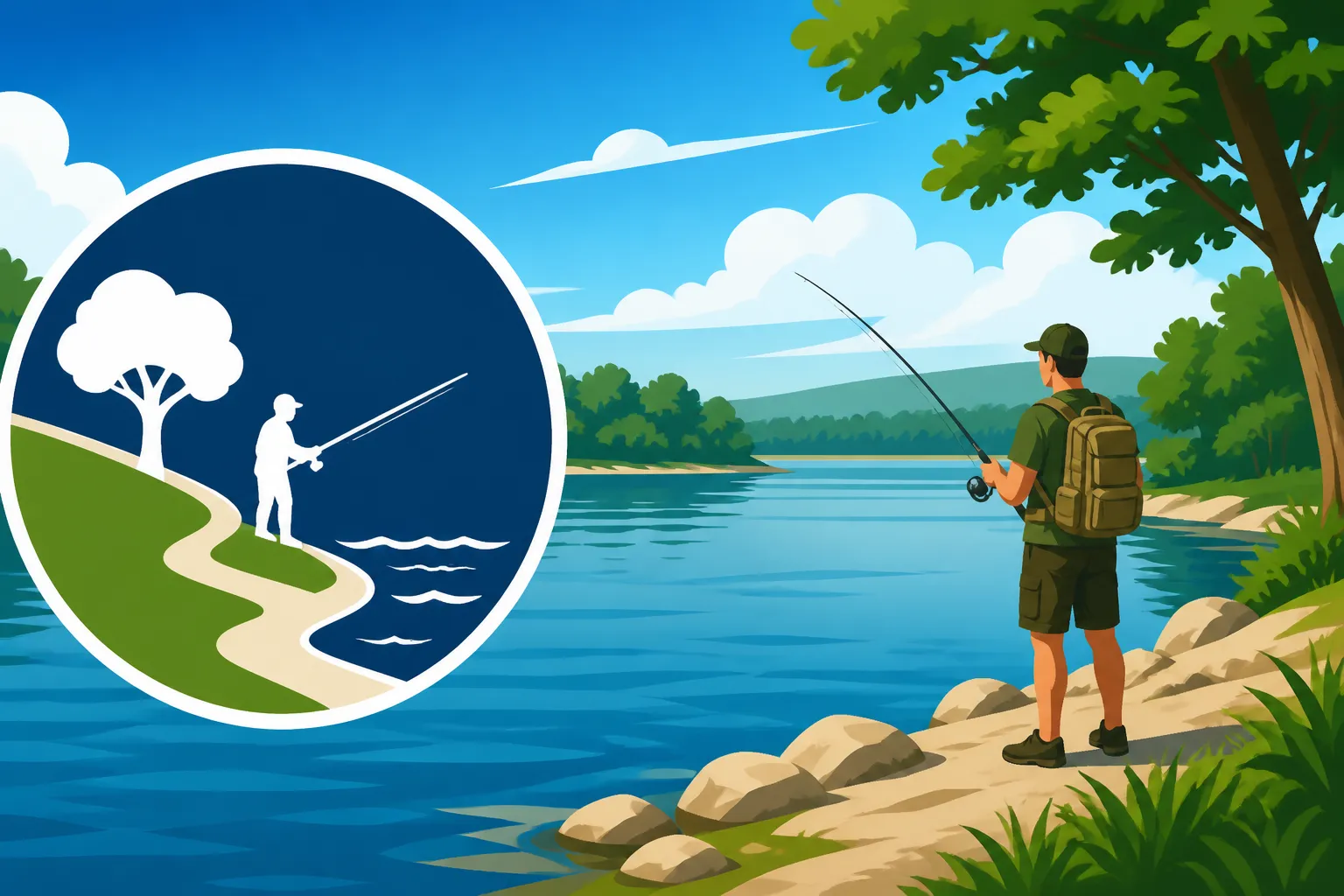
- Tackle Bag/Backpack: Keep your lures, hooks, weights, and extra line organized and easy to carry. A small, portable tackle box or backpack is ideal for mobility.
- Pliers/Forceps: Essential for safely removing hooks.
- Line Clippers/Small Scissors: For trimming line and tying knots.
- Sun Protection: Hat, sunglasses (polarized are a huge plus for spotting fish and structure), and sunscreen are a must, even on cloudy days.
- Water and Snacks: Stay hydrated and energized!
- Small Cooler: If you plan on keeping your catch, a small cooler with ice is crucial for freshness.
- Chair/Bucket: A portable folding chair or a 5-gallon bucket (which can also double as gear storage or a livewell for panfish) can make your long waits much more comfortable.
- Landing Net: Especially helpful for larger bass or walleye, preventing lost fish at the bank.
Before you head out, make sure you have all your necessary permits. You'll definitely want to read up on Indiana Fishing License Requirements Explained to ensure you're legally prepared.
Respecting the Lake and Local Regulations
As responsible anglers, it's our duty to protect Lake Shafer's natural beauty and ensure that fishing remains a sustainable activity for generations to come. This means adhering to ethical practices and knowing the rules.
Practicing Leave No Trace Principles
When you're enjoying the serenity of Lake Shafer's public access points, remember to leave no trace. This fundamental principle of outdoor ethics means packing out everything you pack in, including all trash, discarded fishing line, and bait containers. Don't leave hooks or lures behind, as they can harm wildlife or other recreationists.
Consider going a step further: if you see litter left by others, take a moment to pick it up if you can safely do so. Every little bit helps maintain the cleanliness and health of the lake environment. Proper disposal of fish carcasses is also important; never leave them on the bank. If you're filleting your catch at home, dispose of the remains responsibly. This commitment helps ensure that these precious public access points remain welcoming and clean for everyone.
Key Indiana Fishing Regulations
Beyond being a good steward of the environment, you absolutely must be familiar with and adhere to Indiana's fishing regulations. These rules are in place to manage fish populations and ensure healthy fisheries.
- Fishing License: Every angler aged 18 and older needs a valid Indiana fishing license. Even if you're just visiting, you'll need a nonresident license. You can easily purchase these online through the Indiana Department of Natural Resources (DNR) website or at authorized retailers.
- Bag Limits: Pay close attention to the daily bag and possession limits for the species you're targeting. For example, Indiana's Statewide Bass Daily Bag Limit is 5 fish combined for largemouth, smallmouth, and spotted bass, and Indiana Panfish Daily Limits by Species are typically 25 per species. These limits vary by species and sometimes by specific water bodies.
- Size Limits: Some species, like walleye and bass, have minimum length limits. For instance, Lake Shafer's walleye typically follow statewide rules, but always double-check. Keep a small measuring tape handy.
- Trout and Salmon Stamp: While not typically for Lake Shafer's main species, if you venture to areas stocked with trout or salmon (like some tributary streams), you'll need an additional Indiana Trout and Salmon Stamp.
Ignorance of the law is not an excuse, and penalties for violations can be stiff. It’s always a good idea to review the current year's Indiana Fishing Regulations guide, available on the DNR website, before each fishing season. While a boat offers more access, even for shore-bound anglers, using resources like FishingBooker can sometimes help you connect with local knowledge about current regulations or specific conditions on different bodies of water, even if it's primarily for booking guided trips.
Disclaimer
Please be aware that fishing conditions, regulations, and access points can change. Always check the latest Indiana Department of Natural Resources (DNR) regulations before you head out, and respect all posted private property signs. The information provided in this guide is for general informational purposes only and should not be considered legal advice.