Lake Freeman Crappie Fishing Spots
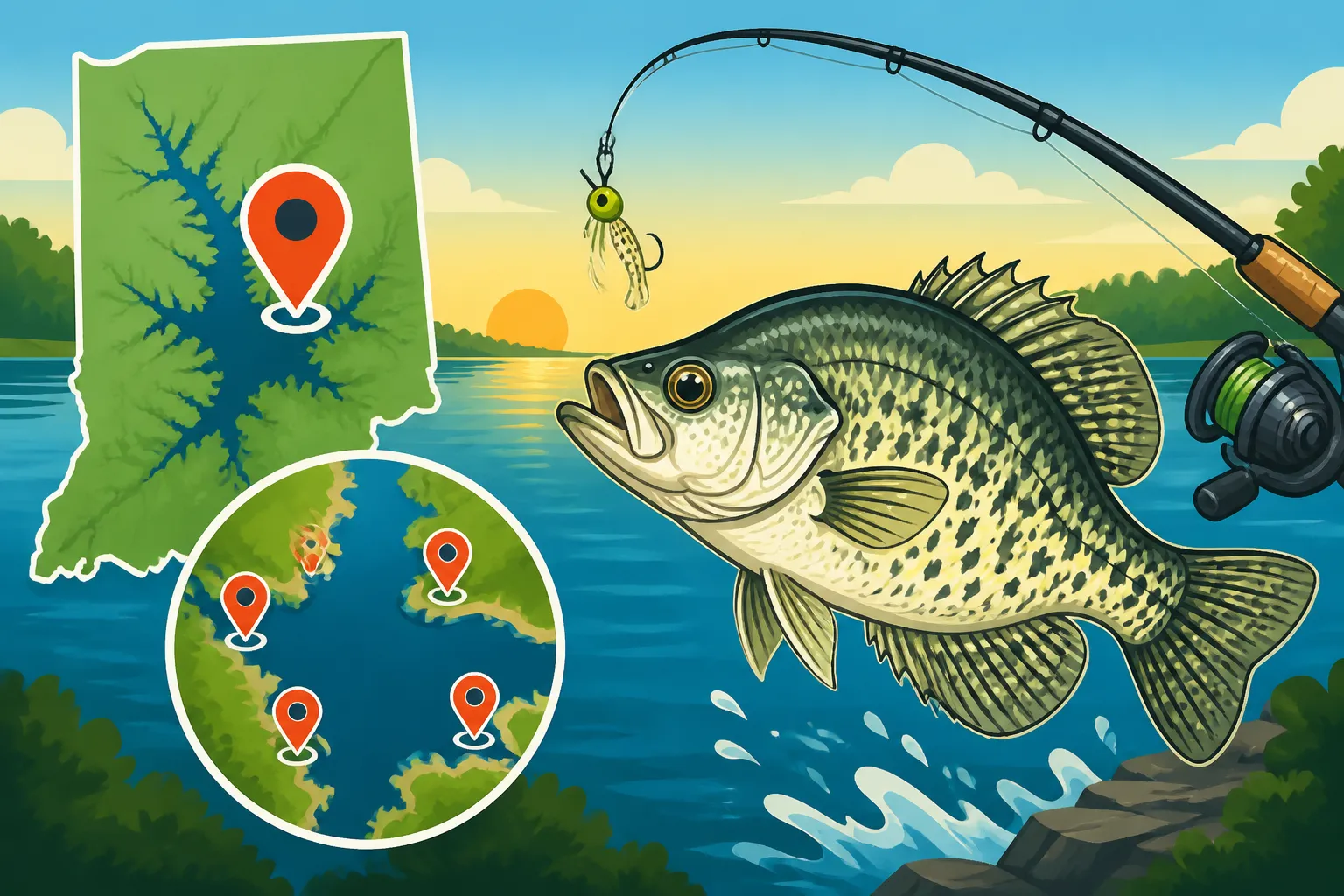
If you've ever spent a beautiful day out on Lake Freeman, only to come back with an empty livewell despite knowing there are crappie swimming below, you're not alone. Figuring out where these elusive panfish hide can feel like a secret code, especially on a sprawling waterway like Freeman. This guide is here to decode those secrets, helping you pinpoint the prime crappie fishing spots and understand the tactics that will put more fish in your boat.
Understanding Lake Freeman's Layout for Crappie
Lake Freeman, formed by the damming of the Tippecanoe River, isn't your typical stagnant reservoir. It's a flowage lake, meaning it has a constant current, especially in its main channels. This unique characteristic plays a huge role in where crappie decide to hang out, and understanding it is your first step to consistent success.
The White River System's Influence on Crappie Habitat
Lake Freeman is actually part of the larger White River system, with the Tippecanoe River feeding into it. This riverine influence means crappie on Freeman often relate to current in ways they might not in a purely still-water lake. You'll find them congregating in areas where the current breaks, offering them a reprieve from the flow while still allowing easy access to baitfish being swept past. These spots might include the edges of main channels, behind submerged humps, or in the calmer waters of larger coves and bays that are somewhat protected from the main river flow.
The lake itself isn't incredibly deep in many areas, but it does have defined channels. Crappie, particularly the larger black crappie that thrive here, will use these channels as highways, moving between shallower feeding grounds and deeper holding areas. The bottom structure is a mix of rock, gravel, and silt, often with plenty of submerged timber and brush that make for ideal crappie cover. Knowing how to read these subtle current breaks and changes in bottom content on your fish finder is absolutely crucial.
Seasonal Crappie Movements and Depths
Crappie are creatures of habit, largely dictated by water temperature and their spawning cycle. Their movements throughout Lake Freeman follow a predictable pattern. In early spring, as water temperatures nudge into the upper 40s and low 50s, crappie begin staging in deeper channels near spawning grounds, often 10-20 feet deep. As the water warms further, usually into the mid-50s to low 60s, they push shallow, sometimes only a few feet deep, to spawn in protected coves with woody debris.
Once the spawn is over, usually by late spring or early summer, they retreat to deeper, cooler waters, often suspending over channel edges or congregating around significant submerged structure at depths of 15-30 feet. During fall, as temperatures drop again, crappie become more active, schooling up and feeding aggressively, often found on ledges and flats adjacent to deep water. Winter sees them tightly schooling in the deepest holes or basins of the lake, offering a challenging but potentially rewarding bite. Understanding these seasonal shifts is key to knowing where to drop your bait. For a broader overview of when different fish are active, you might want to check out our guide on Indiana Fishing Seasons: A Month-by-Month Guide.
Top Crappie Hotspots on Lake Freeman
Lake Freeman offers a variety of habitats that crappie absolutely love, from the river-fed upper reaches to the more developed lower sections. Identifying these key zones will significantly increase your chances of finding a school of hungry crappie.
Upriver Channels and Backwater Coves
The northern end of Lake Freeman, where the Tippecanoe River flows in, is a fantastic area for crappie, especially during certain times of the year. Here, the current is more pronounced, and crappie will often position themselves along the channel edges where the flow is less intense, but food is still being delivered. Look for any significant bends in the river channel or areas where smaller creeks or ditches enter, creating current breaks and depositing structure.
Backwater coves in this upper section, particularly those with a good amount of submerged timber, brush piles, or even standing dead trees, are absolute magnets for crappie during the spring spawn. These protected areas warm up faster, providing ideal nursery conditions. As you move downstream from the entrance of the Tippecanoe, you'll encounter numerous small embayments and pockets. Don't overlook these; many hold hidden brush piles and stumps that crappie will use for cover year-round. A good strategy here is to slowly work these areas with a trolling motor, casting small jigs or spider rigging minnows to locate active schools.
Marina Basins and Docks
Man-made structures like marinas and docks are crappie havens, providing both shade and abundant cover from predators. On Lake Freeman, you'll find several marinas, such as those near the Oakdale Dam area or further up the lake. These basins, with their endless pilings, boat lifts, and often deeper dredged channels, hold crappie year-round. In the colder months, crappie often seek refuge in the deeper, warmer water of marina basins. During the spawn, they will move right up under the docks, using the pilings as structure to lay their eggs.
Fishing around these structures requires a stealthy approach. Use a quiet trolling motor or paddle in a kayak to avoid spooking fish. Vertical jigging small tubes or hair jigs directly alongside pilings and boat lifts is incredibly effective. For those new to Lake Freeman or looking for a guided experience to navigate these specific spots, finding a local guide through platforms like FishingBooker can offer invaluable insight into current hotspots and techniques around the docks. Remember to always be respectful of private property and give plenty of space to moored boats.
Main Lake Structure and Drop-offs
Beyond the river channels and marinas, Lake Freeman's main body also offers excellent crappie opportunities, particularly for those willing to do a bit of electronic prospecting. Crappie love to suspend over deep water, especially in summer, but they'll always be close to some form of structure. Look for main lake points that extend far out into the lake, creating distinct drop-offs or underwater humps. The abrupt changes in depth on these features are prime spots for crappie to ambush baitfish.
Another key feature to target is the main river channel itself. As the Tippecanoe River winds through the lake, it creates a distinct, deeper trench. Crappie will often position themselves along the edges of this channel, especially where submerged brush piles or rock formations are present. Pay close attention to your fish finder for any irregularities along the bottom or schools of baitfish, as crappie are usually not far behind. Trolling crankbaits or spider rigging multiple rods with minnows or jigs along these channel edges can be very productive. For a general guide on how to best locate panfish, our article on Indiana Panfish Guide: Crappie, Bluegill, and Sunfish offers more details.
Essential Techniques and Baits for Lake Freeman Crappie
Knowing where the crappie are is only half the battle; the other half is knowing how to catch them. On Lake Freeman, adapting your techniques to the specific conditions and seasonal patterns is key to filling your cooler.
Vertical Jigging and Spider Rigging
These two techniques are pillars of crappie fishing on Lake Freeman, each effective in different scenarios.
Vertical Jigging
When crappie are tightly schooled, whether they're suspended over deep water, huddled in a marina basin, or tucked under a dock, vertical jigging is often the most precise and effective method. This involves positioning your boat directly over the fish (often located with your fish finder) and dropping a small jig straight down. The key is to present the lure just above the fish, as crappie typically feed upwards.
For Lake Freeman, small leadhead jigs ranging from 1/32 to 1/8 ounce, tipped with tiny plastic tubes, grubs, or minnow imitators like Bobby Garland Baby Shad or Crappie Magnets, are incredibly effective. Natural colors like black and chartreuse, white, or various shad patterns often work best. The retrieve is usually a subtle lift-and-drop, barely moving the rod tip, letting the lure's tail do the work. Pay close attention to your line for the slightest twitch, as crappie bites can be incredibly subtle. For more on jigging, see our guide on Crappie Jigging Techniques for Beginners.
Spider Rigging
When crappie are more spread out, or you're trying to cover a larger area along channel edges or flats, spider rigging comes into its own. This technique involves deploying multiple long rods (often 8 to 16 feet) from the front or sides of your boat, creating a "spider web" of lines. Each rod is typically rigged with a small jig or minnow, and your boat moves slowly, either with a trolling motor or drifting with the current, to present these baits to a wide swath of water.
This method allows you to experiment with different depths and lure colors simultaneously until you find what the crappie are responding to. On Lake Freeman, spider rigging along the main river channel edges or across broad flats with submerged brush can be very productive. It's an excellent way to locate active schools before you might switch to a more precise method like vertical jigging once you've found them.
Live Bait and Slip Bobber Setups
Sometimes, nothing beats a live minnow, especially when crappie are finicky or during slower periods. Live bait adds scent and natural movement that artificial lures can't always replicate.
Minnow Rigs
A simple hook (size 4 or 6 light wire Aberdeen) threaded through the minnow's lip or back, paired with a split shot or small sinker a foot or so above, is a deadly crappie presentation. This can be fished vertically, dropped into brush piles, or slowly trolled. When fishing tight cover like docks or submerged timber, using a small bullet weight can help your minnow navigate through snags.
Slip Bobber Setups
Slip bobbers are fantastic for presenting live minnows or small jigs at a precise depth, especially around structure or cover where you want to keep your bait suspended just above the snags. The beauty of a slip bobber is that it allows you to cast a long distance and then have your bait automatically fall to the pre-set depth once the line stopper hits the bobber. This is particularly effective around the deeper marina docks or along the edges of brush piles on Lake Freeman. The visual strike of a bobber disappearing is also incredibly satisfying!
Reading Your Electronics for Crappie Schools
In a lake with varying depths and structures like Lake Freeman, your fish finder is an invaluable tool for locating crappie. Don't just motor around hoping to stumble upon them; actively use your electronics to scout.
Look for schools of baitfish, often appearing as clouds on your sonar screen. Crappie will usually be close by, appearing as distinct arches or sometimes as a "Christmas tree" shape if they're tightly schooled around a brush pile. Pay attention to changes in bottom contour – points, humps, ledges, and especially the distinct edges of the old river channel. Side imaging and down imaging technologies, if your unit has them, can be incredibly helpful for identifying submerged timber or brush piles that might not show up clearly on traditional 2D sonar. Once you mark a school of crappie or a promising piece of structure, use your GPS to mark the waypoint so you can return to it. Our detailed guide on Best Fish Finders for Indiana Lake Fishing can help you choose the right unit.
Timing Your Trip for Optimal Crappie Success
Just like real estate, fishing is often about location, location, location, but for crappie, it's also about timing. Understanding the seasonal peaks for crappie on Lake Freeman will help you plan your trips for the best possible results.
Spring Spawn: Shallow Water Action
Without a doubt, spring is prime time for crappie fishing on Lake Freeman. As the water temperatures begin to rise, typically from April into early June, crappie move into the shallower, warmer waters to spawn. This is when they are most accessible to anglers, often found in depths of 2-8 feet.
Look for protected coves, especially those in the upper half of the lake, with plenty of woody debris like fallen trees, brush piles, or cattails. The marina basins and areas around docks also become bustling crappie nurseries. They'll be actively feeding and guarding their nests, making them aggressive and relatively easy to catch. Small jigs, minnows under a bobber, or even tiny crankbaits are highly effective during this period. The peak of the spawn is often when water temperatures consistently stay in the mid-50s to low 60s, which usually translates to late April and May in Indiana. For more on this critical time, check out Crappie Spawn Timing on Indiana Lakes.
Summer and Fall Patterns: Deeper Water and Structure
As Lake Freeman's water temperatures soar in summer, crappie retreat to deeper, cooler, and more oxygenated waters. They'll often suspend over the main river channel, especially where it features significant drop-offs or humps. You'll also find them tightly relating to large brush piles, standing timber, or artificial fish attractors in 15-30 feet of water.
During summer, your fish finder becomes your best friend. Look for suspended schools over open water near structure, or tight groups hugging the bottom of brush piles. Techniques like vertical jigging with heavier jigs (1/8 to 1/4 ounce) or slow trolling with crankbaits or minnow rigs at precise depths become essential. You'll want to target early mornings, late evenings, or even night fishing trips as the sun is less intense.
As fall approaches and water temperatures begin to cool, crappie become much more active and aggressive again. They'll start schooling up and feeding heavily in preparation for winter. This is a fantastic time to find them on main lake ledges, points, and flats adjacent to deep water. They might be anywhere from 8 to 20 feet deep, often roaming in larger schools. Trolling, casting jigs, or using slip bobbers with minnows can all be highly effective. The fall bite can rival the spring spawn in terms of action, offering some of the year's best fishing. Our article on How to Find Crappie in Summer provides more in-depth strategies.
Winter Crappie Fishing Strategies
While many anglers pack it in for the winter, Lake Freeman can still offer rewarding crappie fishing for those brave enough to face the cold. Crappie in winter will congregate in the deepest, most stable parts of the lake. Look for the deepest holes in the main river channel, or the bottom of larger basin areas, where they'll often stack up in tight schools.
Winter crappie are usually lethargic and require a subtle presentation. Small jigs (1/32 or 1/16 ounce) tipped with a tiny plastic or a single live minnow, fished very slowly and vertically, are key. Patience is paramount, as bites can be incredibly light – sometimes feeling like just a little extra weight on your line. Using sensitive ultralight rods and light line (4-6 lb test) will help you detect these subtle strikes. While ice fishing is less common on Lake Freeman due to its riverine nature and boat traffic, shore anglers or those in boats can still find success by targeting these deep, calm areas, especially near the Oakdale Dam structure.
| Location Type | Best Seasons | Key Features | Recommended Techniques |
|---|---|---|---|
| Upriver Channels & Backwaters | Spring, Fall | Current breaks, submerged timber, creek mouths | Vertical Jigging, Spider Rigging |
| Marina Basins & Docks | Spring, Winter | Pilings, boat lifts, shade, deep water access | Vertical Jigging, Slip Bobbers |
| Main Lake Points & Ledges | Summer, Fall | Depth changes, humps, submerged brush | Spider Rigging, Trolling, Electronics |
| Deep River Channel Holes | Winter, Summer | Deepest parts of the lake, stable temperatures | Vertical Jigging (slow), Live Bait |
Many anglers, especially those new to Lake Freeman, find that spending a day with a local guide can drastically cut down the learning curve. These seasoned pros know the nuances of the lake, the current hotspots, and the best techniques. You can easily find and book such an experience through platforms like FishingBooker, ensuring you get a head start on those Lake Freeman crappie.
Disclaimer
Please remember that fishing regulations, including size and bag limits, can change. Always consult the latest Indiana Department of Natural Resources (DNR) fishing guide before heading out on the water. Stay safe, be aware of boating traffic, and practice responsible angling to preserve Lake Freeman's excellent crappie fishery for years to come.