Does Lake Michigan Follow the Same Rules as the Rest of Indiana?
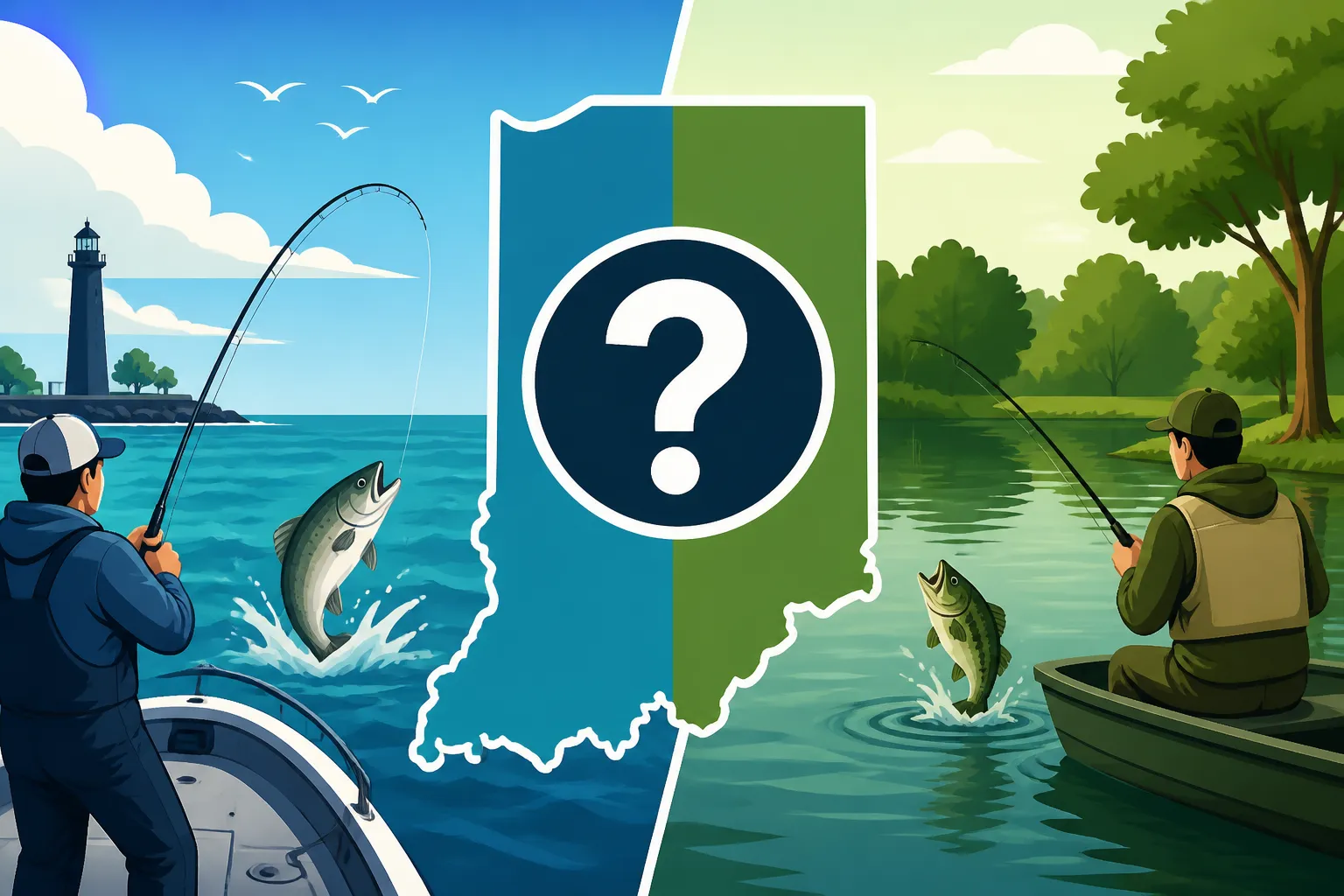
It's a common question that crosses many an angler's mind when planning a trip to the shores of Lake Michigan: do I follow the same rules as I would on, say, Monroe Lake or the Tippecanoe River? The short answer, and one that trips up many seasoned and new anglers alike, is no. Fishing Lake Michigan in Indiana comes with its own unique set of regulations, gear requirements, and even safety protocols that are distinctly different from the rules governing our inland lakes and rivers. This guide will help clarify those differences, ensuring your next Lake Michigan adventure is not only productive but also fully compliant with the law.
The General Rule: Inland Waters Versus Lake Michigan
When you're out on the water in Indiana, it's easy to assume a "one size fits all" approach to fishing regulations. After all, it's all Indiana water, right? But Lake Michigan, being one of the Great Lakes and a truly massive freshwater sea, operates under a different set of ecological conditions and management strategies than even our largest reservoirs or natural glacial lakes. This isn't just a quirk; it's a necessity driven by the unique species that call it home, the sheer scale of the fishery, and the collaborative management efforts across multiple states and even a country.
Why the Rules Are Different
The reasons for these distinct rules are multifaceted. Firstly, the aquatic ecosystems are dramatically different. Inland lakes in Indiana are primarily home to species like largemouth bass, crappie, bluegill, catfish, and walleye, with regulations tailored to sustain those populations in relatively smaller, more contained environments. Lake Michigan, however, supports a vibrant cold-water fishery, teeming with species like Chinook salmon, Coho salmon, steelhead (rainbow trout), brown trout, and lake trout. These migratory species have different life cycles, feeding habits, and population dynamics, requiring specific regulations to ensure their sustainability. Think about it: a 16-inch minimum length for walleye in a small inland lake might be perfectly fine, but applying that same rule to a species like a mature Chinook salmon, which can grow to over 30 pounds, simply doesn't make sense.
Secondly, the scale of fishing operations on Lake Michigan often involves different methods. While you might cast a single line from the shore or a small boat on an inland lake, Lake Michigan charters and serious sport anglers often employ elaborate trolling setups, using multiple lines, downriggers, and planer boards to cover vast expanses of water. These methods, while effective, require careful regulation to prevent overfishing and ensure fair access. You wouldn't see the same gear restrictions applied to a kayak angler paddling around a pond as you would to a boat equipped for deep-water trolling on the Great Lakes. The difference in size and complexity dictates a different rulebook.
Key Regulatory Bodies
While the Indiana Department of Natural Resources (IDNR) is the ultimate authority for all fishing regulations within the state, their approach to Lake Michigan is often influenced by broader agreements and scientific studies specific to the Great Lakes. The Great Lakes Fishery Commission, for example, coordinates management efforts among the surrounding states (Indiana, Michigan, Illinois, Wisconsin) and the Province of Ontario in Canada. This collaboration is crucial because fish, especially migratory species like salmon and steelhead, don't recognize state borders. A salmon caught off the coast of Michigan City might have spent much of its life swimming in Illinois or Michigan waters.
This interstate cooperation means that while Indiana sets its specific regulations for its portion of Lake Michigan, these rules are often developed with an eye toward regional conservation goals and shared stocking programs. It's a delicate balance of local needs and broader ecological health. For instance, the decisions about how many trout and salmon can be harvested, or when certain seasons open and close, are often made considering the health of the entire Lake Michigan fishery, not just the Indiana slice. This makes it even more important for anglers to understand that Lake Michigan Fishing Rules for Indiana Anglers are a distinct entity, crafted with careful consideration for this unique environment.
Major Differences in Lake Michigan Regulations
Understanding that Lake Michigan has its own rulebook is just the first step. The real challenge, and where many anglers get confused, is knowing the specifics. From what you can keep to how you can fish, almost everything has a Great Lakes twist.
Species-Specific Regulations
This is where the differences really shine. The primary game fish targeted in Indiana's Lake Michigan waters are salmon and trout, which are rarely, if ever, found in Indiana's inland waters. As such, the bag limits, length limits, and even the open seasons for these species are completely distinct.
For example, when you're pursuing the mighty Chinook salmon or the acrobatic Coho salmon, you'll find daily bag limits that typically refer to a combined total of salmon and trout species. Currently, for the Indiana waters of Lake Michigan, anglers can keep a combined total of five salmon and trout per day. This "combined" rule is different from how panfish are often regulated in inland waters, where you might have separate limits for bluegill and crappie. Additionally, there are often minimum length limits for certain species like lake trout, ensuring that younger fish have a chance to grow and reproduce. You can delve deeper into Lake Michigan's Salmon Run: Indiana's Fall Fishing Season to get a clearer picture of seasonal opportunities and specific targets. These rules are updated regularly, reflecting the health of the fishery and stocking efforts, so it's always critical to check the latest IDNR guide.
Compare this to inland bass fishing, where Indiana's Statewide Bass Daily Bag Limit is typically five fish combined for largemouth and smallmouth bass, but usually with a specific minimum length, like 14 inches for largemouths in many lakes. The contrast is stark, highlighting the need for separate regulations. Even panfish, which can be found in some numbers along Lake Michigan's shallower areas, often have different daily limits or regulations compared to the generous 25 per species often found in inland lakes.
Gear and Tackle Restrictions
The type of tackle and the methods you can employ also differ significantly. On many inland lakes and rivers, using a single rod and reel is the norm, and specific restrictions on the number of lines are usually quite clear. On Lake Michigan, however, the pursuit of salmon and trout often involves specialized gear.
Trolling is the dominant method for offshore salmon and trout fishing, and it’s common for boats to deploy multiple lines simultaneously using devices like downriggers and planer boards. These tools allow anglers to present baits and lures at various depths and spread lines out from the boat to cover a wider area. While using multiple lines is generally permitted on Lake Michigan, there might be specific rules about the maximum number of lines per person or per boat, especially if you're fishing near the borders of other states. It’s crucial to be aware of these limits to avoid violations. Investing in quality Trolling Gear Setup for Indiana's Lake Michigan Salmon can make a huge difference, and you can often find good deals on downriggers, specialized rods, and planer boards on retailers like Amazon.
Furthermore, some areas of Lake Michigan near tributary mouths might have additional restrictions on bait types (e.g., prohibiting the use of certain natural baits during specific runs to protect spawning fish) or even methods of take. This ensures that the highly concentrated fish populations during spawning runs are not overharvested. Knowing the ins and outs of Lake Michigan Fishing Rules for Indiana Anglers is vital, as a simple oversight could lead to a citation.
Reciprocity with Neighboring States
This is a hot topic for anglers who live near Indiana's border with Illinois and Michigan. Many wonder if their Indiana fishing license covers them if they drift into Michigan or Illinois waters, or vice-versa. Generally, no. Each state has its own distinct fishing license requirements, and an Indiana fishing license only grants you permission to fish within the waters of Indiana.
However, there can be exceptions for specific boundary waters, often negotiated through reciprocal agreements between states. For Lake Michigan, these agreements are rare and usually apply only to very specific small sections, if any. For the vast majority of Lake Michigan, if you're fishing in Indiana waters, you need an Indiana fishing license. If you cross into Michigan waters, you need a Michigan license, and the same goes for Illinois. It's a common mistake to assume that because the lake is shared, the license is too. Always err on the side of caution and ensure you have the proper licensing for the state's waters you intend to fish. If you plan to travel between states, consider researching Indiana Fishing License Reciprocity With Michigan or Fishing License Rules for Illinois Residents Visiting the State to understand the nuances of boundary water agreements, if any exist.
Essential Things to Know Before Fishing Lake Michigan
Fishing Lake Michigan isn't just about different regulations; it's about a different kind of fishing experience entirely. The sheer size of the lake, its powerful weather systems, and the specialized techniques required mean you need to be extra prepared.
Specific License Requirements
While the general Indiana Fishing License Requirements Explained apply to all Indiana waters, there's a crucial additional stamp for many Lake Michigan anglers: the Indiana Trout and Salmon Stamp. If you intend to target or harvest salmon or trout in Lake Michigan (or any designated trout stream in Indiana), you must purchase this stamp in addition to your basic fishing license. This isn't an optional add-on; it's a mandatory requirement to legally pursue these specific species.
The cost of this stamp is usually quite reasonable, but forgetting it can lead to fines and a ruined trip. Even if you're not specifically targeting trout or salmon but might inadvertently catch one while fishing for other species, it's safer to have the stamp. Think of it as your passport to the Great Lakes cold-water fishery. You can find more detailed information on Indiana Trout and Salmon Stamp Requirements to ensure you're fully covered before your lines hit the water. It’s quick and easy to add when you buy your main license online or from a local vendor.
Safety Considerations
Fishing on Lake Michigan is a vastly different beast than fishing on a calm inland lake. The Great Lakes are notorious for rapidly changing weather conditions, strong currents, and large waves that can appear with little warning. Safety is not just a recommendation; it's a critical imperative.
- Weather Monitoring: Always check the marine weather forecast before heading out and be prepared to turn back if conditions deteriorate. A small craft advisory on Lake Michigan is not to be taken lightly.
- Vessel Size and Capability: Your boat needs to be capable of handling rough water. Many anglers opt for larger, more robust vessels designed for Great Lakes conditions. If you're considering a boat, research Best Boats for Rough Water on Lake Michigan.
- Life Jackets: Everyone on board must have a properly fitted, U.S. Coast Guard-approved life jacket. For Lake Michigan, it's often prudent for all occupants to wear them at all times, not just have them stowed. You can find robust, marine-grade life jackets from reputable brands on Amazon. Remember, Indiana Life Jacket Requirements for Every Boater are the bare minimum, and Lake Michigan often demands more caution.
- Communication: Cell service can be spotty miles offshore. A marine radio (VHF) is highly recommended for communication with other boats and the Coast Guard in an emergency. Do You Need a Whistle or Horn on an Indiana Boat? is a good question, and the answer is usually yes, along with other sound-producing devices, but a VHF radio offers a much higher level of safety on Lake Michigan.
- Emergency Gear: Ensure you have all required safety gear, including flares, a first aid kit, a throwable flotation device, and an anchor that can hold your boat in rough conditions. Indiana Boater Safety Gear Checklist should be reviewed and strictly adhered to, with extra consideration for Great Lakes conditions.
Where to Find Up-to-Date Information
Regulations can and do change. What was valid last year might have subtle but important updates this year. Relying on outdated information is a sure way to find yourself in trouble.
- IDNR Website: The official Indiana Department of Natural Resources (IDNR) website is your go-to source. They publish annual fishing regulation guides that include specific sections dedicated to Lake Michigan.
- Local Bait Shops: Bait and tackle shops located near Lake Michigan, especially in towns like Michigan City or Portage, are invaluable resources. The owners and staff are often seasoned Lake Michigan anglers themselves and can provide current, local insights into regulations, hot spots, and current conditions. They'll also be the first to know about any emergency regulation changes or important updates.
- IDNR Customer Service: If you have any doubts or specific questions that aren't clearly answered in the regulations, don't hesitate to call the IDNR customer service line. It's always better to ask than to guess.
By staying informed and prioritizing safety, your Lake Michigan fishing experiences can be incredibly rewarding, offering opportunities for trophy salmon and trout that are simply not available anywhere else in Indiana.
Here's a quick comparison of some key regulations:
| Feature | Indiana Inland Lakes & Rivers (General) | Indiana's Lake Michigan Waters |
|---|---|---|
| Primary Target Species | Largemouth Bass, Crappie, Bluegill, Catfish, Walleye, Northern Pike | Chinook Salmon, Coho Salmon, Steelhead, Brown Trout, Lake Trout |
| Daily Bag Limit | Varies by species (e.g., 5 Bass, 25 Crappie) | Combined 5 Salmon/Trout (check specific length limits) |
| Minimum Length Limits | Varies widely (e.g., 14" Bass, 16" Walleye in some areas) | Varies by species (e.g., Lake Trout might have a specific minimum) |
| Additional Stamp | Generally not required unless targeting specific trout streams | Mandatory Indiana Trout and Salmon Stamp Requirements for salmon/trout |
| Common Fishing Methods | Casting, Bank Fishing, Jigging, Trolling (smaller scale), Live Bait | Trolling with multiple lines, Downriggers, Planer Boards, Pier Fishing |
| Typical Vessel Size | Canoes, Kayaks, Jon Boats, Bass Boats, Pontoons | Larger fishing boats (e.g., deep-V hulls, charter boats) designed for rough water |
| Safety Concerns | Weather, currents, boating traffic, shallow hazards | Rapid weather changes, large waves, strong currents, offshore navigation, vessel capability |
| Reciprocity | Limited to specific border waters (e.g., Ohio River) | Generally none with Michigan or Illinois; separate licenses required for respective waters |
Disclaimer
Please remember that fishing regulations are subject to change. This guide is intended to provide general information and highlight common differences. It is your responsibility to consult the most current Indiana Department of Natural Resources (IDNR) fishing guide or website before each outing to ensure compliance with all applicable laws and regulations. Ignorance of the law is not a valid defense.