Combined Bass Limit for Indiana Lakes and Rivers
It can be incredibly frustrating to hit the water, ready for a great day of bass fishing, only to feel uncertain about the specific rules governing how many fish you can keep. Indiana's regulations can sometimes feel like a puzzle, especially when it comes to species that look similar and limits that apply broadly. This comprehensive guide is here to clear up all the confusion around Indiana's combined bass limit for both its beautiful lakes and winding rivers, ensuring you can fish confidently and legally.
Understanding Indiana's Combined Bass Limit
Many anglers, especially those new to Indiana's waters or even seasoned veterans who haven't reviewed the latest rulebook, often find themselves scratching their heads when it comes to bass limits. Is it five largemouth and five smallmouth? Is there a separate limit for spotted bass? The truth is, the Indiana Department of Natural Resources (IDNR) has a straightforward, albeit often misunderstood, approach to bass limits, designed to protect the health and sustainability of these popular sport fish populations. This isn't about making fishing complicated; it's about safeguarding our resources for future generations of anglers.
What Exactly Does "Combined" Mean?
When you see "combined bass limit" in Indiana's fishing regulations, it means exactly that: the total number of bass you can keep from specific species, added together, cannot exceed the stated daily limit. In Indiana, this primarily refers to largemouth bass, smallmouth bass, and spotted bass. You don't get a separate quota for each species. For example, if the combined limit is five, you could keep five largemouth, or three largemouth and two smallmouth, or one largemouth, one smallmouth, and three spotted bass – as long as the total doesn't go over five. This is a critical distinction that many anglers miss, potentially leading to unintentional violations. It ensures that pressure isn't simply shifted from one bass species to another, protecting the overall bass fishery across the state.
Imagine you're out on Monroe Lake, known for its fantastic largemouth fishing, and you hook into a couple of nice keepers. Later in the day, you move to a rocky point and start catching some feisty smallmouth. You need to keep a running tally of both species in your livewell or cooler. The moment your total count of any combination of these three species hits the daily maximum, you've reached your limit, and any additional bass you catch must be immediately released unharmed.
The Statewide Daily Bag Limit
So, what's the magic number? For most waters in Indiana, the statewide daily bag limit for bass (which includes largemouth, smallmouth, and spotted bass in combination) is 5 fish. This is the standard rule you should always assume applies unless you've specifically checked the regulations for a particular body of water and found an exception. This limit is in place to manage fish populations sustainably, ensuring there are always enough fish left to spawn and grow, providing consistent angling opportunities year after year. For a more complete overview, check out our guide on Indiana Fishing Regulations and Bag Limits Guide.
It's important to remember that these limits apply per person, per day. If you're fishing with a buddy, each of you can keep a combined total of 5 bass, provided you both have valid Indiana fishing licenses. You can't, for example, pool your limits to keep 10 fish between two people if only one person is actively fishing or has a license. The IDNR takes these regulations seriously, and ignorance of the law is rarely an acceptable defense if you're found to be over the limit. When it comes to Indiana's Statewide Bass Daily Bag Limit, staying informed is your best defense against a citation.
Why These Limits Are in Place
The combined bass limit isn't just an arbitrary number; it's a carefully considered conservation measure. Bass are incredibly popular sport fish in Indiana, and without proper management, their populations could quickly decline due to overfishing. These limits serve several crucial purposes:
- Population Sustainability: By limiting the number of fish an angler can keep, the IDNR ensures that a healthy breeding stock remains in the water. This allows for natural reproduction and keeps the ecosystem balanced. Without these limits, even highly resilient species like bass could face significant pressure, especially in heavily fished areas.
- Fair Distribution of Resources: Bag limits help distribute the catch more equitably among all anglers. If there were no limits, a few highly successful anglers could potentially deplete a significant portion of a lake's catchable fish in a short amount of time, leaving less for everyone else.
- Promoting Quality Fishing Experiences: Sustainable populations lead to better fishing experiences. When fish are allowed to grow to larger sizes, anglers have a greater chance of catching trophy fish, which adds to the excitement and challenge of the sport. It's not just about catching fish, but about catching good fish.
- Ecological Balance: Bass are apex predators in many freshwater ecosystems. Maintaining a healthy bass population is essential for controlling the populations of forage fish and other species, ensuring a balanced aquatic environment. When bass populations suffer, it can have ripple effects throughout the entire food web.
These regulations are a testament to the IDNR's commitment to responsible fisheries management. They reflect scientific understanding of fish biology, population dynamics, and the impact of angling pressure.
Identifying Bass Species in Indiana
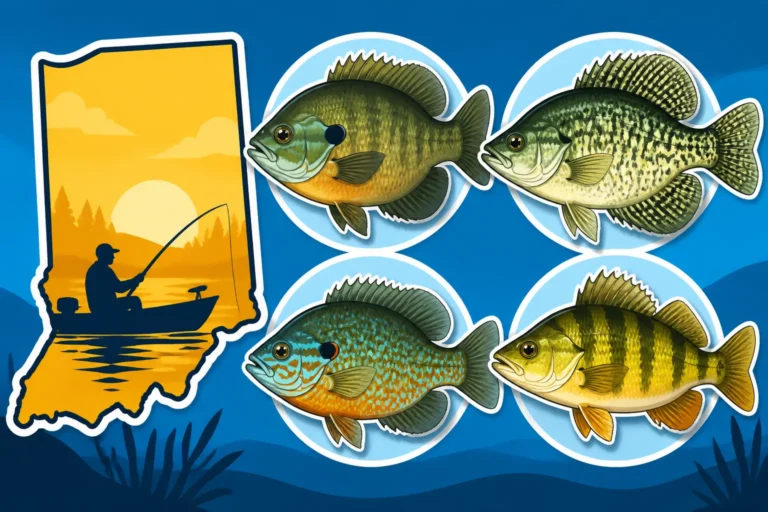
Knowing the difference between a largemouth, smallmouth, and spotted bass is not just a point of pride for an angler; it's essential for legal compliance, especially if there were ever differing length limits or species-specific regulations (though currently, for bag limits, they are combined). Misidentifying a fish could lead to keeping a fish that's out of season or below a minimum length in a hypothetical scenario, or simply not understanding which fish contribute to your combined daily limit. While the combined limit simplifies things, recognizing each species enhances your angling knowledge and respect for the diverse Indiana fisheries. For a deep dive into one of Indiana's most popular species, check out our Largemouth Bass Fishing in Indiana: The Complete Guide.
Largemouth Bass Characteristics
The largemouth bass ( Micropterus salmoides ) is arguably the most iconic freshwater game fish in Indiana. You'll find them in nearly every pond, lake, and slow-moving river section across the state. They love structure – think lily pads, submerged timber, weed lines, and docks – where they can ambush their prey. Identifying a largemouth is relatively easy once you know what to look for:
- Jaw Line: The most definitive characteristic is their large mouth. When the mouth is closed, the corner of the jaw extends past the rear edge of the eye. This is the key distinguishing feature from a smallmouth.
- Body Color and Pattern: They typically have a dark green back that fades to lighter green or silvery sides, with a prominent, often broken, horizontal dark stripe running along their body. Their belly is usually white or cream-colored. This lateral line can sometimes appear as a series of blotches rather than a solid stripe, especially in younger fish or those from very clear water.
- Dorsal Fins: A largemouth has a deeply notched dorsal fin, making it look almost like two separate fins. The front, spiny part is noticeably separate from the softer-rayed rear part.
- Habitat: As mentioned, they prefer warmer, shallower waters with plenty of cover and vegetation. You'll rarely find them in fast-moving currents or extremely deep, cold water. Understanding How to Identify a Largemouth Bass in Indiana Waters is crucial for any Hoosier angler.
Catching a chunky largemouth is a thrill, and they're known for their powerful strikes and acrobatic jumps. Whether you're targeting them with plastic worms, crankbaits, or topwater lures, they offer an exciting challenge.
Smallmouth Bass Features
The smallmouth bass ( Micropterus dolomieu ) is the scrappy, hard-fighting cousin of the largemouth, often found in cooler, clearer, and rockier waters. They are sometimes called "bronze-backs" due to their coloration and are renowned for their incredible fighting spirit, often making long runs and powerful dives. If you're looking for a different kind of bass challenge, smallmouth are your fish.
- Jaw Line: In contrast to the largemouth, the corner of a smallmouth's jaw typically does not extend beyond the center of the eye when its mouth is closed. This is the quickest way to differentiate the two. Their mouth is noticeably smaller relative to their head size.
- Body Color and Pattern: Smallmouth bass usually have a bronze or brownish color, often with vertical bars or stripes on their sides, rather than the horizontal stripe of the largemouth. These bars can vary in prominence depending on water clarity and the fish's mood. Their eyes are often reddish.
- Dorsal Fins: Unlike the largemouth's deeply notched dorsal fin, the smallmouth's dorsal fin appears more continuous, with a less pronounced separation between the spiny and soft-rayed sections.
- Habitat: Smallmouth prefer cooler, cleaner waters with rocky bottoms, gravel, and current. You'll find them in rivers like the Tippecanoe, White, and St. Joseph, and in the deeper, rockier glacial lakes of northern Indiana. For a more detailed comparison, our article on Largemouth Bass vs Smallmouth Bass: Key Differences can be very helpful.
Fishing for smallmouth often involves different techniques and lures than largemouth, favoring tubes, small crankbaits, or Ned rigs fished around rocky areas.
Spotted Bass and Other Less Common Species
While largemouth and smallmouth are the dominant bass species in Indiana, the spotted bass ( Micropterus punctulatus ) also contributes to the combined bag limit, though they are less widespread. Spotted bass are often confused with largemouth due to their similar appearance, but there are distinct differences:
- Jaw Line: Like the smallmouth, the jaw of a spotted bass typically does not extend beyond the back of the eye. This is a good initial differentiator from the largemouth.
- Lateral Line: Spotted bass have a distinct lateral line, similar to a largemouth, but below this line, they have rows of small, dark spots that form diagonal lines, giving them their "spotted" name. These spots are usually absent on largemouth.
- Tooth Patch on Tongue: The most reliable way to identify a spotted bass is to feel for a small patch of teeth on its tongue. Neither largemouth nor smallmouth bass have this. Gently run your finger over the fish's tongue (carefully, of course!) to check for this feature.
- Pyloric Caeca: For the truly dedicated (or biologist!), spotted bass also have unbranched pyloric caeca, whereas largemouth have branched ones. This is a bit advanced for field identification, but it's a scientific distinction.
Spotted bass populations in Indiana are generally found in the southern parts of the state, particularly in some reservoirs and rivers. While less common, it's important to be able to identify them as they count towards your combined bass limit of 5 fish. Knowing your species prevents unintentional overharvest and helps maintain responsible fishing practices.
Practical Application and Compliance
Understanding the regulations is one thing, but applying them correctly on the water is where the rubber meets the road. Being prepared with the right tools and knowing the best practices for handling fish can make all the difference in staying compliant and ensuring the health of the fish you encounter. This section will guide you through the practical aspects of respecting Indiana's bass limits.
Measuring Your Catch Accurately
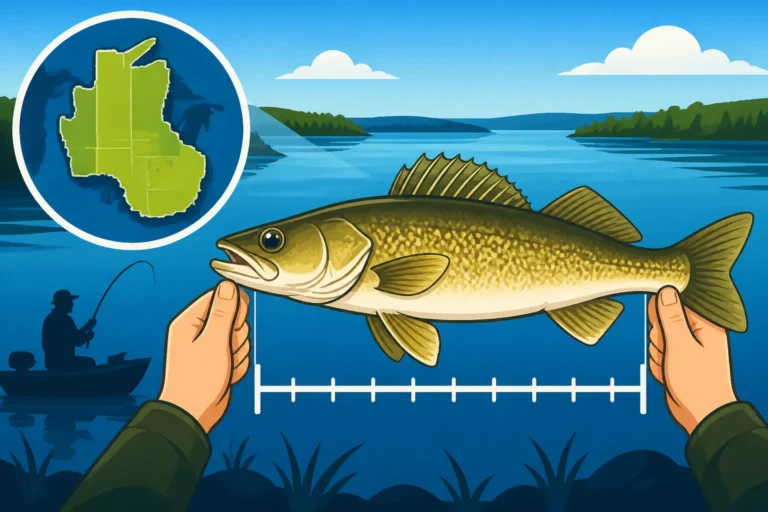
Indiana also has minimum length limits for certain species, and while currently, there isn't a statewide minimum length limit for bass (it varies by specific lake or river), it's still crucial to be able to measure your fish accurately. This habit is essential for any regulation, be it a specific lake's bass slot limit or the minimum length for a walleye. An accurate measurement can prevent a fine and contribute to responsible angling.
- Proper Measuring Device: Always carry a reliable measuring device. A simple bump board or a flexible tape measure (look for one marked in inches on Amazon that's designed for fishing) will suffice. Make sure it’s easy to read and doesn't stretch or warp. Many tackle boxes come with a small measuring sticker, but dedicated bump boards are far more accurate.
- Head-to-Tail Measurement: The standard measurement for fish length is from the tip of the snout (mouth closed) to the very end of the tail (pinched together). Lay the fish flat against your measuring device, with its snout touching the zero mark, and gently pinch the tail lobes together to get the longest possible measurement.
- Quick and Gentle: Minimize the time the fish is out of the water. Handle the fish gently with wet hands to protect its slime coat, which is vital for its health and disease resistance. Get your measurement quickly and return the fish to the water as soon as possible.
- Knowing the Specifics: Always check the specific regulations for the lake or river you are fishing. For example, some specific waters might have a 14-inch minimum for largemouth bass, or a slot limit (e.g., no bass between 14-18 inches can be kept). While the combined bag limit is statewide, length limits are often localized.
Being diligent about measuring ensures you're not inadvertently keeping an undersized fish, which carries its own penalties.
Best Practices for Catch-and-Release
Not every fish you catch will be a keeper, whether it's due to size, species, or reaching your bag limit. Practicing proper catch-and-release techniques is vital for the survival of those fish and for the overall health of the fishery. Even if you plan to keep a limit, you'll likely catch and release many fish throughout the day.
- Minimize Handling: The less you handle a fish, the better its chances of survival. Try to keep the fish in the water as much as possible, especially during hook removal.
- Wet Hands: Always wet your hands before touching a fish. Dry hands can remove the protective slime coat, making the fish vulnerable to disease.
- Barbless Hooks: Consider using barbless hooks or pinching down the barbs on your hooks. This makes hook removal much easier, quicker, and less damaging to the fish.
- Proper Hook Removal: Use needle-nose pliers or a hook-remover tool to quickly and carefully remove the hook. If the hook is deeply swallowed, it's often best to cut the line as close to the hook as possible rather than trying to rip it out, which can cause internal damage.
- Revive the Fish: After release, gently hold the fish upright in the water, facing into the current (if present), until it regains its strength and swims away on its own. Don't just toss it back; make sure it's ready to go. Consider bringing a quality landing net, like those available on Amazon, to help manage fish at the boat without excessive handling. Many ethical anglers also carry a fish lip gripper to handle bass without touching their bodies.
Mastering catch-and-release is a hallmark of a responsible and ethical angler, contributing directly to the vibrant Indiana fishing scene.
Avoiding Common Mistakes and Penalties
Fishing without proper knowledge or care can lead to avoidable mistakes, and unfortunately, these can result in penalties. The IDNR conservation officers are out there to protect our resources, and they do take regulations seriously.
- Not Checking Local Regulations: The biggest mistake anglers make is assuming statewide rules apply everywhere. Always check the specific regulations for the body of water you're fishing, as special limits or seasons can apply. This includes length limits that might be unique to a particular lake for bass.
- Exceeding the Bag Limit: This is a direct violation of the combined bass limit rule. Keep a mental (or even written) tally of your keepers. Don't "guess" if you're close.
- Fishing Without a License: This is a fundamental error. If you're 18 or older and not fishing on a designated Free Fishing Day, you need an Indiana Fishing License Requirements Explained. The penalties for What Happens If You Fish Without a License in Indiana? can range from significant fines to confiscation of gear.
- Improper Fish Measurement: Misrepresenting the size of a fish, even unintentionally, can lead to problems if a conservation officer measures it differently. Be precise.
- Transporting Live Fish Illegally: In Indiana, it's generally illegal to transport live fish from one body of water to another without a permit, due to the risk of spreading invasive species or disease. If you're using a livewell, be aware of what is permitted.
A simple table to summarize key bass regulations:
| Regulation Aspect | Statewide Rule (Most Waters) | Key Consideration |
|---|---|---|
| Daily Bag Limit | 5 fish (Largemouth, Smallmouth, Spotted Bass combined) | Individual limit per licensed angler. |
| Length Limit | No statewide minimum | Varies by specific lake/river. ALWAYS check local rules. |
| Harvest | Fish must be counted towards your limit once kept. | Release immediately if not keeping. |
| Identification | Know the difference between Largemouth, Smallmouth, Spotted Bass. | All three count toward the combined limit. |
| Transport | Generally illegal to transport live fish between waters without permit. | Do not move live fish, especially baitfish, between lakes. |
Always err on the side of caution. If you're unsure about a rule, consult the current Indiana Fishing Guide (available from the IDNR website or local bait shops) or ask a conservation officer.
Regional Variations and Exceptions
While the statewide combined bass limit of 5 fish generally holds true across Indiana, it's crucial to understand that fishing regulations can and do vary by specific body of water. Just when you think you've got it all figured out, a particular lake or river might have its own unique set of rules. This section will help you navigate these nuances, ensuring you're always fishing within the precise legal framework.
Are There Local Exceptions to the Combined Limit?
Yes, absolutely. The Indiana Department of Natural Resources (IDNR) frequently implements special regulations on certain lakes and rivers to manage specific fish populations, address ecological concerns, or enhance angling opportunities. These exceptions are typically found on the IDNR's annual fishing guide or their website and can include:
- Slot Limits: This is a common exception. A slot limit might dictate that bass within a certain size range (e.g., 12-15 inches) must be immediately released, while fish smaller or larger than that slot can be kept (up to the daily bag limit). This is often used to protect spawning-sized fish and allow younger fish to grow. For instance, you might find a lake with a 14-18 inch slot limit for largemouth, meaning you can keep fish under 14 inches or over 18 inches, but not those in the middle.
- Increased or Decreased Bag Limits: While rare for bass, some highly managed waters might have different daily bag limits. This is more common for other species, but it's always worth double-checking.
- Minimum Length Limits: Some specific lakes or reservoirs might have a mandatory minimum length for bass, even if there isn't a statewide one. You might encounter a lake that requires all bass to be at least 14 inches long to be kept, regardless of the combined bag limit.
- Artificial Lure Only Sections: While not directly a bag limit, some areas might restrict fishing to artificial lures only, which affects your overall fishing strategy and implicitly, what you might keep.
Before heading out to any specific fishing spot, especially a new one, make it a habit to check the current Indiana Fishing Guide for that particular body of water. Local bait shops are also fantastic resources, as the owners are usually well-versed in the specifics of their immediate area. Remember, what applies to a small pond in southern Indiana might be completely different from a large reservoir like Patoka Lake or Lake Monroe.
How This Impacts Tournament Anglers
For those who participate in bass fishing tournaments, understanding these regulations takes on an even greater level of importance. Tournaments often have their own specific rules regarding fish handling, measuring, and livewell management, but they always operate within the state's established regulations. Ignoring state regulations can lead to disqualification from a tournament and a hefty fine from a conservation officer.
- Adhering to State Bag and Length Limits: Even if a tournament has a different scoring system (e.g., total weight of five largest bass), anglers must still comply with the state's daily combined bass limit and any applicable length limits for the specific body of water. You can't keep more than 5 bass, regardless of how many you think you might need for the weigh-in.
- Livewell Requirements: Tournaments typically require functional livewells to keep bass alive and healthy for weigh-in. The state also has regulations regarding livewells, particularly concerning the prevention of invasive species transfer. Many tournament organizations are proactive in promoting proper fish care, which includes keeping fish in good condition until release. Bringing a quality cooler or livewell for your catch, perhaps sourced from Amazon, is a good way to ensure compliance and ethical practices for tournament weigh-ins.
- Immediate Release of Non-Keepers: In a tournament setting, anglers often catch many fish that don't meet their desired size or count for their "five biggest" limit. These fish must be immediately and carefully released back into the water to ensure their survival, following the best catch-and-release practices discussed earlier.
- Tournament Angler Licenses: While not directly related to bag limits, some states have specific licenses or endorsements for tournament anglers. Currently, Indiana doesn't have a separate "tournament angler license" as such, but all participants must possess a valid Indiana fishing license. You can learn more about Tournament Angler License Rules and Requirements to stay fully compliant.
Tournament organizers often have a robust understanding of the local rules and will usually brief participants on any special regulations for the tournament lake. However, the ultimate responsibility for knowing and following the law lies with each individual angler. A quick review of the IDNR guide before any tournament is a non-negotiable step for ethical and legal participation.
Disclaimer
Please remember that fishing regulations can change. While every effort has been made to provide accurate and up-to-date information in this guide, it is your responsibility to verify all current Indiana fishing regulations with the official Indiana Department of Natural Resources (IDNR) before you go fishing. This content is for informational purposes only and should not be considered legal advice.