South of State Road 26, Indiana’s Walleye Rule Is Simpler
Navigating Indiana's fishing regulations can sometimes feel like you need a law degree, especially when different parts of the state have entirely separate rules for the same fish species. If you've ever felt overwhelmed trying to figure out the walleye length limits, particularly when planning a trip to the southern half of the state, you're not alone. This comprehensive guide is here to untangle the complexities and provide clarity on the simpler walleye rule that applies south of State Road 26.
Understanding Indiana's Walleye Regulations
Indiana is a state rich with diverse fisheries, and with that diversity comes a need for specific management strategies. What works for a deep, glacial lake up north might not be the best approach for a warmer, shallower reservoir or river system down south. This localized management is precisely why we see variations in regulations, and walleye are a prime example.
The General Statewide Walleye Picture
Before we dive into the specifics of southern Indiana, it's helpful to understand that walleye management across the state is designed to protect populations, promote growth, and ensure sustainable fishing opportunities for everyone. This often means minimum length limits, which are put in place to allow fish to reach sexual maturity and spawn at least once before being harvested. It also includes daily bag limits, which restrict the number of fish an angler can keep in a single day, preventing overfishing and ensuring there are plenty of fish for future generations.
The challenge, of course, is keeping track of these rules. Anglers often face a mental juggling act, trying to recall which lake or river follows which set of guidelines. It can be frustrating to plan a fishing trip, only to arrive and realize you're unsure about the local rules, potentially leading to violations or, at the very least, a lot of stress while you're supposed to be relaxing.
Why State Road 26 is the Dividing Line
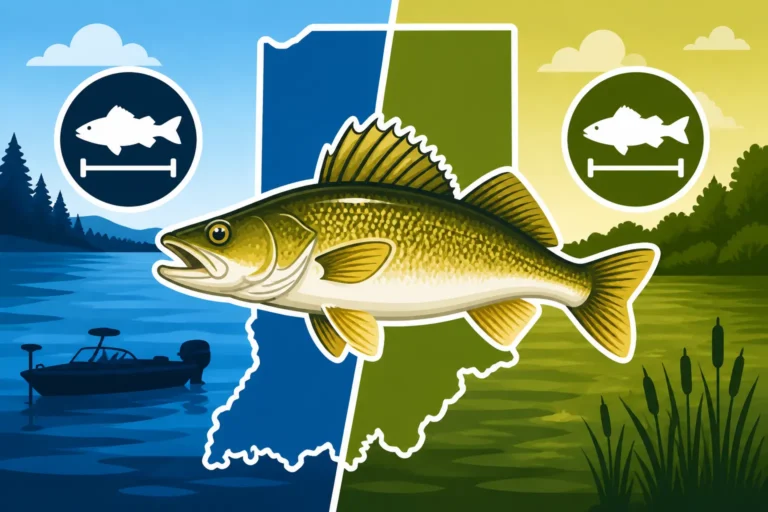
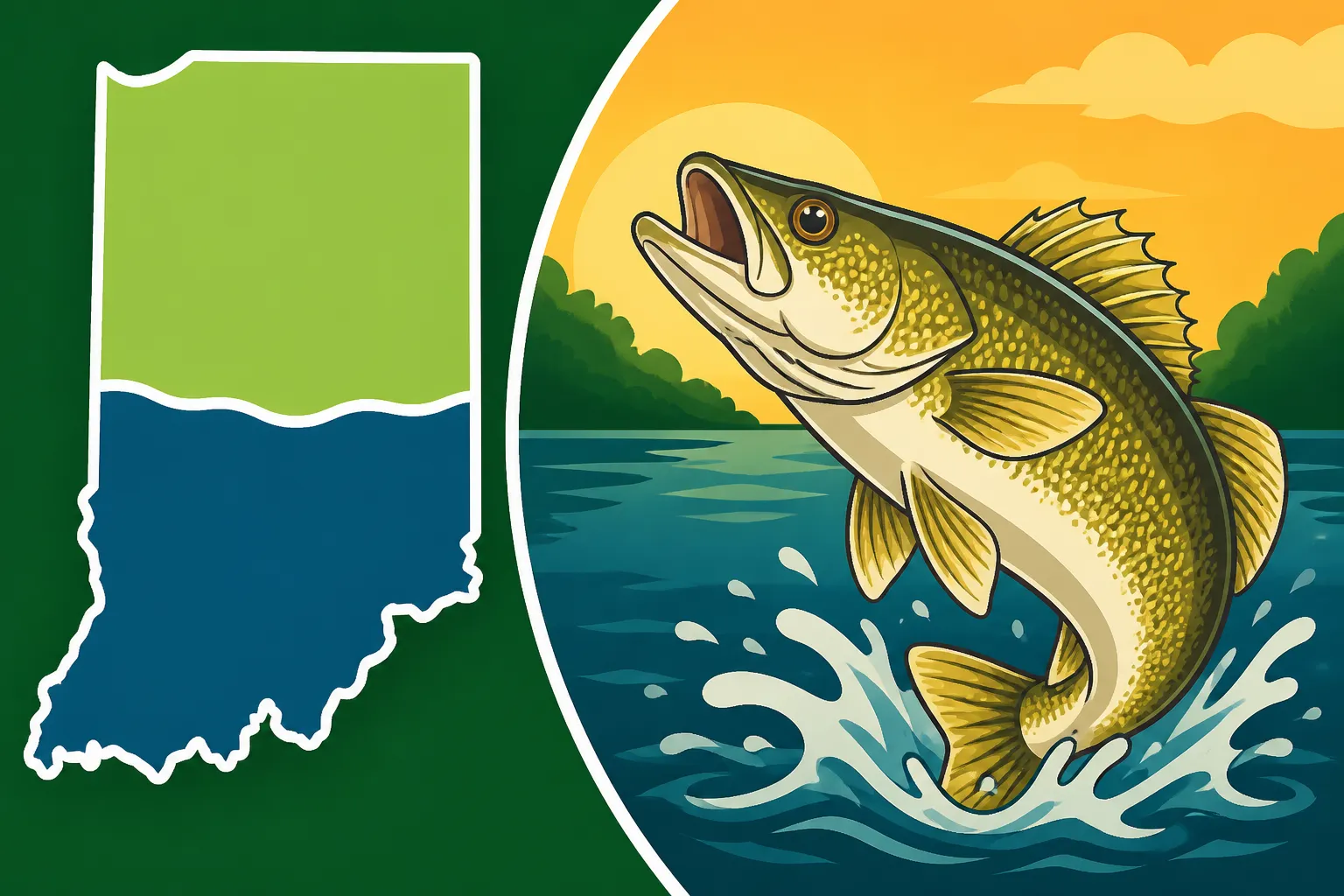
State Road 26 serves as a crucial geographical demarcation line for walleye regulations in Indiana, effectively splitting the state into two distinct management zones. This isn't just an arbitrary line on a map; it represents a significant shift in the types of aquatic ecosystems and the walleye populations found within them. North of SR 26, you'll find a higher concentration of natural, glacially-formed lakes, many of which have established walleye populations that either naturally reproduce or are heavily managed through stocking programs. These lakes often exhibit different growth rates and population dynamics, necessitating a unique set of rules.
South of State Road 26, the landscape changes dramatically, transitioning to more river systems and large flood control reservoirs. While these waters also support walleye, their populations are often sustained through different stocking efforts and face different environmental pressures. The Indiana Department of Natural Resources (DNR) has carefully studied these regional differences, leading to the establishment of tailored regulations to best conserve and enhance walleye fishing in each zone. This strategic division aims to simplify compliance for anglers, even if it adds a layer of initial complexity when considering statewide rules. You can always check the full details in the Indiana Fishing Regulations and Bag Limits Guide to stay informed.
The Simpler Walleye Rule South of State Road 26
It's a relief for many anglers to discover that once you head south of State Road 26, the walleye regulations become much more straightforward. This simplification is designed to make it easier for those fishing the reservoirs and river systems in central and southern Indiana to understand and follow the rules without getting bogged down by multiple exceptions.
Specific Length and Bag Limits
For all waters located entirely south of State Road 26, the walleye rule is refreshingly consistent: there is no minimum length limit for walleye. That's right, you heard correctly! If you catch a walleye in these southern waters, you can keep it regardless of its size, as long as you adhere to the daily bag limit. The daily bag limit for walleye in this southern zone is six fish per angler. This differs significantly from many northern Indiana waters, where a minimum length of 16 inches is often in place, sometimes even with slot limits.
This simpler approach allows anglers to harvest smaller walleye, which can be beneficial in certain reservoir environments where growth rates might vary, or where the DNR is managing the population to prevent overpopulation of smaller fish that could impact the overall health of the fishery. It means less time fumbling with a measuring tape and more time enjoying the fishing. For a comprehensive look at how this compares statewide, you might want to read up on Walleye Minimum Length South of State Road 26 in Indiana versus Walleye Minimum Length North of State Road 26.
Identifying the Southern Zone Lakes and Rivers
To ensure you're compliant with this simpler rule, it’s crucial to know which bodies of water fall entirely south of State Road 26. This generally includes most of Indiana’s large southern reservoirs and their associated river systems. Think of popular destinations like Monroe Lake near Bloomington, Patoka Lake down in Dubois County, and Brookville Lake in southeastern Indiana. These are prime examples of waters where the "no minimum length, six-fish bag limit" rule applies.
Beyond these major reservoirs, many smaller public lakes, ponds, and sections of rivers like the Wabash River and the White River also fall under this simplified regulation once they are south of the SR 26 boundary. If you're unsure about a specific spot, a quick check of an official Indiana DNR fishing guide map or their online resources will confirm its location relative to State Road 26. Always err on the side of caution and double-check, but generally, if you're well into the southern half of the state, you can expect this simpler rule to be in effect.
Practical Implications for Anglers
Understanding the regulations is one thing, but knowing how to apply that knowledge on the water and what it means for your fishing approach is another. The simpler walleye rule south of State Road 26 has direct implications for your gear, techniques, and overall fishing strategy.
Gear and Techniques for Southern Walleye
Since there's no minimum length limit in southern Indiana, you might find yourself catching walleye of various sizes. This versatility means you can adapt your gear to target both larger trophy fish and smaller, pan-sized walleye for the frying pan. For most reservoir and river fishing, a medium-light to medium action spinning rod and reel combo spooled with 6-10 lb test line is a great all-around choice. This setup allows for good sensitivity to detect subtle walleye bites and enough backbone to handle a decent fish. You can find a wide range of suitable rods and reels on platforms like Amazon, offering options for every budget and preference.
Common techniques for walleye in these southern waters include jigging with artificial baits like soft plastics or blade baits, especially around structure like submerged trees, rock piles, or old roadbeds. Trolling with crankbaits is also highly effective, especially in larger reservoirs like Patoka or Monroe, allowing you to cover vast areas and locate active fish. Don't forget live bait either; shiners, leeches, or nightcrawlers fished under a bobber or on a bottom rig can be deadly, particularly when fish are less aggressive. If you're new to the game, checking out some Walleye Jigging Techniques or Walleye Trolling Techniques can make a huge difference.
Best Practices for Compliance
While the rule is simpler, compliance is still paramount. The daily bag limit of six walleye per angler means you need to keep an accurate count of your catch. It’s a good habit to keep a clicker counter or simply verbally keep track, especially if you’re fishing with multiple people in a boat. Once you’ve reached your limit, it’s time to switch to catch-and-release fishing for walleye or target another species.
Measuring fish is still important for other species with length limits, so having a reliable measuring device on hand is always a good idea. For walleye in the southern zone, while you don't need to measure for length, knowing the rule definitively frees you up to keep those smaller, tasty fish without worry. Proper fish handling is always crucial, whether you're keeping or releasing. If you decide to release a walleye, ensure you do so gently and quickly, minimizing its time out of the water. This helps ensure the long-term health of the fishery.
Key Differences from Northern Indiana Walleye Rules
The reason we emphasize the "south of State Road 26" rule so much is because the northern part of Indiana, especially the glacial lakes, operates under a distinctly different set of walleye regulations. These differences are not arbitrary but are carefully crafted by the DNR to manage specific fisheries with unique characteristics.
Contrasting Length Limits North of SR 26
North of State Road 26, the general rule for walleye is a 16-inch minimum length limit. This means any walleye caught that is shorter than 16 inches must be immediately released. The daily bag limit remains six fish, but the size restriction aims to protect juvenile walleye, allowing them to grow to a mature size and contribute to spawning cycles. This standard applies to many of Indiana’s well-known northern walleye lakes, such as Lake Wawasee and other Kosciusko County lakes.
However, even within the northern zone, there are exceptions to the exception. Some specific lakes, like Bass Lake Walleye Length Limit Is Different From the Rest of the State, Wolf Lake, and Lake George, have their own unique walleye regulations that deviate from the general 16-inch minimum. These lakes often have special slot limits or different minimums tailored to their unique walleye populations and fishing pressures. This is where the complexity truly sets in, highlighting why anglers must always verify the regulations for the specific body of water they plan to fish. It's a lot to keep track of, which is why resources like the DNR's annual fishing guide are indispensable.
Why the Rules Differ Across the State
The variations in walleye regulations between northern and southern Indiana, and even within specific northern lakes, boil down to targeted fisheries management. The DNR's approach is rooted in scientific data, taking into account factors like:
- Natural Reproduction: Some northern lakes have a history of natural walleye reproduction, and length limits help protect the spawning stock. Southern reservoirs, often man-made, rely more heavily on stocking programs.
- Stocking Strategies: The size and frequency of walleye stocking can influence desired harvest rates and length limits. If the DNR is stocking large numbers of fingerlings, a no-minimum length limit might be beneficial to manage population density.
- Growth Rates: Walleye growth rates can vary significantly between different water bodies due to factors like water temperature, forage availability, and habitat. Regulations are adjusted to reflect these local conditions.
- Fishing Pressure: Heavily fished lakes might require stricter limits to prevent overharvest, while less-pressured waters might allow for more lenient rules.
- Genetic Diversity: In some cases, specific regulations are designed to protect unique genetic strains of walleye or to manage for trophy potential in certain lakes.
By implementing these nuanced rules, the DNR aims to create balanced and sustainable fisheries throughout Indiana, ensuring that both local and visiting anglers have quality fishing experiences for years to come.
Essential Tips for Walleye Anglers in Southern Indiana
Fishing for walleye in southern Indiana can be incredibly rewarding, offering a chance to catch these delicious fish without the strict length limitations found elsewhere. To maximize your success and ensure you're having a great time on the water, here are some key tips specifically tailored for the southern zone.
When and Where to Find Walleye
Walleye in southern Indiana's reservoirs and rivers often behave differently than their northern counterparts. In general, walleye are light-sensitive, so dawn, dusk, and even night fishing can be incredibly productive. During the brighter parts of the day, they tend to retreat to deeper, darker waters or seek cover around structure. Look for them in areas with sudden depth changes, along old creek channels, humps, points, and around submerged timber or rock piles. Reservoir maps, easily found online or purchased, are invaluable for identifying these underwater features.
Spring and fall are typically the most productive seasons for walleye. In spring, after the spawn, walleye will move to shallower areas to feed aggressively. As waters warm in summer, they often move deeper, seeking cooler temperatures. Fall sees them again become active feeders as they bulk up for winter. While the specific patterns can vary by lake, focusing on these transitional periods and fishing during low-light conditions often yields the best results. Don't be afraid to experiment with different baits; live bait like nightcrawlers or large minnows can be particularly effective, especially during the colder months. You can typically find great deals on fishing supplies on Amazon, from live bait containers to specific lures.
Licensing and Other Regulations
Even with the simpler walleye rule, you still need to ensure you have a valid Indiana fishing license. Most residents and non-residents over the age of 18 require a license to fish in Indiana waters. Kids under 18 generally don't need a license, making it a fantastic activity for families. You can easily purchase your license online through the Indiana DNR website, at local bait shops, or even at some retail chains. It's a quick process that ensures you're legally ready to cast your line. To understand all your options, take a look at Indiana Fishing License Requirements Explained and even How to Get an Indiana Fishing License.
Beyond your walleye limit, remember that other species you might incidentally catch will have their own specific bag and length limits. For instance, bass, crappie, and bluegill all have regulations designed to manage their populations. Always have a copy of the current Indiana fishing regulations with you, whether it's a physical booklet or a digital version on your phone. This ensures you can quickly check any rules on the fly, avoiding any potential violations and keeping your fishing experience enjoyable and worry-free.
Local Hotspots for Southern Indiana Walleye
Southern Indiana might not have the same reputation for walleye as some of the northern glacial lakes, but it offers fantastic opportunities, especially for those who appreciate the simpler regulations. Several lakes and river systems are known for their healthy walleye populations, providing excellent angling experiences.
Top Lakes and Reservoirs
When it comes to southern Indiana walleye, the large flood control reservoirs are often the stars of the show.
- Brookville Lake: Located in southeastern Indiana, Brookville Lake is a premier walleye destination. The DNR actively stocks saugeye (a walleye-sauger hybrid) here, and they thrive, offering excellent fishing. Anglers often find success trolling crankbaits or jigging spoons along the old river channel and submerged timber. The lake offers multiple access points and ramps, making it easy to launch your boat. Many local bait shops around the lake also offer tips and current hot spots. You can find more specific details on Brookville Lake Fishing Spots and Access Points.
- Monroe Lake: As Indiana's largest inland lake, Monroe Lake near Bloomington is primarily known for its bass fishing, but it also holds a respectable walleye population. Target the deeper main lake points, submerged humps, and the dam area. Trolling deep-diving crankbaits or using vertical jigs are common methods. The sheer size of Monroe means there’s plenty of water to explore, and patience often pays off with some nice walleye catches.
- Patoka Lake: Down in southern Indiana, Patoka Lake is another massive reservoir offering good walleye fishing. Like Brookville, it's often stocked with saugeye, which provide a robust fishery. Focus on the main lake points, channel edges, and areas with submerged timber. Night fishing for walleye on Patoka can be particularly productive during the warmer months, as they move shallower to feed. Detailed information on fishing here can be found in our Patoka Lake Fishing Guide for Bass and Crappie.
These reservoirs provide diverse habitats for walleye and are well-maintained by the state, ensuring continued opportunities for anglers.
River Fishing Opportunities
While lakes and reservoirs get a lot of attention, southern Indiana's rivers also offer unique walleye fishing experiences, especially for those who prefer moving water.
- Wabash River: The mighty Wabash River, as it flows through central and southern Indiana, holds a decent population of walleye. Look for them in deeper pools, around bridge pilings, submerged log jams, and areas with current breaks. Fishing from the bank or a small boat can be effective. Popular techniques include jigging with soft plastics or small crankbaits, as well as live bait on a bottom rig. Access points can be found along various stretches of the river, especially near towns like Terre Haute and Lafayette. For more on this, check out Fishing the Wabash River in Indiana.
- White River: Both the West Fork and East Fork of the White River can offer walleye opportunities, particularly in the larger, deeper sections. Similar to the Wabash, focus on structural elements that provide current breaks and ambush points for walleye. Spring and fall migrations can bring walleye into more accessible areas.
- Ohio River: While often overlooked for walleye, the Ohio River along Indiana's southern border does support a population, particularly in slack water areas, around tributaries, and near dams. Fishing here often requires a reciprocal fishing license if you're crossing state lines, so be sure to check those rules carefully before heading out.
River fishing for walleye can be more challenging than lake fishing, but the reward of catching a hard-fighting river walleye is well worth the effort.
| Walleye Regulation Zone | Minimum Length Limit | Daily Bag Limit | Notable Waters (Examples) |
|---|---|---|---|
| South of State Road 26 | No minimum length | 6 fish | Monroe Lake, Patoka Lake, Brookville Lake, Southern Wabash River |
| North of State Road 26 (General) | 16 inches | 6 fish | Lake Wawasee, Webster Lake, Tippecanoe River |
| North of State Road 26 (Special Lakes) | Varies (e.g., slot limits, different minimums) | 6 fish | Bass Lake, Wolf Lake, Lake George |
Note: Always consult the official Indiana DNR fishing regulations for the most current and specific rules for any body of water before fishing, as regulations can change.
Disclaimer
The information provided in this guide is for general informational purposes only and is not intended as legal advice. Fishing regulations in Indiana are subject to change, and it is the sole responsibility of each angler to consult the most current official Indiana Department of Natural Resources (DNR) fishing guide and local advisories before engaging in any fishing activities. Compliance with all applicable laws and regulations is mandatory.