How Indiana Kids Qualify for a Free Fishing License
There’s nothing quite like seeing a child’s eyes light up when they feel that first tug on the line, but if you’re a parent or guardian in Indiana, you might be scratching your head trying to figure out if you need to buy yet another license for your little angler. It can be confusing trying to keep up with all the regulations, especially when it comes to kids. This comprehensive guide will clear up all the confusion, explaining exactly how Indiana kids qualify for a free fishing experience and what that truly means for your family outings.
Understanding Indiana's Youth Fishing License Age Requirements
It’s a common source of frustration for many parents: navigating the labyrinth of state regulations, especially when every other recreational activity seems to require some form of permit or license. Fishing with kids should be about making memories, not paperwork! Thankfully, Indiana has made it wonderfully simple for its youngest citizens and even visiting children to enjoy the sport without added bureaucratic hurdles. The state genuinely wants to foster a love for the outdoors, and that starts by removing barriers.
The Golden Rule: Kids Under 18 Fish Without a License
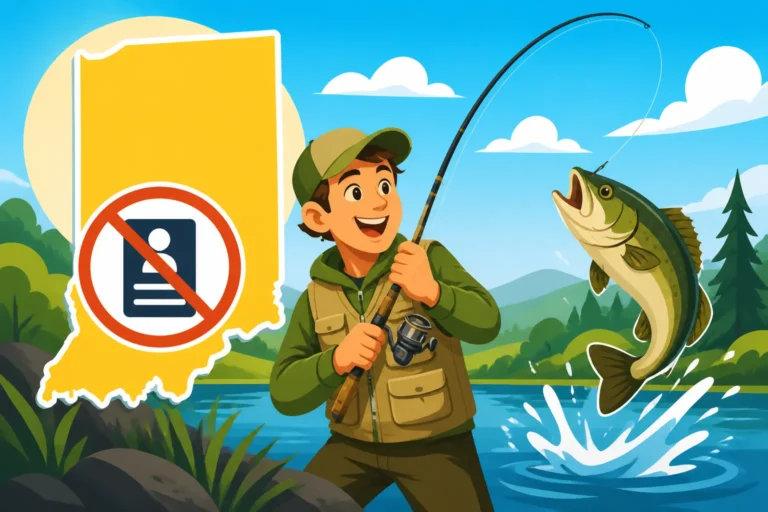
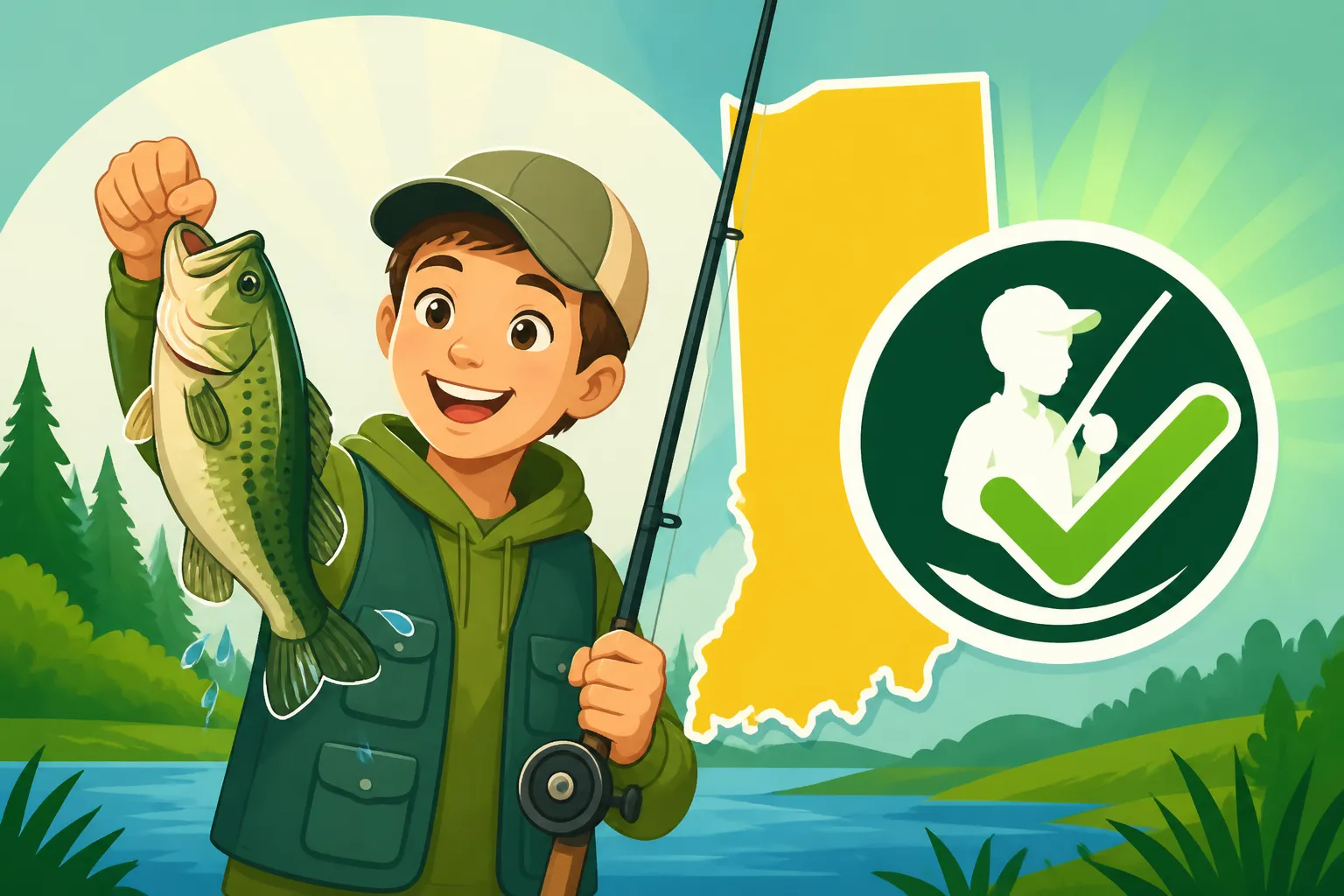
Let's cut right to the chase and ease your mind: in Indiana, anyone under the age of 18 does not need a fishing license to cast a line in public waters. That’s right – absolutely no license required! This applies whether they're a Hoosier native or just visiting from out of state. You don’t need to fill out forms, pay a fee, or carry any documentation for your child if they haven't reached their 18th birthday yet. This straightforward rule is one of the best ways Indiana encourages youth participation in fishing, making it incredibly accessible for families looking to spend quality time together outdoors. Imagine packing up the car for a spontaneous trip to a local lake or pond without having to double-check license expiry dates for the younger members of your crew. It’s a game-changer for stress-free planning.
This rule is a fantastic boon for families because it removes both the financial burden and the administrative hassle that can sometimes deter new anglers. Think about it: a resident annual fishing license for adults costs money, and while it's a worthwhile investment, having to purchase one for every child in the family could quickly add up. The state’s commitment to allowing kids to fish freely is a testament to its understanding of the importance of connecting youth with nature. So, next time you're planning an outing, remember that your little ones are good to go, no extra steps needed. It’s all about getting them out there and hooked on the joy of fishing.
What "Under 18" Really Means: Birthday Cutoffs
While the "under 18" rule seems pretty clear, it's worth diving a bit deeper into what that actually means in practical terms, especially when birthdays roll around. A child qualifies as "under 18" up until their 18th birthday. The moment they turn 18, the exemption ends, and they are then considered an adult in the eyes of Indiana fishing regulations. So, if your child's birthday is on June 15th, they can fish without a license on June 14th, but come June 15th, if they want to keep fishing, they'll need to have their own valid Indiana fishing license.
This might seem like a small detail, but it's important for parents to be aware of the exact cutoff. It’s a good idea to mark that 18th birthday on the calendar as a reminder to start thinking about purchasing their first official license. It can be a fun rite of passage, actually – a step into full angler responsibility. You might even consider making it a birthday gift! For more details on what adults need, you can read up on the current Indiana Resident Annual Fishing License Cost. Planning ahead can save you from an unexpected fine or a missed fishing opportunity on their big day.
Who Qualifies: Residents and Nonresidents Alike
One of the truly wonderful aspects of Indiana’s youth fishing policy is its inclusivity. It doesn't discriminate based on where a child calls home. Whether your child is a Hoosier through and through, or if you're visiting from a neighboring state like Ohio, Michigan, or Illinois for a family vacation, the "under 18, no license needed" rule still applies. This means that if you're planning a trip to one of Indiana's beautiful lakes, perhaps Monroe Lake or Patoka Lake, your visiting nieces, nephews, or grandchildren can join in the fishing fun without you needing to purchase a nonresident youth license, because such a thing simply doesn't exist.
This policy is incredibly beneficial for promoting family tourism and making Indiana an attractive destination for anglers with children. Imagine bringing your whole extended family for a reunion and being able to get all the kids out on the water together, knowing that their participation is completely license-free. This generosity ensures that every child, regardless of residency, has the opportunity to experience the thrill of catching a fish in Indiana's diverse waters. It truly levels the playing field for young anglers, ensuring that the magic of fishing is accessible to as many children as possible. You can explore other options for adults in the Indiana Nonresident Fishing License Guide.
Why Indiana Kids Fish for Free: The Philosophy Behind the Rule
It’s easy to think of fishing regulations as just a list of rules and fees, but often, there’s a thoughtful purpose behind them. Indiana’s decision to allow children to fish without a license isn’t just a random act of kindness; it's a strategic and deeply ingrained philosophy rooted in conservation, education, and community building. The state recognizes that today’s young anglers are tomorrow’s conservationists, and the best way to ensure the future of its natural resources is to get the next generation excited about them.
Fostering a Love for the Outdoors
One of the primary reasons Indiana has this "kids fish free" policy is to actively foster a deep appreciation and love for the outdoors from a young age. In an increasingly digital world, getting kids outside can be a challenge. Fishing offers a unique blend of adventure, patience, and connection with nature that few other activities can match. By removing the initial barrier of a license fee, the Indiana Department of Natural Resources (IDNR) makes it easier for parents and guardians to introduce children to this rewarding pastime.
Think about the first time a child feels a fish tugging on their line – that excitement is priceless. That moment can spark a lifelong passion for fishing, which naturally leads to a greater understanding of and respect for aquatic ecosystems. When kids learn to fish, they learn about fish species, water quality, and the importance of healthy habitats. This early exposure isn't just about catching fish; it's about building responsible future stewards of Indiana's rivers, lakes, and streams. It's an investment in the next generation's connection to Indiana's rich natural heritage.
Reducing Barriers for Families
Another key aspect of the "kids fish free" policy is its role in reducing barriers for families. Raising children can be expensive, and every additional cost for recreational activities can add up quickly. A fishing license for each child, on top of gear, bait, and travel expenses, could be enough to deter some families from trying fishing altogether. Indiana understands this reality and proactively removes that financial hurdle. This makes fishing one of the most affordable and accessible outdoor activities available to families across the state.
Beyond the financial aspect, it also simplifies the process. Parents already have enough on their plates. Not having to worry about purchasing, printing, or carrying licenses for multiple children streamlines planning and reduces stress. This allows families to focus on what truly matters: creating lasting memories together by the water. Whether it's a quick trip to a local pond after school or a full weekend camping and fishing adventure, the ease of participation for kids means more families can enjoy Indiana's beautiful fishing spots. For a deeper dive into general requirements, check out our Indiana Fishing License Requirements Explained guide.
Conservation and Future Anglers
While it might seem counterintuitive to let people fish for free if the goal is conservation, this policy is actually a smart long-term conservation strategy. The fees collected from adult fishing licenses directly fund conservation efforts, fish stocking programs, habitat restoration, and enforcement in Indiana. However, without a new generation of anglers to eventually buy those licenses, the funding stream for these vital programs would dwindle. By encouraging youth participation, Indiana is cultivating its future base of license holders and, by extension, future conservation advocates.
When children grow up fishing, they typically develop a greater appreciation for the resources. They learn about catch and release, sustainable practices, and the importance of adhering to bag limits and length limits. This hands-on education is far more impactful than simply reading about conservation in a textbook. It creates a personal connection that encourages responsible behavior and a willingness to contribute to conservation efforts as adults. So, while kids aren't directly contributing financially today, they are ensuring the longevity of Indiana's fishing traditions and the health of its aquatic environments for decades to come.
Navigating the Waters: When a License Becomes Necessary for Young Anglers
The free pass for kids is fantastic, but like all good things, it doesn't last forever. As your young angler grows, there will come a time when they transition from fishing freely to needing their very own license. Understanding this shift, along with any special stamps or reciprocal agreements, is crucial for keeping them on the right side of the regulations and ensuring their continued enjoyment of the sport without any legal hiccups. It's a natural progression, and being prepared means a seamless transition.
Turning 18: The Big Birthday and Your First License
The biggest milestone for any young angler in Indiana is undoubtedly their 18th birthday. This is the precise moment when the "under 18" exemption expires. From that day forward, they are legally considered an adult angler, and as such, they will need to purchase an Indiana fishing license to continue fishing legally in the state's public waters. This is a significant step, and it’s a great opportunity to teach them about adult responsibilities, including understanding and adhering to fishing regulations.
Preparing for this transition can be a fun family project. You can discuss the different types of licenses available, such as the Indiana Resident Annual Fishing License Cost or specialized licenses if they plan on fishing for specific species. There are also options for visiting anglers if they later move out of state, like the Nonresident 1-Day Fishing License Price: $9. They can even go through the process of Buying a Fishing License Online in Indiana themselves, giving them a sense of ownership over their angling future. This transition isn't a barrier; it's an initiation into the full community of responsible anglers who support conservation through their license purchases.
Special Stamps and Endorsements: Beyond the Basic License
While kids under 18 don't need a general fishing license, a common question arises regarding special stamps, particularly the Trout and Salmon Stamp. Many parents wonder, "Do kids need a Trout and Salmon Stamp to fish for trout?" The simple answer, for the vast majority of cases, is no. If a child is under 18 and fishing for trout or salmon, they do not need to purchase this additional stamp. The exemption covers all aspects of freshwater fishing in Indiana for minors. This is another way the state keeps it simple for younger anglers, ensuring no hidden requirements catch families by surprise.
However, it's always good practice to stay informed, especially as they approach their 18th birthday. Once they become an adult angler, the rules change. An adult will need a Trout and Salmon Stamp if they intend to keep trout or salmon in specific waters where these species are found, such as Lake Michigan or its tributaries. This stamp is an endorsement to their basic fishing license. For instance, if your now-18-year-old is planning a fall salmon run trip to Lake Michigan, they would definitely need the stamp in addition to their annual license. You can find more details in our article on Indiana Trout and Salmon Stamp Requirements. Keeping track of these details will ensure continuous legal and enjoyable fishing.
Understanding Reciprocity with Bordering States
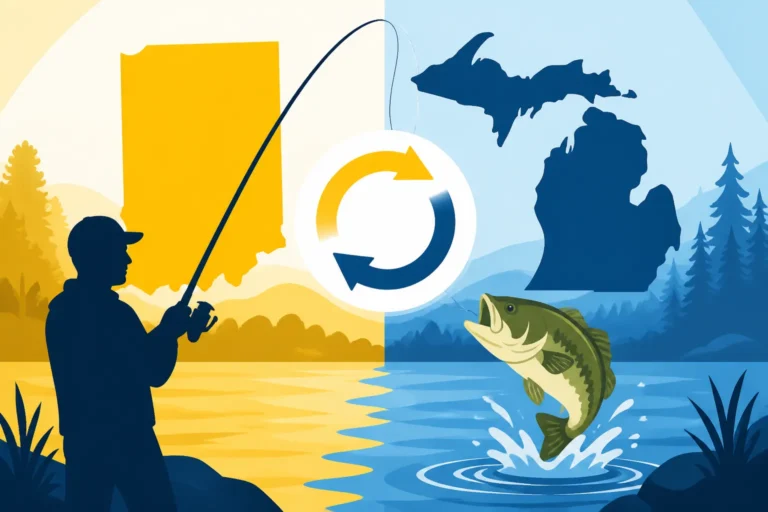
Indiana shares borders with several other fishing-friendly states, including Michigan, Ohio, Illinois, and Kentucky. This often leads to questions about license reciprocity, especially for young anglers who might live right on the state line or frequently visit relatives across state lines. The general rule of thumb is that Indiana’s "under 18, no license" policy applies only to waters within Indiana state lines. If your child fishes in waters that are part of a bordering state, they would need to abide by that state's regulations for youth fishing.
For instance, if you live near the Indiana-Michigan border and plan to fish in Michigan waters, your child's Indiana free pass won't apply there. Michigan has its own age requirements for youth licenses. The same goes for Ohio, Illinois, and Kentucky. While some bordering states have agreements for adults fishing shared boundary waters (like the Ohio River), these rarely extend to youth license exemptions across the board. Always check the specific regulations of the state you plan to visit. For example, you can learn about Indiana Fishing License Reciprocity With Ohio if you often cross the border. It's always better to be safe than sorry and ensure your child is compliant with the local laws, no matter which side of the state line they're wetting a line.
Here's a quick reference table to help visualize the requirements:
| Age Group | Indiana Fishing License Requirement | Special Stamps (Trout/Salmon) | Notes |
|---|---|---|---|
| Under 18 (Resident) | No license required | Not required | Applies to all public waters in Indiana |
| Under 18 (Nonresident) | No license required | Not required | Great for visiting family trips |
| 18 and Older (Resident) | Annual Resident Fishing License (or Fish-for-Life for seniors) | Required for certain species | Must be purchased before fishing |
| 18 and Older (Nonresident) | Annual Nonresident, 1-day, or 7-day license | Required for certain species | Options available for short trips |
| All ages on Free Fishing Days | No license required | Not required | Check specific dates; applies to residents and nonresidents |
Tips for Encouraging Youth Fishing and Making the Most of Free Opportunities
Having the freedom of license-free fishing for kids in Indiana is a huge advantage, but it’s just the first step. The real magic happens when you actively encourage and support their interest in fishing. It’s about creating an engaging, fun, and accessible experience that builds confidence and a lasting appreciation for the sport. From choosing the right spots to getting the right gear, there are many ways to make fishing a highlight of your child's outdoor adventures.
Starting Small: Ponds and Easy Access Spots
When introducing kids to fishing, especially young ones, it’s crucial to start with locations that offer a high chance of success and are easy to access. Big, challenging lakes with complex fishing techniques might quickly lead to frustration. Instead, opt for smaller, well-stocked ponds or calm, accessible areas of larger lakes known for panfish like bluegill and crappie. These species are typically abundant, eager biters, and relatively easy for beginners to catch, providing that instant gratification that keeps kids engaged.
Look for local park ponds, community fishing sites, or even private farm ponds (with permission, of course!). These spots often have good bank access, restrooms, and other amenities that make a family outing more comfortable. The Indiana DNR often stocks many urban and community fishing ponds specifically for family-friendly opportunities. The goal isn't to catch a trophy bass on the first try; it's to have fun, feel that tug on the line, and build positive associations with fishing. Consider exploring our guide on Best Fishing Spots for Beginners in Indiana for some excellent starting points.
Gear for Little Anglers: Keeping it Simple and Fun
One of the biggest mistakes parents make when introducing kids to fishing is giving them oversized, complex, or adult-style gear. For young children, simplicity and ease of use are paramount. A basic spincast rod and reel combo is usually the best choice. These setups are inexpensive, durable, and incredibly easy for small hands to operate, often with just a push-button casting mechanism. Look for combos that are brightly colored and sized appropriately for a child, which you can easily find on platforms like Amazon.
Beyond the rod and reel, keep the tackle minimal. A small tackle box with hooks, sinkers, bobbers, and a few artificial lures is more than enough. Live bait like worms or crickets are often the most effective and exciting for kids. A small, lightweight net can add to the excitement of landing a fish. Remember, the goal is to make it easy and enjoyable, not overwhelming. Investing in a good quality but simple "kid's fishing kit" can make all the difference. Check out our recommendations for Best Rod and Reel Combos for Kids Fishing to ensure you pick something suitable.
Participating in Free Fishing Days
While Indiana kids can fish without a license every day of the year, the state's official Free Fishing Days are still fantastic opportunities to get the whole family involved, including any adult friends or relatives who might not have an annual license. These designated days waive the fishing license requirement for everyone, residents and nonresidents alike, regardless of age. It's an excellent chance for adults to experience fishing without the commitment of purchasing a full annual license, and it creates a communal, celebratory atmosphere around the sport.
Indiana typically offers several free fishing days throughout the year, usually in May, June, and September. These dates often coincide with other outdoor events or holidays, making them perfect for family outings or group activities. It’s an ideal time to invite extended family or friends who are curious about fishing but hesitant to buy a license. While the kids are already covered, these days just sweeten the deal for the whole group. Make sure to check the official IDNR calendar for the exact dates each year to maximize these opportunities. You can find more information in our Indiana Free Fishing Days Guide.
Common Questions and Misconceptions About Kids Fishing Regulations
Even with clear rules, sometimes specifics can get a little muddy, leading to common questions and misunderstandings, especially regarding kids and fishing licenses. It's easy to assume that if a child is fishing for free, all other regulations might also be relaxed. However, that’s not always the case. Understanding these nuances will ensure your young angler has a fun, safe, and fully compliant experience every time they hit the water.
Do Kids Need a Trout and Salmon Stamp?
This is perhaps one of the most frequently asked questions, and it’s a valid one! When an adult angler plans to fish for or keep trout and salmon in Indiana, they are typically required to purchase an additional Trout and Salmon Stamp on top of their general fishing license. So, it's natural to wonder if this applies to kids who are fishing license-free. The good news is, no, kids under 18 do not need a Trout and Salmon Stamp.
The exemption for youth anglers covers all general fishing activities, including targeting species that might otherwise require a special stamp for adults. This means your child can proudly reel in a rainbow trout from a stocked stream or try their hand at catching a salmon from Lake Michigan without you needing to worry about purchasing that extra stamp for them. This simplifies things immensely and ensures that the thrill of catching these prized fish is fully accessible to young anglers. The only time this would change is on their 18th birthday, when they transition to adult angler status. For more specific details, our article, Do You Need a Trout and Salmon Stamp to Fish for Trout?, provides extensive information for all ages.
What if My Child is Fishing a Tournament?
Tournament fishing can be a thrilling experience, even for young anglers. However, it introduces a layer of complexity regarding licenses. The fundamental rule remains: if your child is under 18, they do not need a general Indiana fishing license, even to participate in a tournament. This applies whether it’s a local club event or a larger youth fishing circuit. The state’s exemption is based solely on age, not on the type of fishing activity.
However, parents and guardians should always be diligent about checking the specific rules and requirements of the tournament organizer itself. Some tournaments, especially those that might extend across state lines or have specific categories, might have their own administrative requirements, registration fees, or rules regarding parental supervision. While the state doesn’t require a license, the tournament might have other guidelines. It's always best to contact the tournament director directly to confirm any special provisions for youth participants. For adults considering tournaments, our guide on Tournament Angler License Rules and Requirements offers helpful insights.
How to Prepare for the Transition to a Paid License
That 18th birthday will sneak up faster than you think! While it marks the end of license-free fishing, it’s also an exciting new chapter for your young angler. Preparing them for this transition is about more than just buying a license; it’s about empowering them to be a responsible and independent angler. Start by having conversations about the importance of licenses for funding conservation, explaining where those fees go, and how they contribute to the health of Indiana's fisheries.
Encourage them to research the different types of licenses available, such as an Indiana Resident Annual Fishing License Cost: $23 a Year, or perhaps a longer-term option if they qualify for senior discounts later in life, like the Indiana Senior Fish-for-Life License Cost: $23 One-Time. Walk them through the process of purchasing a license online or at a local vendor, like a bait shop or a Walmart that sells licenses. This hands-on experience will not only prepare them for future renewals but also instill a sense of pride and ownership in their role as a contributing member of the angling community. It's a natural progression that helps them understand the bigger picture of sustainable fishing.
Disclaimer
Please remember that fishing regulations, costs, and requirements can change. While every effort has been made to provide accurate and up-to-date information in this guide, it is always your responsibility to verify the current rules with the official Indiana Department of Natural Resources (IDNR) or a licensed agent before engaging in any fishing activities. This article is for informational purposes only and does not constitute legal advice.