Best Coolers for Keeping Fish Fresh on a Boat
There's nothing quite like the thrill of reeling in a beautiful catch on Indiana's waters, but that excitement can quickly turn to frustration if you can't keep your hard-won fish fresh. Whether you're out on the vast expanse of Lake Michigan or enjoying a quiet day on one of our state's many inland lakes, the struggle of maintaining optimal temperature for your fish until you get home is real. This guide is all about helping you navigate the world of fishing coolers, ensuring your catch stays as pristine as the moment it came out of the water, and making sure your fish tastes its best on the dinner table.
Why a Good Cooler is Non-Negotiable on the Water
Let's be honest, we've all been there. You're having an incredible day, the fish are biting, and your stringer is looking impressive. Then, as the sun beats down and the hours tick by, you start to worry. Is that bucket of ice really doing its job? Is your hard-earned meal going to spoil before you even get a chance to clean it? A dedicated, high-quality cooler isn't just a nice-to-have; it's an essential piece of gear for any serious angler who values their catch and wants to make the most of their time on the water.
The Perils of Improper Fish Storage
Indiana's fishing seasons bring a wide range of temperatures. A cool spring morning can turn into a scorching afternoon, and even during cooler months, the sun's rays can quickly degrade your catch. When fish aren't kept adequately chilled, the natural enzymes and bacteria start working overtime. This process, often referred to as spoilage, leads to a rapid decline in quality. You'll notice changes in texture, a fishy odor that isn't fresh, and a distinct loss of flavor. Nobody wants to spend hours targeting beautiful walleye or bass, only to have them turn unappetizing by the time they reach the cleaning station.
Beyond the culinary disappointment, there are food safety concerns. Bacteria can multiply quickly in warm conditions, potentially making your fish unsafe to eat. Imagine the effort of reeling in a trophy bass from Monroe Lake or a feisty salmon from Lake Michigan, only to have to discard it due to poor handling. It’s a heartbreaking scenario that’s easily avoidable with the right equipment. Proper cooling immediately after the catch is the first and most critical step in preserving that fresh-from-the-water taste and ensuring your meal is safe and delicious.
Beyond Just Keeping Ice
While ice retention is undoubtedly a cooler's primary job, modern fishing coolers offer so much more. Think about the abuse a cooler takes on a boat: it's bumped, scraped, exposed to sun and spray, and often doubles as a seat or even a casting platform. A truly great fishing cooler needs to withstand these demands day in and day out. It’s about insulation, yes, but also about the quality of the materials, the robustness of the hardware, and even how easy it is to clean after a messy day of bringing in a limit of Indiana Panfish Guide: Crappie, Bluegill, and Sunfish.
Consider portability: how easily can you get it from your vehicle to the boat, especially if it's loaded with ice and fish? What about stability on deck? Will it slide around in choppy waters or when you make a sharp turn? And the little things, like a drain plug that actually works and doesn't get lost, or latches that are easy to operate but secure enough to keep everything sealed. These aren't just minor conveniences; they contribute to the overall effectiveness and longevity of your cooler, turning it from a simple box into a reliable piece of fishing infrastructure.
Key Features to Look for in a Boat Fishing Cooler
Choosing the right cooler can feel a bit overwhelming with all the options out there. It's not just about picking the biggest or most expensive one; it's about finding the right balance of features that suit your specific fishing style and boat. Let's break down what really matters when you're making this important decision.
Insulation and Ice Retention Power
This is the cornerstone of any good fishing cooler. You want your ice to last, plain and simple. The top-tier coolers these days often boast "rotomolded" construction. This manufacturing process creates a seamless, incredibly durable piece with consistent wall thickness, allowing for superior insulation. These coolers typically feature thick, pressure-injected polyurethane foam in their walls and lids, which acts as a thermal barrier.
But it's not just about the foam. Look for coolers with heavy-duty freezer-grade gaskets around the lid. These create an airtight seal, preventing cold air from escaping and warm air from sneaking in. Robust, often rubberized, latching systems are crucial for maintaining this seal, even when the cooler is bouncing around on the boat. Some coolers even have insulated lids that are almost as thick as the walls. For anglers who spend long hours on the water, or who are targeting species that require extensive cooling like salmon during the Chinook Salmon Fishing on Indiana's Lake Michigan Shore, multi-day ice retention isn't just a marketing claim; it's a necessity. You might even find yourself on a multi-day trip on one of Best Boats for Indiana's Big Lakes, and in those cases, maximum ice retention is key.
Durability and Construction for Marine Environments
A fishing cooler lives a tough life. It's constantly exposed to saltwater or freshwater spray, UV rays from the sun, fish slime, blood, and the occasional dropped tackle box. This means the materials and construction need to be top-notch. Look for UV-resistant plastics that won't degrade and become brittle under constant sun exposure, which is particularly important on those bright, sunny Indiana summer days.
The hardware is equally important. Hinges, latches, and drain plugs should be made from marine-grade stainless steel or robust, non-corrosive plastics. Nothing is more frustrating than a latch snapping or a hinge breaking midway through a trip. Many premium coolers are designed to be so tough they can double as a comfortable seating area on your boat or even a stable casting platform, offering extra utility when deck space is at a premium. This kind of rugged construction means your investment will last for years, enduring countless fishing adventures.
Size, Shape, and Portability Considerations
The "right" size cooler depends entirely on what and where you're fishing. Are you targeting panfish in a small pond, or are you hoping to land a limit of large walleye from a lake with Indiana Walleye Length Limits by Lake? For smaller catches or limited boat space, a compact, upright cooler might be perfect. For longer fish like salmon or pike, a longer, narrower cooler is ideal to prevent bending the fish and damaging their quality.
Consider your typical catch volume. It's better to have a slightly larger cooler than one that's always overflowing. However, don't get a cooler so big it becomes unwieldy or takes up too much precious deck space. Think about how you'll get it to and from the boat. Some larger coolers come with wheels, which can be a lifesaver, especially when you're trying to haul a cooler full of ice and fish from the truck to the dock. Sturdy, comfortable handles are a must, ideally ones that can be gripped with both hands when the cooler is heavy.
Essential Features for Anglers
Beyond the core functions, there are several angler-specific features that can make a real difference in your fishing experience:
- Drain Plugs: Look for oversized, leak-proof drain plugs that are easy to open and close, even with cold, wet hands. Tethered plugs are a huge bonus, as they prevent you from losing them overboard.
- Non-Slip Feet: Rubber or silicone feet on the bottom of the cooler will keep it securely in place on a wet, rocking boat deck, preventing it from sliding around during transport or while fighting a fish.
- Integrated Fish Ruler: Many cooler lids feature a molded-in fish ruler. This is incredibly handy for quickly checking if your catch meets the legal length requirements before placing it in the cooler, especially when fishing areas with strict regulations like those outlined in Lake Michigan Fishing Rules for Indiana Anglers.
- Easy-to-Clean Interior: A smooth, non-porous interior surface is crucial for easy cleanup. Fish blood and slime can harbor bacteria and odors, so a cooler that wipes down easily and doesn't stain is invaluable.
- Dry Baskets/Dividers: Some coolers offer internal baskets or dividers. These are great for keeping items like sandwiches, snacks, or even delicate bait separate and dry, away from the icy fish below. This prevents your lunch from getting soggy and your bait from freezing solid.
Types of Coolers for Different Indiana Fishing Scenarios
The world of fishing coolers has expanded dramatically, offering solutions for just about every type of angler and fishing situation imaginable. Knowing the pros and cons of each type will help you select the best fit for your adventures on Indiana's diverse waterways.
Hard-Sided Roto-Molded Coolers
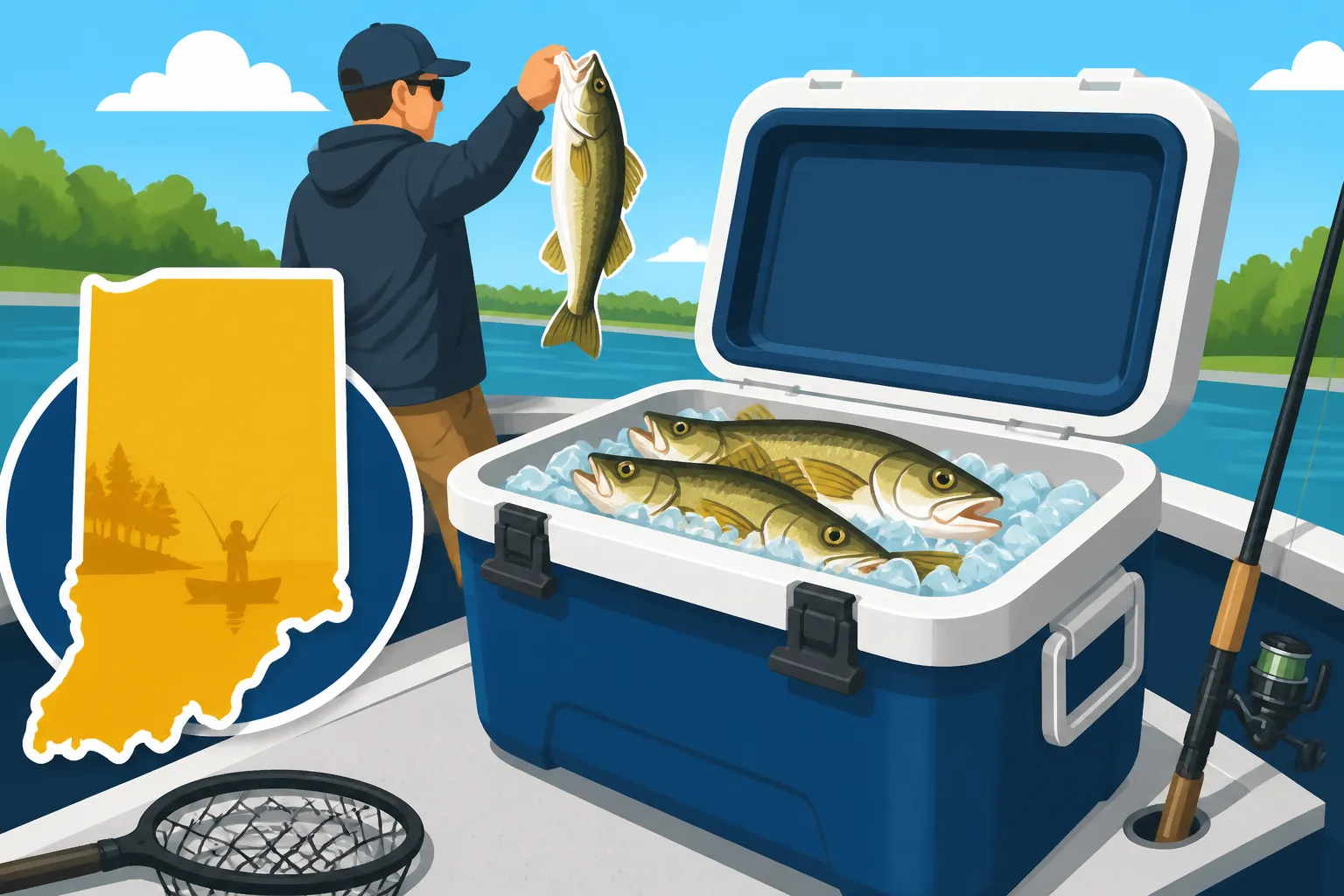
These are the heavyweights of the cooler world, quite literally. When anglers talk about "high-performance coolers," they're usually referring to rotomolded models. Their construction ensures incredible durability, often making them bear-resistant and virtually indestructible under normal fishing conditions. The thick insulation and superior seals mean they can hold ice for days, even in the scorching Indiana summer heat. This is paramount for keeping large game fish like bass from Largemouth Bass Fishing in Indiana: The Complete Guide or trophy catfish from the Wabash River fresh for an extended period.
Pros:
- Exceptional Ice Retention: They excel at keeping contents cold for multiple days.
- Unmatched Durability: Built to withstand harsh environments, impacts, and heavy loads. They can often double as a sturdy seat, a step-up platform, or even a standing platform for sight fishing.
- Premium Features: Often come with quality hardware, secure latches, and integrated rulers.
Cons:
- Weight and Bulk: They are significantly heavier and bulkier than other types, even when empty. This can make transport challenging, especially if you're loading it alone.
- Cost: These are typically the most expensive cooler option upfront.
- Less Flexible: Their rigid structure means they don't conform to tight spaces as easily.
For serious anglers targeting larger species or spending long days on the water, a quality rotomolded cooler is a fantastic investment. You can find a wide range of these robust coolers at specialty outdoor retailers like Bass Pro Shops, where you can compare different sizes and features in person.
Soft-Sided Coolers and Insulated Fish Bags
On the other end of the spectrum are soft-sided coolers and specialized insulated fish bags. These options prioritize portability and flexibility, making them incredibly popular for anglers with smaller boats, kayaks, or those who prefer shore fishing. A lot of folks who enjoy Kayak Fishing Gear for Indiana Waters find these types of coolers invaluable.
Soft-sided coolers are typically made from durable fabrics like heavy-duty nylon or vinyl, often with waterproof liners and zippered closures. Fish bags are essentially oversized, insulated duffel bags designed specifically for fish, often featuring robust zippers and heavy-duty handles.
Pros:
- Lightweight and Portable: Much easier to carry, especially when empty.
- Collapsible/Flexible: Many soft-sided coolers and fish bags can be collapsed for easier storage, which is a huge advantage in small boats or tight spaces.
- More Affordable: Generally less expensive than their hard-sided counterparts.
- Easy Access: Often have wide openings for quickly loading and unloading fish.
Cons:
- Shorter Ice Retention: While insulated, they typically don't hold ice as long as rotomolded coolers, usually good for a day trip.
- Less Durable: The fabric construction can be more susceptible to punctures or tears over time.
- No Seating Option: Cannot be used as a seat or platform.
These coolers are perfect for half-day trips, bringing along bait, or for those times when space and weight are critical factors. You can find a fantastic selection of soft-sided coolers and insulated fish bags on Amazon, offering a diverse range of brands, sizes, and price points to fit your needs. They're also great for those quick trips targeting smallmouth bass in the Tippecanoe River or panfish on a local pond.
Livewells and Integrated Cooler Systems
Many modern fishing boats, especially those designed for serious tournament fishing or multi-species angling, come equipped with built-in livewells or insulated compartments that can sometimes double as coolers. Livewells are specifically designed to keep fish alive, circulating fresh, aerated water. However, some larger livewells, particularly those not actively being used for live bait or tournament catches, can be repurposed for iced fish.
Pros:
- Space-Saving: Integrated into the boat's design, they don't take up additional deck space.
- Convenience: Always there, always ready.
- Multi-Purpose: A livewell can switch from keeping bait alive to keeping your catch fresh with a quick clean and addition of ice.
Cons:
- Less Flexible: You can't move them around, and their size and shape are fixed.
- Varying Insulation: The insulation in integrated compartments can vary greatly; some are very efficient, while others are essentially just uninsulated bins. They might not match the ice retention of a dedicated high-end cooler.
- Cleaning Challenges: Can sometimes be harder to thoroughly clean and drain, especially if they have intricate plumbing for aeration.
If your boat has a well-insulated, integrated compartment, it can be a fantastic asset. Just be sure to test its ice retention capabilities before relying on it for a big catch on a hot day. For optimal results, you might still consider a dedicated hard-sided cooler for your primary catch storage, using the integrated system for additional fish or as a secondary spot for smaller species.
| Cooler Type | Ice Retention | Durability | Portability | Best Use Case |
|---|---|---|---|---|
| Hard-Sided Roto-Molded | Excellent (3-7+ days) | Extremely High | Low (heavy, bulky) | Long trips, large fish, harsh conditions, multi-day |
| Soft-Sided | Good (12-36 hours) | Moderate | High (light, flexible) | Day trips, small boats/kayaks, bait, easy transport |
| Insulated Fish Bag | Good (12-36 hours) | Moderate | Very High (collapsible) | Kayaks, small boats, specific fish species (e.g., salmon) |
| Integrated/Livewell | Varies (can be good) | High (part of boat) | None (fixed) | Convenience, space-saving, secondary storage |
Tips for Maximizing Your Cooler's Performance
Buying the best cooler is only half the battle. How you use and maintain it makes a huge difference in how well it performs. A few simple tricks can dramatically extend your ice life and keep your fish in prime condition, from the moment you land them to the moment you break out your Best Fillet Knives for Cleaning Your Catch.
Pre-Chilling is Key
This is one of the most overlooked steps, but it's incredibly effective. Putting ice into a warm cooler is like putting a cold drink into a hot cup—a lot of that initial ice will melt just to bring the cooler's internal temperature down. To prevent this "sacrificial ice" from being wasted, pre-chill your cooler.
The easiest way is to throw a bag of cheap ice (or even a few frozen water bottles) into the cooler the night before your trip. Let it sit overnight, absorbing the heat from the cooler's walls. In the morning, dump out the melted ice and residual water, then load your fresh, premium ice. Some dedicated anglers even store their coolers in a cool basement or garage, or even briefly in a walk-in freezer if they have access. This simple step can add hours, or even a full day, to your ice retention, which is invaluable when you're spending a full day chasing How to Catch Catfish: Bottom Fishing and Trotline Techniques or Largemouth Bass Fishing in Indiana: The Complete Guide.
The Right Ice, The Right Way
Not all ice is created equal when it comes to cooler performance.
- Block Ice vs. Crushed Ice: Block ice melts much slower than crushed or cubed ice because it has less surface area exposed to the air. If you can, use a large block of ice at the bottom of your cooler, then supplement with cubed ice for packing around the fish. Frozen gallon jugs of water also work wonderfully as large ice blocks, and you get cold drinking water as a bonus!
- Layering Fish and Ice: Don't just toss your fish on top of the ice. Create layers. Start with a bed of ice, then a layer of fish, then more ice, and so on. Make sure fish are completely surrounded by ice for maximum cooling. The goal is to get the fish's core temperature down as quickly as possible.
- Drain Plug Strategy: This is a debated topic, but generally, for maximum ice retention, keep your cooler's drain plug closed. The cold water created by melting ice actually helps keep the remaining ice colder. However, if your cooler is getting really full of fish and you need to keep things as clean as possible, or if you're trying to quickly chill a lot of fish, you might consider draining off some water occasionally to make room for more ice or reduce sloshing. For long-term storage or delicate species, keeping the plug closed is usually best.
Handling Your Catch Before It Hits the Cooler
The quality of your fish starts the moment it's caught. How you handle it before it goes into the cooler makes a huge difference.
- Bleeding Fish: For many species, especially larger ones like salmon, walleye, or even substantial bass, bleeding the fish immediately after catching it can greatly improve the meat quality. It removes blood from the flesh, resulting in a cleaner, milder flavor and better appearance. Simply cut a gill arch or the throat and let it bleed out in a bucket of water or over the side of the boat for a few minutes before putting it on ice.
- Gutting (Optional): For multi-day trips or if you won't be cleaning your fish for several hours, gutting them on the boat can help. This removes the internal organs that contain enzymes that contribute to spoilage. Just make sure you understand the regulations for your specific fishing area, as some places have rules about possessing filleted or gutted fish on the water.
- Rinsing: A quick rinse of your fish with clean water can remove surface slime and debris before placing it on ice, further contributing to a cleaner, fresher final product.
- Shade is Your Friend: Before they even hit the ice, try to keep your fish out of direct sunlight as much as possible. A bucket of water, a wet towel, or simply placing them in the shade until you can get them into the cooler will make a difference.
Cleaning and Maintenance
Your cooler works hard for you, so give it a little love in return.
- Prompt Cleaning: As soon as you're done using your cooler, especially after storing fish, clean it thoroughly. Use warm, soapy water and a brush to scrub all surfaces. Pay special attention to the corners and around the drain plug where gunk can accumulate. For stubborn odors, a diluted bleach solution (one part bleach to ten parts water) or a baking soda paste can work wonders.
- Rinse and Dry: Rinse the cooler completely with fresh water and allow it to air dry thoroughly with the lid open. This prevents mildew and persistent odors. Never store a cooler with the lid latched shut if it's still damp inside.
- Store Properly: Store your cooler in a cool, dry place. Keeping it out of direct sunlight when not in use will help prolong the life of the plastic and seals. Check the latches, hinges, and drain plug periodically for wear and tear, and replace any damaged parts. A well-maintained cooler will serve you well for many seasons of enjoying the Best Fishing Spots in Indiana.
Disclaimer
This article is for general informational purposes only and does not constitute professional advice. Laws, prices and regulations vary by location and change over time. Consult a qualified professional for guidance on your specific situation.