Best Boats for Fishing Monroe Lake in Indiana
Oh, Monroe Lake! It's Indiana's largest inland lake, a magnificent body of water that draws anglers from all over for its incredible bass fishing, crappie hauls, and tranquil coves. But if you've ever tried to fish it with the wrong boat, you know the frustration: fighting waves in a tiny jon boat, struggling to maneuver in tight spots with a huge deep-V, or simply not having the right setup for the species you're chasing. This guide is here to walk you through everything you need to know about selecting the absolute best boat for fishing Monroe Lake, ensuring your time on the water is filled with enjoyment and, hopefully, plenty of fish.
Understanding Monroe Lake's Unique Demands
Monroe Lake isn't just another pond; it's a massive reservoir with diverse characteristics that can significantly impact your fishing experience. Knowing what to expect from this vast body of water is the first step in choosing the perfect vessel.
Size and Scope of Monroe Lake
Let's talk scale. Monroe Lake sprawls across over 10,000 acres, boasting more than 100 miles of shoreline when the water levels are up. This isn't your local farm pond, where a small rowboat will do. Its sheer size means you'll often be covering significant distances, especially if you're exploring different coves or chasing migratory patterns. Trying to cross the main lake on a windy day in a small, underpowered craft can quickly turn a peaceful outing into a white-knuckle ride. The expanse demands a boat that can handle both the journey and the fishing conditions once you arrive. You might start your day fishing a quiet, shallow cove, only to decide to run across a wide-open expanse to another promising spot later. A boat that can comfortably navigate both scenarios without making you feel like you're taking a risk is key.
Water Conditions and Weather Considerations
Monroe Lake is notorious for changing its mood in a hurry. Calm, glassy mornings can give way to choppy, wind-whipped afternoons, especially on the larger, more exposed sections of the main lake. These conditions aren't just uncomfortable; they can be downright dangerous in an unsuitable boat. Larger waves, often kicked up by prevailing winds or even recreational boat traffic, require a hull design that can cut through the chop and provide a stable, dry ride.
Beyond the wind, water depth can vary dramatically. You'll encounter vast stretches of deep water, particularly near the dam and old creek channels, but also numerous shallow flats, stump fields, and submerged timber. A boat with a draft that's too deep might limit your access to some prime shallow-water fishing grounds, while a boat that's too shallow-friendly might leave you feeling vulnerable when the waves pick up. Considering the potential for swift weather changes and unpredictable chop is crucial when planning your Indiana Boater Safety Gear Checklist and, of course, your boat choice.
Primary Fishing Challenges on Monroe Lake
Fishing Monroe Lake presents its own set of challenges, from navigating submerged structure to adapting to varying water clarity. Bass anglers, for instance, spend a lot of time pitching and flipping into heavy cover, often requiring precise boat positioning. Crappie anglers might be spider-rigging dozens of poles, needing a stable platform that can drift slowly or be held steady by a robust trolling motor.
The lake's clear-to-stained water conditions can also dictate fishing techniques, which in turn influences boat setup. For example, if you're primarily sight-fishing for bass in clear water, a stable boat platform that allows for easy standing and casting is invaluable. If you're targeting fish in deeper channels, powerful electronics become paramount. Furthermore, Monroe Lake sees a fair amount of recreational traffic during peak season, which means dealing with wakes and crowded ramps. Your boat should be capable of handling these elements without making your fishing trip unnecessarily stressful.
Common Boat Types Perfect for Monroe Lake
Given Monroe's diverse nature, a few boat types stand out as excellent choices for anglers. Each has its strengths and weaknesses, so let's dive into what makes them suitable.
Bass Boats
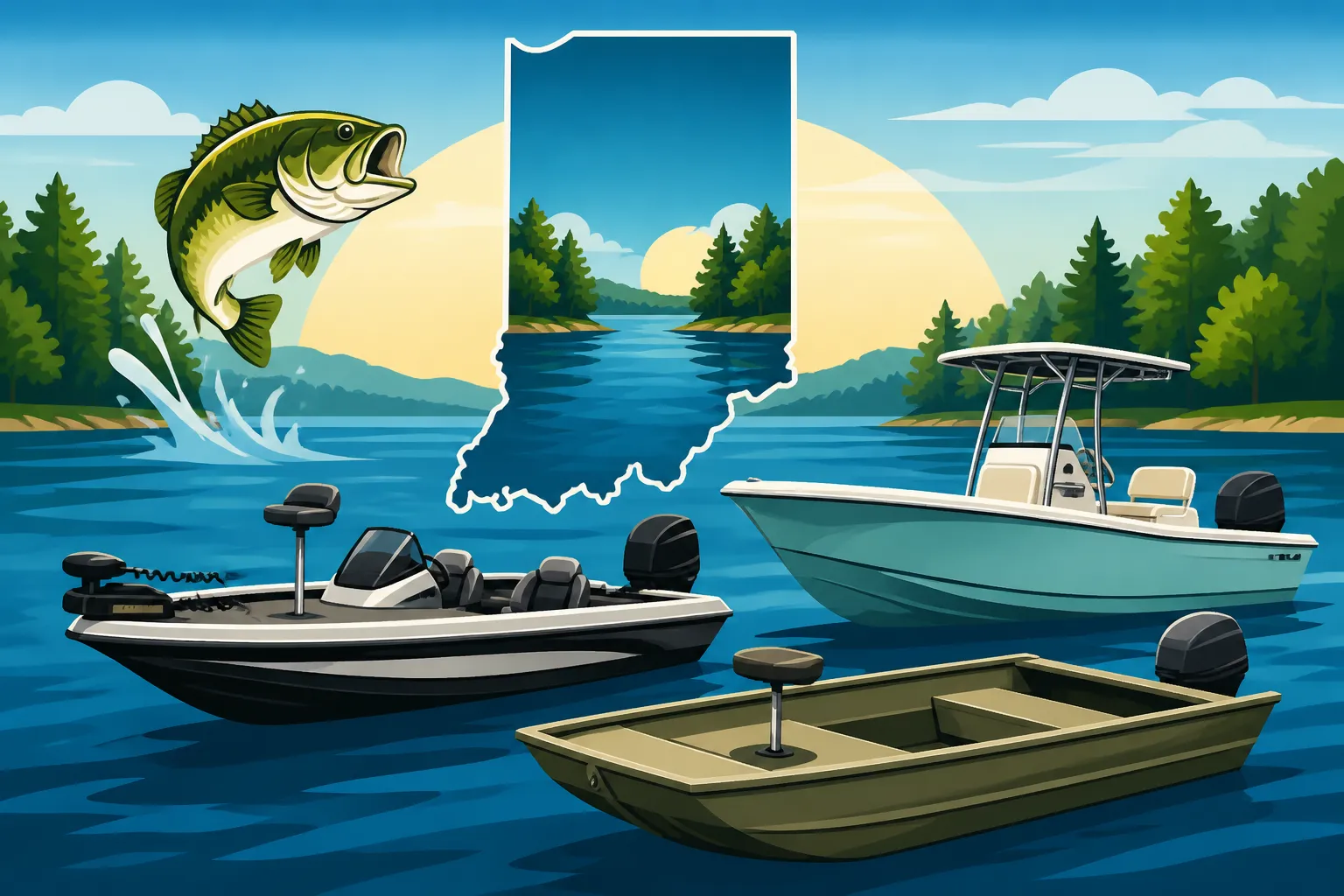
Ah, the classic bass boat. If your heart beats for largemouth and smallmouth, a bass boat is often the first thing that comes to mind. These sleek, powerful machines are purpose-built for bass fishing, offering incredible speed to get you to your spot fast, expansive casting decks, and often a ton of storage for rods, tackle, and livewells. Modern bass boats, especially those from reputable brands, are designed to handle a fair amount of chop, making them surprisingly capable on Monroe's main lake, even when it gets a little bumpy.
Their low profile and quick response make them ideal for navigating tight shorelines, pitching into cover, and making precise casts. The powerful trolling motors often found on these boats are essential for silently positioning over structure or holding against the wind. Many serious bass anglers wouldn't consider anything else for a lake like Monroe, especially if they're focused on tournaments or simply want to maximize their time targeting bass. Best Boats for Fishing Monroe Lake in Indiana will often highlight these vessels as the top choice for dedicated bass heads.
Multi-Species and Walleye Boats
While bass boats are phenomenal for their specific niche, multi-species or walleye boats offer a versatile alternative that many Monroe Lake anglers appreciate. These boats typically feature higher gunwales (the top edge of the boat's side) and a deeper V-hull, which helps them ride much smoother in rougher water. If you plan to fish for crappie, walleye, or even venture into different techniques beyond just bass, a multi-species boat can be a fantastic option.
They often have ample space for multiple anglers, can accommodate various rod holders for trolling or spider-rigging, and provide a dryer ride when the wind howls across the lake. While they might not be as blisteringly fast as a dedicated bass boat, their comfort and ability to tackle a wider range of conditions and fishing styles make them a strong contender for anyone who loves to switch up their target species. Think about the convenience of having one boat that performs well whether you're chasing Best Crappie Spots on Monroe Lake or venturing out for other species.
Pontoon Boats
"A pontoon for fishing?" you might ask, and yes! Modern fishing pontoons are far from the slow, sun-bathing barges of yesteryear. Today's fishing pontoons come equipped with dedicated fishing stations, livewells, rod holders, and even powerful trolling motors. What they lack in raw speed compared to a bass boat, they more than make up for in sheer space, stability, and comfort.
For families, groups of friends, or anglers who value a stable platform and ample room to move around, a pontoon is an excellent choice for Monroe Lake. You can easily set up multiple lines, have room for coolers, gear, and even a grill for a mid-day cookout. Their stability is a huge advantage when fishing with kids or older anglers, and they handle chop remarkably well for their design. While they might not get you to your secret spot in record time, they offer a relaxing and highly functional fishing experience, perfect for a day on Monroe Lake: Indiana's Largest Lake for Bass Fishing with the whole crew.
Jon Boats and Small Aluminum Rigs
For the budget-conscious angler or someone who primarily fishes smaller coves and shallower areas, a jon boat or a smaller aluminum V-hull can still be a viable option on Monroe Lake. These boats are typically lighter, easier to launch and retrieve, and more fuel-efficient. They shine in tight, shallow areas where larger boats might struggle, allowing you to access hidden pockets of fish.
However, it's crucial to acknowledge their limitations on a lake the size of Monroe. They are generally not built for handling significant chop and can provide a very wet and uncomfortable ride on windy days. If you opt for a jon boat, make sure it's appropriately sized and powered for the lake's conditions, and always prioritize safety. This means checking the weather forecast religiously and sticking to calmer areas. While they might not be the primary choice for venturing across the entire lake, a well-equipped jon boat can still provide fantastic fishing opportunities in specific areas, especially if you outfit it with a good trolling motor for silent maneuvering.
Factors to Consider When Choosing Your Monroe Lake Fishing Boat
Selecting the perfect boat isn't just about picking a type; it's about matching that type to your personal fishing style, budget, and priorities.
Budget and Long-Term Costs
Let's be real, boats are an investment. When considering your budget, it's not just the sticker price of the boat itself. You need to factor in the cost of a suitable motor, a reliable trailer, and essential safety gear. Beyond the initial purchase, think about ongoing expenses: fuel, insurance, maintenance (especially for the motor), storage, and potential upgrades like electronics or a better trolling motor. A larger, more complex boat will generally have higher running costs.
Sometimes, a slightly smaller, simpler boat might fit your budget better in the long run, leaving more money for tackle, bait, and actual fishing trips! Remember to check out places like Bass Pro Shops or Amazon for accessories and gear to keep costs down on items like Best Life Jackets for Indiana Boaters or Best Trolling Motors for Indiana Bass Boats.
Primary Target Species and Fishing Style
What do you really want to catch on Monroe Lake, and how do you like to fish?
- Bass Anglers: If trophy largemouth or smallmouth are your obsession, a bass boat offers the speed, casting decks, and specialized storage you crave. For finesse techniques, a stable platform is key. For power fishing, the ability to run fast from spot to spot is crucial.
- Crappie Anglers: Stability is paramount. Pontoon boats or multi-species boats provide ample room for multiple rod setups and comfortable seating for a full day of spider-rigging or jigging.
- Family Anglers / Mixed Bag: If you're bringing the family, or want to enjoy a wider variety of fishing and recreation, a pontoon or a versatile multi-species boat makes the most sense. They offer comfort and adaptability.
- Casual or Solo Anglers: A smaller aluminum boat or a jon boat might be perfect if you're exploring shallow coves alone or with just one other person, prioritizing ease of launch and fuel efficiency over speed or rough-water capability.
Your primary fishing interest should heavily influence your boat choice. An angler dedicated to Where to Catch Trophy Bass on Monroe Lake will likely have different boat needs than someone focused on panfish in quiet channels.
Angler Capacity and Comfort
How many people do you typically fish with? Are you a solo angler, do you always bring a buddy, or is it a family affair with kids and grandparents?
- Solo or Duo: A smaller bass boat, jon boat, or aluminum V-hull works well.
- Two to Three Anglers: Many bass boats and multi-species boats are designed for two primary anglers, but can accommodate a third for shorter trips or if they're not actively fishing.
- Three or More / Family: This is where pontoons really shine, offering abundant seating, space to move around, and often shade. Larger multi-species boats can also work, but pontoons provide unmatched comfort for larger groups.
Comfort isn't just about seating, either. It's about a dry ride, smooth handling in chop, and enough space so everyone isn't tripping over each other's gear. Think about what a full day on the water entails for you and your companions.
Trailering, Launching, and Storage Considerations
Don't overlook the logistics! Monroe Lake has several excellent Best Boat Ramps on Monroe Lake in Indiana, but launching and retrieving can be a hassle if your boat is difficult to handle.
- Trailering: Do you have a vehicle capable of safely towing your chosen boat and trailer? Larger boats require larger tow vehicles.
- Launch Experience: Some boats are simply easier to launch and retrieve than others. Lighter aluminum boats or jon boats are often single-person operations, while a large bass boat or pontoon might require more effort or a second set of hands.
- Storage: Where will you keep your boat when you're not on the water? Do you have garage space, a dedicated boat storage area, or will you need to pay for off-site storage? Larger boats naturally require more space and can incur higher storage fees. Consider the overall dimensions of the boat and trailer before committing.
Outfitting Your Boat for Monroe Lake Success
Once you have your vessel, the right gear can transform it from just a boat into a serious Monroe Lake fishing machine.
Essential Electronics: Fish Finders and GPS
Modern fishing has been revolutionized by electronics, and for a lake the size of Monroe, they are practically indispensable.
- Fish Finders: A quality fish finder (or sonar unit) is your eyes beneath the water. It helps you locate submerged structure, identify baitfish schools, and most importantly, pinpoint those elusive game fish. Look for units with down imaging, side imaging, and traditional 2D sonar for the most comprehensive view. Brands like Humminbird, Lowrance, and Garmin offer excellent options.
- GPS: Integrated GPS allows you to mark waypoints for productive spots, navigate safely back to the ramp, and follow contours. On a large lake like Monroe, it's easy to get disoriented, especially in low light or fog. GPS mapping with detailed lake contours is invaluable for understanding the underwater topography and finding those hidden ledges or humps where fish hold. Best Fish Finders for Indiana Lake Fishing can provide more in-depth guidance on choosing the right unit.
Trolling Motors: Precision and Stealth
A good trolling motor is arguably as important as your outboard on Monroe Lake, especially for bass and crappie anglers.
- Bow-Mount Electric Trolling Motors: These allow for silent, precise boat positioning. With features like spot-lock (GPS-anchoring) and integrated sonar, they free up your hands to fish. Brands like Minn Kota and MotorGuide are industry leaders, offering powerful units that can hold your boat against wind and current all day. For chasing Best Bass Fishing Lakes in Indiana, this stealth and control are absolutely critical.
- Thrust and Battery Life: For Monroe's size and potential wind, don't skimp on thrust. Aim for a trolling motor with sufficient power (e.g., 80 lbs thrust or more for larger boats) and pair it with a robust battery system to ensure you have power throughout your fishing day. Many anglers now opt for lithium batteries for lighter weight and longer run times.
Safety Gear: Don't Leave Shore Without It
Safety is paramount, always. Regardless of your boat type or size, certain items are non-negotiable.
- Life Jackets: Every person on board must have a U.S. Coast Guard-approved life jacket that fits properly. Kids especially should wear them at all times. Check the specific Indiana Life Jacket Requirements for Every Boater before you launch.
- Throwable Flotation Device: Boats 16 feet or longer must carry a throwable Type IV device.
- Signaling Devices: A whistle or horn for sound signals, and visual distress signals (flares or an electronic strobe) are crucial, especially if you're on the water after dark or in inclement weather.
- Fire Extinguisher: Required for boats with inboard engines, closed compartments where fuel tanks may be present, or other specific conditions.
- Navigation Lights: Essential for fishing during dawn, dusk, or at night. Make sure they are functional and visible.
- First Aid Kit: A well-stocked kit for minor injuries is always a smart idea.
- Anchors and Rope: At least one anchor with sufficient rope for your boat size and the depth of Monroe Lake. An emergency paddle or oar is also a good backup.
It’s always a good idea to perform a quick safety check before heading out, confirming all your Indiana Boater Safety Gear Checklist items are present and in good working order.
Maintenance and Storage for Your Monroe Lake Vessel
A boat is an investment that requires ongoing care to ensure it performs reliably and lasts for years to come. Proper maintenance and storage are crucial, especially when dealing with Indiana's changing seasons.
Seasonal Prep and Routine Upkeep
Getting your boat ready for the season and keeping it in top shape throughout the year is essential for consistent performance and safety. Before your first launch in spring, conduct a thorough inspection:
- Engine Check: This is critical. Check your oil levels, fuel lines for cracks or leaks, spark plugs, and prop for any damage. Make sure your battery is fully charged and corrosion-free. It's often worth having a certified technician do a once-over if you're not comfortable doing it yourself.
- Trailer Inspection: Don't forget the trailer! Check tire pressure, lug nuts, lights, bearings, and hitch connection. A breakdown on the way to the lake is a terrible start to any fishing trip.
- Hull and Deck: Inspect the hull for any cracks or damage, and ensure all drainage plugs are in good condition. Clean the deck and interior, check livewell systems, and make sure all latches and hinges are working smoothly.
- Electronics Check: Power up your fish finders and GPS units to ensure they're functioning correctly. Update any software if necessary.
- Safety Gear Review: Re-check your life jackets for wear and tear, verify your fire extinguisher is charged, and ensure all lights and signaling devices are working.
This kind of routine can prevent small issues from becoming big, expensive problems out on the water.
Winterization and Off-Season Care
When the colder months arrive and you're thinking about Winter Fishing Patterns on Indiana Lakes (or maybe just dreaming of next spring), proper winterization is critical for protecting your boat from freezing temperatures and prolonged storage.
- Engine Winterization: This typically involves stabilizing the fuel, flushing the cooling system with antifreeze, fogging the engine cylinders, and changing the oil and filter. This is another area where professional service can be highly beneficial, as improper winterization can lead to costly engine damage.
- Battery Care: Remove your boat battery and store it in a cool, dry place. A trickle charger or battery maintainer can keep it topped off throughout the winter, extending its life.
- Water Systems: Drain all water from livewells, bilge pumps, and any other onboard water systems to prevent freezing and bursting pipes.
- Covering Your Boat: Use a high-quality, breathable boat cover to protect your vessel from snow, ice, and debris. Ensure it's tightly secured to prevent wind damage.
Failing to properly winterize your boat can lead to severe damage, making your spring launch far less enjoyable and much more expensive.
Storage Options: Dry Storage, Wet Slip, or Home
Where you store your boat can impact its longevity and your convenience.
- Dry Storage (Rack Storage): Many marinas around Monroe Lake and other popular waterways offer dry rack storage, where your boat is kept indoors or in a covered shed and launched/retrieved by staff as needed. This protects your boat from the elements and can be very convenient, though it typically comes at a higher cost.
- Wet Slip: For larger boats, a wet slip directly on the lake allows for immediate access. While incredibly convenient, it exposes your boat to constant weather, requires more frequent cleaning, and often necessitates bottom paint.
- Home Storage: Storing your boat on its trailer at home is a popular and cost-effective option if you have the space. This allows for easy access for maintenance and prep. Ensure it's stored securely and covered appropriately. You can find excellent covers and winterization supplies on Amazon or at Bass Pro Shops. Consider factors like security, HOA rules, and accessibility when choosing your storage method. Each option has its trade-offs in terms of cost, convenience, and protection for your vessel.
Table: Monroe Lake Boat Type Comparison
To help you visualize the differences, here's a quick comparison of the common boat types discussed for Monroe Lake:
| Feature | Bass Boat | Multi-Species Boat | Pontoon Boat | Jon Boat / Small Aluminum V-Hull |
|---|---|---|---|---|
| Primary Use | Bass fishing, tournaments | Versatile, various species, family | Family, recreation, comfortable fishing | Shallow water, budget, solo/duo fishing |
| Monroe Lake Strengths | Speed, casting decks, shallow access, precise control | Rough water handling, versatility, space, dry ride | Stability, comfort, capacity, social | Access tight areas, lightweight, fuel-efficient |
| Monroe Lake Weaknesses | Less stable in chop, smaller capacity, often higher cost | Slower than bass boats, less dedicated casting deck | Slower speed, larger footprint, wind catch | Poor rough water handling, wet ride, limited capacity |
| Avg. Length Range | 18-22 feet | 17-21 feet | 18-26 feet | 12-16 feet |
| Rough Water Handling | Good (modern designs) | Excellent | Good (with proper hull design) | Poor to Fair |
| Best for Anglers Who… | Chase trophy bass, fish tournaments, value speed | Fish multiple species, want comfort and safety | Fish with family/groups, prioritize relaxation | Fish on a budget, target shallow areas, value easy transport |
| Typical Propulsion | Large Outboard | Outboard | Outboard | Small Outboard or Trolling Motor |
Choosing the best boat for fishing Monroe Lake ultimately comes down to your personal priorities, budget, and the kind of fishing experience you want to have. Whether you opt for the adrenaline of a bass boat, the versatility of a multi-species rig, the comfort of a pontoon, or the simplicity of a jon boat, make sure it's a vessel that allows you to fully enjoy everything this fantastic Indiana fishery has to offer. Just remember to always prioritize safety and keep up with your maintenance to ensure countless memorable days on the water.
Disclaimer
This article is for general informational purposes only and does not constitute professional advice. Laws, prices and regulations vary by location and change over time. Consult a qualified professional for guidance on your specific situation.