Indiana Boater Safety Gear Checklist
There’s nothing quite like a day out on the water in Indiana. Whether you're chasing bass on Monroe Lake, cruising Patoka Lake, or battling the mighty waves of Lake Michigan, our state offers incredible aquatic adventures. But beneath all that fun, there's a serious side: safety. It's easy to get caught up in the excitement, thinking "that won't happen to me," but the truth is, accidents can strike anyone, anywhere. Many boaters, myself included, have felt that little knot of anxiety when facing unexpected weather or a minor malfunction, realizing they might not be as prepared as they thought. This comprehensive guide is here to alleviate those worries, walking you through the essential boater safety gear you need to ensure every trip on Indiana's beautiful waters is as safe and enjoyable as possible.
Why Boater Safety Gear is Non-Negotiable on Indiana Waters
For many, boating is the ultimate escape – a chance to leave the daily grind behind and find peace on the open water. But that peace can be shattered in an instant if you’re not prepared. Boater safety gear isn't just a list of items to check off; it's your first line of defense, a collection of tools and equipment designed to protect you, your passengers, and your vessel when things go south. It’s about having the right response ready for whatever the lake or river throws at you, from a sudden storm to an unexpected engine issue. Ignoring these essentials isn't just risky; it can turn a memorable day into a regrettable one.
Understanding Indiana's Boating Regulations
Let’s be honest, nobody loves reading through dense regulation manuals. It can feel overwhelming, like trying to untangle a fishing line after a big bite. However, Indiana's Department of Natural Resources (DNR) sets specific requirements for what you must have on board your boat, and these aren't just suggestions. They are laws designed to ensure everyone's safety, and failing to comply can lead to fines, a ruined day, or even worse outcomes. These regulations cover everything from the number and type of life jackets to fire extinguishers and signaling devices. Knowing these rules beforehand saves you stress and ensures you’re boating legally.
These rules aren't arbitrary; they're based on decades of experience and incident data. For instance, the requirement for a specific type of fire extinguisher is there because small engine fires or electrical issues can quickly escalate on a boat, far from the reach of land-based emergency services. Similarly, having proper lights for night navigation isn't just about your vision, but about ensuring other boaters can see you, preventing devastating collisions in low light. It’s all about creating a safer environment for everyone sharing our waterways. Before you even think about launching, a quick review of Indiana Boat Registration Rules Explained and other local regulations is always a smart move.
The Peace of Mind Factor
Beyond simply obeying the law, having all your safety gear in order provides an invaluable commodity: peace of mind. There’s a distinct difference between heading out on the water with a nagging worry in the back of your mind and knowing you’ve prepared for many eventualities. This feeling allows you to truly relax, enjoy the scenery, focus on landing that trophy fish, or simply cherish the time with family and friends. When an unexpected wave hits or the engine sputters, instead of panicking, you can confidently reach for the right tool or piece of equipment.
Imagine this: you're out on Patoka Lake, the sun is setting, and a sudden squall rolls in. The wind picks up, the waves get choppy, and you hear a distinct "thunk" from your engine. If you've got your communication devices, a well-stocked first-aid kit, and enough PFDs for everyone, that moment of fear quickly turns into a focused plan of action. You know you can contact help if needed, address any minor injuries, and most importantly, ensure everyone stays afloat. That confidence allows you to navigate the situation with a clear head, making all the difference when seconds count.
Essential Personal Flotation Devices PFDs for Every Indiana Boater
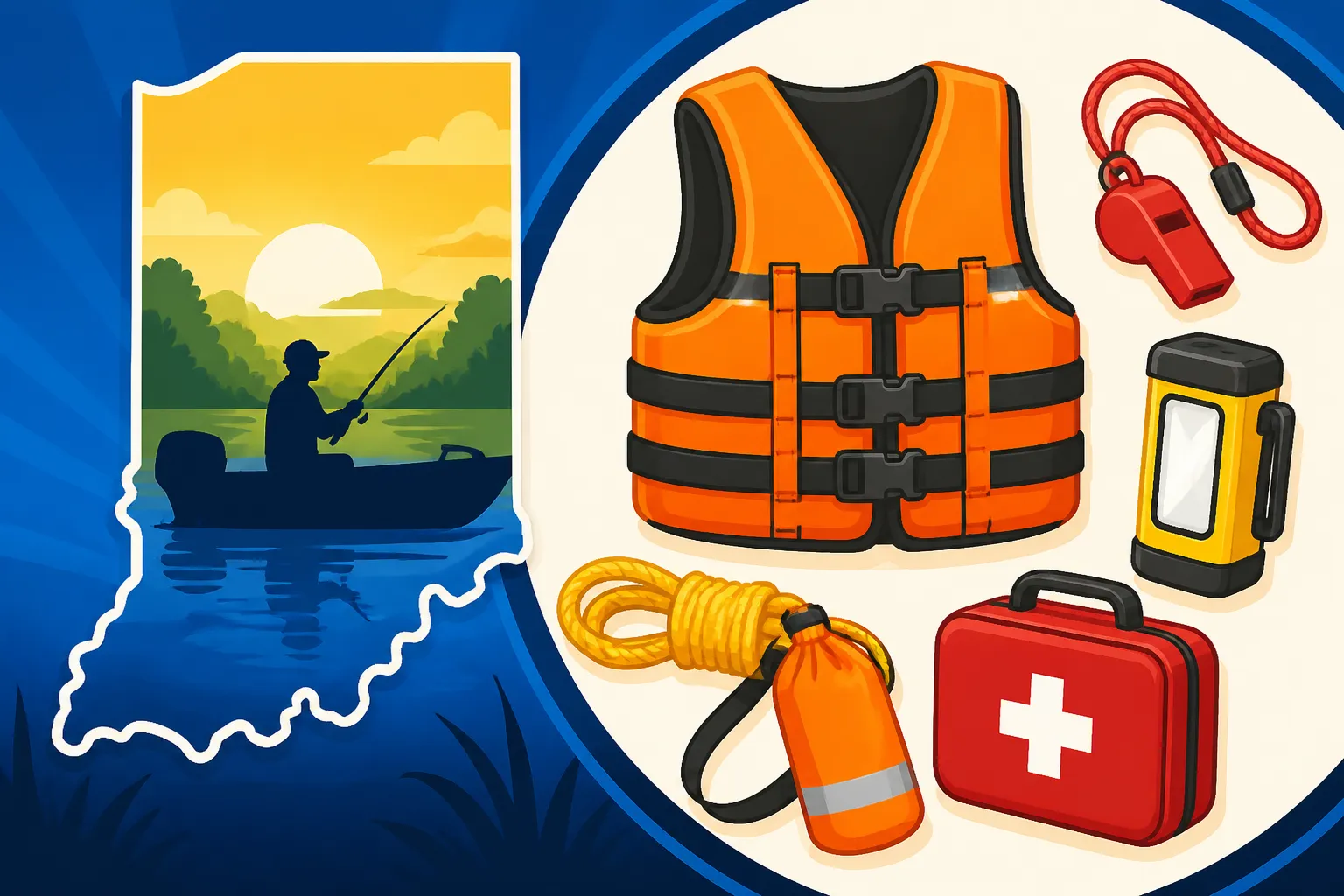
When it comes to boating safety, Personal Flotation Devices (PFDs), more commonly known as life jackets, are at the absolute top of the list. It’s not just a recommendation; it’s a non-negotiable legal requirement in Indiana to have an approved PFD for every single person on board your vessel. Many folks find life jackets cumbersome or unfashionable, leading to them being stowed away or not worn at all. But a PFD only works if you're wearing it, and in an emergency, there simply isn't time to dig one out of a storage compartment.
Even if you're an Olympic swimmer, an unexpected fall overboard can be disorienting, especially in cold water, strong currents, or if you're injured. A PFD provides instant buoyancy, keeping your head above water and conserving your energy, allowing you to focus on self-rescue or waiting for help. From rambunctious kids to seasoned anglers, everyone needs one, and more importantly, everyone needs to know how to wear one correctly.
Types of PFDs and Who Needs What
Indiana, like other states, categorizes PFDs into different types, each suited for various activities and conditions. It can get a bit confusing trying to figure out which "Type" is right for whom, but it's crucial to understand these distinctions. Generally, you'll encounter Type I, II, III, and V PFDs, with Type IV being throwable devices. Each type offers different levels of buoyancy and design, from offshore vests to specialized work vests. Knowing the differences ensures you select the most appropriate protection for yourself and your crew.
For instance, Type III PFDs are the most common and comfortable for general recreational boating, offering good mobility, which is great for fishing or watersports. They're designed to keep a conscious person afloat in calm water. However, if you're venturing further offshore on Lake Michigan, a Type I PFD offers maximum buoyancy and is designed to turn an unconscious person face-up in the water, which is a critical feature in rougher conditions or if help is further away. Kids, especially those under a certain age or weight, have specific requirements, usually needing a snug-fitting PFD that keeps their heads out of the water. For a full breakdown, check out Indiana Life Jacket Requirements for Every Boater.
Proper Fit and Maintenance
A PFD, no matter its type or how expensive it was, is utterly useless if it doesn't fit properly or isn't in good condition. You might think, "Oh, this one's a little loose, but it'll do." That's a dangerous mindset. A life jacket that's too big can ride up around your ears, hindering movement and potentially slipping off. One that's too small can be incredibly uncomfortable, discouraging wear, or not provide adequate flotation. It needs to be snug, but not restrictive, allowing you to breathe and move freely. When you lift it by the shoulders, it shouldn't ride up past your chin or ears.
Beyond fit, maintenance is key. PFDs can degrade over time due to sun exposure, saltwater (if you're on Lake Michigan), or improper storage. Regularly inspect your life jackets for rips, tears, faded fabric, or broken buckles and straps. Check the flotation material to ensure it hasn't become waterlogged or compressed. A waterlogged PFD loses its buoyancy, and a torn one can fail when you need it most. If a PFD shows significant wear and tear, it's time to replace it. You can find a wide range of sizes and types, often with helpful sizing guides, from retailers like Bass Pro Shops or online at Amazon, making it easier to ensure everyone from the littlest angler to the biggest boater is properly equipped. Remember, How Many Life Jackets Do You Need on an Indiana Boat isn't just a number, it's about having working life jackets.
Signaling Devices Making Sure You're Seen and Heard on Indiana Lakes
Picture this: you're enjoying a peaceful evening on Mississinewa Lake, a beautiful sunset paints the sky, and then suddenly your engine quits. You try to restart it, but nothing. Now it's getting dark, and you realize you might be drifting. This is where signaling devices become your lifeline. Being able to attract attention, whether visually or audibly, is paramount when you're in distress or need assistance, especially on larger, busier lakes or after dark. These devices are designed to cut through noise, distance, and low visibility, screaming "I need help!" when your voice can't.
It’s not just about dire emergencies, either. Sometimes you might need to warn other boaters of your presence, signal a turn, or simply alert them to a hazard. Having the right tools to communicate effectively, even silently, is a fundamental aspect of responsible boating and often a legal requirement. Don't underestimate the power of a simple sound or flash of light in a critical moment.
Audible Signaling Devices
Indiana law requires all vessels to carry an audible signaling device. For boats 16 feet or longer, a whistle or horn and a bell are generally required. For smaller boats, a simple mouth-blown whistle will often suffice. The goal is to produce a sound that can be heard over a significant distance, especially when other boats might not be actively looking in your direction. Imagine the frustration and fear of being broken down in a channel while a larger boat approaches, unaware of your presence; a loud horn or whistle can prevent a collision.
Many anglers carry a small, plastic whistle attached to their life jacket, which is a fantastic idea because it's always on your person. However, for larger vessels, a proper air horn or a built-in electric horn is essential. These devices need to be in good working order, so test them periodically. You don't want to find out your horn is busted when you actually need to use it. A cheap plastic whistle from a place like Amazon or a more robust air horn from Bass Pro Shops can make all the difference in alerting someone to your presence. Consider reading Do You Need a Whistle or Horn on an Indiana Boat? for more specific details.
Visual Distress Signals
While audible signals are great for nearby boats, visual distress signals (VDS) are crucial for attracting attention over greater distances, especially during the day or night. For most recreational boats operating on federally controlled waters (which includes Lake Michigan and some connecting waterways), carrying VDS is mandatory. This typically includes flares, signal flags, or other devices designed to produce a bright light or smoke. For many inland lakes in Indiana, while not always federally mandated, they are still highly recommended.
Flares come in different types: handheld or aerial, and they can be day or night signals. Pyrotechnic flares are incredibly effective but have an expiration date and must be handled with care. Non-pyrotechnic options, like an electric distress light, offer a safer, longer-lasting alternative and are a great investment. During the day, an orange distress flag is highly visible. Having a combination of these devices ensures you're prepared for any visibility condition. Always store flares in a watertight container in an easily accessible spot, and make sure everyone on board knows where they are and how to use them safely.
Fire Safety and Prevention for Your Indiana Watercraft
The thought of a fire on a boat is terrifying. You’re surrounded by water, yes, but also by fuel, electrical systems, and flammable materials. A small spark can quickly turn into an inferno, leaving you stranded and in extreme danger. This is why fire safety and prevention are absolutely critical on any Indiana watercraft. Just like in your home, having the right equipment to extinguish a fire quickly and knowing how to prevent one in the first place can be the difference between a minor incident and a catastrophe.
Many boaters overlook this aspect, assuming their vessel is too small or that "it won't happen to them." But engines can overheat, electrical wires can short, and spilled fuel can ignite. Being proactive about fire safety isn't about being paranoid; it's about being responsible and protecting yourself and everyone else on board.
Choosing the Right Fire Extinguisher
Indiana regulations specify the type and number of fire extinguishers required on your boat, depending on its size and whether it has an enclosed engine compartment or fixed fuel tank. Generally, you'll need a marine-type, B-I or B-II rated extinguisher. These are designed to combat flammable liquid (Class B) and electrical (Class C) fires, which are the most common types found on boats. The "I" and "II" refer to the size and extinguishing capacity.
It's vital that your extinguisher is readily accessible, fully charged, and inspected regularly. Don't bury it under a pile of fishing gear or life jackets. Everyone on board should know where it is and how to operate it. Think about the scenario: you smell smoke coming from the engine compartment. Hesitation or fumbling for an extinguisher wastes precious seconds. Familiarize yourself with the "PASS" method: Pull the pin, Aim at the base of the fire, Squeeze the handle, and Sweep the nozzle from side to side. Investing in a good quality, Coast Guard-approved marine fire extinguisher is a small price to pay for such a vital piece of safety equipment.
Fueling Safety and General Prevention
Preventing fires starts long before you ever need an extinguisher. The most common cause of boat fires is improper fueling or issues with the fuel system. When you're at the dock, never fill your tank to the brim; leave some room for expansion, especially on hot days. If you spill fuel, wipe it up immediately and ensure proper ventilation before starting your engine. A simple sniff test around the bilge for fuel vapors before starting up can save your life. Always make sure your engine is off, and any open flames or smoking are prohibited during fueling.
Beyond fueling, regular maintenance of your boat's electrical system, engine, and fuel lines is crucial. Loose wires, frayed insulation, or leaking fuel lines are accidents waiting to happen. Ensure your battery terminals are clean and tight, and never overload electrical circuits. Keep flammable materials like rags, cleaning solvents, or extra fuel in designated, sealed containers away from heat sources. A clean bilge, free of debris and spills, also goes a long way in preventing a potential fire. These small, consistent actions are the best fire prevention strategy on the water.
Navigation and Anchoring Essentials for Indiana Waters
Navigating Indiana's diverse waterways, from the sprawling expanse of Lake Michigan to the winding turns of the Wabash River or the complex coves of Monroe Lake, demands more than just a good eye. Understanding where you are, where you're going, and how to stay put when you need to are fundamental aspects of safe and enjoyable boating. Many first-time boaters, and even some seasoned ones, can find themselves disoriented or unprepared for unexpected currents, sudden depth changes, or fog. That's where proper navigation and anchoring equipment comes into play.
Having these essentials isn't about luxury; it's about safety, efficiency, and avoiding frustrating or dangerous situations. Getting lost, running aground, or drifting helplessly can turn a relaxing outing into a stressful ordeal, especially if the weather changes or night falls.
Anchors, Ropes, and Chains
An anchor system might seem straightforward, but choosing the right type and size for your boat and the waters you frequent is critical. There's nothing more frustrating than trying to fish a hot spot on Lake Wawasee only to have your anchor drag, or worse, needing to hold position during an unexpected squall and finding your anchor can't grip the bottom. Different types of anchors, like fluke (Danforth), claw (Bruce), or scoop (Rocna) designs, are suited for different bottom conditions, be it mud, sand, rock, or weeds. A fluke anchor is often a good all-around choice for many inland Indiana lakes.
Equally important is having enough anchor rode (the combination of chain and rope). A general rule of thumb is to have at least 7:1 scope, meaning seven feet of rode for every one foot of water depth, plus the height of your bow above the water. A short length of chain between the anchor and the rope helps the anchor dig in and prevents the rope from chafing on the bottom. Always inspect your rope for wear and tear, and ensure your knots are secure. Having a reliable anchor system means you can safely stop, fish, or wait out a problem without drifting into danger. For insights on finding launch points and navigating specific lakes, consider Best Public Boat Ramps for Lake Fishing.
Lights, Charts, and GPS
As the sun dips below the horizon, or when fog rolls in, proper lighting becomes not just a convenience, but a legal and safety imperative. Navigation lights on your boat are there to indicate your position and direction to other vessels, preventing collisions in low visibility. These usually include a masthead light (white), sidelights (red for port, green for starboard), and a stern light (white). Ensure all your lights are in working order before setting out, especially if there's any chance you'll be on the water after dusk or before dawn. A quick pre-trip check can prevent a dangerous situation.
For knowing where you're going, charts and a GPS unit are indispensable. While your phone's GPS app might seem sufficient, dedicated marine GPS units offer greater accuracy, durability, and often integrate with depth finders and other marine electronics. Paper charts, even if you rely on electronics, serve as a crucial backup, especially if your batteries die or you lose signal. They provide vital information on water depth, hazards, aids to navigation, and shorelines. Knowing how to read a chart and operate your GPS effectively is a skill every boater should master to avoid running aground or getting lost on unfamiliar waters. Best Fish Finders for Indiana Lake Fishing can provide more insights into modern navigation tools.
Emergency Preparedness Beyond the Basics for Indiana Boating Adventures
Even with all the mandatory gear and careful planning, boating is an activity where the unexpected can still happen. From a minor cut on a fishing hook to an engine problem that leaves you truly stranded, being prepared for the "what ifs" is the mark of a truly responsible boater. This means going beyond the bare minimum and carrying a few extra items that can make a world of difference when a minor inconvenience threatens to spoil your day or, worse, escalate into a serious incident.
Think of it as your personal safety net. You hope you'll never need most of these items, but when that one critical moment arrives, you'll be incredibly grateful you took the time to pack them. It's about having the tools to handle common mishaps and communication options to call for help if things get out of hand.
First Aid Kits and Basic Repair Tools
A well-stocked first aid kit is just as important on your boat as it is in your car or home. Minor injuries are incredibly common during boating and fishing outings: a hook embedded in a finger, a scraped knee from a slip on the deck, or a nasty sunburn. Having bandages, antiseptic wipes, pain relievers, and even motion sickness medication easily accessible can turn a potentially miserable situation around quickly. Customize your kit to include items specific to your group – if someone has allergies, ensure you have their epinephrine auto-injector. Make sure to check the kit regularly and replace any used or expired items.
Beyond personal first aid, a basic set of repair tools can be a lifesaver for small mechanical issues. A multi-tool, screwdriver set, pliers, duct tape, electrical tape, spare fuses, and a knife can often resolve minor engine problems, loose connections, or temporary fixes that get you back to the dock. Learning a few basic troubleshooting steps for your engine can empower you to fix simple issues rather than calling for an expensive tow. You can find robust, marine-specific first aid kits and tool sets at places like Bass Pro Shops or even build your own by selecting items from Amazon to suit your needs. For deeper insights, refer to Best First Aid Kits for Indiana Boaters.
Communication Devices and Weather Awareness
In today's connected world, a reliable means of communication is paramount. While your cell phone is undoubtedly important, it has limitations. Signal can be spotty on some Indiana lakes, and batteries can die. That's why considering additional communication devices is a smart move. A VHF marine radio, especially on Lake Michigan or larger inland reservoirs, provides direct communication with other vessels, bridge tenders, and the Coast Guard. It's designed specifically for marine environments and doesn't rely on cell towers.
Beyond calling for help, staying informed about weather conditions is crucial. Sudden thunderstorms, high winds, or fog can develop rapidly on Indiana waters. A weather radio, or even a good weather app on your smartphone with reliable service, can give you precious minutes to seek shelter or return to shore before conditions become dangerous. Never ignore weather warnings, even if the sky looks clear when you set out. Conditions can change in an instant, and being caught unprepared can be incredibly risky. Always check the forecast before you leave the dock and keep an eye on the sky throughout your trip.
The Indiana Boater Safety Gear Checklist at a Glance
Navigating all the necessary safety gear can feel like a lot, especially for new boaters. To help you keep everything straight, I’ve put together a handy checklist. This isn’t just a list of legal requirements, but a comprehensive guide for what a responsible boater in Indiana should consider having on board. It organizes the essentials into categories, making it easier to see what you need and why. Use this as a quick reference when you’re outfitting a new boat or doing your pre-launch checks.
This table aims to simplify the often-complex world of boating regulations and best practices. While some items are strictly mandated by law, others are considered highly recommended because they significantly enhance your safety margin on the water. It’s about being smart and proactive, rather than reactive, when you're enjoying Indiana's beautiful lakes and rivers.
| Category | Item | Mandatory (M) / Recommended (R) | Notes |
|---|---|---|---|
| Personal Flotation | Life Jackets (PFDs) | M | One properly sized, USCG-approved PFD for every person on board. Kids have specific requirements. |
| Throwable Device (Type IV) | M (for boats 16ft+) | Ring buoy or cushion; readily accessible. | |
| Signaling | Whistle or Horn | M | Audible signal device, easily heard. |
| Bell | M (for boats 16ft+) | Capable of producing a short, sharp ring. | |
| Visual Distress Signals (VDS) | M (federally controlled waters) | Flares (pyrotechnic, with expiry), electronic distress light, or orange distress flag. | |
| Fire Safety | Fire Extinguisher | M (size/type depends on boat) | USCG-approved, marine-type (B-I or B-II), accessible, charged. |
| Navigation & Anchoring | Anchor with Rode (chain & rope) | R | Appropriate size/type for your boat and bottom conditions, with sufficient scope. |
| Navigation Lights | M (for sunset-sunrise/visibility) | Required for operation between sunset and sunrise, and in restricted visibility. | |
| Charts/GPS | R | Essential for knowing your location and avoiding hazards, especially on unfamiliar waters. | |
| Emergency Preparedness | First Aid Kit | R | Well-stocked with bandages, antiseptic, pain relievers, and any personal medications. |
| Basic Tool Kit | R | Pliers, screwdrivers, duct tape, electrical tape, spare fuses for minor repairs. | |
| Communication Device (VHF Radio/Cell) | R | VHF radio for marine environment (Lake Michigan), charged cell phone in waterproof bag. | |
| Spare Propeller & Repair Kit | R | Especially for remote areas or if you frequently operate in shallow water. | |
| Bailing Device (bucket/pump) | M (for boats without self-bailing) | Keep your bilge dry and clear of water. | |
| Oars/Paddle | M (for boats under 16ft, unless powered) | Essential for propulsion if your engine fails. | |
| Sunscreen & Hydration | R | Protect against sun exposure and dehydration. | |
| Trash Bag | R | Keep our Indiana waters clean! |
Customizing Your Kit for Specific Indiana Waters
While the basic checklist provides a solid foundation, truly smart boaters tailor their safety kit to the specific conditions of the waters they frequent in Indiana. A small jon boat on a calm farm pond has different needs than a larger vessel tackling the vastness of Lake Michigan. Likewise, a dedicated angler heading to the Best Fishing Spots on Monroe Lake in Indiana might carry different specialized items than someone exploring the Best Rivers for Fishing in Indiana. Thinking about your usual boating environment helps you refine your gear.
For instance, if you're frequently on larger lakes or rivers with significant commercial traffic, a VHF radio moves from "recommended" to "near mandatory" for clear communication and weather alerts. If you're exploring shallow coves or narrow rivers, an extra paddle or a robust set of oars becomes more important, as does a spare propeller kit. Cold-weather anglers will need to consider thermal survival suits or extra layers beyond just PFDs. Always consider factors like water temperature, remoteness of your chosen spot, typical weather patterns, and the duration of your trips.
Where to Find Your Indiana Boating Safety Gear
Alright, you've got the list, you understand the "why," and now it's time for the "how." The good news is that acquiring all this essential boater safety gear for your Indiana adventures is easier than ever. You don't need to visit a dozen specialty shops or hunt down obscure maritime suppliers. Most of what you need is readily available through various channels, both online and in brick-and-mortar stores. The key is to prioritize quality and ensure whatever you purchase meets U.S. Coast Guard (USCG) approval where applicable, and certainly adheres to Indiana's specific regulations.
Remember, this isn't about finding the absolute cheapest option; it's about investing in your safety and the safety of those you care about. A little extra spent on reliable gear can prevent a lot of headaches and potential dangers down the line.
Online Retailers for Convenience
For many busy Hoosier boaters, the convenience of online shopping is simply unbeatable. Websites like Amazon offer an enormous selection of boating safety gear, often with competitive pricing and the ability to read customer reviews before you buy. You can find everything from USCG-approved life jackets in every size imaginable, to flares, air horns, and comprehensive first aid kits. The sheer variety means you can easily compare different brands and models without leaving your couch.
When shopping online, always double-check the product descriptions to ensure items are USCG-approved if required, and that they meet Indiana's specific mandates. Pay attention to sizing charts for PFDs, as a good fit is crucial. The downside of online shopping is that you can't physically inspect the item or try it on, so be prepared to utilize return policies if something doesn't meet your expectations. However, for well-known brands and standard items, online retailers are an excellent, time-saving resource.
Specialty Marine Stores and Big Box Retailers
For those who prefer a hands-on shopping experience, or who need specialized advice, visiting a dedicated marine supply store or a large outdoor retailer is a fantastic option. Places like Bass Pro Shops are a treasure trove for boaters and anglers. Here, you can physically try on different types of PFDs to ensure the perfect fit, inspect the quality of ropes and anchors, and get expert advice from staff who often have years of boating experience. They can help you understand the nuances of Trolling Gear Setup for Indiana's Lake Michigan Salmon or Best Rods and Reels for Indiana Largemouth Bass, and also guide you on the necessary safety gear specific to your boat type and local waters.
These stores often carry a wider array of higher-end or specialized equipment, such as advanced navigation electronics or more robust fire suppression systems. Even general big-box stores often have a decent selection of basic boating safety items during the warmer months, especially for life jackets and simple signaling devices. Visiting these stores allows you to ask questions, compare products side-by-side, and often feel more confident in your purchases, knowing you've handled the gear firsthand before taking it out on the water.
Disclaimer
This article is for general informational purposes only and does not constitute professional advice. Laws, prices and regulations vary by location and change over time. Consult a qualified professional for guidance on your specific situation.