What to Bring for Indiana’s Fall Salmon Run
The crisp air, the vibrant colors of autumn, and the undeniable pull of powerful fish make Indiana's fall salmon run an absolutely incredible experience. However, a common frustration for many anglers hitting the Lake Michigan tributaries or shoreline is feeling underprepared, realizing too late that their gear isn't quite right for these hard-fighting fish or that they've forgotten a crucial item. This comprehensive guide is designed to take the guesswork out of your preparation, offering a detailed checklist of everything you'll need, from specialized tackle to essential personal items, ensuring your fall salmon and steelhead adventure is both successful and wonderfully comfortable.
The Essentials: Your Core Gear for the Salmon Run
When you're targeting strong, aggressive fish like salmon and steelhead in fast-moving water or the expansive waters of Lake Michigan, your core fishing gear isn't just a suggestion—it's absolutely critical. Having the right rods, reels, line, and terminal tackle can make the difference between landing a trophy and a frustrating break-off. It’s not just about having any rod; it’s about having the right rod that can stand up to the challenge.
Rods and Reels for Battle
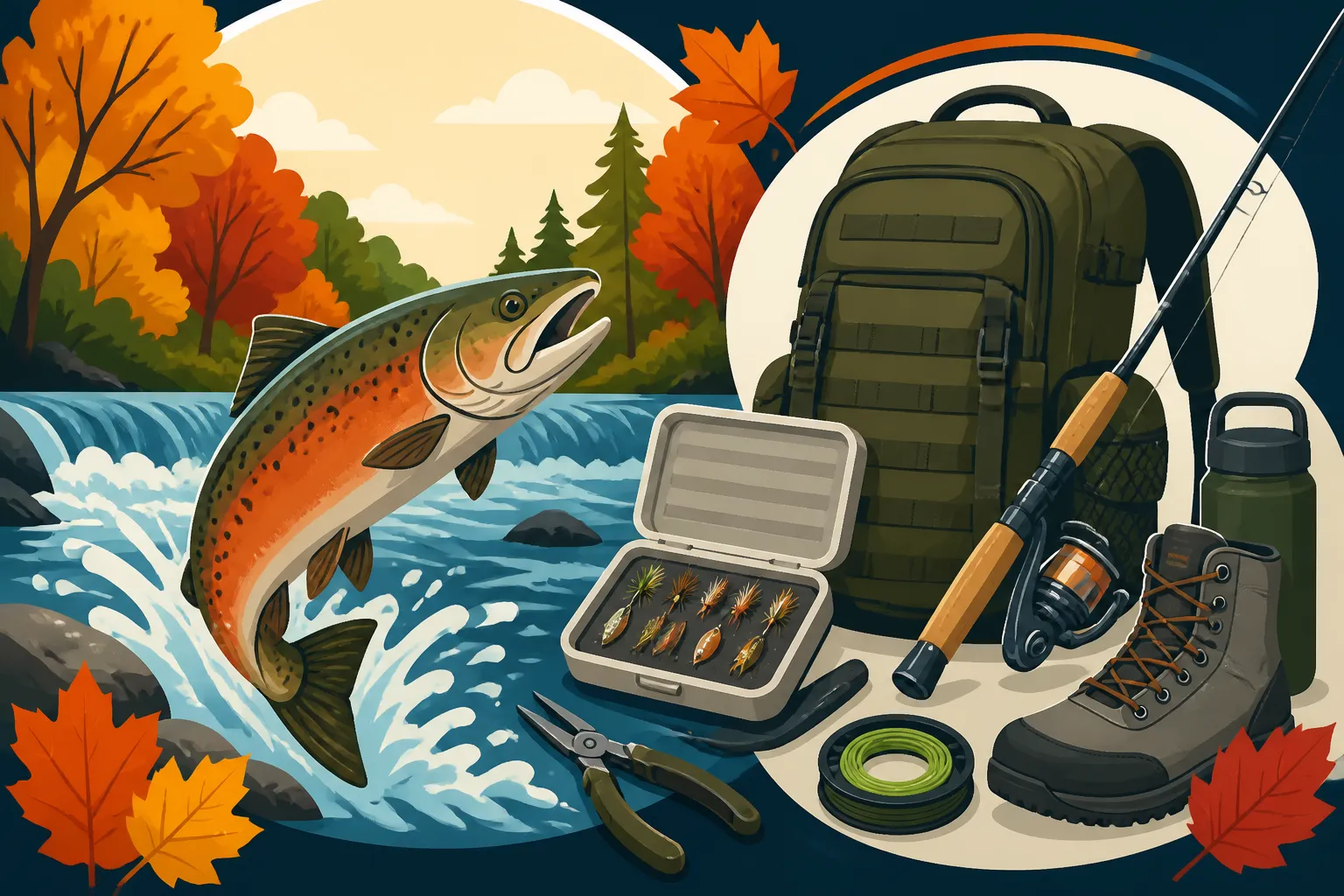
For the fall salmon run, you're going to want a rod that offers a good blend of power and sensitivity, typically in the medium-heavy to heavy action range. An ideal spinning rod for shore or tributary fishing might be anywhere from 8 to 10 feet long. This extra length helps immensely with casting distance, which is often crucial when fishing from piers or riverbanks, allowing you to reach those deeper channels where salmon might be holding. It also provides better line control in currents and helps absorb the shock of a powerful run from a hooked fish. For boat anglers, shorter, stout trolling rods are often preferred, designed to handle the heavy pull of downriggers and planer boards while still giving you the leverage to fight a large salmon.
Pairing that rod with the right reel is equally important. You’ll want a reel with a robust and incredibly smooth drag system, capable of handling the powerful, blistering runs that a fresh salmon or steelhead will make. A 3000 to 4000 series spinning reel, or a reliable baitcasting reel with a good line capacity, is usually a solid choice. The drag needs to be consistently smooth, paying out line without hesitation or sticking, which can lead to snapped lines and lost fish. Brands like Shimano, Daiwa, and Penn offer various options that anglers often rave about for their durability and performance when fighting these formidable species. Remember, a cheap reel with a jerky drag will be your worst enemy when a 20-pound Chinook decides to peel off line.
Many anglers might be tempted to use their standard bass fishing setup, but trust me, it’s usually not enough for these bigger, stronger fish, especially if you hook into a true beast. The sheer power of a lake-run salmon or steelhead demands specialized gear that can absorb the shock and turn their head when needed. Investing in a dedicated salmon and steelhead rod and reel setup, even if it’s a mid-range option, will significantly increase your success rate and overall enjoyment of the fight. If you're planning on Trolling Techniques for Salmon and Steelhead, you'll find specialized rods built for that purpose often make a huge difference in how your baits run and how effectively you can land fish from a boat.
Line, Leaders, and Terminal Tackle
The line on your reel is the direct connection between you and the fish, so don't skimp here. Most experienced salmon and steelhead anglers opt for a braided main line, typically in the 15 to 20-pound test range. Braid offers incredible strength for its diameter, exceptional sensitivity to detect subtle bites, and very little stretch, giving you direct control over your lure and the fish. However, braid is highly visible, which brings us to the importance of a fluorocarbon leader. A good leader, usually 10 to 15-pound test fluorocarbon, is nearly invisible underwater, providing the stealth needed to fool wary salmon. It also offers excellent abrasion resistance against sharp rocks and the fish's own abrasive mouths, often crucial in tributary fishing. The length of your leader can vary, but a 6 to 10-foot section is a good starting point, connected to your main line with a strong knot like the double uni or an FG knot.
Beyond your main line and leader, your terminal tackle selection needs to be robust and appropriate for the species. You'll want an assortment of strong, sharp hooks – consider octopus hooks or circle hooks in sizes ranging from #4 to 1/0, depending on your bait. Swivels, specifically high-quality barrel or ball-bearing swivels, are essential to prevent line twist, especially when using spinners or spoons that rotate. Don't forget an assortment of weights, from split shot to pencil leads or Slinky weights, to get your bait down to the strike zone, especially in current. A variety of snaps and clevises might also be useful for quickly changing lures without retying. Ensuring every component of your setup, from the knot connecting your main line to your leader, to the strength of your snap, is reliable will prevent heartbreaking break-offs when that fish of a lifetime strikes.
When sourcing your tackle, local bait shops are fantastic for advice and specific regional recommendations. However, for a wide selection and competitive pricing, online retailers like Amazon offer a massive inventory of braided lines, fluorocarbon leaders, and all the hooks, swivels, and weights you could ever need. Just be sure to read reviews and stick with reputable brands known for quality. Having a well-stocked tackle box, ready for different conditions and presentations, means less time fumbling and more time fishing.
The Right Lures and Baits
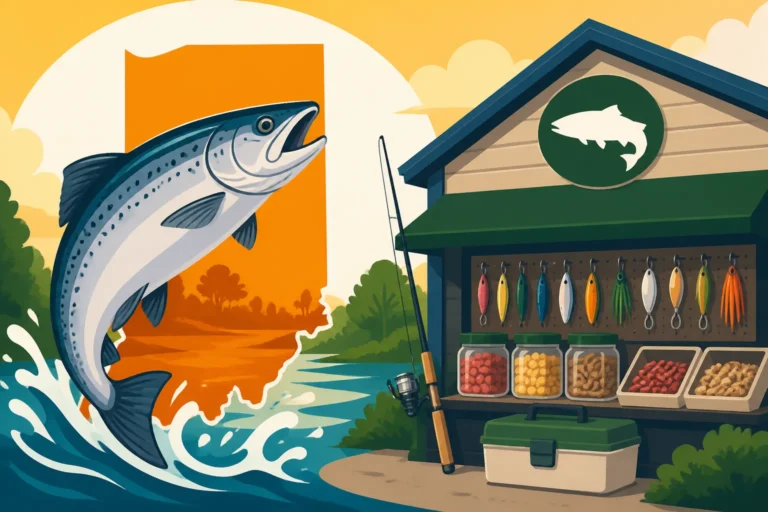
Salmon and steelhead are aggressive predators, but their preferences can change day-to-day, or even hour-to-hour. You'll want a diverse collection of lures and baits to maximize your chances. Spoons are legendary for salmon, especially out on Lake Michigan or in the deeper sections of tributaries. Classic designs like Little Cleo, Dardevle, or Krocodile spoons in vibrant colors such as orange, chartreuse, silver, and blue are often highly effective, mimicking wounded baitfish. Their flash and wobble can trigger aggressive strikes. Spinners, like Rooster Tails or Mepps, also produce fantastic results, particularly in rivers where their vibration and flash can entice fish holding in current seams. Varying the size and blade type can help you adapt to different water flows and depths.
For a more natural presentation, especially in clear river systems where fish can be finicky, natural baits are often key. Cured salmon eggs, often tied into small "spawn sacs," are incredibly effective. The scent and natural appeal are hard to beat, particularly for staging salmon and steelhead looking for a protein-rich meal. Nightcrawlers, sometimes drifted under a float or on a bottom rig, can also be surprisingly productive. The key with natural bait is often presentation – making it drift naturally with the current, as if it were a dislodged piece of food. Preparing your spawn sacs ahead of time or knowing where to buy quality cured eggs can be a game-changer.
Understanding the Fall Salmon Run Timing on Lake Michigan in Indiana can help you predict what stage the fish are in and therefore what baits or lures might be most effective. Early in the run, when fish are more active in the lake, trolling with spoons and crankbaits can be fantastic. As they move into the rivers, natural egg presentations or smaller, more subtle lures often become more effective. Always have a mix of options, and don't be afraid to experiment. Sometimes, a subtle change in color or size can make all the difference, turning a slow day into a memorable one.
Personal Comfort and Safety on the Water
While the gear you use to catch fish is important, your personal comfort and safety are paramount, especially during the fall when Indiana weather can be notoriously unpredictable. A cold, wet, or unsafe angler is rarely a happy or effective angler. Being prepared for varying conditions will allow you to focus on the fishing, not on being miserable.
Layer Up: Clothing for Changing Weather
Fall fishing in Indiana means you could start your day in near-freezing temperatures, experience rain, then finish in mild sunshine. The key to staying comfortable is dressing in layers. Start with a moisture-wicking base layer next to your skin, like merino wool or synthetic performance fabric. This layer pulls sweat away from your body, keeping you dry even if you're hiking to a spot or fighting a big fish. Cotton, while comfortable for everyday wear, will absorb moisture and leave you feeling cold and clammy once it gets wet, which is the last thing you want on a chilly morning.
Your mid-layers should provide insulation. Fleece jackets, puffy vests, or even a good old wool sweater work wonderfully. These layers trap warm air, keeping your core temperature stable. Having multiple thin mid-layers is often better than one thick one, as it gives you more flexibility to adjust your warmth throughout the day. For your outer layer, a waterproof and windproof jacket and pants are non-negotiable. Whether you're dealing with unexpected rain squalls or the relentless wind coming off Lake Michigan, this shell will protect you from the elements. Look for features like adjustable cuffs, hoods, and sealed seams to keep moisture out.
Don't forget about headwear and gloves! A warm, waterproof hat is crucial for retaining body heat, as a significant amount can be lost through your head. Fingerless gloves or convertible mittens allow you to maintain dexterity for tying knots and handling tackle while still offering warmth. Many companies like Columbia and Simms offer excellent outerwear systems specifically designed for anglers, available widely through retailers like Amazon, ensuring you stay dry and warm even in the most challenging conditions.
Footwear and Waders
For many fall salmon and steelhead opportunities, particularly in rivers and along certain stretches of the Lake Michigan shoreline, waders are absolutely essential. They allow you to stand in the water, giving you access to prime fishing spots that might be unreachable from the bank. Chest waders are generally preferred over hip waders for the fall run, as they offer maximum protection from cold water and spray. When choosing waders, consider the material: breathable waders are fantastic for comfort during warmer days or if you're doing a lot of hiking, as they allow sweat to escape. However, neoprene waders offer superior insulation and are often favored in colder water conditions. Ensure they fit well – too tight and they restrict movement; too loose and they can be a tripping hazard.
Pair your waders with sturdy wading boots that provide excellent ankle support and, most importantly, superior grip. Felt soles have long been a favorite for their traction on slippery, algae-covered rocks in rivers, though some areas might have restrictions on felt due to invasive species concerns. Rubber soles with aggressive lug patterns are another excellent option, often with studs or cleats added for extra traction. A good pair of wading boots will keep you from slipping and potentially injuring yourself on slick terrain. Always remember to check the stream bottom before taking a step, as hidden rocks and strong currents can quickly lead to a dunking.
Beyond waders, if you plan to fish exclusively from a pier or boat, waterproof hiking boots or deck shoes are a must. They’ll keep your feet dry and warm and provide necessary grip on potentially wet and slippery surfaces. Nothing will cut your day short faster than cold, wet feet.
Safety Gear and Essentials
Safety should always be a top priority, especially when fishing in remote areas or challenging conditions. A well-stocked, waterproof first-aid kit is non-negotiable for treating minor cuts, scrapes, hook punctures, or other unexpected incidents. Make sure it includes antiseptic wipes, various band-aids, pain relievers, and any personal medications you might need. A whistle or other signaling device is also smart to carry, particularly if you're fishing alone, to alert others in case of an emergency. For early morning or late evening fishing, a reliable headlamp or flashlight is crucial for navigating in the dark and tying knots.
Sun protection remains important even in the fall. UV rays can still be strong, especially reflecting off the water. Pack sunglasses (polarized lenses are a huge plus for spotting fish and structure), sunscreen, and lip balm with SPF. Depending on your location, insect repellent might also be a good idea, though fall typically sees fewer biting bugs than summer. For those fishing on Lake Michigan, understanding Lake Michigan Fishing Rules for Indiana Anglers is vital, which often includes requirements for personal flotation devices (PFDs) if you're on a boat. Even from shore, knowing how to swim is important, and some anglers opt for inflatable PFDs for added safety.
Finally, always carry a fully charged cell phone (in a waterproof case!) for emergencies, and consider telling someone your fishing plans and expected return time. If you're heading out on a boat, a marine radio for communication can be a lifesaver. These simple precautions can make all the difference in turning a potentially dangerous situation into a manageable one.
Practical Tools and Accessories for Success
Beyond the core fishing gear and personal safety items, a host of practical tools and accessories can significantly enhance your fall salmon run experience. These aren't always about catching fish directly, but about making the process smoother, more efficient, and more enjoyable from start to finish.
Landing Your Catch
Once you've hooked into a powerful salmon or steelhead, the fight is only half the battle. Landing that fish safely and efficiently requires the right tools. A large, sturdy landing net is absolutely essential. For salmon, you'll want a net with a wide hoop and a deep bag, often with rubberized, knotless mesh. Rubberized mesh is much gentler on the fish's slime coat, reducing harm if you plan on releasing it, and also helps prevent hooks from getting tangled. Trying to hand-land a thrashing, toothy salmon is a recipe for injury to both you and the fish. Investing in a quality net will save you a lot of heartache and ensure your trophy makes it to shore or boat.
Equally important are tools for safe hook removal. Long-nose pliers are a must-have for dislodging deeply set hooks, especially from fish with sharp teeth. A specialized hook remover can make the process even quicker and safer for both the fish and your fingers. Carry a pair that you can easily access, perhaps on a lanyard or tucked into a wader pocket. Fish grippers or a lip-gator can also be incredibly helpful for controlling a lively fish for photos or quick release, minimizing direct contact with sharp fins and hooks.
Finally, if you’re concerned about length limits or simply want to document your catch, a flexible tape measure is handy. Knowing the Indiana Walleye Length Limits by Lake or any other specific regulations for salmon and steelhead is critical, so a way to accurately measure your fish is important. Having these tools at the ready means you can quickly process your catch, whether you're releasing it unharmed or preparing it for the cooler, without unnecessary stress or delay.
Storage and Transport
Organization is key to an enjoyable fishing trip, and that extends to how you store and transport your gear and your catch. A well-organized tackle box or backpack-style tackle bag with multiple compartments and utility boxes will keep your lures, hooks, weights, and other small items neatly sorted and easily accessible. Nobody wants to spend precious fishing time digging through a cluttered bag looking for that one specific spoon. Consider a waterproof option to protect your gear from the elements.
For transporting your prized catch, a high-quality cooler with plenty of ice is non-negotiable. Whether you’re keeping a limit of salmon or just one trophy, getting the fish on ice immediately is critical for preserving its quality and freshness. A large cooler like a Yeti, Pelican, or even a good old Igloo, will keep your fish cold until you get home. Some anglers even bring an extra cooler for drinks and snacks, keeping the catch cooler dedicated solely to fish. If you're curious about species-specific rules for keeping fish, remember that Indiana Fishing Regulations and Bag Limits Guide outlines what you can and cannot take home.
Protecting your rods during transport is also important. A good rod case or simply securing them carefully in your vehicle will prevent damage to delicate tips and guides. Many anglers use soft rod socks or hard cases to keep their expensive setups safe from bumps and scrapes, especially when traveling long distances to their favorite fishing spots along Lake Michigan.
Navigation and Electronics
While not strictly necessary for every angler, certain navigation and electronic tools can significantly enhance your safety and success, especially if you're exploring new waters or fishing from a boat. A handheld GPS device or a reliable GPS app on your smartphone can be invaluable for marking productive fishing spots, navigating unfamiliar areas, and ensuring you can find your way back, especially in low light or foggy conditions. Knowing your exact location can also be crucial in an emergency situation.
For boat anglers, a fish finder is an incredible asset. Modern units can display depth, water temperature, bottom structure, and even show you where schools of baitfish and target species like salmon and steelhead are holding. This intelligence can drastically cut down on unproductive fishing time and help you present your lures right where the fish are. While a top-of-the-line unit might be an investment, many excellent entry-level and mid-range fish finders are available through retailers like Amazon, offering fantastic capabilities without breaking the bank. A Best Fish Finders for Indiana Lake Fishing guide might offer more specific recommendations.
Finally, don't forget portable power banks. These are invaluable for recharging your phone, GPS, or even a portable fish finder battery throughout a long day on the water. Losing power on a crucial device can be frustrating at best, and dangerous at worst. Having a few fully charged power banks tucked into your waterproof bag will ensure your electronics stay powered up.
Planning for a Successful Trip
The thrill of the fall salmon run isn't just about the catching; it's also about the preparation and the peace of mind that comes from knowing you've done your homework. A well-planned trip accounts for legal requirements, sustenance, and local knowledge, ensuring a smooth and enjoyable experience.
Checking Regulations and Licenses
Before you even think about casting a line, ensure you are fully compliant with Indiana's fishing regulations. This means having a valid Indiana Fishing License Requirements Explained and, crucially for salmon and trout, the appropriate Trout and Salmon Stamp. Many anglers forget this separate stamp, which is mandatory if you intend to harvest these species from public waters, including Lake Michigan and its tributaries. Even if you're just targeting trout or salmon, you need this stamp. The cost is usually quite modest, but the penalties for not having it can be significant.
Regulations, including bag limits, size restrictions, and specific gear rules, can sometimes vary slightly for Lake Michigan compared to inland waters, or even by specific tributary. It's always a good idea to check the most current Indiana Department of Natural Resources (DNR) fishing guide before your trip. This guide outlines everything from Indiana Walleye Length Limits by Lake to specific rules for different species and bodies of water. For instance, Lake Michigan Fishing Rules for Indiana Anglers often have unique provisions compared to smaller inland lakes. Don't assume; verify! A quick visit to the DNR website can save you a potential fine and ensure you're fishing legally and responsibly.
Furthermore, be aware of "reciprocity" rules if you're coming from a bordering state. While Indiana might have agreements with some neighboring states for certain border waters, a full Indiana license and stamp are generally required for the vast majority of Indiana's Lake Michigan and tributary fishing. Knowing Indiana Trout and Salmon Stamp Requirements is paramount for anyone hoping to land one of these magnificent fish during the run.
Food, Drink, and Staying Hydrated
A long day of fishing, especially in cooler weather, can quickly deplete your energy reserves. Staying hydrated is paramount. Pack plenty of water, even if it feels cold outside; you'll still be exerting yourself, and cold air can be dehydrating. Reusable water bottles are a great eco-friendly option. For those chilly fall mornings, a thermos filled with hot coffee, tea, or even a hearty soup can be incredibly comforting and provide a much-needed warmth boost.
Beyond liquids, bring a good supply of easy-to-eat, energy-rich snacks. Think about things like granola bars, trail mix, fruit, sandwiches, or jerky. These items are typically non-perishable, don't require much preparation, and provide sustained energy to keep you going throughout the day. Avoid sugary snacks that lead to a quick crash. A small, insulated lunch bag or cooler for your personal provisions, separate from your fish cooler, is a smart idea.
Being properly fueled and hydrated not only keeps you comfortable and focused but also contributes to your safety. Low blood sugar or dehydration can impair judgment, which is the last thing you want when navigating slippery riverbanks or handling sharp hooks and feisty fish. A well-fed angler is a happy, more alert, and ultimately more successful angler.
Disclaimer
This article is for general informational purposes only and does not constitute professional advice. Laws, prices and regulations vary by location and change over time. Consult a qualified professional for guidance on your specific situation.