Is Walleye Good to Eat?
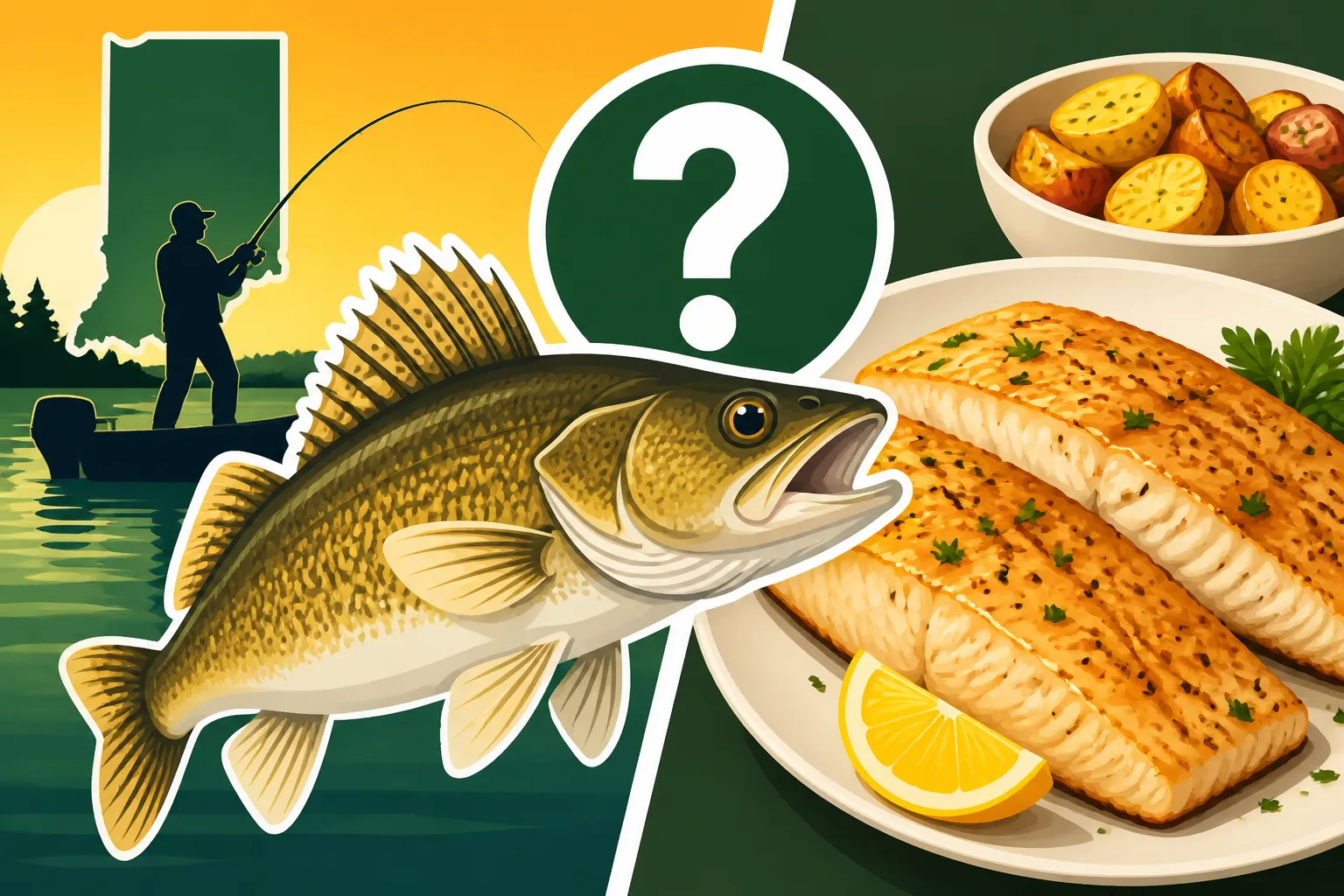
You've put in the time on the water, patiently waited, and finally felt that distinctive thump as a walleye hit your line. Bringing in one of these beautiful, olive-gold fish is always a triumph, especially after navigating Indiana's specific regulations and perhaps even the Walleye Minimum Length North of State Road 26 or Walleye Minimum Length South of State Road 26 in Indiana. But once you get it home, that lingering question often pops into every angler's mind: is walleye really as good to eat as everyone says? Absolutely, and this comprehensive guide will dive deep into why walleye is so highly prized in the culinary world and how you can prepare it to truly shine on your dinner table.
Why Walleye Reigns Supreme in the Freshwater Kitchen
If you've ever heard an angler rave about walleye, chances are they quickly brought up its flavor. It's not just hype; walleye consistently ranks as one of the best-tasting freshwater fish available, and for very good reason. Its delicate, mild flavor, coupled with a firm yet flaky texture, makes it incredibly versatile and appealing to even those who might be wary of "fishy" tastes. This isn't your average catfish or carp; walleye truly stands in a league of its own.
The Unmistakable Mild Flavor Profile
One of the biggest selling points of walleye is its incredibly mild and clean flavor. Unlike some other freshwater species that can sometimes have an earthy or strong taste depending on their environment, walleye boasts a subtle sweetness that never overpowers your palate. This makes it a fantastic canvas for a wide range of seasonings and cooking methods. You won't find yourself needing to mask any unpleasant notes; instead, you'll be enhancing its natural goodness. It's truly a delight that can convert even the most skeptical seafood eaters.
Imagine serving a perfectly cooked walleye fillet to a friend who claims they "don't like fish." The mild flavor, combined with a tender texture, often surprises them and changes their perspective entirely. This delicate taste is partly due to the walleye's diet, often consisting of smaller baitfish, and their preference for cooler, cleaner waters, which helps prevent the accumulation of stronger flavors often found in fish from warmer, muddier environments. When you clean a fresh walleye, you'll immediately notice the almost pearlescent, translucent flesh, which is a tell-tale sign of its pristine quality.
Firm Yet Flaky Texture: A Chef's Dream
Beyond its flavor, walleye's texture is a culinary marvel. The flesh is firm enough to hold up well during cooking, whether you're pan-frying, baking, or grilling. It doesn't fall apart easily, which is a common frustration with more delicate fish. Yet, once cooked, it gracefully flakes into tender, moist pieces with just a fork. This ideal balance means you get satisfying bites that aren't mushy, but also aren't tough or chewy. It's the best of both worlds, offering a substantial mouthfeel without being heavy.
This firm flakiness makes it a joy to eat, whether it's the centerpiece of a gourmet meal or simply served alongside some classic potato salad. The muscle structure of walleye is quite lean, contributing to this firm texture. When you're reeling in a walleye, you can feel their fighting spirit, and that lean muscle translates directly to a desirable texture on your plate. It's truly a testament to a healthy, active fish, and Indiana anglers who master the art of Best Time of Year to Catch Walleye in Indiana know the effort is richly rewarded.
Low Oil Content for a Cleaner Palate
Another significant factor contributing to walleye's appeal is its low oil content. While some fatty fish like salmon or mackerel are celebrated for their rich, oily flesh and omega-3s, walleye offers a leaner alternative. This lower oil content means the fish is less prone to developing strong, "fishy" odors or tastes that can sometimes be off-putting. It also means the fish feels lighter on the stomach, making it a fantastic option for a fresh, healthy meal.
For those watching their fat intake or simply preferring a lighter dish, walleye is an excellent choice. It cooks up beautifully without leaving a greasy residue, ensuring that the subtle flavors of the fish and any accompaniments truly shine through. This characteristic also makes it quite forgiving in the kitchen; it's harder to make walleye taste heavy or overly rich, allowing its natural deliciousness to take center stage. Plus, cleaning up after a walleye meal tends to be a breeze because of that low oil content!
From Water to Plate: Preparing Your Indiana Walleye
Catching a walleye is one thing, but preparing it correctly for cooking is where the magic truly begins. Proper handling and filleting are crucial to preserving that exquisite flavor and texture we just talked about. Don't worry, it's not as intimidating as it might seem, and a little care goes a long way in ensuring your walleye is the star of your meal.
The Art of Cleaning and Filleting
Once you've landed your walleye, the first step is to keep it fresh. Get it on ice as quickly as possible. This is paramount for maintaining its flavor and texture. A good cooler, like those readily available on Amazon, is an essential piece of gear for any serious angler. Once you're ready to clean, a sharp fillet knife is your best friend. Seriously, invest in a good one. I remember upgrading my old dull fillet knife to a sharper one I found on Amazon, and it made all the difference in making clean, precise cuts.
Start by laying the fish on a flat, clean surface. Make a cut behind the pectoral fin, down to the backbone. Then, turn the blade and run it along the backbone, all the way to the tail. Flip the fillet over and repeat on the other side. You'll want to remove the ribs, which can be done by making a shallow cut along them and peeling them away. Finally, you can remove the skin if you prefer, but many anglers love to cook walleye with the skin on for an extra crispy texture. If you're new to filleting, there are tons of great video tutorials online that can walk you through the process step-by-step. Practice makes perfect, and with walleye, it's definitely worth the effort.
To Skin or Not to Skin: A Culinary Debate
This is a classic question among walleye enthusiasts, and honestly, there's no single "right" answer – it largely comes down to personal preference and how you plan to cook it.
| Feature | Skin-On Fillets | Skin-Off Fillets |
|---|---|---|
| Texture | Crispy skin if cooked properly; adds richness | Uniformly tender and flaky |
| Flavor | Slight additional depth from skin, generally mild | Pure, unadulterated walleye flavor |
| Cooking Benefit | Protects flesh from overcooking; easier to handle | Cooks slightly faster; absorbs marinades readily |
| Presentation | Rustic, appealing golden-brown crust | Clean, white, elegant appearance |
| Ease of Eating | Some find skin bothersome; others love the crunch | No need to remove skin while eating |
| Cleanup | Pan may have more residue | Generally cleaner cooking |
Cooking walleye with the skin on, especially if pan-frying or grilling, can result in a delightfully crispy texture that many people adore. The skin also helps to hold the fillet together and can add a subtle layer of flavor. Just make sure to score the skin a few times before cooking to prevent curling. However, if you prefer a completely uniform, tender fillet, or if you're baking or poaching, removing the skin is often the way to go. It makes for a very clean presentation and allows the fish to absorb flavors more readily. Many folks choose to remove the skin simply because it's one less thing to contend with on the plate, ensuring every bite is pure, flaky fish.
Unleashing the Flavor: Best Cooking Methods for Walleye
Now for the exciting part: cooking your prized walleye! Because of its mild flavor and excellent texture, walleye is incredibly versatile and shines in a variety of cooking methods. Whether you're a seasoned chef or a kitchen novice, you'll find a way to make your walleye truly unforgettable.
Pan-Frying: The Classic, Crispy Delight
Pan-frying is arguably the most popular and beloved method for cooking walleye, and for good reason. It’s quick, easy, and yields a beautiful golden-brown crust with a moist, tender interior. This is the way many Midwesterners grew up eating walleye, often during a fish fry at a lake house or local establishment.
To achieve that perfect pan-fried walleye, you’ll typically want to lightly bread or batter your fillets. A simple coating of seasoned flour, cornmeal, or a mix of both works wonderfully. Some folks even prefer a light beer batter for an extra crispy finish. Make sure your fillets are patted dry before dredging; this helps the coating adhere better. Heat a shallow amount of oil—enough to just cover the bottom of your pan—over medium-high heat. Vegetable oil, canola oil, or even a blend of butter and olive oil all work well. Once the oil is shimmering, carefully place your fillets in the pan, ensuring not to overcrowd it. Cook for about 3-5 minutes per side, or until the breading is golden brown and the fish flakes easily with a fork. You can find excellent fish breading mixes or even a dedicated electric griddle on Amazon to simplify this process. The key is not to overcook it; walleye cooks relatively quickly due to its lean nature. The result is a truly irresistible dish, crispy on the outside and perfectly succulent within.
Baking: A Lighter, Healthier Alternative
If you're looking for a healthier option that still delivers on flavor, baking your walleye is an excellent choice. This method allows the natural flavors of the fish to truly shine, often with the help of fresh herbs, lemon, and a touch of butter or olive oil. Baking is also incredibly hands-off, making it ideal for busy weeknights or when you're preparing multiple dishes.
To bake walleye, preheat your oven to around 375-400°F (190-200°C). Lightly grease a baking dish or line it with parchment paper for easy cleanup. Place your walleye fillets in the dish. You can season them simply with salt, black pepper, and a squeeze of fresh lemon juice. For added flavor, consider a sprinkle of dill, parsley, or even a touch of paprika. A thin pat of butter or a drizzle of olive oil over each fillet will help keep them moist and add richness. Bake for 12-18 minutes, depending on the thickness of your fillets. The fish is done when it's opaque throughout and flakes easily. Baking is fantastic for retaining moisture, resulting in a very tender and delicate presentation. It pairs wonderfully with roasted vegetables or a light salad.
Grilling: Infusing Smoky Goodness
Grilling walleye is a fantastic way to impart a smoky flavor that complements its mildness, especially during those beautiful Indiana summer evenings. However, because walleye is so delicate and lean, grilling requires a little more attention to prevent it from sticking or falling apart through the grates.
For successful grilling, start by ensuring your grill grates are clean and well-oiled. Some anglers prefer to use a fish basket or even place the fillets directly on a piece of heavy-duty aluminum foil, which prevents sticking and makes flipping much easier. You can lightly brush the fillets with olive oil or melted butter and season them with your favorite fish rub. Citrus marinades, using lemon or lime, also work wonders, but don't marinate for too long (no more than 30 minutes) as the acid can start to "cook" the delicate flesh.
Grill over medium-high heat for about 4-6 minutes per side, depending on thickness, or until the fish is cooked through and flakes easily. The direct heat of the grill can give it a lovely char while keeping the inside moist. If you're using foil, you might need to cook a few minutes longer. The smoky flavor from the grill adds an incredible dimension to the walleye, making it taste like a true outdoor feast. This method is particularly popular for bigger fillets that can stand up to the heat.
Elevating Your Walleye Meal: Flavor Pairings and Serving Suggestions
Cooking the walleye is only half the battle; what you serve it with can truly elevate the experience. Because walleye has such a mild and versatile flavor, it pairs beautifully with a wide array of side dishes and sauces, allowing you to tailor your meal to your specific cravings.
Classic Pairings: Sides That Shine
When it comes to side dishes, classic pairings often highlight the walleye's delicate nature without overpowering it. Think fresh, vibrant flavors that complement rather than compete.
- Lemon and Fresh Herbs: This is perhaps the most iconic pairing. A simple squeeze of fresh lemon or a sprinkle of chopped dill, parsley, or chives over your cooked walleye immediately brightens the flavor and adds a touch of freshness. This basic combination works with any cooking method and allows the natural taste of the fish to be the star.
- Roasted or Steamed Vegetables: Asparagus, green beans, broccoli, or a medley of seasonal vegetables are fantastic choices. Roasting them with a little olive oil, salt, and pepper brings out their natural sweetness, while steaming keeps them crisp and healthy.
- Wild Rice or Quinoa: Instead of heavy starches, a light, fluffy wild rice pilaf or a protein-rich quinoa salad can be a perfect accompaniment. Their nutty flavors and interesting textures provide a great counterpoint to the walleye's tenderness.
- Coleslaw or Potato Salad: For a more traditional "fish fry" experience, a creamy homemade coleslaw or a tangy potato salad is always a hit. These classic sides provide a refreshing crunch and a satisfying texture contrast. You can find unique spice blends for coleslaw dressings or even gourmet potato salad kits on Amazon if you're looking to experiment.
Sauces and Seasonings to Enhance
While walleye is delicious on its own, a well-chosen sauce or seasoning blend can take it to the next level. The key is to enhance, not mask, its natural appeal.
- Tartar Sauce: This creamy, tangy sauce is a quintessential partner for pan-fried walleye. The blend of mayonnaise, pickles, capers, and herbs provides a refreshing kick that cuts through any richness from frying.
- Lemon-Butter Sauce: A simple pan sauce made by deglazing the pan with white wine or broth, then whisking in butter and lemon juice, creates an elegant and flavorful topping that marries perfectly with baked or pan-fried fillets.
- Garlic and Herb Rubs: Before cooking, consider rubbing your fillets with a mixture of garlic powder, onion powder, paprika, salt, and pepper. You can also add dried herbs like thyme or oregano. This creates a flavorful crust that elevates the fish.
- Cajun or Blackening Seasoning: For those who enjoy a little spice, a light dusting of Cajun or blackening seasoning can give your walleye a zesty kick and a beautiful crust, especially when pan-fried or grilled. Just be mindful not to overdo it, as you still want to taste the fish.
- Salsa or Pico de Gallo: For a fresh, vibrant, and lighter option, serving your walleye with a homemade salsa (think corn and black bean, or a classic tomato and onion) adds a burst of flavor and color. This works especially well with baked or grilled walleye.
Ultimately, walleye is an incredibly rewarding fish to catch and even more so to eat. Its mild flavor, firm-yet-flaky texture, and low oil content make it a true culinary gem among freshwater species. So, the next time you're out on an Indiana lake, whether you're fishing for Walleye Fishing Tips for Indiana's Large Rivers or focusing on specific length limits, know that your efforts will be well-rewarded on the dinner plate.
Disclaimer
This article is for general informational purposes only and does not constitute professional advice. Laws, prices and regulations vary by location and change over time. Consult a qualified professional for guidance on your specific situation.