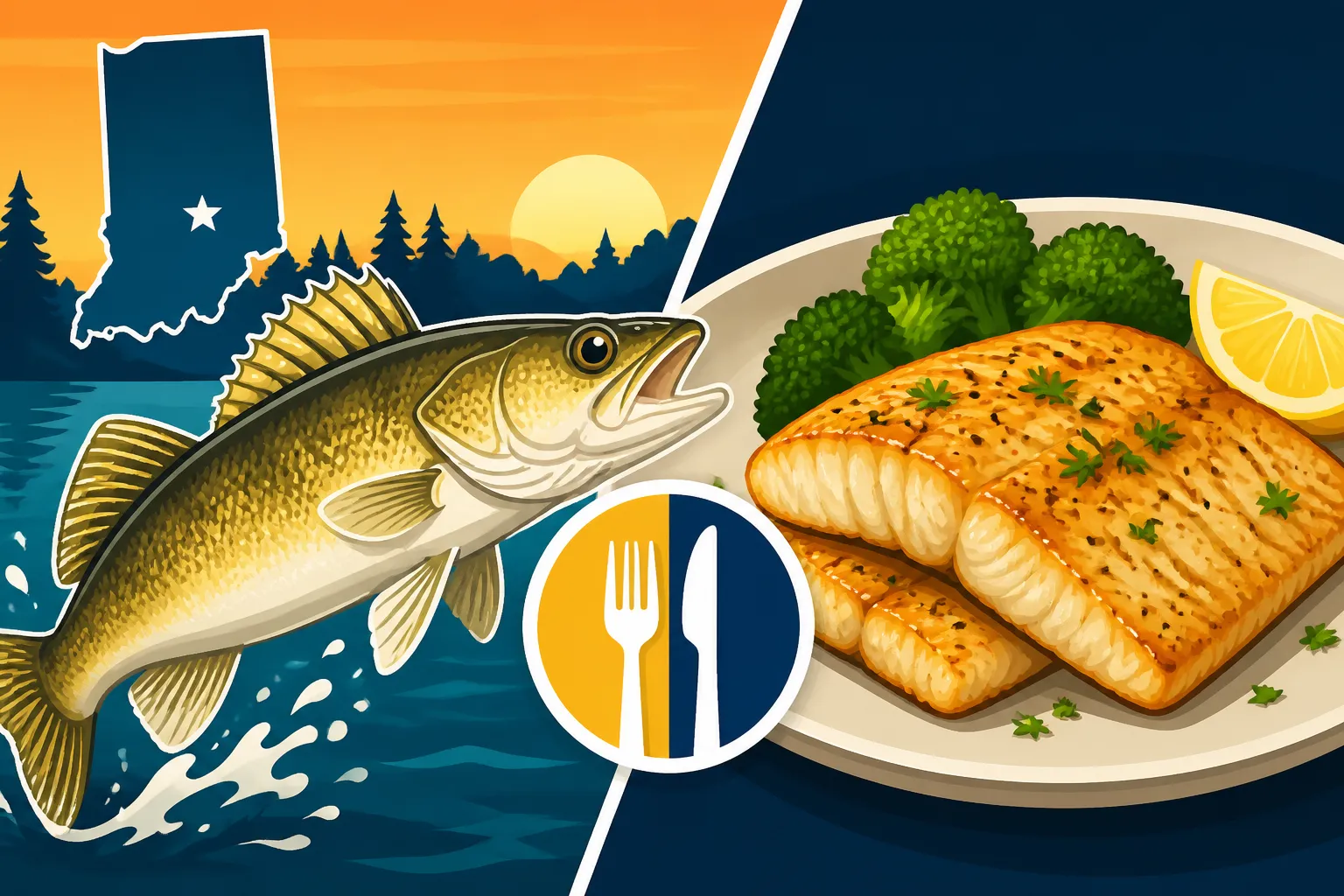
Is Saugeye Good Table Fare?
It's a common question for anglers new to a species: once you've reeled in that beautiful catch, is it actually worth taking home for dinner? With saugeye, Indiana's intriguing walleye-sauger hybrid, many folks wonder if this unique fish delivers on the dinner plate. You might be accustomed to the flaky goodness of walleye or the sweet meat of bluegill, and you're curious if saugeye holds its own. Well, I'm here to tell you that saugeye not only makes for excellent table fare, but it’s quickly becoming a favorite among those who try it, often rivaling its more famous parent, the walleye.
The Saugeye: A Hybrid Delight on the Dinner Plate
Saugeye are a fascinating hybrid, a cross between a female walleye and a male sauger, and this genetic blend contributes significantly to their appeal as a food fish. They combine some of the best characteristics of both parents, often growing faster and exhibiting more aggressive feeding behaviors than pure walleye in some environments. For us anglers, that often means a better fight and, ultimately, a delightful meal.
When you fillet a saugeye, you'll immediately notice the clean, white meat, which is a hallmark of good eating quality. It's firm, not mushy, and has a beautiful translucence that speaks to its freshness. This isn't a fish that typically carries a strong, "fishy" odor or flavor when handled properly, which is a huge plus for anyone who might be sensitive to that. It's this inherent quality that really sets saugeye apart and makes them such a desirable catch for the skillet.
Flavor Profile and Texture: A Culinary Comparison
Let's get down to what really matters: how does it taste? Saugeye are renowned for their mild, slightly sweet flavor. It's a clean taste that isn't overpowering, making it incredibly versatile for various culinary preparations. If you've ever enjoyed walleye, you'll find the saugeye's flavor profile to be very similar, almost indistinguishable to many palates. This is a huge compliment, as walleye is consistently ranked among the best-eating freshwater fish.
The texture is equally impressive. Saugeye meat is firm, flaky, and holds together well during cooking. It's not oily, which contributes to its delicate taste and makes it less prone to drying out if you're not careful. This combination of mild flavor and firm, flaky texture makes saugeye a truly premium option for any fish fry or baked dish. It’s the kind of fish that even those who claim not to like "fishy" fish often enjoy.
Why Hybrids Often Excel in Quality
The reason why hybrids like the saugeye often produce such excellent table fare is quite interesting. Hybrid vigor, or heterosis, can result in offspring that are more robust, grow faster, and are often more adaptable to a wider range of environmental conditions. In many Indiana reservoirs where saugeye are stocked, they thrive, quickly reaching catchable and even trophy sizes. This rapid growth in a healthy environment contributes to the quality of their meat.
Furthermore, saugeye tend to feed on a varied diet, including smaller baitfish, which contributes to their clean, white flesh. Unlike some bottom-feeding species that can pick up muddy flavors, saugeye generally inhabit cleaner waters and feed higher in the water column, leading to a consistently palatable product. This makes them a reliable choice for dinner, ensuring a quality meal every time you decide to keep a few for the frying pan. You can learn more about identifying these unique fish in Saugeye Identification: Spotting a Walleye-Sauger Hybrid.
Preparing Your Saugeye for Optimal Flavor
To truly appreciate the delicate flavor and flaky texture of saugeye, proper handling and preparation are key. The journey from the water to your dinner plate significantly impacts the final taste, so taking a few extra steps can make all the difference. Neglecting these early stages can diminish even the best fish, so let’s talk about how to get the most out of your saugeye catch.
Keeping your fish in prime condition right from the moment it's caught ensures that mild, sweet flavor shines through. A little effort here goes a long way in delivering that restaurant-quality experience in your own kitchen. Many anglers swear by these methods for any species they plan to eat, but for a premium fish like saugeye, it’s almost essential.
Proper Handling from Water to Cooler
The first step to excellent table fare begins immediately after you land your saugeye. To ensure the best flavor and texture, it’s crucial to bleed your fish as soon as possible. This removes blood from the flesh, which can otherwise contribute to a "fishy" taste. A quick slit to the gills will do the trick. Once bled, immediately place your saugeye on ice in a cooler. Keeping the fish cold is paramount to preventing bacterial growth and maintaining the firm texture of the meat.
Never let your saugeye sit in warm water or on a stringer for extended periods in hot weather. Rapid cooling halts the enzymatic processes that can break down muscle tissue and lead to off-flavors. A well-insulated cooler filled with plenty of ice (or even an ice-slurry) will be your best friend. For longer trips, consider bringing extra ice, or you might find yourself wishing you had purchased a high-quality cooler, many of which are available on Amazon. The goal is to get your fish cleaned and processed as quickly as possible once you're off the water.
Cleaning and Filleting Tips
Once you're ready to clean your saugeye, precision in filleting will yield the best results. Start with a sharp fillet knife—a good one is an invaluable tool for any angler, and you can find a wide range of highly-rated options on Amazon. Begin by making a cut behind the pectoral fin, down to the backbone, and then turn your blade and slide it along the backbone towards the tail. Repeat on the other side.
For saugeye, most anglers prefer to remove the skin, which can sometimes carry a stronger flavor, especially if the fish has been in murkier water. To do this, lay the fillet skin-side down, grip the tail end, and carefully slide your knife between the skin and the meat. You'll be left with a beautiful, boneless, skinless fillet ready for cooking. Ensure all dark meat or bloodlines are trimmed away from the fillet, as these can also contribute to unwanted flavors. Rinse the fillets quickly in cold water and pat them dry before storing or cooking.
Popular Cooking Methods for Saugeye
Saugeye's mild flavor and firm, flaky texture make it incredibly versatile in the kitchen. Here are some popular cooking methods that truly let its qualities shine:
- Frying: This is a classic for good reason. A light breading (cornmeal or flour-based) and a quick fry in hot oil will give you a crispy exterior and a tender, moist interior. The mild flavor of the saugeye won't be overshadowed by the breading, making it a perfect fish for a traditional fish fry. This method is particularly popular for showing off the fish’s natural flakiness.
- Baking: For a healthier option, baking saugeye fillets is fantastic. Lightly season with salt, pepper, lemon, and your favorite herbs (dill, parsley, and chives work wonderfully). A drizzle of olive oil or a pat of butter keeps the fish moist. Baked saugeye comes out incredibly tender and juicy, preserving its delicate flavor. You can bake it plain or in parchment paper with vegetables.
- Grilling: Grilling saugeye fillets requires a bit more care to prevent them from sticking or falling apart. Using a fish basket or grilling on foil can help. A simple marinade or just a brush of oil and seasoning before grilling imparts a lovely smoky flavor that complements the fish without overpowering it. The firm texture holds up well to the heat of the grill, giving you delicious char marks and a moist interior.
- Pan-Searing: Similar to frying but often with less oil, pan-searing gives saugeye a beautiful golden crust while keeping the inside perfectly cooked. This method allows you to control the crispiness and is excellent for a quick weeknight meal. Serve with a squeeze of lemon or a light butter sauce.
No matter your chosen method, the key is not to overcook the fish. Saugeye cooks relatively quickly, and overcooking can lead to dry, less flavorful results. Aim for opaque flesh that flakes easily with a fork, and you'll have a truly delicious meal. You might even find yourself adding saugeye to your regular rotation after one taste!
Comparing Saugeye to Other Popular Indiana Fish
When someone asks "Is saugeye good table fare?", they're often trying to place it on a mental scale against other fish they've eaten. Indiana waters are home to a diverse array of fish, and many of them are excellent for eating. Understanding how saugeye stacks up against species like walleye, panfish, or even bass can help you appreciate its unique qualities and confirm its place as a top-tier dinner option.
The truth is, different fish offer different culinary experiences, and what's "best" often comes down to personal preference. However, saugeye consistently receives high marks, especially from those who appreciate a delicate, non-fishy flavor and firm texture. Let's break down how it compares to some of Indiana's other popular catches. Knowing these distinctions can help you decide which fish to target for your next meal or what to expect when you're fortunate enough to catch a saugeye.
Saugeye vs. Walleye: The Closest Cousin
Given that saugeye are a walleye-sauger hybrid, it's no surprise that their table qualities are often compared most closely to walleye. Walleye is widely regarded as one of the finest freshwater eating fish, prized for its incredibly mild flavor and delicate, flaky, white meat. So, how does saugeye measure up? Remarkably well, actually.
Many anglers find it incredibly difficult to tell the difference between a cooked saugeye fillet and a walleye fillet. Both offer that desirable clean, sweet flavor and firm, white flesh that flakes beautifully. Some might argue that walleye has a slightly more refined, almost buttery flavor, but these differences are often subtle and can vary based on the fish's diet and habitat. In essence, if you love walleye, you will almost certainly love saugeye. They truly are culinary cousins, both deserving of a spot on your dinner plate. Find out more about identifying them in Walleye vs Saugeye: How to Tell Them Apart.
Saugeye vs. Panfish (Bluegill/Crappie)
Panfish, such as bluegill and crappie, are often the first fish many of us ever catch and eat. They are celebrated for their sweet, tender, and generally boneless meat, especially the smaller fillets that fry up quickly. How does saugeye compare to these beloved classics?
Saugeye typically has a firmer, denser meat than bluegill or crappie. While panfish are incredibly tender and sweet, saugeye offers a bit more body and a more substantial flake. The flavor profile of saugeye is also generally milder and less "fishy" than some panfish, especially if the panfish come from muddier waters. If you enjoy the tender sweetness of crappie or bluegill, saugeye will offer a similar mildness but with a more robust texture, making it excellent for baking or grilling where a firmer fillet is preferred. Is Bluegill Good to Eat? and Crappie Fishing in Indiana: Black Crappie Basics offer more insights into these panfish favorites.
Saugeye vs. Bass or Catfish
When we look at other popular Indiana game fish like largemouth bass or various catfish species, the differences in table fare become more pronounced. Bass, while a fantastic sport fish, often has a firmer texture and a stronger, sometimes "earthier" flavor compared to saugeye, especially larger specimens. While many people enjoy bass, its flavor is not as universally mild as saugeye or walleye.
Catfish, particularly channel catfish, are also popular for eating, known for their distinct, sometimes rich or slightly oily flavor. They have a denser, flakier meat than bass, but their flavor is typically much bolder than that of saugeye. If you prefer a very mild fish that takes on the flavors of your seasonings without adding a strong fishy taste, saugeye will be your preferred choice over catfish or bass. Catfish certainly have their place at the table, but saugeye offers a lighter, cleaner profile that appeals to a broader range of palates. Find out more about how they compare in Is Channel Catfish Good to Eat?.
In summary, saugeye confidently holds its own against, and often surpasses, many other popular fish species in terms of table quality. Its mild flavor and firm, flaky texture make it an outstanding choice for nearly any cooking method.
Tips for Catching and Keeping Quality Saugeye
Catching saugeye is a rewarding experience, and knowing a few key tips can help you not only find them but also ensure they’re in prime condition for cooking. A successful fishing trip culminates in delicious food, and saugeye are certainly worth the effort. By understanding their habits and knowing how to handle them once caught, you're setting yourself up for an excellent meal.
The experience of reeling in a saugeye is part of the fun, but for those who value table fare, the process extends beyond the hookset. From where you cast your line to how you store your catch, every step contributes to the ultimate goal: a fantastic dish. So let's talk about turning your angling adventure into a culinary success story.
When and Where to Find Them in Indiana
Saugeye are primarily stocked in Indiana's larger reservoirs, making these your best bet for targeting this hybrid species. Lakes like Brookville Reservoir, Mississinewa Lake, and Salamonie Lake are well-known for their saugeye populations. These fish tend to prefer deeper, cooler water, especially during the warmer months, but they will move shallower during dawn, dusk, and cloudy days to feed.
Spring and fall are often considered the best seasons for saugeye fishing, as they are more active and can be found in shallower depths. They tend to congregate around submerged structures, points, and channel edges. Look for areas with current or transitions in bottom composition. Using jigs, crankbaits, or live bait like minnows can be effective. Knowing where to go and when to cast can drastically increase your chances of a successful saugeye outing, ensuring you bring home some prime fillets. For more specific advice, check out Saugeye Fishing in Indiana: Bait and Technique Tips.
Best Practices for Sustainable Harvest and Quality
As with any fishing, practicing sustainable harvest is incredibly important. Always be aware of and adhere to Indiana's fishing regulations, including length limits and daily bag limits for saugeye. These regulations are in place to ensure healthy fish populations for future generations of anglers. Only keep what you realistically plan to eat, and consider releasing larger, mature fish which are important for spawning and maintaining the genetic integrity of the fishery.
When you do decide to keep saugeye for table fare, remember the tips on proper handling: bleed them immediately, get them on ice quickly, and clean them as soon as possible. These steps not only contribute to a better-tasting meal but also show respect for the resource. By being a responsible angler and prioritizing fish care, you'll ensure that every saugeye you take home is a testament to quality, providing a delicious and memorable dining experience. And who knows, maybe you'll even inspire others to try this fantastic hybrid!
| Feature | Saugeye | Walleye | Crappie | Channel Catfish |
|---|---|---|---|---|
| Flavor Profile | Mild, slightly sweet, very clean | Mild, sweet, delicate, often buttery | Sweet, mild, very tender | Rich, distinct, sometimes earthy/oily |
| Texture | Firm, flaky, white, low oil content | Firm, flaky, white, very delicate | Very tender, fine-flaked, moist | Denser, firm, flaky, white/pinkish |
| Bone Content | Low, especially when filleted | Low, especially when filleted | Moderate, small bones common | Moderate, larger bones, easy to remove |
| "Fishy" Factor | Very low when handled properly | Very low | Low to moderate (can vary by water) | Moderate to high (can vary by water/diet) |
| Common Cooking | Frying, baking, grilling, pan-searing | Frying, baking, grilling, pan-searing | Frying, pan-searing | Frying, baking, smoking, stewing |
| Overall Rating | Excellent | Excellent | Very Good | Good |
Disclaimer
This article is for general informational purposes only and does not constitute professional advice. Laws, prices and regulations vary by location and change over time. Consult a qualified professional for guidance on your specific situation.