Walleye Records: How Big Can They Get?
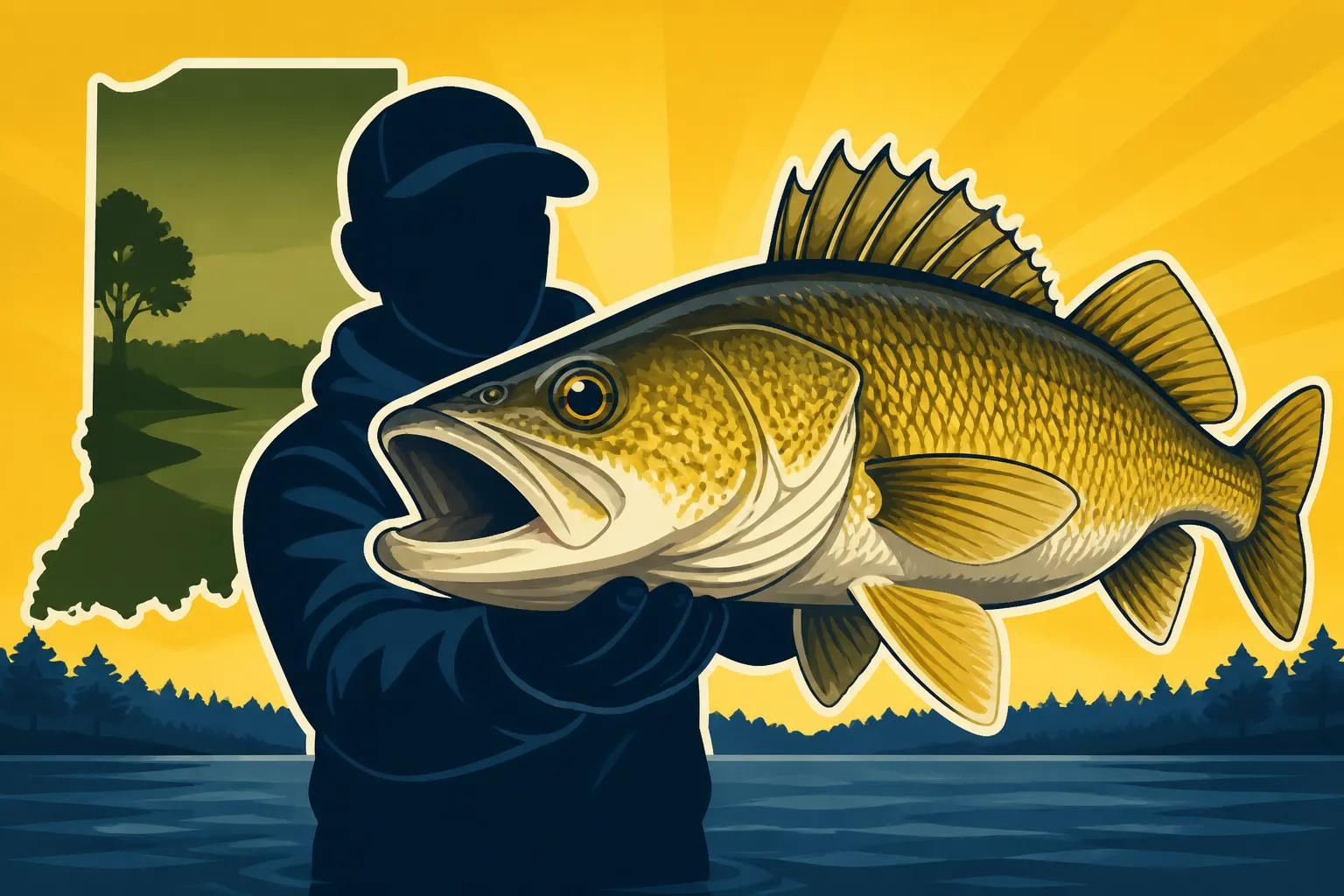
It's a dream many Hoosier anglers share: reeling in that monster walleye, the one that makes your arms ache and your heart pound. But beyond the thrill, there's a certain fascination with the sheer size these fish can achieve. We often wonder, just how big can a walleye get in Indiana, and what does it take to join the ranks of those who've landed a true trophy? This guide will dive deep into the impressive world of record-setting walleye, exploring the factors that contribute to their immense size, where to find them, and how to chase your own personal best in Indiana waters.
The Allure of the Trophy Walleye: Why Anglers Chase Giants
There’s something truly special about a trophy fish. It’s not just about the weight or the length; it's the culmination of skill, patience, and often, a little bit of luck. For walleye anglers in Indiana, the quest for a truly massive fish drives countless hours on the water, from the vast reservoirs of the south to the glacial lakes up north. A trophy walleye represents the pinnacle of freshwater angling for many, a testament to the health of our fisheries and the potential these elusive predators hold.
The Thrill of the Fight and the Story It Tells
Imagine the scene: you've been meticulously jigging or trolling, feeling only the subtle bumps of the lakebed or the occasional small bite. Then, suddenly, your rod doubles over, the drag screams, and a heavy, powerful weight surges at the end of your line. That initial run of a truly big walleye is unforgettable. They are formidable fighters, known for their powerful head shakes and deep dives, testing every ounce of your tackle and your resolve. Landing such a fish isn't just a catch; it's an epic battle, a story you'll recount for years to come. These moments are what fuel our passion, pushing us to learn more, refine our techniques, and explore new waters.
Understanding Indiana's Current Walleye Records
While specific record numbers can shift over time, Indiana has a proud history of producing some truly impressive walleye. The current state record for walleye is a testament to the potential of our lakes and rivers, often exceeding the 10-pound mark and stretching well over two feet. These are not everyday catches, but they serve as a benchmark, a goal for serious anglers. Most state records involve a fish caught, weighed on certified scales, and verified by state fisheries biologists. It takes a perfect storm of a healthy fish, the right angler, and a bit of fortune to break such a long-standing record. Don't forget that Indiana Walleye Fishing: A Complete Guide can provide more details on these remarkable fish.
Factors Influencing Walleye Growth and Size
Walleye don't just magically become giants. Their growth is a complex interplay of environmental conditions, food availability, genetics, and age. Understanding these factors can give you an edge in targeting areas where the biggest walleye are likely to thrive. It’s all about finding that perfect combination of circumstances that allows these fish to reach their full potential.
Abundant Food Sources and Water Quality
Just like any other creature, walleye need plenty of food to grow large. Lakes and rivers with a robust forage base – think shad, yellow perch, cisco, and various minnows – provide the caloric intake necessary for rapid growth. When food is scarce, walleye grow slower and typically don't reach trophy sizes. Beyond food, excellent water quality is crucial. Clean, well-oxygenated water allows fish to metabolize food efficiently and remain healthy, free from stress and disease. Areas with stable water temperatures and less pollution often produce healthier, larger fish. If you're looking to understand more about what walleye eat, exploring different Best Lures for Indiana Walleye Fishing can be a good starting point.
Genetics, Age, and Fishing Pressure
Genetics play a silent but significant role. Some walleye strains simply have the genetic predisposition to grow larger than others. It's why certain lakes consistently produce bigger fish. Age is another obvious factor; older fish have had more time to grow, assuming they've had consistent food and good conditions. A 10-year-old walleye will almost certainly be larger than a 3-year-old, given similar environments.
However, fishing pressure can impact this. In heavily fished waters, fewer walleye reach older ages and larger sizes because they are harvested sooner. Waters with catch-and-release practices or specific size regulations, like Walleye Minimum Length North of State Road 26 or Walleye Minimum Length South of State Road 26 in Indiana, can help protect larger fish, allowing them to continue growing and potentially contribute to the gene pool.
Environmental Conditions and Habitat
Walleye are cold-water loving fish, and deep, cool lakes and rivers often provide the ideal environment for them, especially during warmer months. Lakes with good structure – rocky points, humps, deep weed lines, and submerged timber – offer both ambush points for feeding and protection from predators. These diverse habitats allow walleye to conserve energy, find food, and escape danger, all contributing to their longevity and growth. Reservoirs like Monroe Lake or Patoka Lake, with their extensive submerged cover and deep channels, are prime examples of such habitats in Indiana.
Where to Find Trophy Walleye in Indiana Waters
Indiana offers several fantastic locations known for producing impressive walleye. While every body of water holds the potential for a surprise, some areas consistently yield larger fish due to their unique characteristics and management strategies. Knowing these hotspots can significantly increase your chances of hooking into a personal best.
The Northern Glacial Lakes
When people talk about big Indiana walleye, the conversation often turns to the northern glacial lakes, particularly in counties like Kosciusko and Steuben. Lakes like Lake Wawasee, Lake James, and Lake Maxinkuckee are renowned for their clear, deep waters and excellent forage bases. These lakes often hold strong populations of mature walleye, and anglers regularly pull out fish weighing 5 to 8 pounds, with occasional true giants breaking the double-digit mark. These deeper, cooler lakes provide the ideal year-round habitat for walleye to grow large. Best Walleye Fishing in Indiana goes into more depth on these prime locations.
Major Reservoirs and River Systems
Beyond the glacial lakes, Indiana's large reservoirs, such as Brookville Lake, Mississinewa Lake, and Salamonie Lake, are also fantastic places to target trophy walleye. These impoundments are regularly stocked and offer vast expanses of water, diverse structures, and abundant food. Walleye here often relate to main lake points, submerged creek channels, and deep humps. The Best Time of Year to Catch Walleye in Indiana in these reservoirs can vary, but spring and fall often present the best opportunities.
River systems like the St. Joseph River (near South Bend) also have populations of large walleye, particularly during seasonal runs. Fishing rivers requires a different approach, often involving current seams, deeper holes, and structure like log jams or rock piles.
Specific Lake Exceptions and Regulations
It's crucial to be aware that some lakes in Indiana have specific size and bag limits that differ from the statewide regulations. These exceptions are often put in place to protect specific fisheries or promote the growth of larger fish. For example, you'll find Walleye Length Exceptions at Bass Lake, Wolf Lake, and Lake George which are important to know before you head out. Always check the current Indiana Fishing Regulations Guide from the DNR before you cast your line. These rules are designed to help maintain healthy fish populations and ensure that future generations of anglers have a chance at their own trophy walleye.
Strategies for Targeting and Releasing Large Walleye
Catching a truly big walleye often requires a blend of specialized techniques, the right gear, and a conservation-minded approach. While the excitement of landing a trophy is immense, ensuring its survival, especially if you're not keeping it for the table, is paramount.
Specialized Techniques for Bigger Fish
Trophy walleye are often more elusive and wary than their smaller counterparts. They've survived longer because they're smart. This often means employing techniques that appeal to larger, more opportunistic feeders.
- Trolling: This is a highly effective method for covering large expanses of water and presenting baits at precise depths. Using planer boards can help spread out your lines and cover even more area, targeting suspended walleye or those relating to deep contours. Walleye Trolling Techniques can give you a head start. Investing in a good set of trolling rods and reels, perhaps found on Amazon, can make a huge difference in your success.
- Jigging: Vertical jigging with heavier jigs, often tipped with a large minnow or soft plastic, can be deadly when you've located a school of big walleye relating to deep structure. This technique allows for precise bait presentation directly over fish you've marked on your fish finder.
- Live Bait Rigs: Large shiners, suckers, or even substantial nightcrawlers on bottom-bouncing rigs or slip bobbers can entice a hungry trophy walleye, especially when presented in deeper, cooler water or during low-light conditions.
Consider adding a reliable fish finder to your boat, which you can easily find on Amazon, to help pinpoint those deeper structures where big walleye often lurk.
The Importance of Proper Catch and Release
If you're chasing records or simply practicing good conservation, proper catch and release is vital for large walleye. These older, larger fish are often crucial spawners, contributing significantly to the health of the fishery.
Here's how to maximize their survival rate:
- Use Appropriate Gear: Don't underpower your tackle. Using a rod and reel combination that can handle the fight of a large walleye will allow you to land the fish more quickly, reducing stress and exhaustion. You can find robust walleye fishing setups on Amazon.
- Minimize Handling Time: Get the fish in, unhook it, snap a quick photo if you wish, and get it back in the water as fast as possible.
- Support the Fish Properly: When handling, support the walleye horizontally, especially its belly, to avoid damaging internal organs. Avoid holding it vertically by the jaw if it's a heavy fish, as this can dislocate its jaw or cause spinal damage.
- Use Barbless Hooks (or Crimp Barbs): Barbless hooks make unhooking much easier and quicker, reducing damage to the fish's mouth. If your hooks have barbs, consider gently crimping them down with pliers.
- Revive the Fish: If the walleye seems sluggish, gently hold it upright in the water, facing into the current (if any), and move it slowly back and forth until it regains strength and can swim away under its own power.
A large, sturdy landing net with rubberized mesh, available on Amazon, can make landing and handling these toothy fish much safer for both the angler and the fish.
Documenting Your Trophy Walleye
So, you've done it – you've landed the walleye of a lifetime! Now what? Proper documentation is key, whether you're hoping to submit it for a state record, a catch-and-release award, or simply want to remember the moment.
Measuring and Weighing Your Catch Accurately
For any official record, precise measurements are critical. Length is typically measured from the tip of the snout to the tip of the tail, with the tail pinched to get the maximum measurement. Weight needs to be taken on a certified scale, usually at a marina, bait shop, or grocery store that has one. Make sure the scale is zeroed out and the process is witnessed. Digital scales are convenient, but for official records, a certified scale is non-negotiable.
Here’s a quick overview of what to measure:
| Measurement Type | Description | Importance |
|---|---|---|
| Length | From snout tip to tail tip (pinched tail) | Common for catch-and-release awards and overall size documentation. |
| Girth | Circumference around the thickest part of the fish body | Helps estimate weight for released fish; indicates fish's health and girth. |
| Weight | Taken on a certified scale | Essential for state records and heavy-weight awards. |
Even if you're releasing the fish, taking good quality photos with a measuring board can preserve the memory accurately. Look for a durable, floating measuring board that you can keep in your boat, perhaps from Amazon, to ensure consistent measurements.
The Art of the Quick Photo Session
A great photo can capture the essence of your trophy catch. Here are some tips for a respectful and memorable photo:
- Wet Your Hands: Always wet your hands before handling the fish to protect its slime coat.
- Quick Shots: Have your camera ready so you can take a few quick photos before releasing the fish.
- Angle Matters: Experiment with angles. Hold the fish closer to the camera for an exaggerated look, but also get some shots that show its true size in relation to your body.
- Support the Fish: Ensure the fish is well-supported, especially if it's a big one. Avoid dangling it by the jaw. A two-handed cradle is ideal.
- Background: Try to get a clean background without too much clutter. The water or a natural shoreline usually works best.
Chasing trophy walleye in Indiana is a challenging but incredibly rewarding pursuit. By understanding where these fish thrive, the techniques that work best, and how to practice responsible angling, you'll increase your chances of connecting with a true giant. Remember to always respect the resource, follow regulations, and most importantly, enjoy every moment out on the water.
Disclaimer
This article is for general informational purposes only and does not constitute professional advice. Laws, prices and regulations vary by location and change over time. Consult a qualified professional for guidance on your specific situation.