Indiana’s Best Lakes for Trophy Largemouth Bass
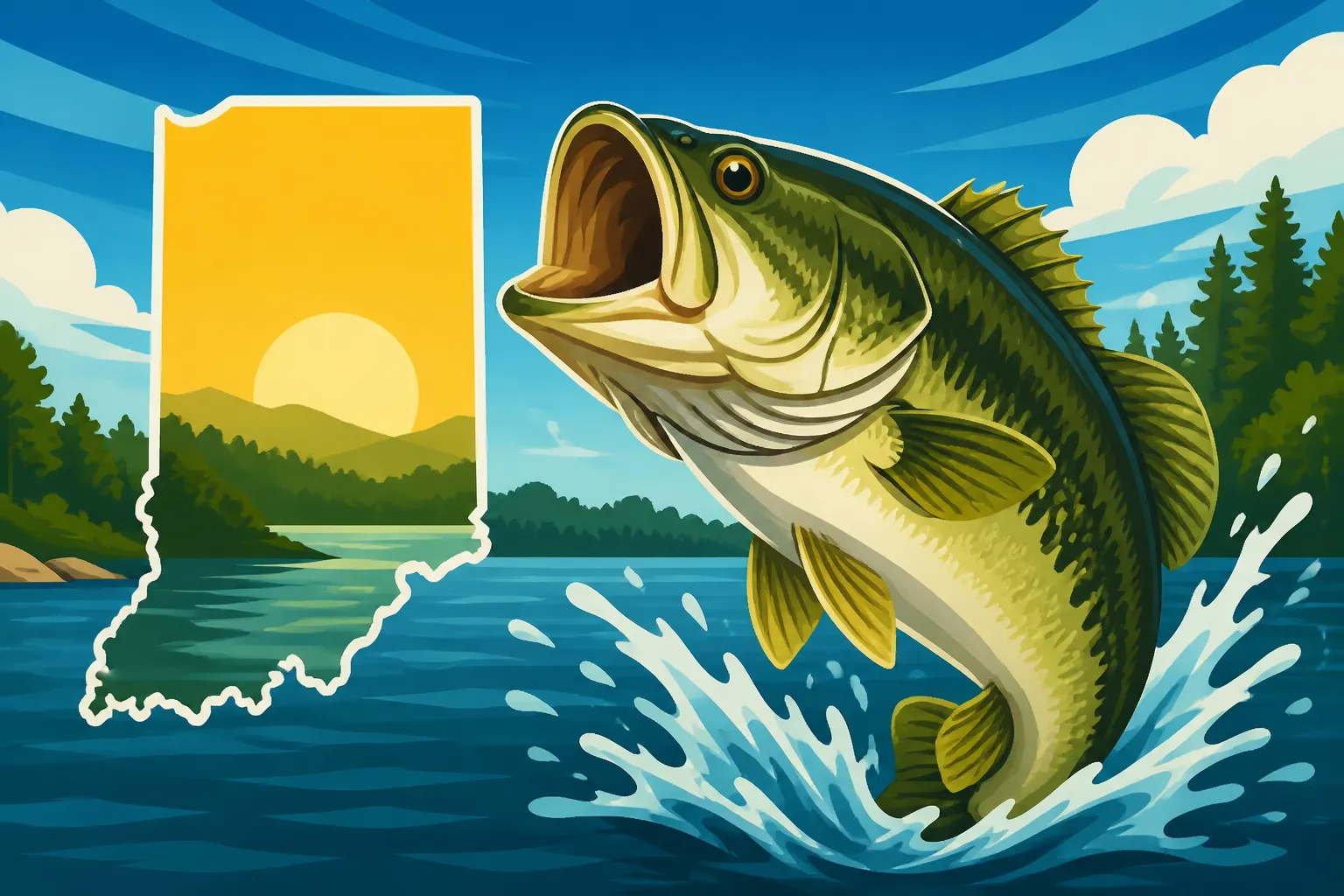
For many Indiana anglers, the dream isn't just catching a largemouth bass; it's landing that absolute monster, the kind that makes your heart pound and gives you bragging rights for years. But finding those truly massive bass in the Hoosier State can feel like chasing a ghost if you don't know where to focus your efforts. This guide is dedicated to helping you zero in on the prime Indiana lakes that consistently produce trophy-sized largemouth, saving you countless hours of casting into less productive waters.
The Allure of Trophy Largemouth Bass in Indiana
There’s something uniquely thrilling about the pursuit of a trophy largemouth bass. It’s not just about the size; it’s about the challenge, the intelligence these older, wiser fish exhibit, and the sheer power they unleash when hooked. A "trophy" largemouth in Indiana often means a fish pushing over five pounds, and for some, it's anything over seven or eight. These fish are few and far between, demanding patience, skill, and most importantly, fishing in the right places. Many anglers spend their entire lives chasing that one special catch, that personal best that might just eclipse the state record one day. The journey involves understanding fish behavior, mastering specific techniques, and selecting baits that appeal to these mature, often solitary predators. It’s a true angling quest, and Indiana, with its diverse range of lakes, offers some incredible battlegrounds for this pursuit.
What Makes a Lake a Trophy Bass Haven?
Not all lakes are created equal when it comes to growing giant largemouth. Several factors contribute to a lake's ability to support and produce trophy-sized bass. Think about it: a bass needs plenty of food, good hiding spots, stable water conditions, and enough space to grow old without being overfished too quickly. Lakes with abundant forage, like shad, bluegill, and even smaller crappie, provide the fuel for rapid growth. Aquatic vegetation, submerged timber, and rocky structures offer ambush points and shelter from predators and harsh weather. Deeper lakes with varied contours also tend to hold more stable water temperatures, which can be crucial for a bass's health and longevity, especially during extreme heat or cold. A balanced ecosystem, often supported by thoughtful fisheries management, is key to fostering a population where a few giants can emerge. Anglers seeking these behemoths often look for these specific characteristics, knowing that these environments are where the true titans reside.
The Patience and Persistence Required
Chasing trophy bass isn't for the faint of heart or the impatient. It demands a different mindset than simply catching numbers of smaller fish. You might spend hours, even days, without a single bite, but the potential for that one explosive strike keeps you going. This is where dedication comes in. It means analyzing every cast, every retrieve, and every subtle change in the environment. It involves learning to "read the water," understanding how wind, sun, and temperature affect where a big bass might be hiding. It’s about being present and persistent, knowing that the next cast could be the one that connects you with the fish of a lifetime. Often, trophy hunters will use larger baits, heavier lines, and more specialized gear, understanding that bigger bass prefer a substantial meal and require robust equipment to land them safely.
Top Indiana Lakes for Trophy Largemouth Bass
Indiana boasts several lakes that consistently produce largemouth bass of impressive size. These aren't just good fishing lakes; they're lakes with a proven track record for yielding those sought-after giants. While every lake has its ups and downs due to weather patterns, fishing pressure, and environmental changes, these locations offer the best odds for a true trophy hunt.
Monroe Lake: Indiana's Largest and a Bass Powerhouse
When you talk about trophy largemouth in Indiana, Monroe Lake: Indiana's Largest Lake for Bass Fishing almost always comes up first. This massive reservoir, located near Bloomington, is the state's largest inland lake by surface area, covering over 10,750 acres. Its sprawling size and diverse habitat make it an ideal environment for bass to grow to impressive proportions. Monroe is characterized by its numerous coves, extensive stands of submerged timber, rocky points, and varying depths. The sheer volume of water and cover means bass have plenty of places to hide, feed, and avoid fishing pressure.
Anglers targeting trophy bass on Monroe often focus on the abundant timber that riddles its channels and creek arms. Flipping and pitching jigs or creature baits into the heart of this cover can be incredibly effective, but it demands a heavy rod, strong line, and a lot of patience to extract a big fish from such dense structure. Carolina rigs and deep-diving crankbaits can also produce well on the deeper points and humps, especially when bass move offshore. The lake's vastness means you can often find unpressured areas, which is crucial when targeting mature, wary bass. If you're looking to purchase a reliable depth finder or some heavy-duty lures for Monroe's timber, checking out options on Amazon can give you a wide selection. Best Time to Fish Monroe Lake for Bass in Indiana gives you more insights into seasonal patterns.
Patoka Lake: Southern Indiana's Trophy Factory
Another jewel in Indiana's trophy bass crown is Patoka Lake, nestled in southern Indiana. This reservoir, slightly smaller than Monroe at around 8,800 acres, is renowned for its clear waters and incredible structure. Patoka's clear water means bass can be sight-oriented, but also warier, requiring more subtle approaches. The lake features extensive submerged timber, brush piles, rock formations, and even old roadbeds and foundations, all offering prime real estate for big bass. The Indiana Department of Natural Resources (DNR) has also managed Patoka's fishery carefully, leading to a healthy population of quality fish.
For trophy largemouth at Patoka, anglers often employ techniques like deep cranking along old creek channels, slow-rolling spinnerbaits through standing timber, or dragging football jigs on main lake points. The numerous coves and bays also offer excellent flipping and pitching opportunities, particularly in spring and fall when bass are shallower. Because of the clear water, line selection and presentation become even more critical. Fluorocarbon lines are often favored for their low visibility. You'll find a wide array of specialized baits and lines perfect for Patoka's clear water conditions if you browse fishing tackle on Amazon. Patoka Lake Fishing Guide for Bass and Crappie provides even more detail on this fantastic fishery.
Mississinewa Lake: Central Indiana's Productive Waters
Heading towards central Indiana, Mississinewa Lake offers another excellent opportunity for trophy largemouth. This reservoir, part of the Mississinewa, Salamonie, and Huntington chain, covers approximately 3,200 acres and is known for its productive waters and varied habitat. While perhaps not as large as Monroe or Patoka, Mississinewa consistently kicks out good numbers of quality bass, including some true giants. The lake is characterized by its many points, submerged humps, old river channels, and significant amounts of standing timber, particularly in its upper reaches.
Targeting trophy bass on Mississinewa often involves working the edges of the timber lines with jigs, worms, or bladed swim jigs. During the warmer months, bass can be found on deeper main lake points and humps, where techniques like drop-shotting or deep cranking can be effective. In the spring, the numerous shallow coves and emergent vegetation provide excellent spawning and pre-spawn habitat for big bass. Pay close attention to water clarity changes, especially after heavy rains, as this can affect bass location and bait choice. For durable fishing apparel or specialized fishing tools to navigate Mississinewa's conditions, you might find what you need on Amazon.
Brookville Lake: A Scenic Southeastern Indiana Hotspot
Brookville Lake, located in southeastern Indiana, is another premier destination for largemouth bass, including impressive trophy specimens. This 5,260-acre reservoir is known for its deep, clear waters and dramatic limestone bluffs, offering a different kind of fishing experience. The depth and clarity can make the fishing challenging at times, but the rewards are often substantial. Brookville's key features include steep rock walls, submerged humps, deep points, and scattered standing timber.
When hunting trophy bass on Brookville, many anglers turn to techniques that excel in deeper, clearer water. Jigging spoons, football jigs, and deep-diving crankbaits are staples for working main lake points and humps where big bass often suspend or cruise. In the spring, bass will move into shallower coves and feeder creek arms, making spinnerbaits, jerkbaits, and soft plastics effective. The clear water also means that early morning and late evening bites can be particularly productive, as bass feel more secure feeding in lower light conditions. Fishing near the rocky bluffs can also produce excellent results. For high-quality fishing line that disappears in clear water or specialized baits for deep-water presentations, explore options available through retailers like Amazon.
Essential Strategies for Landing Indiana's Biggest Largemouth
Catching a trophy largemouth bass isn't just about showing up at the right lake; it's about employing the right strategies and having the right mindset. Big bass didn't get big by being easy to catch. They've seen it all, and they're often more solitary and wary than their smaller counterparts.
Understanding Seasonal Patterns
The behavior of trophy largemouth bass changes dramatically with the seasons, making understanding these patterns absolutely critical.
Spring: Pre-Spawn and Spawn Aggression
Spring is often considered the prime time for catching big bass, particularly during the pre-spawn and spawn periods. As water temperatures rise into the 50s and 60s, big females move from their deeper wintering grounds to shallower areas in preparation for spawning. They are incredibly aggressive as they feed heavily to build energy for the spawn. This is when Best Bass Fishing Techniques for Pre-Spawn truly shine. Look for staging areas near spawning flats, such as secondary points, creek channel bends, and submerged timber lines. Large jigs, crankbaits, and bladed swim jigs are excellent choices. During the spawn itself, when water temperatures reach the mid-60s, bass are often guarding nests. Flipping and pitching soft plastics or jigs into visible cover where beds might be located can provoke a strike from a protective bass. Remember to handle spawning fish with extreme care, as releasing them quickly is vital for future generations.
Summer: Deep Water and Low-Light Bites
As summer heats up and water temperatures soar, trophy bass often retreat to deeper, cooler water. They'll relate to offshore structures like main lake points, humps, ledges, and deep-standing timber. The bite can be tough in the midday sun, but early mornings, late evenings, and even night fishing can be highly productive. Techniques like deep cranking, dragging football jigs, drop-shotting, and using large Texas-rigged worms become essential. Target areas with access to deep water and plenty of forage. Sometimes, bass will suspend over deep bait balls, requiring precise lure placement. Having a good fish finder is invaluable during this time to locate these deep-water havens.
Fall: The Feeding Frenzy Before Winter
Fall can be another fantastic time for trophy bass, as they once again go on a feeding binge to put on weight for the upcoming winter. As water temperatures begin to cool, baitfish move shallower, and bass follow suit. This is a time when reaction baits excel. Spinnerbaits, jerkbaits, crankbaits, and large swimbaits can be deadly as bass aggressively chase down meals. Look for bass schooling near baitfish in creek arms, main lake points, and around shoreline cover. The key is to match the hatch – identify what the bass are feeding on and select your lures accordingly. Best Bait for Largemouth Bass in Indiana Lakes will give you a great starting point for fall fishing.
Using the Right Gear
Landing a trophy bass requires more than just a basic rod and reel. You need gear that can withstand powerful runs and pull big fish out of heavy cover.
| Gear Type | Key Features for Trophy Bass | Common Techniques |
|---|---|---|
| Rod | Heavy power, fast action, 7'-7'6" | Flipping, Pitching, Heavy Jigging, Swimbaiting |
| Reel | High gear ratio (baitcaster), strong drag | Rapid retrieval for reaction baits, quick line pickup |
| Line | Fluorocarbon or Braided, 15-25 lb test | Less stretch for solid hooksets, abrasion resistance |
| Baits | Larger profile jigs, creature baits, crankbaits, swimbaits | Mimicking substantial forage, provoking aggressive strikes |
For instance, when flipping heavy cover on Monroe Lake, a 7'6" heavy power, fast action casting rod paired with a high-speed baitcaster spooled with 50-65 lb braided line is a common setup. The braid cuts through vegetation and provides the brute strength needed to horse a big bass out. If you're deep cranking on Patoka, a more moderate action rod with a slightly slower retrieve reel and 15-20 lb fluorocarbon might be preferred for better castability and sensitivity. Investing in quality gear is not just about comfort; it's about giving yourself the best chance to land that once-in-a-lifetime fish. Many specialty fishing shops, and online platforms like Amazon, offer a wide range of gear specifically designed for trophy bass fishing.
Strategic Bait Selection
Trophy bass are often opportunistic but also discerning. They're looking for a substantial meal, not just a snack. Larger baits that mimic the lake's primary forage are often most effective. This means big jigs, full-sized creature baits, large swimbaits, and deep-diving crankbaits that match the size and color of shad, bluegill, or even small panfish. Experiment with colors, but generally, natural tones work best in clear water, while brighter or darker colors can be effective in stained or muddy conditions. Don't be afraid to throw something bigger than you usually would. A five-pound bass isn't going to exert energy chasing a tiny worm unless it's the only option. Think big, bulky, and enticing presentations.
Preserving the Future of Trophy Bass Fishing
Catching a trophy bass is an incredible achievement, but it comes with a responsibility to ensure these magnificent fish continue to thrive. Practices like catch and release, especially for the largest breeding females, are paramount. These older, larger fish are vital to the health of the fishery and contribute significantly to future generations of trophy bass.
When you land a big one, handle it with care. Use a large, rubberized net to minimize harm to its fins and slime coat. Support the fish horizontally with two hands – one under the belly and one gripping the lip – to prevent internal injury. Take your photos quickly and get the fish back into the water as soon as possible. If the fish seems stressed, hold it gently in the water, facing into any current, until it can swim away under its own power. These practices, combined with advocating for responsible fisheries management, ensure that Indiana's Best Lakes for Trophy Largemouth Bass continue to produce giants for generations of anglers to come. Your commitment to conservation is as important as your angling skill in the pursuit of these legendary fish.
Disclaimer
This article is for general informational purposes only and does not constitute professional advice. Laws, prices and regulations vary by location and change over time. Consult a qualified professional for guidance on your specific situation.