Best Boats for Fishing Patoka Lake’s Coves
If you've ever dreamt of casting a line into Patoka Lake's abundant, fish-rich coves, you know the allure. But you also know the frustration that can come with trying to reach those hidden honey holes, whether it's navigating shallow stump fields, ducking under low-hanging branches, or just finding enough room to turn around. Choosing the right boat for Patoka Lake's coves isn't just about getting on the water; it's about unlocking those untouched fishing spots and making your trip successful and stress-free. This guide will walk you through the best boat types and features to conquer Patoka's unique backwaters.
Understanding Patoka Lake's Unique Coves and Your Fishing Style
Patoka Lake is a sprawling, beautiful body of water in southern Indiana, known for its incredible fishing opportunities, especially for bass, crappie, and catfish. However, what makes it so productive – its numerous coves, flooded timber, and fluctuating water levels – also makes it a unique challenge for boaters. To pick the perfect vessel, you first need to understand the environment and your own angling preferences.
The Diverse Landscape of Patoka's Backwaters
Imagine Patoka Lake's coves not as uniform pockets of water, but as a diverse collection of mini-ecosystems, each with its own character. Some coves are wide and relatively clear, allowing for easier navigation and longer casts. Others are narrow, winding corridors, often choked with the skeletons of trees that stood there before the lake was formed. These areas are fantastic for ambush predators like largemouth bass, but they can be a nightmare for larger boats.
You'll find everything from shallow flats perfect for topwater action to deeper channels snaking through the timber, where crappie suspend. Weed beds might emerge in summer, offering additional cover, while sudden drops in water level can expose vast mudflats or turn navigable channels into impassable trickles. The sheer amount of structure, both visible and submerged, means that a boat with a shallow draft and excellent maneuverability is often your best friend. Trying to force a deep-V hull into these tight, snag-filled areas can lead to damaged props, scratched gel coats, and a whole lot of frustration that could easily be avoided.
Matching Your Boat to Your Preferred Fishing Technique
Your personal fishing style is a huge factor in deciding what boat will serve you best on Patoka Lake. Are you a passionate bass angler who loves to flip jigs into heavy cover, painstakingly working every stump and brush pile? Or perhaps you're more inclined to jig for crappie, needing to hold your position precisely over a school suspended in deeper timber. Maybe you're a catfisherman who prefers to anchor on the edge of a channel or set up a trotline in a quiet backwater.
Each of these techniques places different demands on your boat. If you're constantly moving from one piece of cover to the next, a boat that's quick to get on plane and easy to control with a trolling motor is paramount. If stealth is your game, allowing you to sneak up on wary fish in clear water, a quieter, shallower option might be better. Anglers who frequently fish with multiple friends or family members will also need to consider space and comfort. Don't just think about what kind of boat looks cool; think about how you actually fish and what boat truly facilitates that experience in Patoka's unique environment. For specific tips on what to target, check out our Patoka Lake Fishing Guide for Bass and Crappie.
Top Boat Types for Patoka Lake's Coves
When it comes to navigating the intricate network of Patoka Lake's coves, certain boat types naturally rise to the top thanks to their design and functionality. Each has its own strengths and weaknesses, making them suitable for different angling approaches and budgets.
Jon Boats and Flat-Bottom Skiffs: The Shallow Water Kings
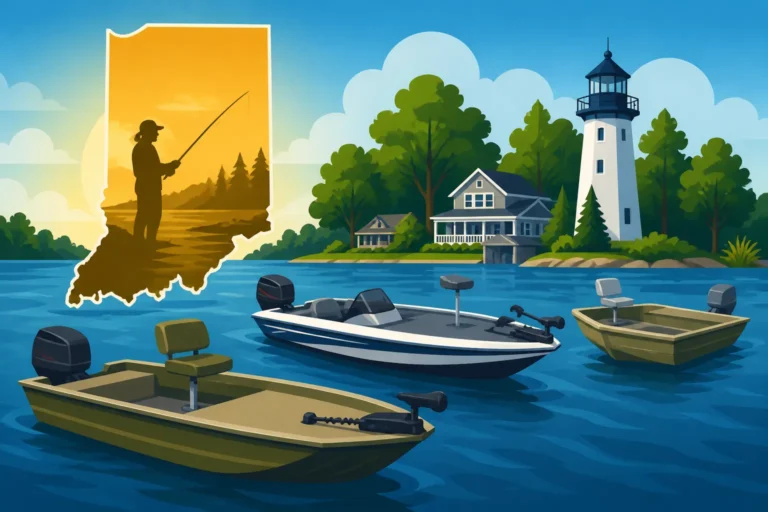
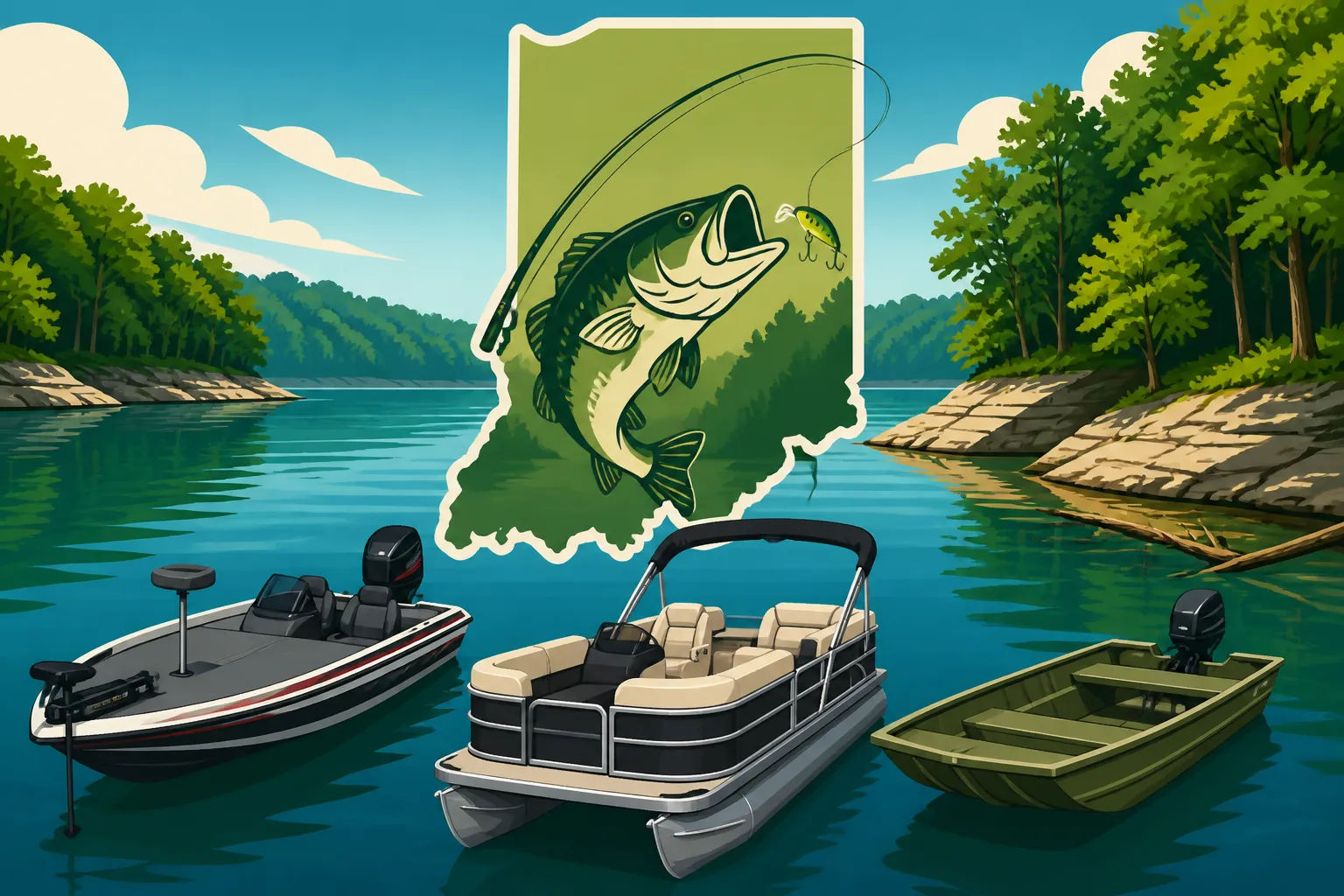
For many seasoned Patoka anglers, the humble jon boat or flat-bottom skiff is the undisputed champion of cove fishing. These boats are designed with a flat or nearly flat bottom, which gives them an incredibly shallow draft. This means they can float and operate in mere inches of water, allowing you to access the absolute skinniest parts of coves where other boats simply can't go. Imagine slipping into a brush-choked creek arm where bass are feasting on baitfish, knowing your boat can easily glide over submerged logs and stumps.
Their flat design also provides a remarkably stable casting platform, which is a huge plus when you're sight-fishing or making precise casts. They're typically made of durable aluminum, capable of shrugging off minor bumps and scrapes from timber. While they might not win any speed races across the main lake, their maneuverability with a small outboard or electric trolling motor in tight quarters is unmatched. However, their flat bottom does mean they can provide a somewhat rougher ride in choppy water, so stick to calm days or protected coves. For more on these types of boats, you might find our guide on Best Jon Boats for Rivers and Streams helpful, as many of the principles apply directly to Patoka's coves.
Aluminum Bass Boats: Versatility for Serious Anglers
If you're serious about bass fishing and need a bit more speed and comfort than a jon boat offers, but still require good shallow-water capability, an aluminum bass boat is an excellent choice. These boats blend the durability and lighter weight of aluminum construction with the features of a dedicated bass rig. They often have a modified-V hull that gives them better performance in a chop than a flat-bottom jon boat, while still allowing them to get into reasonably shallow areas.
Aluminum bass boats come equipped with more storage for rods, tackle, and gear, as well as aerated livewells – essential if you're participating in tournaments or simply want to keep your catch fresh. They can run larger outboards, getting you to distant coves quickly, and they are typically set up perfectly for a bow-mount trolling motor and fish finder. While they won't navigate the absolute shallowest trickles, they'll open up a vast majority of Patoka's coves and provide a more comfortable ride on the main body of the lake. These are often the workhorses you see competing in local tournaments. For related insights, check out Best Bass Boats for Indiana Tournaments.
Utility V-Hull Boats: A Great All-Around Family Option
For families or anglers who want a versatile boat for both fishing and general recreation on Patoka Lake, a utility V-hull boat (often simply called a "utility boat" or "runabout") can be a fantastic compromise. These boats feature a traditional V-shaped hull that provides a smooth, stable ride in choppier conditions on the main lake, making them great for tubing, waterskiing, or just cruising.
When it comes to fishing the coves, their V-hull means they'll need a bit more water than a jon boat, but many models still have a relatively shallow draft that allows them into a good number of Patoka's backwater areas. They typically offer comfortable seating, plenty of space for gear, and can be rigged with a trolling motor and basic electronics for fishing. While they aren't as specialized for hardcore shallow-water fishing as a jon boat or as performance-oriented as a dedicated bass boat, they offer a balanced approach that caters to a wider range of activities and comfort levels. This makes them a popular choice for those who enjoy all aspects of lake life.
Kayaks and Canoes: Stealth and Access to the Unreachable
For the ultimate in stealth, simplicity, and access to Patoka Lake's most remote and unreachable coves, kayaks and canoes are unparalleled. These human-powered vessels can literally go wherever you can paddle or float, often slipping silently into areas that even a jon boat can't reach due to width or extreme shallowness. Imagine paddling quietly through a flooded timber stand, casting your lure into pockets of water that have likely never seen a hook before.
Modern fishing kayaks, in particular, are designed with stability, gear storage, and angler comfort in mind. Many feature pedal drives for hands-free propulsion, rod holders, and mounting options for small fish finders or shallow-water anchors. They offer an intimate connection with the water and are perfect for solo anglers or those who enjoy the challenge and tranquility of truly isolated fishing. While they require more physical effort and offer less protection from the elements, the reward of accessing untouched waters can be immense. For those considering this option, our guides on Kayak Fishing Gear for Indiana Waters and Best Kayaks for Fishing Indiana Lakes offer valuable advice.
| Boat Type | Pros for Patoka Coves | Cons for Patoka Coves | Ideal Fishing Style | Max Draft (Relative) |
|---|---|---|---|---|
| Jon Boat / Skiff | Extremely shallow draft, highly maneuverable, stable | Rougher ride in chop, less storage/comfort, slower | Flipping/pitching, crappie jigging | Very Shallow |
| Aluminum Bass Boat | Good shallow draft, faster, more storage/features | Not for extreme shallow, can be wider | Bass tournaments, general lure fishing | Shallow |
| Utility V-Hull Boat | Versatile, handles chop well, comfortable for family | Deeper draft than jon boat, less specialized | Mixed recreation/fishing | Moderate |
| Fishing Kayak / Canoe | Ultimate shallow access, stealthy, low cost | Slower, exposed to elements, limited capacity | Exploring remote areas, finesse fishing | Ultra Shallow |
Key Features to Look For in a Patoka Lake Cove Boat
Beyond the general boat type, there are specific features that can make a world of difference when you're targeting those elusive fish in Patoka Lake's coves. These aren't just luxuries; they're tools that enhance your safety, efficiency, and overall enjoyment on the water.
Draft and Hull Design for Navigating Timber and Shallowness
This is arguably the most critical factor for Patoka Lake coves. A boat's "draft" refers to how much water it needs to float. For Patoka's frequently shallow and stump-filled backwaters, a minimal draft is paramount. Flat-bottom jon boats excel here, as their entire hull spreads the boat's weight over a large area, allowing them to skim over water just a few inches deep. Modified V-hulls, common on aluminum bass boats, offer a compromise: they cut through chop better than flat bottoms but still rise high in the water, allowing for decent shallow access.
Beyond draft, consider the hull material and design. Aluminum hulls are incredibly durable and can withstand accidental bumps with submerged timber much better than fiberglass, which can crack or spiderweb. Look for a robust, well-constructed hull that can take a beating, because in Patoka's coves, you're bound to encounter hidden obstacles. Even a small "rock guard" or reinforced keel can save you headaches and repair costs down the line.
Trolling Motors and Electronics for Precision Positioning
Once you've navigated into a cove, precise boat control is essential for successful fishing. This is where a quality electric trolling motor truly shines. A bow-mount trolling motor, preferably with GPS-enabled features like spot-lock (which holds your boat in a precise position using GPS coordinates), is a game-changer. It allows you to silently maneuver around stumps, hold your boat against the wind, or slowly follow a contour line without having to drop an anchor or constantly mess with your main engine. When you're trying to pick apart a specific piece of cover or stay on a crappie school, that hands-free control is invaluable.
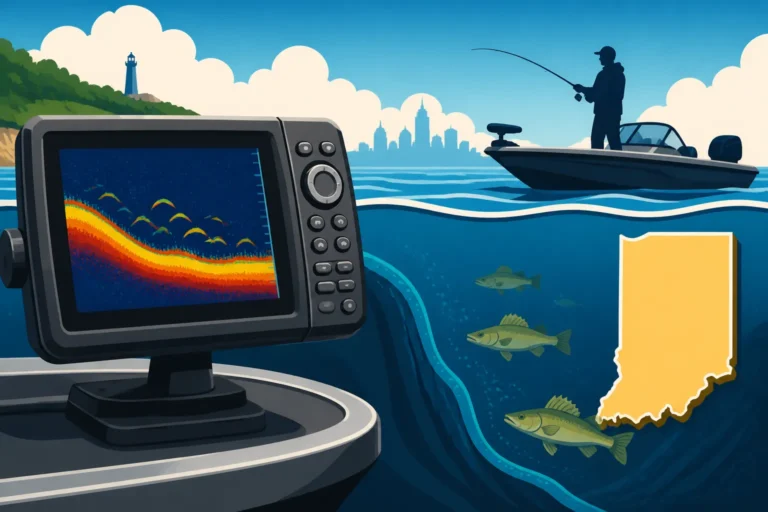
Accompanying your trolling motor, a reliable fish finder is almost a necessity. Patoka's waters can be stained, making it hard to see submerged structure. A good fish finder will reveal hidden brush piles, old creek channels, and schools of fish. Look for models with side-imaging or down-imaging capabilities to get a clearer picture of the bottom and what's lurking beside and beneath your boat. You can find a wide range of these products from brands like Humminbird or Lowrance, often available at retailers like Bass Pro Shops or online at Amazon. Even relatively simple units can provide a huge advantage. Our guide on Best Trolling Motors for Indiana Farm Ponds also offers insights that can be applied to selecting motors for Patoka's coves.
Storage, Comfort, and Accessibility
Long days on the water demand comfort and convenience. Adequate storage is key for keeping your gear organized and accessible. Look for dry storage compartments for electronics and valuables, dedicated rod lockers to protect your rods, and plenty of space for tackle boxes, coolers, and safety gear. A clutter-free deck is a safer deck, especially when you're casting around obstacles.
Comfortable seating is also important. Swivel seats allow you to easily turn and cast, while padded seats can make a long day much more enjoyable. Think about accessibility too: can you easily step from the boat onto a shallow bank if needed? Are there good grab handles for stability? If you frequently fish with kids or older family members, these small details can significantly impact their experience. Some boats even offer front casting decks with removable seats, providing maximum flexibility.
Practical Considerations and Brands for Your Patoka Cove Boat
Beyond the boat itself, there are several practical elements to consider when choosing and maintaining your vessel for Patoka Lake's coves. From how you acquire it to how you take care of it, these details can influence your overall enjoyment and success.
Budgeting and Where to Buy Your Next Fishing Machine
Let's be real, a boat is an investment. Before you even start looking, have a clear idea of your budget. New boats offer warranties and the latest features, but they come with a higher price tag. Used boats can be a fantastic value, allowing you to get more boat for your buck, but they might require more immediate maintenance or upgrades. Be prepared for a bit of a scavenger hunt if you go the used route.
When you're ready to buy, you have several options. Local marine dealers are excellent for new boats, offering sales support, financing, and service. For used boats, look at online marketplaces like Craigslist, Facebook Marketplace, or specialized boating websites. Don't forget local classifieds or even asking around at marinas and bait shops, as word-of-mouth can lead to hidden gems. For accessories, electronics, or even some smaller jon boats or kayaks, big box sporting goods stores like Bass Pro Shops are a great resource, as are online retailers like Amazon, offering convenience and competitive pricing.
When considering a boat, remember to factor in not just the purchase price, but also ongoing costs like insurance, fuel, maintenance, and storage. It's easy to get caught up in the excitement, but a realistic financial plan ensures long-term enjoyment.
Maintenance and Trailering for Patoka Lake's Demands
Patoka Lake's environment, particularly its timber-filled coves, demands a bit more attention to boat maintenance. Regularly inspect your propeller for dings and nicks from submerged stumps. Keep your lower unit clean and check your engine's oil and fuel filters regularly, especially if you're running through shallow, potentially silty areas. A well-maintained engine is a reliable engine, and reliability is crucial when you're deep in a remote cove.
A good trailer is also non-negotiable. Patoka has numerous access points, but not all ramps are created equal. Some can be shallow, especially during periods of low water, requiring you to back your trailer further into the lake. Look for a sturdy trailer with good tires, working lights, and reliable brakes. Bunk trailers are generally preferred for jon boats and aluminum V-hulls as they provide better support. Practice backing up your trailer in an empty parking lot before you head to a busy ramp! For more comprehensive advice on this, our article on Boat Trailer and Ramp Tips for Indiana Lakes is a must-read.
Local Knowledge and Adapting Your Setup
One of the most valuable resources you'll find around Patoka Lake isn't a piece of gear, but local knowledge. Talk to other anglers at the boat ramp, visit local bait shops, and participate in online fishing forums specific to Patoka. They can offer invaluable tips on current water levels, recent fish patterns, and even specific coves that are fishing well or are particularly challenging to navigate.
Patoka Lake's water levels can fluctuate significantly throughout the year, impacting accessibility and fish behavior. A cove that's easily navigable in spring might be a mudflat by late summer. Being flexible and willing to adapt your approach based on current conditions is key. This might mean having different types of lures ready, or knowing which coves are safer bets depending on the lake's elevation. Ultimately, the best boat for Patoka Lake's coves is the one that gets you where the fish are, comfortably and safely, allowing you to focus on the joy of fishing.
Disclaimer
This article is for general informational purposes only and does not constitute professional advice. Laws, prices and regulations vary by location and change over time. Consult a qualified professional for guidance on your specific situation.