Hybrid Striped Bass (Wiper): Indiana’s Hard-Fighting Sport Fish
There's nothing quite like the surge of adrenaline you feel when a powerful fish hits your line, pulling hard and refusing to give up. Many Indiana anglers dream of that kind of fight, especially when they're seeking a species that truly tests their skill and tackle. If you've been looking for a fish that delivers consistent, hard-hitting action and offers a fantastic angling experience, then the hybrid striped bass, often called a "wiper," might just be your next obsession. This guide will dive deep into everything you need to know about targeting these formidable sport fish in the Hoosier State.
What Exactly Is a Hybrid Striped Bass (Wiper)?
When we talk about "wipers" in Indiana, we're not just using a catchy nickname; we're referring to a fascinating crossbreed that combines the best fighting qualities of two distinct species. It's truly a testament to nature's (and sometimes man's) ability to create something new and exciting for anglers. These fish aren't native to Indiana, but they've found a fantastic home in many of our larger reservoirs, offering an unparalleled fishing experience.
The Striper-White Bass Connection: Unpacking the Hybrid
A hybrid striped bass, or wiper, is exactly what it sounds like: a hybrid of a true striped bass (often just called a "striper") and a white bass. Specifically, it's typically a cross between a female striped bass and a male white bass. This genetic blend results in a fish that grows faster and larger than a pure white bass but is often more tolerant of various freshwater conditions than a pure striper, making them ideal for stocking in landlocked reservoirs across the country, including right here in Indiana. Think of it as getting the best of both worlds – the aggressive nature of a striper with the robustness of a white bass.
This hybridization is largely a managed process. Fisheries biologists often create these hybrids in hatcheries to stock them into lakes and reservoirs where they might thrive. They do this because wipers are sterile, meaning they can't reproduce on their own in most natural environments. This sterility is actually a good thing for fishery management; it means that their populations can be carefully controlled through stocking programs without the risk of them overpopulating or disrupting native species through competition for resources in an uncontrolled way. For us anglers, it means a consistently strong population of powerful, hard-fighting fish to pursue.
Why Indiana Stocks These Powerhouses
So, why would Indiana fisheries go through the trouble of stocking a hybrid fish that can't reproduce naturally? The answer is simple: wipers are incredible sport fish that fill a unique niche in our freshwater ecosystems. They grow large, fight exceptionally hard, and are often found in open water, making them a thrilling target for anglers looking for something beyond our typical bass or panfish. They also help control populations of nuisance baitfish like gizzard shad, turning an abundant food source into impressive fish growth.
The primary reason is to provide diverse angling opportunities. Not every lake or reservoir is suitable for native species or pure stripers, but many can support a robust population of wipers. By introducing these hybrid powerhouses, the state enhances the fishing experience for residents and visitors alike, adding another exciting dimension to our freshwater fisheries. Plus, because they're sterile, fisheries managers have precise control over their numbers, ensuring sustainable fishing without worrying about uncontrolled reproduction. It's a win-win for both conservation and recreation, giving us anglers a fantastic quarry without impacting native fish populations negatively.
Identifying Indiana's Wipers: Spotting the Differences
One of the first challenges, and sometimes a source of frustration, for new wiper anglers is telling them apart from other similar-looking species. Indiana waters are home to white bass and occasionally pure striped bass, along with other silvery fish like walleye or saugeye. Knowing what you've got on the end of your line is crucial for adhering to regulations and simply for satisfying your angler's curiosity. There are distinct characteristics that set a wiper apart once you know what to look for.
Key Markings and Body Shape: Telling Wipers Apart
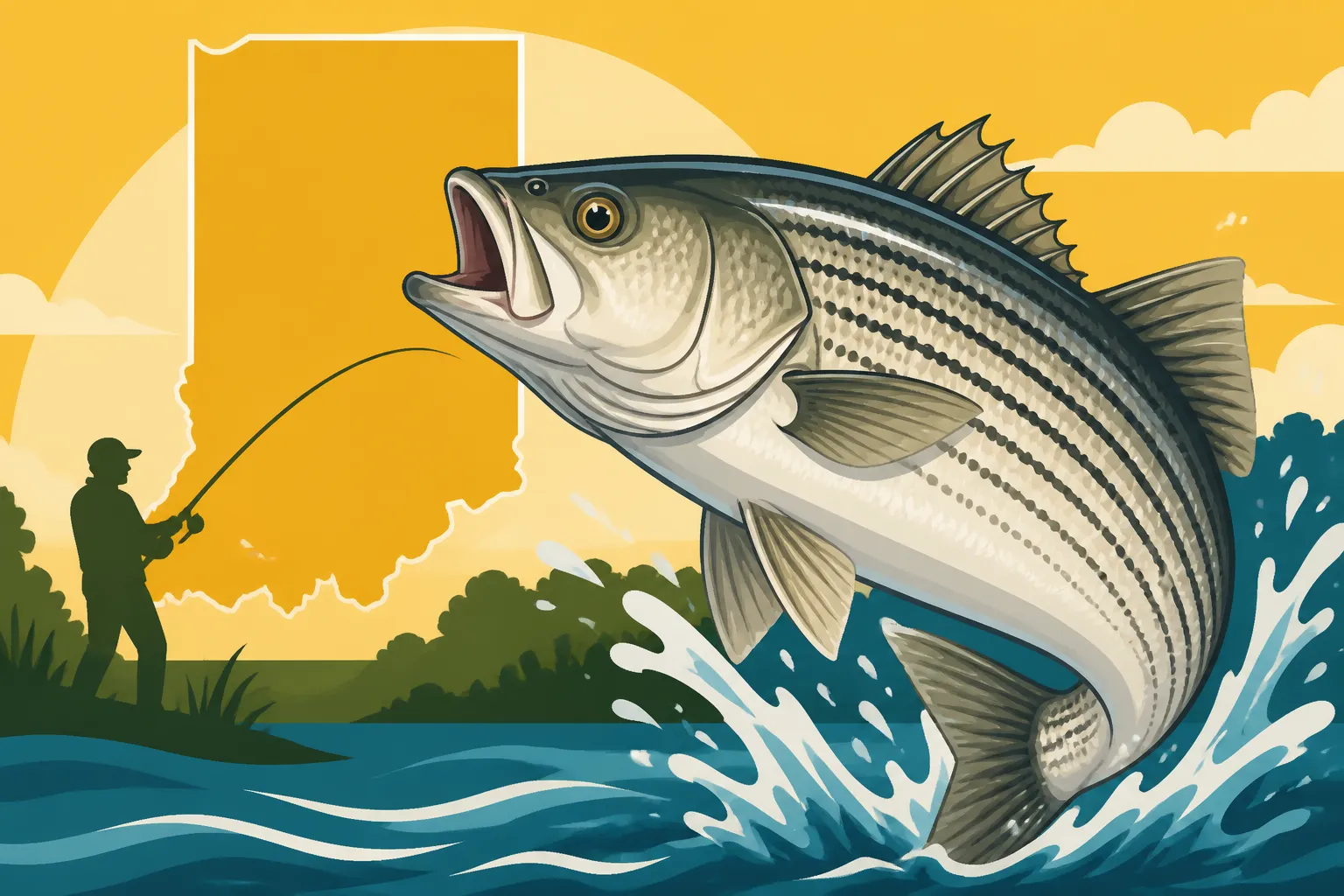
The easiest way to identify a hybrid striped bass is by looking at its body shape and, most importantly, its stripes. Wipers generally have a more stout, deeper body than a white bass, but not quite as streamlined as a pure striper. Their coloration is typically silvery, often with a darker back that fades to a white belly. The key identifier, however, lies in their lateral stripes. Unlike white bass, which have faint, broken stripes, or pure stripers, which have solid, unbroken stripes, wipers will almost always have broken or discontinuous lateral stripes. Look closely at the stripes running along their sides; usually, the lower stripes will be distinctly broken or irregular, especially towards the tail.
Another helpful clue is the number of rows of teeth on their tongue. While you might not want to stick your finger in there, if you can safely examine it, a wiper will have two distinct rows of teeth on its tongue. A white bass typically has only one patch, and a true striped bass has two patches that are closer together. Their dorsal fins are also a good indicator: like white bass, wipers have two dorsal fins that are distinctly separated. If you're still unsure, comparing photos of a Hybrid Striped Bass Identification: Spotting a Wiper can be incredibly helpful when you're on the water.
Walleye vs Saugeye vs Wiper: A Quick Visual Guide
Sometimes, especially in murky water or low light, it can be tricky to differentiate between fish with similar overall shapes. While wipers are often confused with white bass or pure stripers, they can also be mistaken for walleye or saugeye, particularly when they're on the smaller side and have a more slender profile. However, there are very clear differences that make positive identification straightforward once you know what to look for.
Let's break down the key differences in a quick table:
| Feature | Hybrid Striped Bass (Wiper) | Walleye | Saugeye |
|---|---|---|---|
| Body Shape | Deeper body, somewhat compressed sides | Long, slender, rounder body | Similar to walleye, slightly stockier |
| Stripes | Distinct, broken lateral stripes | No distinct lateral stripes; mottled patterns, sometimes faint bars | Mottled patterns, sometimes faint bars |
| Dorsal Fins | Two distinct, separate dorsal fins | Two distinct, separate dorsal fins | Two distinct, separate dorsal fins |
| Spiny Dorsal | Spines are typically sharper and more rigid | Spines are sharp | Spines are sharp |
| Tail Fin | Fairly plain, sometimes slightly forked | Often has a white tip on the lower lobe | No white tip on tail, often mottled or barred tail |
| Eye Color | Normal, silvery | Large, opaque, "glassy" eyes | Large, opaque, "glassy" eyes (less pronounced than walleye) |
| Tooth Patch | Two distinct rows on tongue | No teeth on tongue | One or two small patches on tongue |
When you're out there, remember the stripes are your best friend for wipers. For walleye and saugeye, their large, reflective eyes and the lack of prominent lateral stripes are key. Also, remember that walleye and saugeye are part of the perch family, while wipers are in the temperate bass family, leading to different fin structures and overall feel. If you're comparing walleye and saugeye specifically, checking for the white tip on the walleye's tail is a dead giveaway, as discussed in Walleye vs Saugeye: How to Tell Them Apart.
Where to Find Hybrid Striped Bass in Indiana Waters
Knowing what a wiper looks like is one thing, but knowing where to find them is the real trick to success. Unlike many other species that prefer weedy cover or specific structures, wipers are often found in open water, chasing baitfish. This makes their location highly dependent on the food source. Indiana has several prime locations where these hard-fighting fish have been successfully stocked and thrive, offering fantastic opportunities for anglers willing to put in the effort.
Top Reservoirs and Lakes for Wiper Action
Indiana's larger reservoirs are generally your best bet for targeting hybrid striped bass. These expansive bodies of water provide the open-water environment and abundant baitfish populations that wipers need to grow big and healthy. While populations can fluctuate based on stocking efforts and environmental factors, several lakes consistently stand out as top destinations for wiper fishing. These include popular spots like Monroe Lake, Patoka Lake, Brookville Lake, and Mississinewa Lake. Each of these reservoirs offers unique characteristics and ample space for wipers to roam and feed.
Monroe Lake, being the largest inland lake in Indiana, is a fantastic spot. Its vast open water and ample gizzard shad population create a perfect hunting ground for wipers. Anglers often find success targeting points, humps, and submerged creek channels, especially where baitfish are schooling. Patoka Lake in southern Indiana is another renowned wiper hotspot. Its deep waters and numerous coves provide excellent habitat, and during certain times of the year, the wiper bite can be absolutely phenomenal. Brookville Lake, with its clear waters and steep drop-offs, also holds a strong population, particularly near the dam and along main lake points. Mississinewa Lake, part of the Upper Wabash Chain of Lakes, is known for its consistent wiper fishing, especially when you can locate the bait balls. For a more general overview of where to find these fish, check out Where to Catch Hybrid Striped Bass in Indiana.
Understanding Their Habitat Preferences
Wipers are truly pelagic fish, meaning they prefer open-water environments rather than hugging dense cover like largemouth bass. Their entire existence revolves around finding and feeding on baitfish, primarily gizzard shad in Indiana. This means that instead of looking for submerged logs or thick weed beds, you should be looking for baitfish schools and areas where wipers can ambush them. Key habitat preferences include large, deep reservoirs with ample open water, often with fluctuating water levels that can concentrate bait.
They tend to suspend in the water column, often just above the thermocline in summer, or near the bottom in colder months, always within striking distance of their food. Look for them around main lake points, submerged humps, deep flats, and especially near the dam or river channels where current might be present. The presence of gulls or other diving birds can often indicate baitfish pushed to the surface, which is a sure sign that wipers or other schooling predators are nearby. Using your boat's electronics to locate baitfish schools is paramount; find the bait, and you'll find the wipers. They are constantly on the move, so patience and persistence in locating active fish are key to success.
Tackle and Techniques for Catching Indiana Wipers
So, you've found a promising spot, maybe even marked some baitfish on your sonar, and you're ready to tangle with a wiper. But what gear do you need? And how do you actually go about catching these hard-fighting fish? Wipers demand tackle that can handle their powerful runs and aggressive strikes. They're not shy, but they're also not easily subdued, making the right setup and technique crucial for success.
Rods, Reels, and Line: Gearing Up for a Fight
When it comes to rods and reels for hybrid striped bass, think power. These fish are pound-for-pound some of the strongest freshwater fighters, capable of long, drag-screaming runs. You'll want a medium-heavy to heavy action spinning or baitcasting rod, typically in the 7 to 7.5-foot range. This length gives you good casting distance for covering open water and enough backbone to turn a charging fish. A fast or extra-fast tip is ideal for detecting subtle bites while still providing the power to set the hook firmly.
For reels, a sturdy spinning reel in the 3000-4000 size range or a dependable baitcasting reel with a smooth, powerful drag system is essential. The drag is your best friend when a wiper decides to take off like a rocket. Spool your reel with 15-20 lb monofilament or fluorocarbon, or if you prefer the sensitivity and strength, 20-30 lb braided line with a 15-20 lb fluorocarbon leader. The leader provides a bit of stretch and is less visible in clearer water, which can make a difference. Many anglers find reliable gear on Amazon that perfectly suits the demands of wiper fishing, ensuring they have the right tools for the job. Having robust tackle is key because a lightweight setup will quickly be overwhelmed by these powerful fish.
Best Baits and Lures for Hybrid Striped Bass
Wipers are opportunistic predators, and their diet primarily consists of smaller baitfish. Mimicking these natural food sources is the most effective strategy. Live bait, especially gizzard shad, threadfin shad, or large shiners, can be incredibly effective when fished on a free-line or under a bobber near schools of wipers. When live bait isn't available, cut bait, particularly fresh pieces of shad, can also entice a bite when fished on the bottom or suspended.
For artificial lures, anything that imitates a baitfish will likely draw a strike. Popular choices include:
- Spoons: Casting spoons (like silver or gold slabs) or jigging spoons are fantastic, especially when wipers are schooling vertically. Drop them down and rip them back up to simulate a struggling baitfish.
- Swimbaits: Paddle-tail swimbaits rigged on jig heads are highly effective, whether retrieved steadily or jigged. Look for colors that mimic shad or perch.
- Crankbaits: Deep-diving crankbaits that reach the depths where wipers are holding can be deadly. Choose colors like chrome/blue, shad patterns, or white.
- Topwater Lures: During prime feeding times, especially dawn or dusk, wipers will often smash topwater plugs like poppers or walk-the-dog lures. The explosive strike is unforgettable!
- Spinnerbaits: Large spinnerbaits with tandem blades can attract attention in stained water or when retrieved quickly.
According to Best Bait for Wiper Fishing in Local Reservoirs, matching the hatch—using lures and baits that resemble the prevailing baitfish—is crucial for consistent success. Keeping a variety of these baits and lures in your tackle box, maybe even a specialized one from Amazon, will ensure you're prepared for whatever mood the wipers are in.
Effective Fishing Techniques and Strategies
Because wipers are often found in open water and tend to school, covering water and locating active fish are essential. Trolling is a very popular and effective technique, especially on larger reservoirs. Using deep-diving crankbaits or spoons behind planer boards can help you cover vast expanses of water and present your lure to multiple fish. Pay attention to your fish finder to identify baitfish schools and actively feeding fish. Once you locate them, make repeated passes through the area.
Another highly effective strategy is jigging, particularly when fish are suspended beneath your boat or you mark a school on your electronics. Drop a heavy jigging spoon or a swimbait on a jig head down to the depth of the fish, then violently rip it up and let it flutter back down. This aggressive presentation often triggers a reaction strike. If the fish are shallow or breaking the surface, casting spoons, swimbaits, or topwater lures into the melee can lead to explosive strikes. Don't be afraid to experiment with retrieve speeds and depths until you find what triggers a bite. Remember that Best Lure Choices for Summer Fishing and Best Bait and Lures for Fall Fishing might offer more general strategies applicable to wipers too.
Seasonal Patterns and Best Times to Fish for Wipers
Understanding the seasonal movements and feeding patterns of hybrid striped bass is paramount to consistent success in Indiana. Like most fish, their behavior is heavily influenced by water temperature, available forage, and spawning instincts (even though they are sterile, they retain some of these urges). Knowing when and where to find them throughout the year can turn a frustrating day into a memorable one.
Spring and Fall: Prime Time for Action
Many experienced anglers agree that spring and fall are often the prime times for targeting hybrid striped bass in Indiana. In the spring, as water temperatures begin to rise, wipers become incredibly active, pushing shallow to feed on newly available baitfish. They'll often concentrate in warmer areas of the lake, such as northern coves or near inflowing creeks, where baitfish are also aggregating. Look for them cruising points, flats, and shoreline structures adjacent to deeper water. This is a fantastic time for casting a variety of lures, from swimbaits to crankbaits, or even fishing live shad.
As summer transitions into fall, and water temperatures begin to drop again, wipers enter another aggressive feeding period. They sense the coming winter and actively gorge themselves on baitfish to build up reserves. This is when you can often find massive schools of wipers chasing baitfish to the surface, creating spectacular feeding frenzies known as "boils." Seeing gulls diving and water erupting is a clear sign that the wipers are active. Trolling deep-diving crankbaits or casting spoons and topwater lures into these boils can result in non-stop action. This season is often considered the best for a trophy fish, as highlighted in Best Time of Year for Striped Bass Fishing in Indiana.
Summer and Winter Adjustments
While spring and fall are arguably the best, you can certainly catch wipers during the summer and winter months with some adjustments to your approach. In the heat of summer, hybrid striped bass tend to move to deeper, cooler water, often suspending over main lake basins or congregating around thermoclines where oxygen levels are good and baitfish are present. This is when deep trolling with downriggers or heavy jigging spoons becomes particularly effective. Early morning and late evening bites can also be strong as fish move shallower to feed under lower light conditions. Night fishing can also be productive in summer, as wipers will often feed actively under the cover of darkness.
Winter presents the biggest challenge, but it's not impossible. As water temperatures plummet, wipers become much less active and their metabolism slows down. They'll often hold in very deep water, typically near the bottom of the main river channels or deepest parts of the reservoir, suspending just above the structure. Locating them with good electronics is crucial. Slow, vertical jigging with spoons or blade baits directly over the fish can elicit strikes. While the action might be slower, winter wipers can often be some of the largest, as they conserve energy and might be less pressured. Ice fishing, where permitted and safe, can also produce wipers if you find their deep winter haunts.
Regulations and Conservation for Indiana's Wiper Fishery
As exhilarating as catching hybrid striped bass can be, it's incredibly important to remember that these are a managed resource. Adhering to Indiana's fishing regulations isn't just about avoiding penalties; it's about ensuring that future generations of anglers can also enjoy the thrill of battling these powerful fish. Conservation practices, even for a stocked, sterile fish, play a vital role in maintaining a healthy and enjoyable fishery.
Daily Bag and Size Limits to Know
Indiana has specific regulations in place for hybrid striped bass, which are grouped with white bass and striped bass. It's crucial to consult the most current Indiana Fishing Guide, which is published annually by the Indiana Department of Natural Resources (DNR). These guides are available online and at bait shops, and should be on every angler's checklist. Generally, there will be a combined daily bag limit for white, yellow, and striped bass, including hybrids. This means you can only keep a certain number of these fish in total per day.
There may also be specific size limits, such as a minimum length, for hybrid striped bass. For example, some reservoirs might have a protected slot limit or a minimum length limit to allow fish to grow to a larger size before being harvested. These regulations are designed to distribute the catch among anglers and ensure the population remains robust. Always double-check the rules for the specific body of water you're fishing, as regulations can sometimes vary by lake. Ignorance of the law is never an excuse, and penalties for violations can be significant, as noted in the Indiana Fishing Regulations and Bag Limits Guide.
Practicing Responsible Catch and Release
While wipers are often fantastic table fare, many anglers choose to practice catch and release, especially for larger specimens, to help sustain the quality of the fishery. Even though wipers are sterile, releasing fish means more opportunities for other anglers and can help maintain the average size of fish in the system by allowing them to grow larger. If you intend to release a fish, handling it properly is paramount to its survival.
Here are some tips for responsible catch and release:
- Minimize Air Exposure: Keep the fish in the water as much as possible. Even a few seconds of air exposure can be stressful.
- Wet Your Hands: Always wet your hands before touching the fish to protect its slime coat, which is vital for disease resistance.
- Support the Fish: If you must lift the fish for a photo, support its body horizontally with one hand under its belly and the other gripping the lower jaw. Avoid holding it vertically by the jaw alone, as this can damage internal organs.
- Use Barbless Hooks: Consider using barbless hooks or crimping down the barbs on your lures. This makes hook removal much easier and quicker, reducing stress on the fish.
- Quick Release: Remove the hook as gently and quickly as possible. If the fish is deeply hooked, it's often best to cut the line as close to the hook as possible rather than trying to remove it forcefully.
- Revive the Fish: If the fish seems sluggish, hold it upright in the water and gently move it back and forth to force water over its gills until it swims away under its own power.
By following these practices, you contribute to a healthy and thriving hybrid striped bass fishery in Indiana, ensuring that the thrill of catching these powerful fish continues for years to come.
Catching hybrid striped bass in Indiana is an incredibly rewarding experience. These hard-fighting fish provide a challenge that keeps anglers coming back for more. From understanding their unique biology and identifying them correctly, to gearing up with the right tackle and mastering effective techniques, there's a lot to learn and even more fun to be had. Remember to always respect the resource, follow regulations, and practice responsible angling, and you'll be well on your way to many exciting battles with Indiana's ultimate freshwater powerhouses.
Disclaimer
This article is for general informational purposes only and does not constitute professional advice. Laws, prices and regulations vary by location and change over time. Consult a qualified professional for guidance on your specific situation.