Best Bait for Northern Pike in Indiana Lakes
Northern Pike in Indiana lakes are some of the most exciting, yet sometimes elusive, freshwater predators to target. Many anglers find themselves frustrated, casting all day with little to show for it, wondering if they're using the right bait or if the fish are even there. This comprehensive guide is here to cut through the confusion, helping you understand the best baits and techniques to consistently hook into those toothy, hard-fighting pike that call our Hoosier waters home.
Understanding Northern Pike Feeding Habits in Indiana
Before we even talk about specific baits, it's crucial to understand what makes a Northern Pike tick. These fish are true apex predators in many Indiana lakes, and their behavior directly influences what bait they’ll strike. If you know what they're looking for, you can present it in a way they can't resist.
Aggressive Predators: Why Pike Hit Hard
Northern Pike are known for their explosive strikes. Unlike some other fish that might gently mouth a bait, a pike often hits with a vengeance, ambushing its prey with incredible speed and power. This aggressive nature stems from their predatory instinct – they are sight hunters that react quickly to movement and flash. They don't want to work hard for a meal; they want something easy to catch and swallow. This means baits that imitate injured or frantic prey often trigger a violent reaction. Think about a baitfish darting erratically or a small rodent struggling near the surface – that's the kind of chaotic energy that grabs a pike's attention. Understanding this helps us choose baits that mimic this behavior.
Seasonal Changes in Pike Diet
Just like us, pike's dining preferences can shift with the seasons. In the colder months of early spring and late fall, their metabolism is slower, and they might prefer a larger, slower-moving meal that provides a lot of energy for minimal effort. This is often when dead baits, fished on the bottom or suspended under a float, become incredibly effective. As the water warms in late spring and summer, pike become much more active. They'll chase down fast-moving lures and aggressively strike at a variety of artificial presentations. During the heat of summer, they might retreat to cooler, deeper waters or dense cover, requiring presentations that can get into those areas. Knowing the season helps you narrow down your bait selection considerably.
Preferred Forage in Indiana Lakes
Northern Pike are opportunistic feeders, but they do have preferences based on what's readily available in their environment. In many of Indiana's glacial lakes, like those found in Kosciusko and Steuben counties, pike feed heavily on various panfish species such as bluegill and crappie, as well as smaller perch, suckers, and minnows. They'll also readily consume frogs, mice, and even ducklings if the opportunity arises. The key takeaway here is to "match the hatch," as they say in fly fishing. If you know your target lake has an abundance of a certain type of baitfish, using a bait that mimics that species in size, color, and action can be incredibly effective. Consider asking local bait shops or fellow anglers about the prevalent forage in the specific lake you're fishing.
Top Live Baits for Northern Pike in Indiana
When it comes to consistently catching Northern Pike, especially larger ones, live bait often reigns supreme. There’s just something about the natural movement and scent of a struggling baitfish that pike can’t resist. If you're serious about hooking into a trophy, live bait should always be in your arsenal.
Large Minnows: The Classic Choice
For many Indiana anglers, large shiners or fathead minnows are the go-to live bait for pike. They are readily available at most bait shops and offer a good balance of size and liveliness. A 4-6 inch minnow is often perfect for enticing medium to large pike. The natural flutter and subtle vibrations these minnows emit are highly attractive to pike, especially when they're in a neutral or slightly lethargic mood. You can fish them under a bobber near weed lines or structure, or slow-troll them just above the bottom. When a pike sees a minnow struggling, it triggers that aggressive instinct we talked about earlier. Look for hardy, active minnows at your local bait shop to ensure they stay lively on your hook.
Suckers and Chubs: Bigger Bites for Bigger Pike
If you’re hunting for true monster pike, don’t shy away from bigger live bait. Suckers and chubs, often ranging from 6 to 10 inches, are absolute dynamite for enticing larger, more territorial pike. These larger baitfish offer a substantial meal that big pike simply can't ignore. They also tend to be tougher and can withstand more abuse on the hook, staying lively longer. The natural oils and scent they release in the water can draw pike from a distance. Fishing suckers often requires a bit heavier tackle, as a large pike hitting a big sucker is a powerful event. I've had some unforgettable battles with pike that absolutely hammered a 9-inch sucker fished near a deep weed edge on Monroe Lake: Indiana's Largest Lake for Bass Fishing.
Live Bait Rigging Techniques
Properly rigging live bait is crucial for both effectiveness and the health of your baitfish. For minnows and smaller baitfish, a common approach is to hook them lightly through the back, just behind the dorsal fin, being careful not to hit the spine. This allows them to swim naturally and present themselves to passing pike. Another method is to hook them through both lips, which works well for slow-trolling or when you want the bait to swim vertically. When using larger suckers or chubs, you might opt for a quick-strike rig, which involves two treble hooks: one hooked near the dorsal fin and another near the head. This increases your hook-up ratio significantly with larger baits, as pike tend to engulf them from the head. Always use a strong wire leader when fishing live bait for pike; their razor-sharp teeth will make short work of monofilament or fluorocarbon.
Effective Artificial Lures for Northern Pike
While live bait is fantastic, artificial lures offer the advantage of covering a lot of water quickly and targeting pike that are actively hunting. Modern lures are incredibly effective at mimicking injured baitfish, providing flash, vibration, and erratic movement that trigger a pike’s predatory instincts.
Spinnerbaits and Inline Spinners: Flash and Vibration
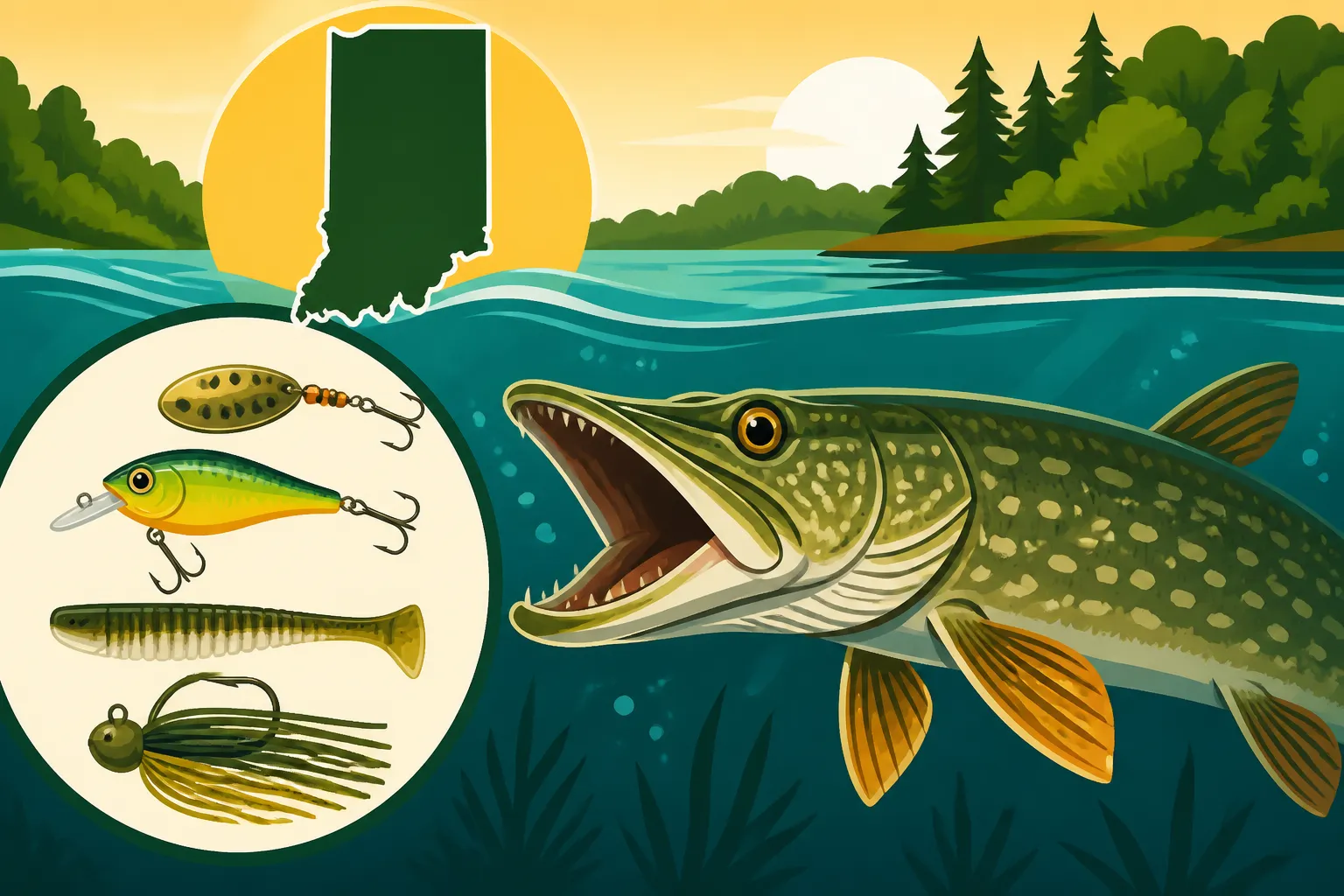
Spinnerbaits and inline spinners are absolute workhorses for Northern Pike fishing. Their flashing blades create irresistible visual appeal and vibration in the water, which can be detected by pike from a surprising distance. For spinnerbaits, look for models with large Colorado or willow leaf blades in bright colors like chartreuse, white, or firetiger. A white spinnerbait with a silver blade, retrieved at a medium to fast pace near weed lines or submerged timber, is a classic pike catcher. Inline spinners, like those from Mepps or Blue Fox, are also incredibly effective. Larger sizes (like #4 or #5) with silver or gold blades and a dressed treble hook are perfect. These lures are great for casting and retrieving, allowing you to quickly explore different depths and areas until you find active fish. Many anglers swear by these for pike, and you can find a huge selection on sites like Amazon.
Spoons and Jerkbaits: Mimicking Wounded Prey
Spoons and jerkbaits are excellent choices for imitating wounded or struggling baitfish, which is a key trigger for pike. Spoons, especially those with an erratic wobble on the retrieve or flutter on the fall, can be deadly. Classic colors like silver, gold, and red/white are always good bets. Cast them out, let them sink to your desired depth, and then reel them in with a varied retrieve – some steady cranks, a few jerks, and pauses to let the spoon flutter. Jerkbaits, particularly suspending models, are fantastic for working over submerged weeds or along drop-offs. The key with a jerkbait is the "twitch, twitch, pause" retrieve. The lure darts and suspends, perfectly mimicking a baitfish that's disoriented or dying, and it's often on the pause that a pike will strike. For clear water, natural baitfish patterns work best; in stained water, brighter colors like orange or chartreuse can really shine.
Soft Plastics and Swimbaits: Realistic Presentations
In recent years, soft plastics and swimbaits have become incredibly sophisticated and effective for pike. These lures offer a much more realistic profile and action than many traditional hard baits. Large paddle-tail swimbaits, especially those in natural baitfish colors or bright perch patterns, can be fished slowly or quickly, mimicking a swimming baitfish with incredible accuracy. Rig them on a heavy jig head and work them along the bottom or through weed beds. Large soft plastic jerkbaits or flukes, rigged weedless, are fantastic for throwing into heavy cover where pike love to ambush prey. The soft texture and natural movement of these baits can often entice strikes from pike that might be shy of hard lures. Experiment with different sizes and colors; sometimes a massive 8-inch swimbait is what it takes to get the attention of a really big fish. You can find a vast array of these versatile lures available for purchase online, often with detailed descriptions and reviews on retailers like Amazon.
Dead Bait Strategies for Stationary Pike
Don’t underestimate the power of dead bait, especially during colder water periods or when pike are less active. Sometimes, a stationary, scent-laden meal is exactly what a pike is looking for. This technique is often overlooked but can be incredibly effective, particularly for larger, more cautious fish.
Smelly Success: Why Dead Bait Works
Dead bait works because it appeals to a different sensory input for pike – their sense of smell. While pike are primarily sight hunters, they can detect scent from a distance, especially in cold water where their metabolism is slower and they're less inclined to chase. A dead bait lying on the bottom or suspended in the water column releases a constant plume of natural oils and scent, acting like a beacon. This often entices pike that are in a neutral or negative mood, prompting them to investigate a seemingly easy meal. In contrast to a fast-moving lure that requires an immediate, aggressive reaction, a dead bait allows a pike to approach cautiously and then consume it at its leisure. This can be particularly useful when fishing for really large, experienced pike that have seen every lure in the tackle box.
Common Dead Baits and Their Presentation
The best dead baits for Northern Pike are typically oily fish that hold their scent well. Whole or cut sections of suckers, chubs, or even larger shad are excellent choices. Many anglers also have great success with frozen smelt, which are particularly oily and release a strong scent. When presenting dead bait, you want it to look as natural as possible. For whole baitfish, you can rig them with a large single hook through the nose or a quick-strike rig similar to what you'd use for live bait, but perhaps with a weight to keep it on the bottom. For cut bait, smaller sections can be threaded onto a hook. The key is to ensure the bait isn't spinning unnaturally and is positioned where a pike would expect to find a dying or dead fish. The size of the bait should correspond to the size of the pike you're targeting; don't be afraid to go big!
Fishing Dead Bait Under a Float or on the Bottom
There are two primary ways to fish dead bait for pike: under a float (or bobber) or directly on the bottom.
- Under a Float: This method is excellent for suspending your bait at a specific depth, usually just above weed beds, rock piles, or submerged timber where pike are likely to lurk. A large slip bobber is ideal, as it allows you to easily adjust your depth. Cast your rig out, let the bait settle, and then wait patiently. The natural current or subtle rod movements will cause the bait to gently sway, dispersing scent. This is very effective in spring and fall when pike might be cruising shallower areas or suspending off structure.
- On the Bottom: For deeper water or when pike are hugging the lakebed, fishing dead bait directly on the bottom is often the ticket. Use a Carolina rig setup with an egg sinker, a swivel, and a leader (always wire for pike!) ending in your hook. This allows the pike to pick up the bait without feeling the weight of the sinker. Cast it out, let it sink, and leave your rod in a holder with the bail open or a clicker engaged, allowing the pike to run with the bait before you set the hook. This is a very popular and effective technique, particularly in the Kosciusko County's Best Lakes for Northern Pike during the cooler months.
| Bait Type | Pros | Cons | Best Use Cases |
|---|---|---|---|
| Large Minnows/Suckers | Natural movement & scent, high success for larger pike | Requires keeping bait alive, less castable | Slow retrieves, stationary fishing, colder water |
| Spinnerbaits/Inline Spinners | Covers water quickly, high flash/vibration, versatile | Less natural scent, can be ignored by lethargic pike | Active fish, searching large areas, shallow to mid-depth |
| Spoons/Jerkbaits | Mimics wounded prey, good for varied retrieves | Requires angler input for action, can snag | Working structure, targeting aggressive fish, clear water |
| Soft Plastics/Swimbaits | Highly realistic, weedless options, versatile | Can be expensive, less durable than hard baits | Heavy cover, mimicking specific forage, slow presentations |
| Dead Bait | Strong scent trail, great for inactive pike, low effort | No natural movement, can attract nuisance fish | Cold water, slow metabolism, targeting large, wary pike |
Gear and Tactics to Maximize Bait Effectiveness
Having the right bait is only half the battle. To truly maximize your chances of success when targeting Northern Pike in Indiana, you need to pair that bait with appropriate gear and proven tactics. Pike are powerful fish, and if you're not prepared, they'll make short work of your tackle.
Rods, Reels, and Line for Pike Fishing
Northern Pike fishing isn't for ultralight gear. You'll want a medium-heavy to heavy power spinning or baitcasting rod, typically 6'6" to 7'6" in length. This gives you the backbone needed to cast larger baits and effectively set the hook into a pike's bony mouth. A fast action tip is usually preferred for sensitivity and quick hook sets. Pair this with a robust spinning reel in the 3000-4000 series or a baitcasting reel with a good drag system. For line, I highly recommend using braided line in the 30-50 pound test range. Braid offers superior strength, sensitivity, and casting distance, which are all huge advantages when chasing these toothy predators. Its lack of stretch also helps with hook sets. Always remember that pike can grow quite large, so don't skimp on your main line.
Leaders and Terminal Tackle
This is perhaps the most critical component of your pike fishing setup. Pike have incredibly sharp teeth that can easily cut through monofilament or fluorocarbon lines. You absolutely must use a wire leader to prevent bite-offs. Without a wire leader, your chances of landing a pike are slim to none, and you'll lose valuable lures. Leaders typically range from 6 to 12 inches long, made from steel, titanium, or heavy fluorocarbon (though wire is generally safer). Attach your leader to your main line with a strong knot, like a Palomar or uni knot, and use a high-quality, strong snap swivel at the end of the leader for quick lure changes. For hooks, opt for sharp, strong treble hooks on your lures, or use sturdy single hooks for live bait, appropriate for the size of your baitfish. Don't be afraid to upgrade factory hooks on some lures; a strong pike can easily bend out cheaper hooks. If you're wondering about specifics, checking out guides on How to Rig a Wire Leader for Muskie Fishing can also give you great insights, as muskies have similar toothy challenges.
Where to Present Your Bait in Indiana Lakes
Pike are ambush predators, meaning they love to hide and dart out to strike unsuspecting prey. This tells us exactly where to focus our bait presentations.
- Weed Lines: Healthy weed beds are prime pike territory. They provide cover, ambush points, and often hold large concentrations of baitfish. Cast your lures or present your live bait along the edges of these weed lines, or even over the top of submerged weeds.
- Drop-offs and Ledges: Where shallow water abruptly meets deep water, baitfish often congregate, and pike will be waiting. Focus on the transitions, especially if there's structure like rocks or timber nearby.
- Submerged Structure: Fallen trees, rock piles, old foundations, and artificial fish habitats are all excellent places for pike to hide. Work your baits slowly and thoroughly around these areas.
- Points and Bays: Points that jut out into a lake can act as highways for baitfish, and pike will often position themselves on either side to intercept them. Secluded bays with good cover can also be productive.
- Tributary Inlets: Rivers or streams flowing into a lake can bring in cooler water and fresh food sources, attracting both baitfish and pike.
- Lake Wawasee: Indiana's Largest Natural Lake and the other Indiana's Glacial Lake District: Home to Muskie, Pike, and Walleye lakes are fantastic places to apply these strategies, as they offer abundant cover and varied structure for pike to thrive. Remember that pike are often found in relatively shallow water, even large ones, especially in spring and fall, so don't always assume they're way out deep.
Disclaimer
This article is for general informational purposes only and does not constitute professional advice. Laws, prices and regulations vary by location and change over time. Consult a qualified professional for guidance on your specific situation.