What Makes James Lake’s Muskie Different From Wawasee’s
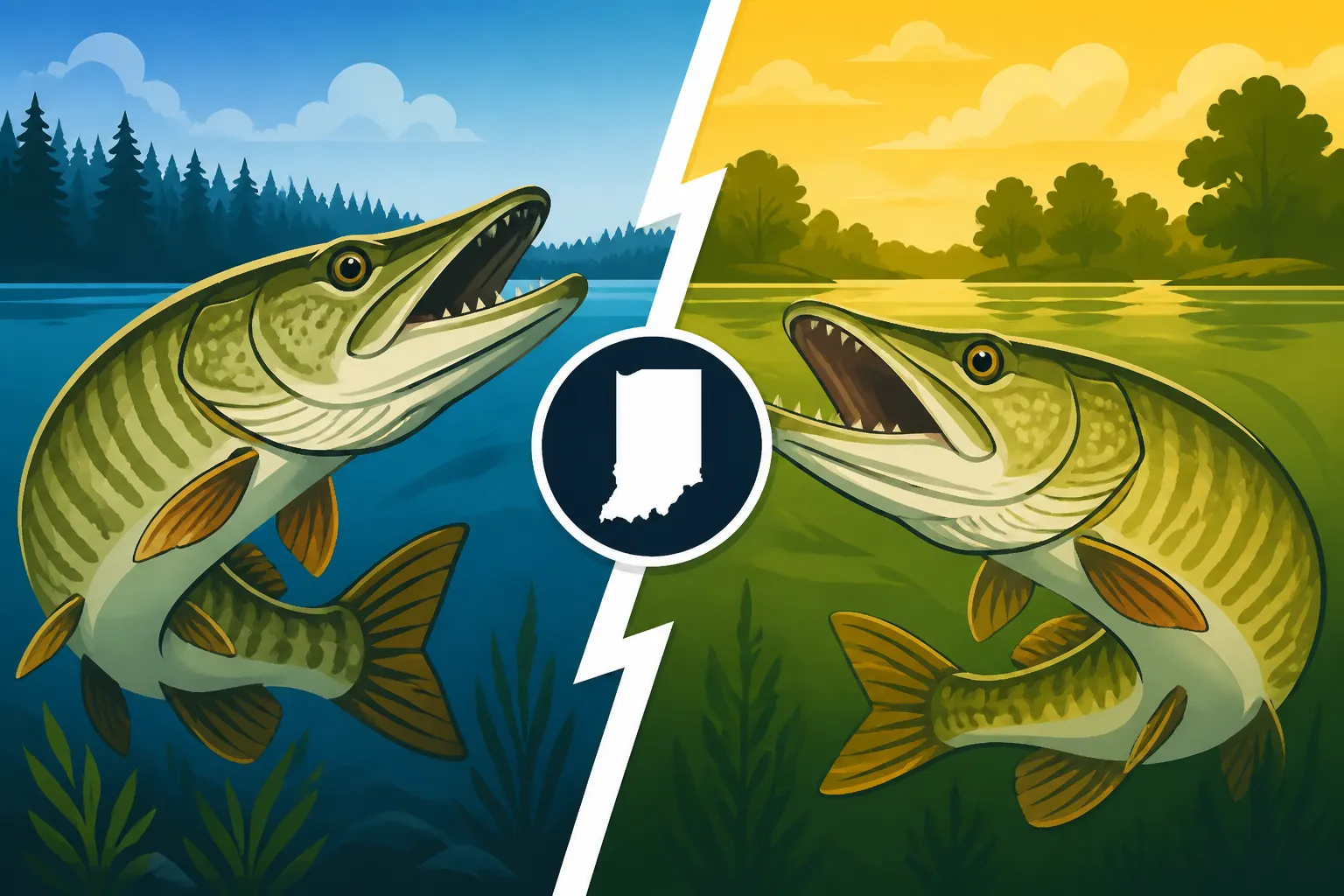
It’s a common frustration for muskie anglers in Indiana: you hear whispers about fantastic fishing on James Lake, then turn around and hear equally impressive tales from Lake Wawasee. But if you’ve ever tried fishing both, you quickly realize they’re not the same. These two premier muskie destinations, while both jewels of the glacial lakes region, offer distinctly different experiences and hold muskie populations with their own unique characteristics, which this guide will thoroughly explore.
The Unique Muskie Strains of Indiana's Glacial Lakes
When we talk about muskellunge in Indiana, especially within the context of our incredible glacial lakes, it's not a "one size fits all" situation. The differences between the muskie in James Lake and those in Lake Wawasee largely come down to their lineage – the specific genetic strains that have been stocked and thrived in each body of water. Understanding these distinct genetic backgrounds is crucial because it influences everything from their growth rates and physical appearance to their behavior and the very techniques you might use to catch them.
Lake Wawasee's Northern Muskie Influence
Lake Wawasee, being Indiana's largest natural lake, has a long history with muskie, and its fishery has often been shaped by what many refer to as "Northern" muskie strains. These are typically robust, aggressive fish, often originating from Great Lakes populations or similar northern environments. The Indiana DNR has, over the years, employed various stocking strategies to maintain a healthy and vibrant muskie population here. This usually means stocking fingerlings that exhibit strong survival rates and good growth potential in a large, complex ecosystem like Wawasee.
These Northern muskie tend to adapt well to the diverse forage base and expansive open water of Lake Wawasee. They can grow to impressive sizes, though perhaps with a slightly different growth curve than their James Lake counterparts. Anglers targeting muskie on Wawasee often find themselves casting larger lures in open water or along extensive weed lines, searching for these apex predators that patrol vast territories. It's a fishery that rewards persistence and the ability to cover a lot of water. The sheer size of the lake means fish have ample room to grow and spread out, making them a challenging but rewarding target. You can find more information about this incredible fishery in our guide to Lake Wawasee: Indiana's Largest Natural Lake.
James Lake's Purebred Muskellunge Legacy
Now, let's talk about James Lake. This is where things get really interesting for the muskie purist. James Lake is renowned for its population of purebred Ohio strain muskellunge. This isn't just a minor distinction; it's a game-changer. These fish are known for their exceptional growth potential and often exhibit a slightly different body morphology compared to some Northern strains, sometimes appearing more "streamlined" or robust in certain areas. The stocking program for James Lake has historically focused on these purebred genetics, carefully managed to cultivate a truly world-class muskie fishery, so much so that James Lake holds a significant place in the state's muskie records.
The purebred Ohio strain muskie in James Lake often have a reputation for reaching trophy sizes at a relatively faster rate, making it a dream destination for anglers seeking that true monster. This commitment to a specific, high-quality genetic strain is a testament to the dedication behind managing James Lake as a premier muskie water. When you're searching for muskie lures and gear on Amazon, it helps to know that the purebred fish often have strong preferences for specific bait profiles and retrieve speeds, which seasoned James Lake anglers have learned to mimic. The historical context of James Lake and Indiana's State Muskie Record further emphasizes the success of this management approach.
Understanding Genetic Influence on Behavior and Growth
The genetic blueprint of these muskie strains plays a massive role in their overall characteristics. For instance, the purebred Ohio strain often shows a propensity for rapid growth in environments with abundant forage, which James Lake provides. This isn't just about getting bigger; it's about how they get bigger – their metabolic rates, their feeding aggression, and even their preferred water temperatures can be subtly influenced by their genetics. On the other hand, the Northern strains in Wawasee, while also growing large, might exhibit different migratory patterns or hold to structure in slightly varied ways due to their evolutionary background.
Think of it like different breeds of dogs; while all are canines, a retriever behaves differently than a terrier. Similarly, Northern muskie and purebred Ohio muskie, while both the same species, have developed distinct tendencies over generations. These subtle differences in behavior can impact everything from when they bite to the types of cover they prefer. An understanding of these genetic influences helps anglers tailor their approach, selecting not just the right lures, but also the most effective techniques and timing for their chosen lake. This deep dive into their biology helps us appreciate why a universal muskie strategy might not be as effective as a tailored one for each lake.
Habitat and Ecosystem Differences: How Lakes Shape Their Muskie
Beyond genetics, the very environments of James Lake and Lake Wawasee play a significant role in shaping their muskie populations. Each lake presents a unique ecosystem with distinct characteristics, from their size and depth to their forage base and structure, all of which influence how muskie live, hunt, and grow. An experienced angler knows that understanding the water you're fishing is just as important as knowing the fish you're targeting.
Lake Wawasee's Expansive and Diverse Ecosystem
Lake Wawasee is truly a marvel, being the largest natural lake entirely within Indiana's borders. Its expansive open water, numerous bays, varying depths, and diverse bottom structure create a rich and complex habitat for muskie. Wawasee boasts a healthy population of various baitfish, including ample panfish, suckers, and cisco, which provide a robust food source for growing muskie. This abundance of forage, coupled with the sheer size of the lake, allows muskie to spread out, establish large territories, and grow to significant proportions.
Anglers on Wawasee often encounter extensive weed lines, deep structural breaks, and prominent points that muskie utilize as ambush locations. The lake's size also means that fishing pressure can be somewhat diffused, as there are many areas for fish to hide. This diverse habitat encourages muskie to develop a wide range of feeding behaviors, sometimes requiring anglers to adapt their presentations from deep trolling to shallow-water casting. You'll want to check out information on Best Muskie Lakes in Indiana's Glacial Lake District for more insights into Wawasee's potential. Having a versatile tackle box, with a good selection of jerkbaits, bucktails, and soft plastics, all easily obtainable from Amazon, is key to success on such a varied body of water.
James Lake's More Concentrated and Structured Waters
In contrast to Wawasee's sprawling nature, James Lake, while still a significant body of water, is somewhat more contained and features a different kind of structure. James Lake is one of the chain of glacial lakes in Steuben County, offering clear waters and a good mix of shallow and deep areas. While it might not have the sheer acreage of Wawasee, its structure is often more concentrated, with distinct humps, points, and weed beds that can be more easily identified and targeted by anglers. The clear water also presents its own set of challenges and opportunities, requiring finesse and careful presentation from muskie hunters.
The forage base in James Lake is also excellent, supporting a healthy muskie population. However, the more defined structural elements can mean that muskie relate to specific areas more predictably. This can make them easier to locate for experienced anglers, but also means that fishing pressure, when present, can be more concentrated on these key spots. Many anglers prefer to focus on distinct features like steep drops or prominent weed edges, knowing that the lake's purebred muskie often patrol these areas. When preparing for a trip to James Lake, you might consider more natural baitfish patterns for your lures, especially given the clear water.
Impact of Water Clarity and Forage Availability
Water clarity and the specific types of forage available are two powerful environmental factors that heavily influence muskie. Lake Wawasee, while clear, can have periods of varying turbidity, especially after heavy rains or due to recreational boating. This might lead Wawasee muskie to rely more on lateral line senses or prefer darker, bulkier baits that create a strong vibration. Their diverse forage means they might be less picky, hitting a broader range of lure types.
James Lake, often known for its exceptional water clarity, presents a different scenario. In clear water, muskie have excellent visibility, meaning they can scrutinize a bait from a distance. This often necessitates more natural-looking lures, subtle presentations, and longer casting distances to avoid spooking fish. The specific composition of the forage base—whether it's predominantly perch, bluegill, or other species—can also dictate the color patterns and sizes of lures that will be most effective. An angler might find themselves spending more time carefully selecting specific jerkbait colors on Amazon that perfectly mimic the local baitfish, whereas on Wawasee, a more general, high-vibration bait might elicit a strike. Understanding these nuances helps tailor your approach and increases your chances of connecting with one of these magnificent predators.
Stocking Strategies: What Each Lake Receives
The Indiana Department of Natural Resources (DNR) plays a pivotal role in maintaining and enhancing the muskie fisheries in both James Lake and Lake Wawasee. Their stocking strategies are not arbitrary; they are carefully planned and executed, taking into account the unique characteristics of each lake, the genetic strains of the muskie, and the overall goals for the fishery. This governmental oversight ensures the sustainability and quality of muskie fishing for generations of Hoosier anglers.
DNR's Approach to Lake Wawasee Muskie Management
For Lake Wawasee, the DNR's stocking program focuses on ensuring a healthy, self-sustaining, and trophy-potential muskie population that can thrive in such a large and diverse ecosystem. This typically involves stocking fingerling muskie, often from what are considered "Northern" strains or hybrids that have proven successful in similar large lake environments. The goal is to introduce enough fish to compensate for natural mortality and provide a consistent population that can grow into substantial sizes. The numbers stocked in Wawasee are often calibrated to spread out across its vast acreage, supporting a fishery that can handle moderate to high fishing pressure.
The DNR monitors the success of these stockings through various surveys, assessing survival rates, growth, and overall population health. This ongoing evaluation allows them to adjust stocking numbers and even genetic strains if needed, ensuring the long-term viability of Wawasee as a premier muskie destination. Anglers benefit from these efforts by having a reliable population of muskie to target, albeit sometimes requiring more effort to locate them in the lake's expansive waters. The DNR's work ensures that Indiana Fishing Regulations and Bag Limits Guide are based on sound ecological practices.
The Targeted Purebred Stocking in James Lake
James Lake, on the other hand, often receives a more specialized stocking, primarily focusing on purebred Ohio strain muskellunge. This targeted approach is a key reason why James Lake has become synonymous with trophy-sized muskie and has produced the state record fish. The DNR's dedication to maintaining the genetic purity and high growth potential of this specific strain is evident in their stocking choices. These fish are known for their ability to reach impressive lengths and weights, making James Lake a bucket-list destination for many muskie enthusiasts.
The number of fish stocked in James Lake might sometimes be lower than in larger, more general fisheries, but the quality of the fish is paramount. The emphasis is on producing fewer, but significantly larger, fish that embody the trophy potential of the Ohio strain. This strategy creates a unique angling experience where every strike holds the potential for a true giant. The pristine nature of the glacial lake chain, detailed in Indiana's Glacial Lake District: Home to Muskie, Pike, and Walleye, complements this high-quality stocking, providing ideal conditions for these purebred fish to flourish.
The Role of Hatcheries and Genetic Diversity
Both stocking programs rely heavily on the state's hatchery system, which diligently rears muskie fingerlings until they are ready for release. Hatcheries play a critical role in disease management, genetic preservation, and ensuring a healthy supply of fish for stocking. For purebred strains like those in James Lake, careful genetic management in the hatchery is even more crucial to prevent interbreeding and maintain the desired characteristics of the strain. This includes sourcing broodstock from specific populations known for their desirable traits.
In contrast, for lakes like Wawasee, while maintaining health and growth is important, there might be a broader acceptance of genetic diversity within the stocked Northern strains to ensure adaptability to a wider range of environmental conditions. The ongoing research and management efforts by the DNR ensure that muskie populations across the state, whether in a large natural lake like Wawasee or a trophy fishery like James, are robust and resilient. This behind-the-scenes work by the hatcheries is what allows anglers to consistently pursue these incredible fish.
Fishing Pressure and Angler Experience: A Tale of Two Lakes
The experience of fishing for muskie on James Lake versus Lake Wawasee isn't just about the fish themselves or their environment; it's also heavily influenced by the human element – specifically, fishing pressure and the general atmosphere on the water. These factors can dictate everything from the best times to fish to the specific tactics that will prove most effective.
Lake Wawasee: Navigating a Bustling Environment
Lake Wawasee, being a major recreational hub, sees a significant amount of boating traffic, especially during peak summer months. From pleasure boats and jet skis to bass boats and pontoon cruises, the lake can be quite active. This means that muskie on Wawasee are often exposed to more boat noise and activity, which can influence their behavior. They might become more accustomed to boats or, conversely, become more wary and relate to deeper or denser cover during high-traffic periods. This increased pressure can make them challenging to catch, demanding more precise presentations and often requiring anglers to target dawn, dusk, or less busy weekdays.
For the muskie angler, this means adapting. You might find yourself fishing earlier or later in the day, or focusing on areas away from main channels. It also means that muskie on Wawasee might be more "educated" or pressured, making them harder to trick with common lures. Anglers often need to experiment with retrieve speeds, subtle color changes, or less common lure types. Despite the pressure, Wawasee's sheer size still holds incredible potential, and those willing to put in the time and adjust to the conditions are often rewarded. The best ways to approach this fishery are often detailed in Best Fishing Spots in Indiana, which outlines how to find less-pressured areas.
James Lake: The Muskie Hunter's Sanctuary
James Lake, while popular, often offers a somewhat more focused angling experience, particularly for muskie. While it still sees recreational use, the reputation for trophy muskie often draws a dedicated cohort of serious muskie hunters. This can mean intense fishing pressure from other muskie anglers during peak seasons, but perhaps less generalized recreational boating compared to Wawasee. The clear water and the presence of big fish can create a more intense, almost competitive, atmosphere among those specifically targeting muskie.
The concentration of dedicated muskie anglers on James Lake often leads to fish that are incredibly intelligent and wary. They've seen countless lures, felt many hooks, and know the drill. This demands extreme precision, meticulous lure selection, and often, a willingness to spend many hours casting for a single, precious strike. Success on James Lake often comes down to attention to detail, subtle presentations, and sometimes, a bit of luck. The focus on specific muskie gear, like specialized bucktails or oversized jerkbaits, available through Amazon, is often heightened here, as anglers seek every possible edge to entice a bite from these sophisticated predators.
The Impact on Muskie Behavior and Catchability
The differing levels and types of fishing pressure in each lake directly impact the muskie's behavior and, consequently, their catchability. In Wawasee, muskie might exhibit a broader range of feeding windows or relate to diverse structures to avoid boat traffic. They might also be more willing to hit faster, more aggressive retrieves in low-light conditions when the recreational boaters have retreated. The fish might be less "lure shy" than those in James Lake simply because they see a wider variety of baits.
On James Lake, however, the constant presence of serious muskie anglers can create a population of highly selective and cautious fish. These muskie might follow lures for long distances without committing, or they might only strike on very specific presentations or during fleeting windows of opportunity. This often requires anglers to refine their Muskie Casting Techniques and to work the "figure eight" at the boat religiously, knowing that often the strike will come right at the last second. The challenge on James Lake is not just finding the fish, but convincing a highly pressured, often giant, muskie to actually bite.
The Lure of the Trophy: Size Expectations and Challenges
Every muskie angler dreams of a true trophy. The incredible fighting power and majestic presence of these "fish of 10,000 casts" are legendary. Both James Lake and Lake Wawasee offer legitimate opportunities for a personal best, but the path to that trophy, and the general size expectations, can differ due to the unique characteristics we've discussed.
Wawasee's Consistent Producers and Occasional Giants
Lake Wawasee consistently produces healthy muskie in the mid-to-upper 30-inch range, with plenty of fish breaking the 40-inch mark. The expansive habitat and diverse forage base allow a good number of these fish to grow into respectable sizes. While Wawasee might not have the sheer number of truly massive 50-inch plus fish that James Lake is famous for, it certainly holds its share of giants. Catching a 45-inch muskie from Wawasee is a significant accomplishment and a testament to both the lake's health and the angler's skill. The challenge here often lies in consistently locating and enticing these fish across such a vast body of water.
The expectation for Wawasee is often a more consistent bite from solid, healthy muskie, with the chance for a true monster on any given day. It's a great lake for anglers looking to build their muskie experience, offering more frequent encounters than some highly specialized trophy waters, while still providing the opportunity for a fish of a lifetime. The diverse techniques, from trolling to casting, mean anglers can find what works best for them, as detailed in Best Bait for Muskie Fishing on Lake Wawasee.
James Lake: The Home of Potential State Records
James Lake, with its purebred Ohio strain muskie and carefully managed stocking, is Indiana's undisputed heavyweight contender for trophy fish. This lake has a strong reputation for producing truly enormous muskie, including the current state record. The specific genetic strain combined with optimal growth conditions means that a higher proportion of its muskie population has the potential to reach or exceed the coveted 50-inch mark. Catching a muskie over 40 inches from James Lake is still a fantastic achievement, but the real draw is the legitimate chance at an even larger, once-in-a-lifetime fish.
The challenge on James Lake, however, is that these truly massive fish are often fewer in number and notoriously difficult to catch. The "fish of 10,000 casts" adage feels even more real here. Anglers come to James Lake specifically for the chance at that one fish, understanding that the quantity of bites might be lower, but the quality of any fish hooked is likely to be exceptional. The pursuit on James Lake is often less about catching many fish, and more about enduring the grind for the ultimate prize, the kind that might prompt you to read up on How Big Do Muskellunge Get in Indiana Waters?.
Why Size Expectations Differ
The difference in size expectations primarily boils down to the synergy between genetics, stocking goals, and habitat. James Lake's purebred Ohio strain muskie are genetically predisposed to grow larger faster, and the DNR's stocking aims to maximize this potential. Its more contained environment, while still excellent, allows for more focused growth. Wawasee, on the other hand, relies on a more diverse or general Northern strain, and while it provides ample opportunity, its vastness and broader recreational use create a different growth dynamic.
Think of it like this: Wawasee offers excellent overall muskie fishing with consistent opportunities for big fish, a fantastic all-around fishery. James Lake is a specialized trophy factory, where the odds of encountering a truly gargantuan muskie are arguably higher, but it demands patience and dedication for what might be a single, monumental strike. Both lakes are incredible, but they cater to slightly different aspects of the muskie fishing dream.
Preparing for Your Muskie Hunt: Gear and Strategy Adjustments
Whether you're heading to the sprawling waters of Wawasee or the trophy-laden depths of James Lake, being adequately prepared with the right gear and a sound strategy is paramount. These two distinct fisheries, while both targeting the same species, call for subtle yet important adjustments in your tackle and approach.
Essential Gear for Wawasee's Expansive Waters
For Lake Wawasee, versatility is often key. Given the lake's size and diverse structure, you'll want a range of lures to cover different depths and conditions. Think bucktails in various sizes and colors, large crankbaits for trolling vast flats, and heavy jerkbaits or soft plastics for working weed edges and points. A good selection of stout muskie rods, typically 7'6" to 9' in length with heavy actions, paired with high-capacity baitcasting reels spooled with at least 80-pound braided line, is essential. Since you'll be covering a lot of water, a reliable trolling motor and a good fish finder become invaluable tools.
Considering the potential for increased recreational boat traffic, especially on weekends, having a powerful boat that can comfortably navigate the chop is a plus. You might also want to pack some lighter-colored lures for sunny, clear days, and darker, high-contrast baits for cloudy conditions or fishing murky areas. Don't forget a large, long-handled net and a good pair of long-nosed pliers for safe release. You can find many of these crucial items, from heavy-duty muskie leaders to specialized lures, with a quick search on Amazon.
Tailoring Your Tackle for James Lake's Trophy Potential
James Lake's reputation for monster muskie means your gear choices should lean towards the heavy side, emphasizing durability and the ability to handle truly enormous fish. Think the largest bucktails, heavyweight jerkbaits that move a lot of water, and possibly oversized soft plastics. Some anglers even prefer specific custom-made lures for the purebred fish here. Your rods should be robust, perhaps even stiffer than for Wawasee, to handle powerful hooksets and the brute force of a record-class muskie. A high-quality reel with a smooth drag system is non-negotiable.
Due to the clear water and potentially highly pressured fish, color selection can be more critical on James Lake. Natural baitfish patterns, subtle greens, browns, and silvers might outperform flashier options on certain days. Presentation precision is also key, so ensure your knots are flawless and your leaders are in top shape. Beyond the fishing gear, carrying an accurate measuring board and a camera with a wide-angle lens is a must, because on James Lake, you just might encounter the fish of a lifetime. Our guide on What's the Best Lure Color for Muskie Fishing? can offer more insights into specific color choices.
Strategic Adjustments for Each Environment
Your strategy needs to shift significantly between these two lakes. On Lake Wawasee, covering water is often the name of the game. Trolling expansive flats, fan-casting large bays, and moving between numerous points can be effective. Being adaptable to changing weather and water conditions, and willing to experiment with different lure types and retrieve speeds, will serve you well. Early morning and late evening often offer the best opportunities when recreational traffic is minimal.
For James Lake, a more methodical and targeted approach is frequently more successful. Instead of covering vast areas, you might focus intensely on specific structures – a single weed line, a particular break, or a prominent hump – working it thoroughly from multiple angles. Precision casting, meticulously working your figure eight at the boat, and having the patience for long periods between bites are all part of the James Lake experience. Given the clear water, fishing during low-light conditions (dawn, dusk, or even night fishing if permitted) can often yield better results as muskie feel less exposed. Studying muskie movements in detail, as covered in Best Time of Year for Muskie Fishing in Indiana, can further refine your James Lake strategy.
Here's a quick comparison to help visualize the differences:
| Feature | James Lake Muskie | Lake Wawasee Muskie |
|---|---|---|
| Primary Strain | Purebred Ohio Strain | Northern Muskie / Great Lakes Strain |
| Growth Potential | Known for exceptional, often faster, trophy growth | Excellent growth, consistent producers of large fish |
| Trophy Focus | High potential for state record class fish | Consistent chance at 40"+, occasional 50"+ |
| Habitat Type | Clearer, more concentrated structure | Expansive, diverse, large natural lake |
| Forage Base | Excellent, supports rapid growth | Robust, diverse, supports large populations |
| Fishing Pressure | High pressure from dedicated muskie anglers | High general recreational pressure, diffused muskie pressure |
| Angler Strategy | Meticulous, precise, targeted, patient | Versatile, covering water, adaptable |
| Typical Lures | Oversized, natural patterns, specific profiles | Diverse range: bucktails, crankbaits, jerkbaits |
Both James Lake and Lake Wawasee are incredible resources for Indiana muskie fishing, each offering a distinct challenge and reward. Understanding these differences, from the genetic makeup of their fish to the character of their waters, allows you to approach each lake with respect and the right strategy, maximizing your chances of encountering one of these magnificent freshwater leviathans.
Disclaimer
This article is for general informational purposes only and does not constitute professional advice. Laws, prices and regulations vary by location and change over time. Consult a qualified professional for guidance on your specific situation.