Best Time of Day to Catch Salmon on Lake Michigan
Ask any seasoned angler who chases salmon on Lake Michigan, and they'll tell you that timing is everything. It's not just about showing up with your gear; knowing when to cast your lines can dramatically improve your chances of success. If you've ever spent hours on the water without a bite and wondered if you were just in the wrong place at the wrong time, you're not alone. This guide will walk you through the nuances of salmon behavior on Lake Michigan, helping you pinpoint the best times of day to connect with these powerful fish, and offering strategies for those less-than-ideal hours.
Understanding Salmon Behavior in Lake Michigan
Before we dive into the best times, it's crucial to understand what drives salmon behavior in a massive freshwater sea like Lake Michigan. These aren't pond fish; they're migratory predators that react keenly to their environment, especially light levels and water temperature. Their daily routines, much like our own, revolve around comfort and food.
How Light and Water Temperature Influence Salmon
Salmon, whether you're talking about Chinook (King) or Coho (Silver) varieties, are highly sensitive to light. Just like many other predatory fish, they often feel more secure and are more active in lower light conditions. Think about it: a bright, sunny day makes them more visible to larger predators, and it can also drive baitfish deeper, forcing the salmon to follow suit. This is why dawn and dusk become such critical periods. The reduced light provides a natural cover, making them bolder and more willing to venture into shallower feeding grounds.
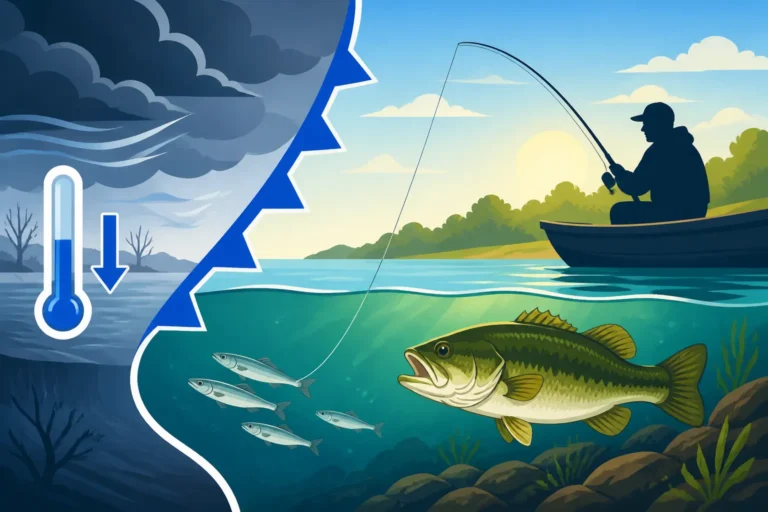
Water temperature also plays a pivotal role. Salmon prefer cooler waters. As the sun rises and penetrates the upper layers of the lake, these warmer surface temperatures can push salmon deeper into the thermocline – a distinct layer of water where the temperature changes rapidly. Finding this comfort zone, which typically offers both cooler temperatures and optimal oxygen levels, is key to locating salmon throughout the day. It's a constant balancing act for them between finding comfortable water and available food sources, dictated largely by the sun's position and the ambient temperature. For more insights on this, read our guide on How Water Temperature Triggers the Fall Salmon Push Toward Shore.
Feeding Habits Throughout the Day
Salmon are opportunistic predators, but their feeding habits aren't uniform all day long. In low light, during dawn and dusk, they are typically at their most aggressive. They'll move closer to shore or ascend from deeper waters to hunt baitfish like alewives, smelt, and bloater chubs. This is when they're actively chasing and striking, making them more susceptible to your lures. They are using the low light to ambush prey, and their movements are less guarded.
As the sun climbs higher and temperatures rise, salmon tend to retreat. They might suspend in deeper water or hug structure, becoming less active feeders. They're still hungry, of course, but they're not expending as much energy on aggressive pursuits. This shifts the angling strategy from active pursuit to more passive presentations, hoping to entice a strike from a less enthusiastic fish. During the day, they might be more concentrated in specific thermal layers, and successful anglers need to find those layers to get a bite.
Prime Times for Salmon Fishing: Dawn and Dusk
If you ask any seasoned Lake Michigan salmon angler about the best time to fish, a vast majority will point to the hours around sunrise and sunset. These aren't just old wives' tales; there's solid biological reasoning behind why these windows are so productive. Mastering these "golden hours" can truly elevate your salmon fishing experience.
The Magic of Early Morning Bites
There's something truly special about being on Lake Michigan before the sun fully crests the horizon. The air is often still, the lake glassy, and the anticipation is palpable. This early morning period, starting even before civil twilight, is arguably the most productive time for salmon. As the first rays of light begin to pierce the eastern sky, salmon, which have often been feeding actively through the night or resting in deeper water, start to move.
The low light provides ideal conditions for salmon to hunt. They use the reduced visibility to their advantage, ambushing schools of baitfish that might be holding closer to the surface or near structure. The water temperature is usually at its coolest after the night, creating a more comfortable environment for these cold-water predators. Anglers often find that salmon are more aggressive and less hesitant to strike at a variety of lures during this window. Trolling a spread of spoons, plugs, or dodger-and-fly combinations during these early hours can yield incredible results. Many of the biggest fish of the day are often boated during this magical hour or two after first light, especially for species like Chinook salmon. For those targeting Chinook, check out our guide on Chinook Salmon Fishing on Indiana's Lake Michigan Shore.
Why Evening Offers Another Opportunity
While the morning bite often gets the most accolades, the hours leading up to and just after sunset offer another fantastic window for salmon fishing. As the sun begins its descent, casting long shadows across the water, the light levels again diminish, and the surface water temperature often starts to cool. This signals to the salmon that it's time to become more active.
Just like in the morning, the evening low-light period allows salmon to move into shallower feeding areas with a greater sense of security. They'll actively hunt for baitfish, often exhibiting similar aggressive behavior to the morning bite. While it might not always be as furious as the dawn bite, the evening can still be incredibly productive, especially if you're able to identify where baitfish are congregating. Many anglers find success by focusing on similar depths and presentations that worked during the morning. This is also a fantastic time for enjoying the stunning views of a Lake Michigan sunset while waiting for your next strike. For general strategies, consider reading about Trolling Techniques for Salmon and Steelhead.
Mid-Day Challenges and Strategies
Let's be real: not everyone can be on the water at dawn or stay until dusk. Life happens, and sometimes the only window you have to fish is during the bright, often challenging, mid-day hours. While it requires a bit more finesse and adaptation, catching salmon in the middle of the day on Lake Michigan is absolutely possible. You just can't approach it with the same tactics you'd use at sunrise.
Overcoming Bright Sunlight and Deep Waters
The biggest challenge during mid-day fishing for salmon on Lake Michigan is the combination of bright sunlight and often warmer surface water temperatures. This pushes salmon deeper, seeking the cooler, more stable environment of the thermocline. They become less active and more dispersed, making them harder to locate and entice. The fish are often "lock-jawed" or simply less willing to chase a lure, preferring to conserve energy.
Another hurdle is that baitfish also react to these conditions, often scattering or holding in specific deepwater structures. This means salmon have to work harder to find food, or they might simply "hold" in an area, waiting for conditions to improve. Trying to fish the same shallow depths or fast presentations that worked at dawn will often lead to frustration. Instead, you need to adjust your strategy to target these deeper, less active fish. This might mean longer troll times between bites or having to cover more ground to find schools.
Adjusting Techniques for Mid-Day Success
To be successful during the mid-day on Lake Michigan, you need to think deep and slow. Downriggers become your best friend, allowing you to precisely target the depth where salmon are holding, often in the 60-120 foot range, or even deeper depending on the season and water clarity. Look for temperature breaks on your fish finder – these are often key holding areas for salmon and their prey.
Consider slowing down your troll speed slightly. A more subtle, enticing presentation might trigger a strike from a less aggressive fish. Lure color can also be crucial. While bright, flashy colors work well in low light, consider more natural or subdued patterns in bright sunlight, or conversely, go for something completely wild to provoke an impulse strike. Sometimes, a "stinger" presentation, using a small, well-placed lure, can be effective. If you're struggling, don't be afraid to experiment with different depths, speeds, and lure combinations. Checking online forums or fishing reports (many are easily accessible via a quick search on Amazon for fishing guidebooks or local tackle shops' social media) can also provide clues about where fish are holding and what they're biting on. Always pay attention to your electronics; your fish finder will tell you where the bait is, and where the salmon are likely lurking.
Seasonal Variations in Daily Patterns
Just as the hours of the day dictate salmon behavior, so do the seasons. Lake Michigan salmon fishing isn't a static endeavor; it evolves from spring through the fall run. Understanding these seasonal shifts in daily patterns is essential for consistent success. What works in July might be completely ineffective in October.
Spring and Summer Differences
In the spring, as Lake Michigan slowly warms up, salmon are often found in shallower waters for longer periods. The entire water column is cooler, allowing them more freedom. During early spring, the best bite might extend well past dawn and into the late morning, and the evening bite can be very productive as well. As summer progresses and surface temperatures rise, salmon push deeper. This means that by mid-summer, the mid-day bite becomes much more challenging, and the peak activity is compressed into those prime low-light hours of dawn and dusk. Anglers often have to work harder to find the thermocline and keep their lures in that optimal temperature zone.
During these warmer months, salmon are actively feeding and growing, often putting on significant size. You might find them chasing baitfish schools that are themselves reacting to temperature and light. Therefore, in summer, focusing on the very early morning and late evening becomes even more critical for success, with a strong emphasis on targeting deeper waters during the bright mid-day. Planning your trip around these seasonal patterns is crucial for a productive outing.
Fall Salmon Run: Timing Your Trip
The fall salmon run is a truly spectacular time to fish Lake Michigan, and it brings a dramatic shift in daily patterns. As the water cools in late summer and early fall, Chinook and Coho salmon begin their migration towards their natal rivers and streams to spawn. This is a period of intense activity, and the traditional "dawn and dusk" rules can sometimes be expanded or altered.
During the fall run, salmon are driven by instinct to reproduce. They move into shallower waters, often very close to river mouths and harbors, and can become incredibly aggressive. While dawn and dusk remain excellent times, you can often find strong bites throughout the day, especially on cloudy days or when waves stir up the water. The fish are less concerned with light levels and more with their biological imperative. This is when anglers often have incredible success casting spoons, crankbaits, or even using spawn bags from piers and shorelines. You don't necessarily need a boat, though boat anglers still do very well by targeting staging fish near river mouths. This seasonal phenomenon is so significant that we have a whole guide dedicated to it: Lake Michigan Salmon and Steelhead Run Guide in Indiana. Knowing when and where to intercept these migrating fish is key, and sometimes, the best time of day during the fall run is simply when you're there and the fish are moving in!
| Time of Day | Salmon Activity | Primary Strategy | Key Considerations |
|---|---|---|---|
| Dawn | High activity, aggressive feeding. Salmon move shallower. | Trolling various lures (spoons, plugs) at varied depths, especially upper water column. | Best chance for trophy fish. Reduced boat traffic. Cooler temperatures. |
| Mid-Day | Lower activity, retreat to deeper, cooler water (thermocline). | Precision trolling with downriggers to target specific depths. Slower presentations. | Challenging due to bright light and deeper fish. Requires good electronics. |
| Dusk | Increased activity, aggressive feeding. Salmon move shallower again. | Similar to dawn, trolling various lures. Focus on areas where baitfish congregate. | Excellent second opportunity. Beautiful scenery. Fish can be very active. |
| Night | Variable, often reduced activity unless near spawning grounds or very dark. | Limited general success, some specific tactics for certain areas/species. | Not typically prime time for general trolling, but exceptions exist for specific fishing. |
Disclaimer
This article is for general informational purposes only and does not constitute professional advice. Laws, prices and regulations vary by location and change over time. Consult a qualified professional for guidance on your specific situation.