How to Find Walleye in Deep Water
Finding walleye in the vast, often murky depths of Indiana's larger lakes and reservoirs can feel like searching for a needle in a haystack. Many anglers get frustrated casting into what seems like empty water, wondering where these elusive, toothy predators disappear to when they're not shallow. This guide is designed to cut through that confusion, giving you the practical strategies and insights needed to consistently locate and catch walleye hiding in deep water, making your next fishing trip far more productive.
Understanding Walleye Behavior in Deep Water
Walleye are highly adaptable fish, and their behavior shifts dramatically with water temperature, light conditions, and food availability. When the sun beats down or the shallows get too warm, they often retreat to cooler, darker depths. Knowing why and where they go deep is the first step to finding them.
Why Walleye Go Deep
During the warmer months, especially from late spring through early fall, the upper layers of many Indiana lakes heat up considerably. Walleye, being cool-water fish, seek refuge from these uncomfortable temperatures and intense sunlight. They also use the low light of deeper water as an ambush advantage, as their large, light-sensitive eyes allow them to see better than most prey fish in dim conditions. Think of it like a natural air-conditioned, shaded hunting ground. You'll often find them congregating along deeper breaks or humps, sometimes 20, 30, or even 40 feet down, particularly in larger reservoirs like Monroe Lake or Patoka Lake. It's a survival mechanism, but also a strategic choice for feeding.
Beyond temperature, light penetration plays a huge role. Walleye have a reflective layer in their eyes, the tapetum lucidum, which enhances their vision in low light. This adaptation makes bright, sunny days in shallow water a disadvantage for them. Moving deeper allows them to maintain their predatory edge, making them more active and willing to strike your lure. This is also why you might find walleye in shallower water during overcast days or at dawn and dusk, but when that sun gets high, they're heading for the dark sanctuary of the depths.
Their Preferred Habitat and Food Sources
When walleye move deep, they're not just hanging out anywhere; they're looking for specific features that offer both cover and access to food. They love structure: old creek channels, humps, submerged islands, rock piles, ledges, and steep drops are prime real estate. These features provide ambush points where they can hide and dart out to intercept unsuspecting baitfish. If you're looking for Indiana's Best Lakes for Walleye Fishing, you'll find that the most productive ones often have abundant deep-water structure.
Their deepwater diet typically consists of whatever baitfish are available in those zones. In many Indiana lakes, this means shad, minnows, perch, and sometimes even smaller panfish. Walleye are opportunistic feeders, and they'll follow these baitfish schools as they move throughout the water column. Understanding the forage base in a particular lake is key. If the lake has a strong shad population, walleye will often relate to open water bait balls, but if it's more perch-dominated, they'll stick closer to the bottom structure where perch tend to dwell. A crucial aspect of finding deep walleye is locating their food source, as the walleye are rarely far behind.
Essential Gear and Techniques for Deepwater Walleye
Fishing for walleye in deep water requires a different approach than chasing them in the shallows. Your gear needs to be capable of handling heavier baits, detecting subtle bites, and effectively getting your presentation down to where the fish are holding.
Rods, Reels, and Line for Deep Presentation
When targeting walleye in deep water, a sensitive yet powerful rod is paramount. You need enough backbone to set the hook deeply from afar, but enough sensitivity to feel those light "thunks" that signify a walleye bite. A medium-heavy spinning or baitcasting rod, typically 6'6" to 7'6" in length, with a fast or extra-fast action, is ideal. The longer rod helps with casting distance and allows for better line control when trolling or jigging deep.
For reels, a smooth, reliable baitcasting reel is often preferred for trolling or heavy jigging applications, as it allows for precise depth control and handle heavier lines. A good spinning reel in the 2500-3000 size range works well for lighter jigging or casting presentations. As for line, braided line is a game-changer for deepwater walleye. Its no-stretch property vastly improves sensitivity, allowing you to feel every bump and bite, even in 30+ feet of water. It also helps with solid hooksets. A 10-20 lb test braid with a 6-10 lb fluorocarbon leader (6-10 feet long) is a common and effective setup, offering invisibility near the lure and abrasion resistance. Many anglers will stock up on quality braided line and fluorocarbon leaders, often finding great deals on platforms like Amazon.
Lures and Baits That Reach the Depths
Getting your lure to the strike zone is half the battle. Deepwater walleye fishing demands baits designed to dive or be presented effectively at significant depths.
- Jigs: Heavy jigs (3/8 oz to 1 oz or more) tipped with soft plastic bodies (like grubs or paddle tails) or live bait (minnows, nightcrawlers) are incredibly effective. The weight ensures they sink quickly and maintain contact with the bottom. Jigging spoons can also be deadly when vertically jigging over schools of fish. For specific tactics, check out Walleye Jigging Techniques.
- Deep-Diving Crankbaits: These lures are engineered with large bills to plunge to considerable depths when trolled. Look for models rated to dive 15-30 feet or more. Color choices often depend on water clarity, but natural baitfish patterns, chartreuse, or firetiger are common producers. Trolling these can cover vast amounts of water and often entices active fish.
- Blade Baits: These thin, vibrating metal lures sink fast and emit strong vibrations, mimicking struggling baitfish. They are excellent for vertical jigging or casting and retrieving over deep structure.
- Bottom Bouncers and Crawler Harnesses: A classic walleye setup, especially for drifting or slow trolling. The bottom bouncer keeps your bait (usually a spinner rig with a nightcrawler) just off the bottom, minimizing snags while presenting a tempting meal. This rig is particularly effective along ledges or subtle depth changes.
- Drop-Shot Rigs: While often associated with bass, drop-shotting can be incredibly effective for finicky deepwater walleye. It allows you to present a soft plastic or live minnow at a precise depth above a sinker, keeping it right in the fish's face without constantly dragging bottom.
When shopping for these specialized baits and tackle, a quick search on Amazon can often reveal a huge selection of brands and styles to match your local walleye's preferences.
Presentation Methods: Trolling, Jigging, and Drifting
Choosing the right presentation method depends on the conditions, the specific spot, and how the walleye are behaving.
- Trolling: This is one of the most popular and effective ways to cover large areas of deep water and locate active walleye. Using a boat, you drag deep-diving crankbaits, spoons, or bottom bouncers at slow speeds (typically 1.0 to 2.5 mph). Downriggers or planer boards can help achieve and maintain precise depths and spread out your lines. Trolling allows you to follow contour lines, explore submerged humps, and intercept schools of walleye relating to open water baitfish. Understanding Walleye Trolling Techniques can significantly improve your success rate.
- Vertical Jigging: Once you've located a school of walleye on your electronics, vertical jigging directly over them can be incredibly productive. This involves dropping a heavy jig, jigging spoon, or blade bait straight down to the fish's depth and working it with short, sharp lifts and drops. The goal is to keep your lure in the strike zone as long as possible. This method is excellent for targeting tightly grouped fish or those holding tight to specific structure like rock piles or timber.
- Drifting: If there's a gentle breeze or current, drifting with live bait on a bottom bouncer or a slip bobber rig (for fish suspended slightly off the bottom) can be deadly. Let the natural elements move your boat slowly over promising deepwater structure. This relaxed approach allows you to present bait naturally and often triggers bites from less aggressive fish. Pay attention to how the wind affects your drift; sometimes a drift sock or sea anchor is necessary to slow down your boat to an optimal speed.
Each method has its time and place, and often combining them – trolling to find fish, then jigging or drifting over a specific spot – yields the best results.
Reading the Water: Interpreting Electronics and Structure
Modern fish finders and a keen understanding of underwater topography are your best friends when hunting deepwater walleye. You can't catch what you can't find, and in deep water, that means relying on technology and intuition.
Interpreting Your Fish Finder
Your fish finder is an indispensable tool for finding deepwater walleye. It's not just about seeing blobs on the screen; it's about interpreting what those blobs mean.
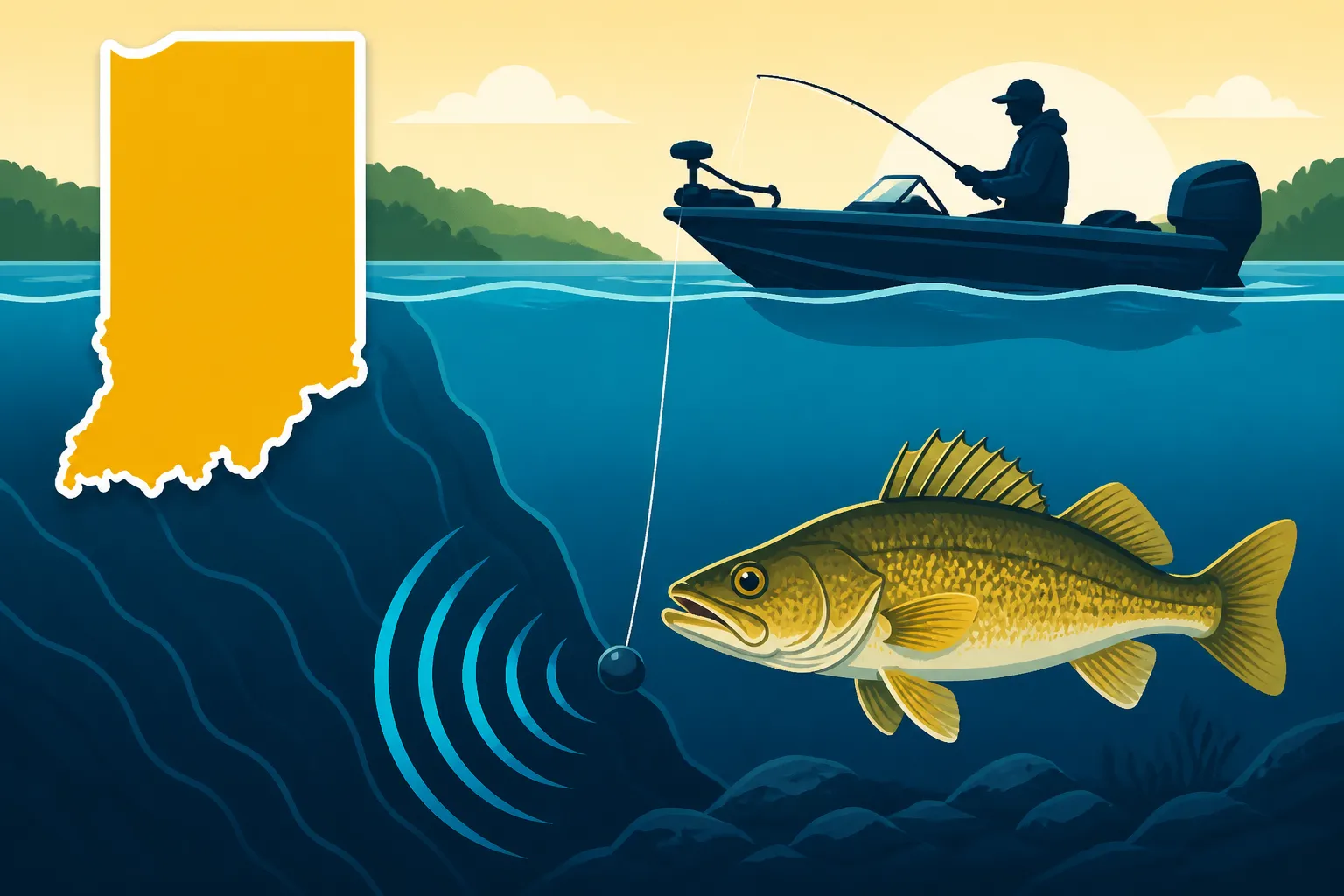
- Arches and Marks: Clear, strong arches usually indicate individual fish. Smaller, tighter marks might be baitfish, which are equally important as walleye are likely to be nearby. Learning to distinguish between baitfish and larger game fish is crucial. Pay attention to where these marks appear in the water column – are they on the bottom, suspended, or relating to a specific piece of structure? Many modern fish finders, even those available on Amazon, come with advanced CHIRP sonar, side imaging, and down imaging capabilities, offering crystal-clear views of the underwater world.
- Bottom Composition: Your fish finder can also tell you about the bottom. A hard, jagged return usually means rock or gravel – prime walleye habitat. A softer, smoother return indicates mud or silt, which walleye generally avoid unless there's a specific reason (like a food source). Look for transitions between hard and soft bottom, as these can be productive areas.
- Contour Lines: Use your GPS and mapping features to follow contour lines. Walleye often patrol specific depth ranges, and sticking to these contours allows you to keep your bait in the strike zone consistently. Look for points, inside turns, and saddles along these contours where walleye might funnel.
Don't just drive over an area once. Make multiple passes, approaching from different angles, to get a complete picture of the underwater landscape and how fish are relating to it. Mark waypoints on your GPS whenever you see fish or get a bite, so you can easily return to productive spots.
Identifying Key Structural Elements
Walleye are structure-oriented fish, even in deep water. They use these underwater features for ambush, protection, and as travel lanes.
- Ledges and Drop-offs: These are classic walleye magnets. A sudden change in depth, especially where a flat area drops into deeper water, provides an excellent ambush point. Walleye will often sit on the deep side of the ledge, looking up into the shallower water for passing baitfish. Look for irregular ledges, not just straight ones, as the irregularities provide more hiding spots.
- Humps and Submerged Islands: These are underwater hills or peaks that rise from the deeper bottom. Walleye will position themselves on the top or sides of these structures, depending on the current, wind, and light conditions. If a hump has rock piles or even a few scattered stumps, it becomes even more attractive.
- Old Creek Channels and Riverbeds: In reservoirs, the original creek or river channels that were flooded are often deep and winding, with plenty of subtle depth changes and harder bottoms. Walleye will often use these channels as highways, especially during periods of transition.
- Timber and Brush Piles: Submerged trees, stumps, and brush piles offer cover and attract baitfish, making them prime spots for walleye. Fishing these areas can be challenging due to snags, but the rewards can be significant. A good fish finder will help you pinpoint the edges of these cover areas where walleye might be lurking without getting hung up.
When you're studying your lake map or electronics, visualize these structures. Imagine yourself as a walleye, where would you hide? Where would you find food? That visualization can often lead you to the most productive spots.
Understanding Thermoclines
The thermocline is a critical factor in deepwater fishing during the warmer months, especially in larger, deeper Indiana lakes. It's a distinct layer of water where the temperature changes rapidly with depth, separating the warmer surface water from the colder, deeper water.
- Walleye and Oxygen: Below the thermocline, oxygen levels often drop significantly, making that water uninhabitable for fish, despite being cooler. Walleye, like most fish, need sufficient oxygen to thrive. This means they will typically be found at or just above the thermocline, in the cooler, oxygenated water. This creates a "comfort zone" where they can regulate their body temperature and find adequate oxygen.
- Locating the Thermocline: Many modern fish finders can actually display the thermocline as a distinct, hazy line on the screen. If yours doesn't, you can often infer its depth by finding a concentrated band of baitfish or game fish at a specific depth, usually indicating they've found their preferred temperature and oxygen levels. Water temperature gauges, either handheld or integrated into your electronics, can also help you pinpoint the depth where the temperature dramatically drops.
- Focusing Your Efforts: Once you've identified the thermocline, you can greatly narrow down your search area. Instead of fishing from the surface to the bottom, you know to focus your lures within and just above that thermocline layer. If you know the walleye are holding at 25 feet, there's no need to fish your lure at 40 feet. This precision saves time and increases your chances of presenting your bait directly to active fish, maximizing your efficiency on the water.
Seasonal Considerations for Deep Walleye
Walleye movements and preferences for deep water are highly seasonal. What works in mid-summer might not work in late fall. Adjusting your strategy to the calendar is crucial for consistent success.
Summer Stratification and Deep Walleye
Summer is often when walleye are most consistently found in deep water, thanks to a phenomenon called thermal stratification. As mentioned, the water column in many lakes divides into distinct temperature layers: a warm upper layer (epilimnion), a rapidly changing middle layer (thermocline), and a cold bottom layer (hypolimnion).
During this period, walleye are primarily seeking the coolest, most oxygenated water available. This usually means they'll be found in or just above the thermocline, often suspending over deep structure or open water baitfish schools. In reservoirs like Brookville Lake or Mississinewa Lake, you might find them anywhere from 15 to 40 feet deep, depending on the specific lake's depth and oxygen profiles. This is a prime time for trolling deep-diving crankbaits along contour lines, or for vertical jigging heavy jigs and spoons directly over structure where you've marked fish. The key is to keep your bait in that comfort zone they've established. If you're planning a trip to one of Indiana's Best Lakes for Fishing in summer, understanding this stratification is non-negotiable.
Late Fall and Early Winter Patterns
As autumn progresses, the surface water cools, eventually matching the temperature of the deeper layers. This event, known as "fall turnover," breaks down the thermocline, and the lake's water column becomes uniformly oxygenated. This can sometimes scatter walleye, as they no longer have to adhere to a specific thermal band. However, as the water continues to cool into late fall and early winter, walleye often return to deep water with a vengeance.
During this period, their metabolism slows slightly, but they are still actively feeding to prepare for winter. They will often relate to deep structure, but instead of suspending, they might hug the bottom more closely. Steep drop-offs, deep points, and rock humps in 25-50 feet of water become key areas. Blade baits, heavy jigs tipped with minnows, and slow-trolled minnow-imitating crankbaits are highly effective. The walleye tend to be less aggressive, so a slower, more methodical presentation is often required. This is also a fantastic time for jigging spoons or even dead-sticking a live minnow on a plain hook a foot or two off the bottom. Patience and persistence are key, as the bites can be very subtle, feeling more like a slight weight on the line than a distinct thump. Knowing Best Time of Year to Catch Walleye in Indiana means understanding these subtle seasonal shifts.
Table: Deepwater Walleye Techniques at a Glance
| Technique | Primary Depth Range | Best Conditions | Key Gear | Advantages | Considerations |
|---|---|---|---|---|---|
| Trolling | 15-40+ feet | Active fish, covering water | Deep-diving crankbaits, planer boards, downriggers | Covers large areas, intercepts scattered fish | Requires boat, can be slow to react to specific fish marks |
| Vertical Jigging | 10-50+ feet | Marked fish, specific structure | Heavy jigs, jigging spoons, blade baits | Precise presentation, effective for tight schools | Requires good boat positioning (GPS, trolling motor) |
| Drifting | 10-40 feet | Gentle breeze/current | Bottom bouncers, crawler harnesses, slip bobbers | Natural presentation, less boat control needed | Wind dependent, can be harder to stay on specific spots |
| Drop-Shotting | 10-50 feet | Finicky fish, precise depth | Drop-shot weights, small soft plastics, live minnows | Highly sensitive, keeps bait in strike zone | Slower fishing, requires more finesse |
Disclaimer
This article is for general informational purposes only and does not constitute professional advice. Laws, prices and regulations vary by location and change over time. Consult a qualified professional for guidance on your specific situation.