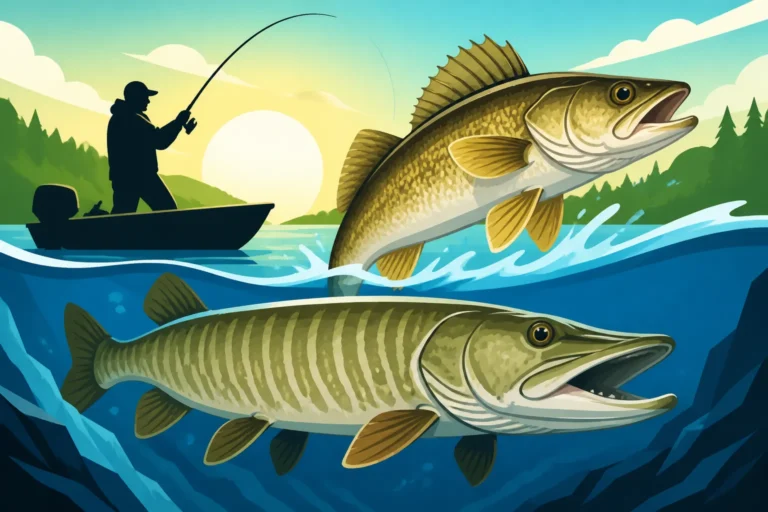
Northern Pike Spawn Timing in Indiana
If you've ever found yourself scratching your head, wondering exactly when those elusive Northern Pike in Indiana decide to get busy and spawn, you're certainly not alone. It's a question many anglers ponder, especially as spring approaches and we're eager to capitalize on the prime fishing opportunities. Understanding the pike spawn timing in Indiana is absolutely crucial for maximizing your chances of a successful outing, and this guide is here to shed some light on the subject, offering practical insights and tips to help you get out there at just the right moment.
Understanding the Northern Pike Spawn in Indiana
Northern Pike are a cold-water species, which means their reproductive cycle kicks into gear much earlier in the spring than many other popular game fish in Indiana. They're not waiting for the dog days of summer; they're ready to go as soon as the ice melts and water temperatures start to tick upwards. This early timing often catches some anglers off guard, leading to missed opportunities.
The Crucial Water Temperature Window
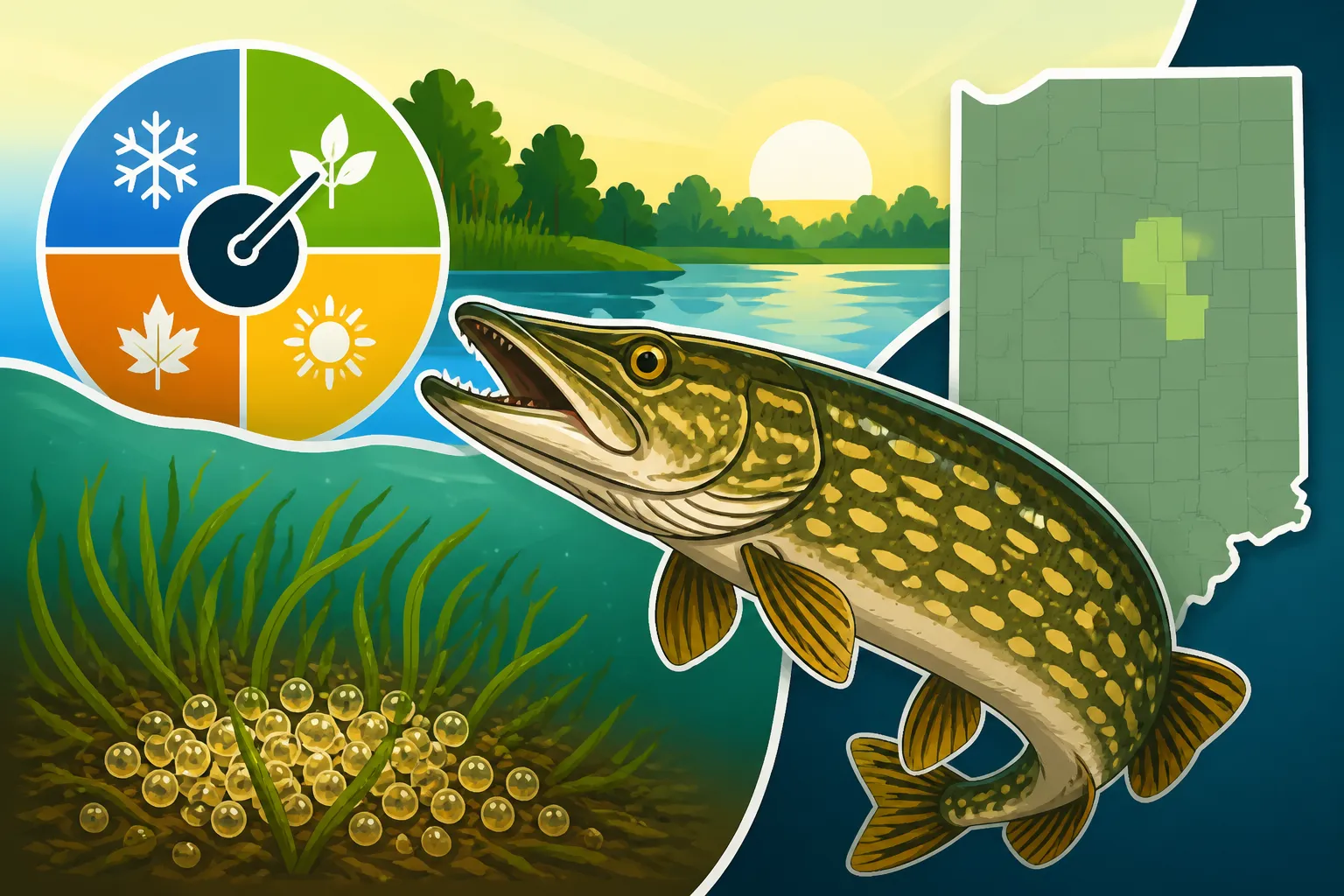
The absolute key to understanding the Northern Pike spawn is water temperature. While specific dates can vary wildly from year to year depending on how harsh our Indiana winters are and how quickly spring arrives, pike reliably begin their spawning ritual when water temperatures consistently reach the mid-40s to low-50s Fahrenheit. Think of it as a biological alarm clock that goes off for them.
Generally, this window opens up sometime in March, and it can extend well into April, especially in deeper, slower-to-warm lakes or during a prolonged cold spring. This is quite different from bass, for example, which typically wait until the mid-60s. So, while you might still be bundling up, the pike are already focused on procreation. Monitoring local water temperature is your best friend here, whether you use a fish finder with a temperature gauge or even a simple thermometer cast from shore. If you're looking for more general information on pike, check out our guide on Northern Pike Fishing in Indiana: A Complete Guide.
Preferred Spawning Habitats
Pike aren't just spawning anywhere; they have very specific preferences for where they lay their eggs. They seek out shallow, heavily vegetated areas. We're talking about flooded grasses, cattail marshes, lily pad fields, and flooded timber – basically, any area with dense cover that provides protection for their eggs and newly hatched fry. These areas are usually only a few feet deep, making them easily accessible for broadcast spawning.
Think about those shallow bays, coves, and backwater areas that are sheltered from strong winds. These spots warm up faster in the spring sun and offer the necessary structure. In many of Indiana's glacial lakes, you'll find these ideal habitats in protected channels or along gradual sloping shorelines where old reeds and new growth provide cover. It’s not just about the warmth; it's about the security for the next generation of pike.
Visual Cues of Spawning Activity
Once you know what to look for, you can often spot signs of pike spawning activity directly. During the peak of the spawn, large females, often accompanied by several smaller males, will move into these shallow, vegetated areas. You might observe splashes, disturbances in the water, or even see their backs breaking the surface as they thrash around during the actual egg deposition.
Sometimes, if you're quiet and observant, you can spot the pike themselves, either cruising slowly through the reeds or holding motionless amidst the cover. They might not be actively feeding aggressively during this precise period, but their presence is a clear indicator that the spawn is happening or about to happen. Keep an eye out for these subtle (and sometimes not-so-subtle) signs, and you'll be well on your way to figuring out the best time to target them.
Factors Influencing Pike Spawning Behavior
While water temperature is the primary trigger, it’s not the only factor that dictates when and how Northern Pike spawn in Indiana. Several environmental elements can subtly (or not-so-subtly) shift the exact timing and intensity of their reproductive efforts, making each spring a unique challenge and opportunity for anglers.
Impact of Weather Patterns
Indiana weather can be notoriously fickle in the spring. A sudden cold snap after a warm spell can momentarily put the brakes on spawning activity. Conversely, a prolonged period of warm, sunny days can accelerate it. Stable weather, even if it's not scorching hot, is generally better for consistent spawning. Fluctuating temperatures can cause pike to move in and out of spawning grounds, making them harder to pinpoint.
Heavy rains, especially if they lead to significant runoff and muddy water, can also disrupt the spawn by reducing visibility and potentially affecting egg adhesion. Pike prefer clearer water for spawning, so a stretch of calm, stable weather with minimal precipitation is ideal. It’s a delicate balance, and being aware of the forecast for the next week or two can give you a significant advantage in predicting peak activity.
Water Levels and Vegetation Growth
The water levels in Indiana's lakes and rivers play a critical role in the availability and suitability of pike spawning habitats. Higher water levels, especially if they've flooded new areas of shoreline vegetation, create a larger, more ideal nursery for pike. These newly inundated grassy areas provide perfect cover and substrate for eggs. Many of Indiana's lakes are managed reservoirs, so understanding their typical spring drawdowns or rises can be helpful.
Conversely, unusually low water levels can expose traditional spawning grounds, leaving pike with fewer options and potentially concentrating them in less-than-ideal spots. The state of emergent vegetation itself also matters. Healthy, new growth provides better cover and oxygenation for eggs and fry. If you're wondering Where to Catch Northern Pike in the Glacial Lake District, pay close attention to the shallow, vegetated bays and coves, as these are hotbeds of activity.
Geographic Differences Across Indiana
Indiana is a surprisingly diverse state when it comes to its aquatic ecosystems, and this diversity means that pike spawning times won't be uniform across all regions. Lakes and rivers in southern Indiana, which typically experience warmer temperatures earlier in the spring, might see pike spawning commence a week or two earlier than their counterparts in the colder, deeper glacial lakes of northern Indiana.
For example, a shallow lake in the central part of the state might have its pike spawn in late March, while a large, deep lake in Steuben County could hold off until mid-April. Being aware of these regional nuances is important. Don't assume that just because pike are spawning in one area, they're spawning everywhere else. Local conditions and microclimates can create significant differences, so always do your homework on the specific body of water you plan to fish.
Tactics for Fishing the Pike Spawn
Fishing for Northern Pike during their spawn can be a bit of a mixed bag. While they are concentrated in shallow areas, they might not be in an aggressive feeding mood when actively spawning. However, the periods just before and immediately after the peak spawn can offer some of the most phenomenal action of the year. It's all about timing and presenting the right offering. For broader context on when to fish, check out our guide on the Best Season for Northern Pike Fishing in Indiana.
Best Lures and Baits for Spawning Pike
During the pre-spawn and early spawn phases, pike are often hungry, trying to pack on energy for the arduous process ahead. Aggressive lures like large spinnerbaits, chatterbaits, and shallow-running crankbaits are fantastic choices. Look for natural patterns or bright, flashy colors like chartreuse or fire tiger. A classic Dardevle spoon, available widely, including on platforms like Amazon, is always a reliable option for triggering a reaction strike.
When pike are actively spawning, they might be more interested in territorial strikes than hunger strikes. In these situations, a weedless soft plastic jerkbait or a slowly worked swimbait, mimicking an injured baitfish, can be incredibly effective. Consider a weighted hook for better control in shallow, weedy areas. A simple minnow under a bobber can also be surprisingly effective, especially if it drifts naturally into a spawning pocket.
| Lure Type | Best Phase | Key Characteristics | Retrieval Style |
|---|---|---|---|
| Spinnerbaits | Pre-spawn, Post-spawn | Flash, vibration, weedless options | Medium to fast retrieve, stop-and-go |
| Crankbaits | Pre-spawn, Post-spawn | Aggressive wobble, diving depth | Steady retrieve, occasional twitch |
| Soft Jerkbaits | Active Spawn, Post-spawn | Subtlety, realistic action, weedless | Twitch-pause, erratic retrieve |
| Swimbaits | Active Spawn, Post-spawn | Realistic profile, natural movement | Slow and steady, just above vegetation |
| Spoons | All Phases | Flashy, wobbling action | Erratic jigging, steady retrieve |
| Live Minnows | All Phases | Natural scent and action | Under a bobber, slow drift, free-lined |
Approaching Spawning Areas Carefully
Pike, particularly large females, can be incredibly wary in the shallow, clear waters of their spawning grounds. Any sudden movements, loud noises, or shadows cast over the water can send them scattering. The key here is stealth.
If you're fishing from a boat, use a trolling motor on a low setting or, even better, a push pole to move silently through the shallow, vegetated areas. Maintain a good distance and make long, accurate casts to cover water without getting too close. If you're shore fishing, move slowly and deliberately, using existing cover like trees or tall grasses to break up your silhouette. Remember, the goal is to observe and present your bait without alerting the fish to your presence. Investing in polarized sunglasses can make a huge difference in spotting fish and cover without spooking them. You can find excellent options for these on Amazon.
Catch and Release Practices During the Spawn
While it's incredibly exciting to catch a large spawning pike, it's also a time to practice responsible angling. These fish are performing a vital role in their lifecycle. Many anglers choose to practice catch and release, especially for the larger females, to ensure healthy future populations. If you do catch a pike during the spawn, handle it gently and quickly.
Minimize its time out of the water. Support its body horizontally, avoiding vertical holds that can damage its internal organs. Use needle-nose pliers or a hook remover to quickly extract hooks, especially if the fish has swallowed the bait. If you're serious about protecting our resources, consider crimping down the barbs on your hooks. A large, rubber-coated net can also help in safely landing and releasing fish without stripping off their protective slime coat. Always be mindful of Indiana Fishing Regulations and Bag Limits Guide for the specific body of water you are fishing.
Beyond the Spawn: Post-Spawn and Summer Pike Fishing
The pike spawn, while a fantastic window of opportunity, is just one part of their annual cycle. Understanding what happens next, and how their behavior changes in the warmer months, can keep you on the fish long after the last egg has been laid.
Post-Spawn Recovery and Feeding Frenzy
Immediately after the spawn, both male and female pike enter a period of recovery. The females, especially, are often exhausted and thin from the rigors of spawning. However, once they've had a short period to recuperate, they typically enter a voracious post-spawn feeding frenzy. They need to replenish their energy reserves quickly, making them incredibly aggressive and willing to strike at almost anything that moves.
This post-spawn period, usually a week or two after the main spawning activity winds down, can be one of the best times to target large pike. They'll often still be found in or near those shallow, vegetated spawning grounds, but they'll be much more active and responsive to fast-moving baits. Think about large spinnerbaits, spoons, and topwater lures fished over the emerging weed beds. It's a prime time for big bites! For more lure ideas, you might want to look at Best Lure Choices for Summer Fishing.
Summer Patterns and Deep Water Tactics
As the water temperatures continue to climb into the 70s and beyond during Indiana's summer, Northern Pike generally move out of the super-shallow spawning flats and into deeper, cooler water. They'll often relate to structure like weed lines, drop-offs, submerged humps, and points where they can ambush baitfish from deeper cover.
Fishing during the summer often means adapting your techniques. Trolling large crankbaits or spoons along break lines can be very effective, as can casting larger swimbaits or jigs into deeper weed pockets. Dawn and dusk can offer brief windows when pike might move shallower to feed, but during the heat of the day, focus on those cooler, deeper haunts. A good fish finder, readily available on Amazon, becomes an indispensable tool for locating these deeper structures.
Fall Feeding and Preparation for Winter
As autumn arrives and water temperatures begin to drop again, Northern Pike experience another burst of aggressive feeding. Much like the post-spawn period, this is a time when they are actively bulking up for the lean winter months. They will often move back into shallower areas, especially those with healthy green weeds, to feed on baitfish that are also moving to these areas.
This fall period can offer some of the most exciting pike fishing of the year, with powerful strikes from well-fed fish. Large spinnerbaits, jerkbaits, and even muskie-sized bucktails become effective. Once the ice forms, pike remain active and can be targeted through ice fishing, often found relating to weed lines or structural elements under the ice. If you're planning an ice fishing trip, remember to check out our guide on Best Tackle for Ice Fishing on Indiana Lakes.
Understanding the full year-round cycle of the Northern Pike in Indiana allows you to adjust your approach and enjoy fantastic fishing opportunities across all four seasons.
Disclaimer
Please remember that fishing regulations, conditions, and fish behavior can change. Always consult the latest Indiana Department of Natural Resources (DNR) regulations before heading out. This guide is for informational purposes and reflects general patterns, but local conditions can vary.