Best Month for Catfish Fishing in Indiana
Anyone who's ever spent a frustrating day on the water, wondering why the catfish just aren't biting, knows the feeling: you picked the wrong time. It's a common misconception that there's one magical month when catfish are always ready to jump on your hook. The truth is far more nuanced, and understanding their seasonal behaviors is key to consistent success. This guide will dive deep into when you can expect the best catfish action in Indiana, helping you plan your trips to maximize your chances, whether you're after channel cats, flatheads, or big blues.
Understanding Catfish Behavior Through the Seasons
Catfish are fascinating creatures, and their activity levels are heavily dictated by water temperature and their biological clocks, especially the drive to spawn. Knowing what they're up to throughout the year helps you know where to find them and what bait to offer.
Early Spring Awakening: March-April
As the ice finally melts away and Indiana's waters begin to warm up, usually around March and into April, catfish start to shake off their winter sluggishness. They're still a bit slow, not yet in a full feeding frenzy, but they're definitely on the move. The water temperatures are typically in the low to mid-50s Fahrenheit during this time.
During this early spring period, catfish, particularly channel cats, will begin to move from their deeper wintering holes into shallower areas that warm up faster. Think of sun-exposed flats, the north banks of rivers, or shallow coves in lakes and reservoirs. These areas can be surprisingly productive, especially on sunny afternoons. They aren't going to chase baits vigorously, so presenting something appealing and easy to find, like cut bait or worms, is a good strategy. Look for them in areas with dark bottoms that absorb heat, or near inflows where slightly warmer water might be entering.
The Pre-Spawn Feast: Late April-May
This is arguably one of the absolute best times to target catfish in Indiana, especially if you're looking for numbers and good-sized fish. From late April through May, as water temperatures climb into the mid-60s, catfish enter a pre-spawn feeding frenzy. They're bulking up, preparing for the energy demands of spawning, and they become incredibly active and aggressive.
During this period, channel catfish, blue catfish, and even flatheads are on the hunt. You'll find them actively patrolling shallower areas, often near structure like fallen trees, brush piles, or rocky drop-offs. They're less finicky about bait now, eagerly snatching up stink baits, chicken livers, shrimp, and cut bait. This is a fantastic time for anglers because the fish are often concentrated and biting readily. If you want to dive deeper into these species, our comprehensive guide on Channel Catfish Fishing in Indiana: The Complete Guide is an excellent resource. This window is prime for both bank anglers and boaters alike, as catfish will often move close to shorelines in search of food.
Peak Catfish Action: Late Spring and Summer (June-August)
While the pre-spawn bite is phenomenal, the warmer months of summer still offer incredible opportunities for catfish enthusiasts in Indiana. It just requires a slight shift in strategy and understanding their post-spawn behavior.
Spawning Season Challenges: Late May-June
As water temperatures push into the high 60s and low 70s, typically from late May through June, catfish begin their spawning rituals. This period can be a bit trickier for anglers because the fish's priorities shift from feeding to procreation. They'll often seek out secluded, dark areas like hollow logs, undercut banks, rock crevices, or dense brush to lay their eggs. Males become very territorial and protective of the nest.
During spawning, the bite can slow down considerably, especially for males guarding nests. They might still strike out of aggression, but they're not actively feeding. It's often best to avoid disturbing these nesting fish. Instead, focus on areas just outside of known spawning grounds where non-spawning or post-spawn females might still be recovering and feeding. Keep your baits smaller and less intrusive during this time. Understanding How to Catch Catfish: Bottom Fishing and Trotline Techniques can still be useful, even if you need to adapt your approach for spawning fish.
The Summer Heat Bite: July-August
Don't let the scorching Indiana summer heat deter you; July and August can be incredibly productive for catfish, especially during certain times of the day or night. As surface water temperatures reach their warmest, catfish often become more nocturnal in their feeding habits. They'll move into shallower waters to feed as the sun sets and throughout the night, retreating to deeper, cooler waters during the brightest parts of the day.
This is prime time for Night Fishing Techniques for Catfish. Target river channels, deep holes in lakes, and reservoir main lake points during the day. As evening approaches, move to shallower flats, creek mouths, or submerged structures. Large cut bait, whole shad, or even live bait for flatheads can be highly effective. If you're outfitting your night fishing setup, you can often find great deals on durable headlamps and glow-in-the-dark tackle on Amazon. The key is to adapt to their behavior; if they're not biting during the day, try fishing from dusk till dawn.
Fall Feeding Frenzy and Winter Slowdown (September-February)
Just like in spring, fall offers another fantastic window for active catfish, as they prepare for the lean months of winter. The winter itself, however, presents unique challenges.
Autumn Buildup: September-October
As the cooler air of autumn sweeps across Indiana and water temperatures begin to drop from the summer highs, catfish once again enter a significant feeding period. This "fall feeding frenzy" is their last big push to pack on calories before winter's slower metabolism sets in. Typically, from September through October, you can find active channel, blue, and flathead catfish.
They'll often move back into shallower areas that still hold warmth during the day, but they'll also actively forage in deeper sections of rivers and lakes. Look for them around natural forage areas, such as points, humps, and channel bends. Bigger baits often work well now, as they're looking for substantial meals. This is an excellent time to target trophy-sized fish, as they're actively chasing down food. Many anglers swear by fresh cut bait or large worms for this period. Our guide to Best Catfish Fishing Spots in Indiana will help you pinpoint locations where these autumn patterns are particularly strong.
Winter Lulls and Deep Water Finds: November-February
When the water temperatures plunge into the 40s and below from November through February, catfish activity slows dramatically. They become much less active, their metabolism slows, and they seek out deep, stable thermal refuges. This doesn't mean you can't catch them, but it definitely requires patience and a precise approach.
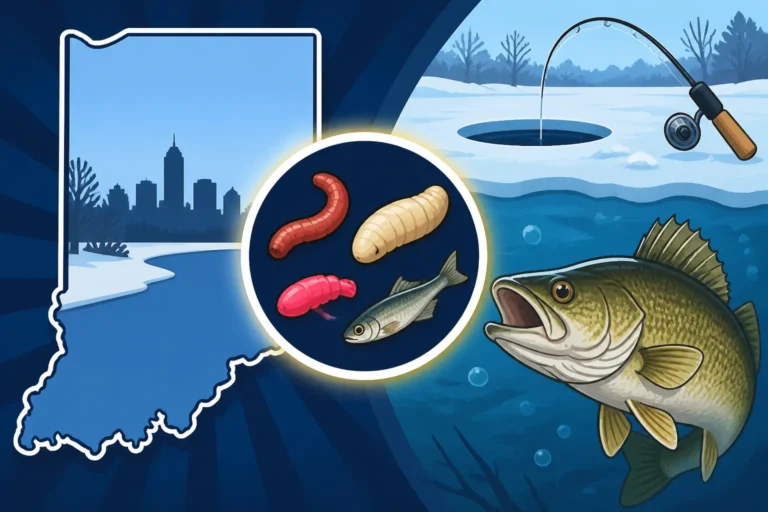
During winter, catfish will often congregate in massive schools in the deepest holes, main river channels, or reservoir basins. They won't be actively chasing food, so your presentation needs to be slow and directly in front of them. Smaller baits, like shrimp, worms, or small pieces of cut bait, presented on a simple bottom rig, are often best. You'll need reliable electronics to locate these wintering schools. While it's not a numbers game, catching a big catfish in the dead of winter can be incredibly rewarding. Remember that finding durable cold-weather gear, like insulated gloves and waterproof boots, is crucial for winter fishing, and you can find a wide range of options on Amazon.
Key Factors Influencing Catfish Success
Beyond the calendar, several other elements play a critical role in whether your catfish outing in Indiana is a bust or a boom. Paying attention to these details can turn a slow day into a memorable one.
Water Temperature and Habitat
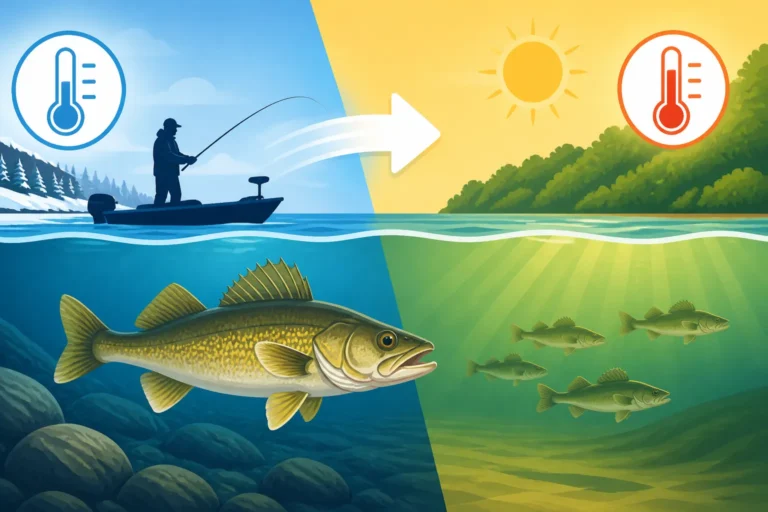
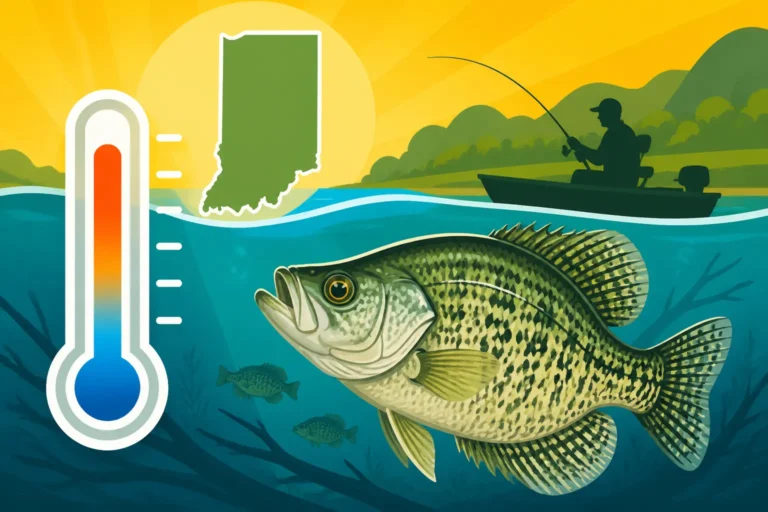
Water temperature is, without a doubt, the single most significant factor influencing catfish behavior. As we've seen, it dictates when they feed, where they hold, and how aggressively they bite.
- Cold Water (Below 50°F / 10°C): Catfish are sluggish, seek deep holes, and feed sparingly. They conserve energy.
- Cool Water (50-65°F / 10-18°C): Activity increases. They begin moving into shallower areas. Pre-spawn feeding begins.
- Warm Water (65-75°F / 18-24°C): Peak feeding activity, followed by spawning. Post-spawn recovery. Fish are active and aggressive.
- Hot Water (Above 75°F / 24°C): Catfish may become more nocturnal, seeking cooler, deeper water during the day and moving shallow at night. Oxygen levels can also become a factor in very hot, stagnant water.
Understanding these thermal preferences allows you to predict where the fish will be. For instance, in early spring, the sunny north banks of the Wabash River will warm faster, attracting catfish, while in mid-summer, the deep scour holes in the White River or main lake channels of Monroe Lake will provide sanctuary. Having a good quality thermometer to check water temperatures can be a game-changer.
Best Baits and Techniques by Season
Matching your bait and technique to the season is paramount. What works in spring might be ignored in winter, and vice-versa.
- Spring (Pre-Spawn): This is a time for variety. Stink baits, chicken livers, shrimp, nightcrawlers, and cut bait are all highly effective. Fish them on a basic bottom rig near warming shallow flats, river bends, and submerged timber. The aggressive nature of pre-spawn catfish means they're often not picky.
- Summer (Post-Spawn/Warm Water): As catfish adapt to warmer water, especially during the peak summer months, larger, scent-heavy baits shine. Fresh cut bait (shad, bluegill, skipjack), pre-made punch baits, and prepared "stink baits" are excellent. For flatheads, live bait like bluegill, shiners, or suckers are often irresistible. Fishing at night, or focusing on deeper holes and channels during the day, using traditional bottom rigs or even drift fishing techniques, can be very productive. You can find a huge array of specialty catfish baits and scent enhancers on Amazon to really entice those summer cats.
- Fall (Feeding Frenzy): Similar to spring, but often with an emphasis on larger baits. Catfish are trying to put on weight for winter. Cut bait, large chunks of chicken liver, and live baits are great choices. Look for them in areas where baitfish are abundant, near drop-offs and channel edges in lakes like Patoka Lake or the larger river systems.
- Winter (Slow Period): Subtle presentations are key. Smaller pieces of cut bait, worms, or shrimp presented slowly and directly on the bottom are best. Vertical jigging a piece of bait can sometimes coax a bite from a sluggish catfish. Locate deep schools with your fish finder and patiently work your bait. While specialized winter fishing gear isn't always needed for catfish, a sturdy and sensitive rod will help you detect those light winter bites.
| Season | Water Temperature (Approx.) | Primary Catfish Behavior | Recommended Locations | Key Baits/Techniques |
|---|---|---|---|---|
| Early Spring | 45-55°F | Awakening, moving shallow | Sunny flats, north banks, shallow coves | Cut bait, nightcrawlers, small stink baits, bottom rigs |
| Late Spring | 55-65°F | Pre-spawn feeding frenzy | Structure-rich shallows, river bends, drop-offs | Stink baits, chicken liver, cut bait, shrimp, bottom rigs |
| Early Summer | 65-75°F | Spawning, aggression bites (males) | Secluded nesting areas (avoid), nearby transition zones | Aggressive lures (if targeting males), smaller natural baits |
| Mid-Summer | 75°F+ | Nocturnal feeding, deep daytime holds | Deep channels (day), shallow flats (night), structure | Large cut bait, punch baits, live bait (flatheads), night fishing |
| Early Fall | 60-70°F | Post-spawn feeding frenzy | Baitfish concentrations, drop-offs, channel edges | Large cut bait, chicken liver, live bait, bottom rigs |
| Late Fall | 50-60°F | Moving deeper, slowing activity | Deeper channels, larger holes | Cut bait, worms, slower presentations, bottom rigs |
| Winter | Below 50°F | Sluggish, deep schooling | Deepest holes, main channels, reservoir basins | Small cut bait, shrimp, worms, direct presentations |
Ultimately, there isn't one "best" month for catfish fishing in Indiana, but rather specific periods that offer different advantages. The late spring pre-spawn (late April-May) and early fall (September-October) tend to offer the most consistent and aggressive feeding activity for channel and blue cats, making them excellent times for anglers seeking action. For trophy flatheads, live bait and patient summer night fishing are often the ticket. Regardless of when you choose to go, understanding these seasonal patterns and adapting your approach will significantly increase your chances of a successful and enjoyable day (or night) on the water.
Disclaimer
Fishing regulations and conditions can change rapidly. Always consult the latest Indiana Department of Natural Resources (DNR) fishing guide before heading out on the water. This information is provided for educational and entertainment purposes only.