Best Lure Choices for Summer Fishing
Summer fishing in Indiana can feel like a totally different ballgame compared to the glorious spring bite or the active fall feast. The scorching sun, rising water temperatures, and sometimes lethargic fish can make you question your techniques and, most importantly, your lure choices. It's frustrating when you know the fish are there, but they just aren't biting what you're throwing. This comprehensive guide is here to help you cut through the confusion and equip you with the knowledge of the best lure choices for summer fishing in Indiana, ensuring your tackle box is ready for whatever the heat throws at you.
Understanding Summer Fish Behavior in Indiana Waters
When the dog days of summer hit Indiana, the underwater world undergoes a significant shift. Fish, like us, feel the heat, and their behavior changes dramatically. What worked in April might not get a second look in July, and understanding why is key to selecting the right lures.
The Dog Days Doldrums: What Happens Underwater
As air temperatures climb into the 80s and 90s, the surface water in Indiana lakes and reservoirs warms up considerably. This warmth, while pleasant for swimming, can make fish feel sluggish. Their metabolism slows down, and they're less inclined to chase after fast-moving, high-energy baits that were so effective during the spring spawn. Instead, they often seek out cooler, more oxygenated water. This means they'll move deeper, find dense cover like lily pads or submerged timber, or position themselves near sources of cooler water, like spring-fed areas or current breaks in rivers. Thinking about Best Bait and Lures for Fall Fishing is a totally different mindset from summer.
Imagine yourself on a hot summer day. Are you running a marathon, or are you looking for a cool, shady spot to relax with a cold drink? Fish are no different. They become less active, conserving energy, and are often more ambush-oriented. This shift demands presentations that are slower, more subtle, or that can effectively penetrate heavy cover where these fish are hiding out, escaping the heat and bright sunlight. If you're still throwing those springtime fast-moving crankbaits in the middle of the day, you're likely just giving the fish a show, not a meal.
Thermoclines and Oxygen Levels
One of the most critical concepts in summer fishing, especially on Indiana's deeper lakes, is the thermocline. A thermocline is a layer within a body of water where the temperature changes rapidly with depth. Above it, the water is warm and often less oxygenated due to stratification. Below it, the water is cooler, but eventually, you hit a point where oxygen levels become too low to support fish life. Fish will often suspend right on or just above this thermocline, finding that perfect "comfort zone" where the temperature is ideal, and oxygen is still plentiful.
Knowing the depth of the thermocline can be a game-changer for anglers using a good fish finder. This is where those deep-diving crankbaits or vertically jigged soft plastics really shine, as they allow you to present your lure precisely in the strike zone where fish are congregated. If you're fishing a deep reservoir like Monroe Lake or Patoka Lake, understanding these thermal layers is paramount. You might see schools of baitfish, and larger game fish, hugging these specific depths, totally ignoring the surface activity.
Adapting to Low-Light Conditions
While fish are lethargic in the midday sun, they often become much more active during low-light periods. Think dawn, dusk, and even throughout the night. The cooler temperatures and reduced light penetration make them feel safer and more willing to venture out from cover to feed. This is when aggressive lure presentations can come back into play.
For example, topwater lures that create a lot of commotion or jigs that offer a subtle, slow fall can be incredibly effective during these times. The fish's sight lines are reduced, making vibrations, silhouettes, and scent even more important. This is why many experienced Indiana anglers are up before the sun or stay out long after it sets, especially when targeting How to Catch Catfish at Night or even nocturnal walleye. The key is to be present when the fish are most comfortable feeding, rather than trying to force a bite when they're hunkered down in the heat.
Topwater Lures for Early Mornings and Evenings
There's nothing quite like a topwater strike. The sudden explosion on the surface, the heart-stopping splash – it's pure adrenaline. While midday topwater action can be hit or miss in summer, these lures absolutely dominate during low-light conditions.
Poppers and Walkers: Surface Commotion
Poppers and walkers are your go-to when you want to create some serious noise and disturbance on the surface. Poppers, with their cupped faces, "pop" and splash water when twitched, mimicking a struggling baitfish or a frog falling into the water. Walkers, like the Heddon Super Spook or various Z-Man models, are designed to "walk the dog" – a side-to-side gliding motion that looks incredibly lifelike. Both are fantastic for drawing aggressive strikes from largemouth bass, especially in calm, clear water.
The trick with these lures in summer is patience and timing. Use them during the cooler parts of the day – right at sunrise or as the sun dips below the horizon. Cast them near cover like weed lines, lily pads, or fallen trees. Let them sit for a moment after casting, allowing the ripples to dissipate, then give a few sharp twitches or begin your walking retrieve. Sometimes, the fish will hit it on the pause, so resist the urge to immediately reel in after a twitch. You can find a huge variety of these on Amazon, from budget-friendly options to high-end, detailed designs.
Frogs and Buzzbaits: Heavy Cover Attack
When you're dealing with thick vegetation – think dense lily pads, matted grass, or emergent weeds – traditional topwater lures just get snagged. That's where hollow-bodied frogs and buzzbaits come into their own. Hollow-bodied frogs, like those from Booyah or Spro, are completely weedless, allowing you to drag them right over the top of the gnarliest cover. They imitate a frog, a favorite meal for a big bass lying in wait.
Buzzbaits, with their noisy propeller blades, create a distinct gurgling sound and splash as they're reeled across the surface. They're excellent for covering water quickly and calling fish out of cover. While not completely weedless, they can handle lighter vegetation well. For both, focus on working them through and around heavy cover where bass are likely ambushing prey. The key is a steady retrieve for buzzbaits, and a "twitch-and-pause" or "walk" retrieve for frogs. Many anglers use heavy braided line with these lures to rip fish out of the thick stuff. If you're fishing one of Indiana's Best Lakes for Trophy Largemouth Bass with lots of matted vegetation, these are indispensable.
Prop Baits and Wounded Minnows: Subtle Enticement
Sometimes, the fish aren't in the mood for an aggressive explosion, but they'll still key in on a struggling baitfish. That's where prop baits and "wounded minnow" style topwaters come in. Prop baits, with small propellers at one or both ends, create a subtle bubbling and spitting action without the loud "pop" of a popper. They're great for slightly calmer conditions or when bass are being finicky.
Lures like the Rapala Skitter Walk or other shallow-diving jerkbaits that float at rest can be twitched to create a "wounded" look, then paused to rise slowly back to the surface. This "dying baitfish" presentation can be incredibly effective when fish are pressured or when they're just not committing to more aggressive strikes. The key here is to impart subtle action and longer pauses, letting the lure's natural buoyancy do some of the work. These often require a lighter line and a more delicate touch than your average frog or buzzbait setup.
Soft Plastics for Deeper Water and Structure
When the sun climbs high and temperatures peak, fish often retreat to deeper, cooler water or seek refuge in dense cover. This is when soft plastics become absolutely essential for enticing bites. They offer incredible versatility and a natural presentation that finicky summer fish find hard to resist.
Texas Rigs and Carolina Rigs: Weedline and Drop-Off Mastery
The Texas Rig is arguably one of the most versatile and effective soft plastic presentations, especially for summer bass. By threading a worm or creature bait onto an offset hook and burying the hook point back into the plastic, you create a weedless setup that can be dragged through brush, timber, and thick weeds without snagging. Adding a bullet weight in front allows it to penetrate cover and get down to those deeper fish.
The Carolina Rig, on the other hand, is designed for covering open water and targeting fish suspended or on subtle bottom contours like points and drop-offs. It uses a heavy sinker followed by a swivel, then a leader (usually 2-4 feet) to your hook and soft plastic bait. This setup allows the weight to drag along the bottom, stirring up sediment and attracting attention, while the bait itself floats freely behind, mimicking a baitfish or crawfish foraging. It's excellent for fishing deeper water on large Indiana reservoirs like Patoka Lake or Monroe Lake, helping you discover Best Bass Fishing Techniques for Pre-Spawn and Post-Spawn.
Stick Baits and Senkos: Versatile Worming
If there's one soft plastic that has truly revolutionized bass fishing, it's the stick bait, most famously exemplified by the Gary Yamamoto Senko. These deceptively simple, cylindrical baits are heavily salt-impregnated, giving them an incredible shimmy and natural fall when fished weightless or with minimal weight. The "wacky rig" (hooked through the middle) or "Texas rig" are popular presentations.
The beauty of the Senko and similar stick baits from brands like Zoom or Strike King lies in their versatility. They can be cast weightless into shallow cover, skipped under docks, or fished on a Texas rig in deeper water. The slow, tantalizing fall is often what triggers strikes from even the most lethargic summer bass. Many anglers simply cast, let it fall on a slack line, and watch for any twitch or movement in their line that indicates a bite. It's a fantastic choice when fish are shy or when you're fishing clear waters where subtle presentations are key. You can stock up on these in bulk on Amazon for a decent price.
Jig Worms and Grubs: Finesse Presentations
When the bite gets tough, and fish are being extremely finicky, downsizing to smaller, finesse soft plastics can make all the difference. Jig worms – often a straight-tailed worm rigged on a small mushroom-style jig head – are perfect for subtle bottom contact and gentle twitching. They excel in clear water or when fish are feeding on smaller forage.
Grubs, typically a small, single-tailed soft plastic, are another finesse powerhouse. They can be fished on a light jig head, providing a swimming action on a slow retrieve, or even used as a trailer on a small spinnerbait or swim jig. They're fantastic for panfish, but don't underestimate their ability to tempt wary bass, especially smallmouth, in rivers like the St. Joseph River or Tippecanoe River. The key is to use light line and a subtle retrieve, letting the current or gentle rod tip movements impart action. These can be crucial for understanding How to Catch Bass from the Bank in pressured areas.
Crankbaits and Spinnerbaits: Covering Water
While slower presentations dominate summer fishing, there are still times and places where covering water efficiently with reaction baits like crankbaits and spinnerbaits can be highly effective. The key is knowing when and where to deploy them.
Deep-Diving Crankbaits: Reaching the Depths
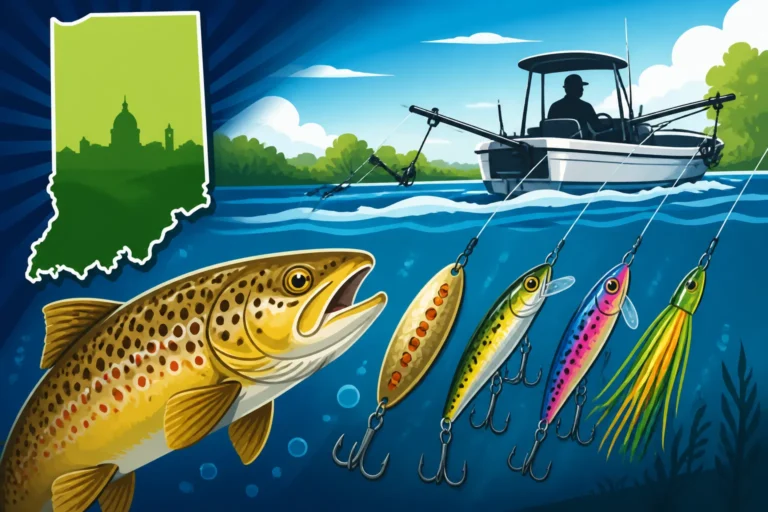
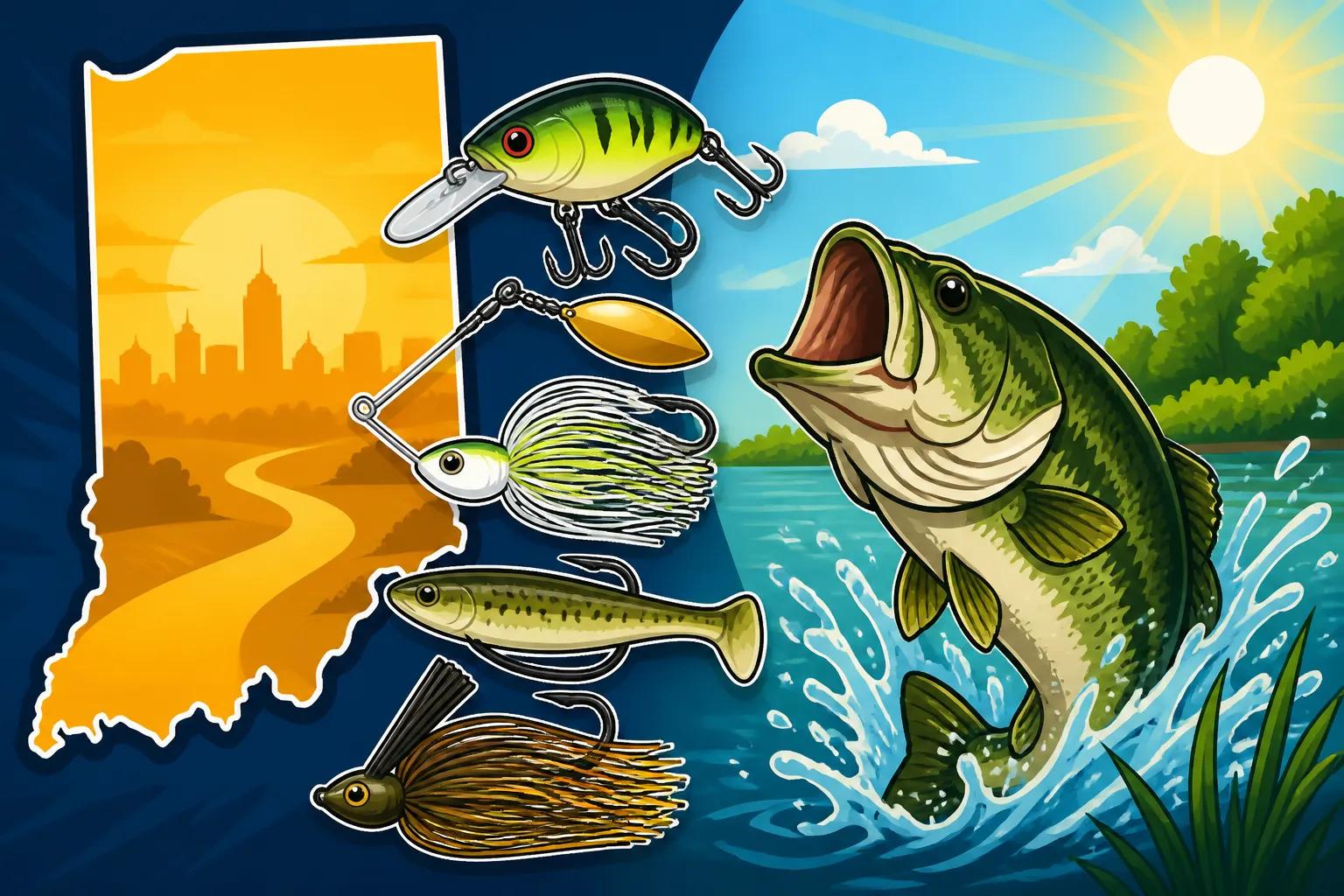
When bass retreat to the thermocline or deeper structure in summer, deep-diving crankbaits are your ticket to reaching them. These lures are designed with large bills that allow them to dive to depths of 10, 15, even 20+ feet on a long cast. Brands like Rapala, Strike King, and Norman offer a wide range of dive depths and colors.
The strategy here is to cast these lures out and crank them down quickly, getting them to their maximum depth. Then, either retrieve them steadily, allowing them to "hunt" and deflect off submerged timber or rock piles, or use a "stop-and-go" retrieve to entice strikes. The deflection off cover is often what triggers a reaction bite. These lures are perfect for fishing main lake points, submerged humps, or deep ledges in places like Brookville Lake or Mississinewa Lake. Remember, matching the hatch – picking colors that mimic local baitfish like shad or bluegill – can significantly improve your success.
Square Bills and Lipless Cranks: Bouncing Off Cover
Not all crankbaits are for deep water. Square bill crankbaits, with their distinct blunt lip, are designed to be fished in shallow water and to deflect off heavy cover like stumps, rocks, and laydowns without getting snagged. This erratic, deflecting action often triggers aggressive reaction strikes from bass hiding in the shallower, shadier zones early or late in the day. They're great for covering expansive flats with scattered cover or fishing rocky shorelines.
Lipless crankbaits, like the iconic Rat-L-Trap or Sébile Vibe Machine, are another excellent option for covering water. They sink quickly and emit a strong vibration and rattling sound on the retrieve, calling fish from a distance. They can be fished at various depths simply by counting them down and varying your retrieve speed. They're particularly effective for fishing grass beds, over submerged vegetation, or even yo-yoing them off the bottom in deeper water to mimic a dying baitfish. Many anglers keep a selection of these on Amazon to cover different color patterns.
Spinnerbaits and Chatterbaits: Flash and Vibration
Spinnerbaits have been a bass fishing staple for decades, and for good reason. They combine flash from their blades, vibration, and a realistic skirted body to mimic baitfish or even crawfish. In summer, they excel when fished around cover like standing timber, brush piles, or weed edges. The key is to choose blade combinations (e.g., Colorado, Willow Leaf, Indiana) that match the water clarity and desired retrieve speed. Colorado blades, for instance, create more thump and flash, ideal for murky water, while willow leaves are better for faster retrieves and clearer water.
Chatterbaits, or bladed jigs, have exploded in popularity in recent years. They feature a unique hex-shaped blade attached to the jig head that causes the lure to vibrate erratically, creating an irresistible thumping action and flash. They combine the best attributes of a jig and a crankbait, making them incredibly versatile. They can be worked through sparse grass, along riprap, or through submerged timber. The key is to experiment with retrieve speeds and add pauses to trigger strikes. Both spinnerbaits and chatterbaits are excellent search baits for active summer fish, especially when there's some cloud cover or wind.
Jigs and A-Rigs: Targeted Presentations
When fish are hunkered down, precise presentations become critical. Jigs, in their many forms, allow you to put your bait exactly where the fish are hiding. And for targeting schooling fish, the A-Rig can be a true game-changer.
Flipping and Pitching Jigs: Heavy Cover Assault
When bass are buried deep in thick cover – think dense lily pads, submerged brush, boat docks, or fallen trees – traditional casting methods often fail. That's when flipping and pitching jigs come into play. These techniques allow you to silently and accurately present a heavy, compact jig-and-trailer combination into the tightest spots imaginable. A proper flipping jig has a weed guard to prevent snagging and a stout hook to pull big fish out of the cover.
The idea is to use a short, controlled cast or flip to drop the jig vertically into small openings in the cover. Let it sink to the bottom, then gently twitch and hop it. Strikes are often subtle, feeling like a slight "thump" or just a sudden heaviness on the line. This is a power fishing technique that requires heavy braided line and a strong rod to effectively extract bass from their summer hideouts. Many seasoned anglers will spend hours working a single stretch of heavy cover with this method, knowing that big summer bass often seek out these impenetrable sanctuaries.
Football Jigs: Rocky Bottom Specialists
For anglers targeting bass on hard bottom areas, especially those rocky ledges, humps, and points found in many Indiana lakes, the football jig is an indispensable tool. Its football-shaped head resists snagging in rocks and allows the jig to stand up on the bottom, presenting the trailer in an enticing, crawfish-like posture.
Football jigs are typically fished by dragging or hopping them along the bottom, mimicking a crawfish scurrying or foraging. The wide head allows them to maintain excellent bottom contact, transmitting every rock and pebble directly to your rod tip. They are particularly effective when targeting fish that are relating to contour changes or feeding on crawfish in deeper, cooler water. Like flipping jigs, selecting the right trailer—often a craw imitation or a chunk style plastic—can significantly impact your success. These are particularly useful when exploring Best Walleye Fishing in Indiana spots that often have rocky bottoms.
Umbrella Rigs A-Rigs: Schooling Fish Domination
The Alabama Rig, or A-Rig, is designed to mimic a school of baitfish, and it can be incredibly effective when targeting schooling bass or other predatory fish in open water, especially when they're feeding on shad. It consists of multiple wire arms with swivels, allowing you to attach several swimbaits or other soft plastics, creating the illusion of a small school.
While there can be some debate around their use in tournaments due to snagging multiple fish, for recreational anglers, they are a powerful tool for covering open water and triggering reaction strikes from aggressive, schooling fish. The key is to rig it correctly with appropriate swimbaits (often 3-5 inches) and to retrieve it at a speed that keeps the baits swimming naturally. It's a heavy setup, requiring stout tackle, but when fish are schooling on open water humps or chasing bait on the main lake, an A-Rig can quickly put multiple fish in the boat. Just be sure to check local regulations regarding the number of hooks allowed, as some states or bodies of water have restrictions.
Species-Specific Summer Lure Considerations
While many of the lures discussed are versatile, specific species in Indiana waters often have preferences that can guide your summer lure selection.
Largemouth Bass: The Summer Superstar
Largemouth bass are the quintessential summer sportfish in Indiana. During the summer, they're often relating to cover – whether it's shallow grass, lily pads, docks, or submerged timber. As the water warms, they'll seek shade and ambush points.
For shallow, heavy cover, hollow-bodied frogs and punching jigs are kings. If they're slightly deeper in sparse grass, try a weightless Senko or a square bill crankbait. For fish on main lake points or humps, deep-diving crankbaits, football jigs, or a Carolina-rigged lizard can be deadly. Early mornings and late evenings are prime for topwater poppers and walking baits. Don't forget the power of a Texas-rigged worm or creature bait pitched into any shaded, submerged cover you can find. For a deeper dive, check out Largemouth Bass Fishing in Indiana: The Complete Guide.
Walleye: Deep-Water Hunters
Walleye are often associated with cooler waters, but they are definitely catchable in Indiana during the summer. As water temperatures rise, walleye in Indiana's glacial lakes and reservoirs, like those found in Kosciusko and Steuben Counties, will move deeper, often suspending in open water or relating to deeper structure.
Trolling with deep-diving crankbaits that reach the thermocline is a highly effective method. Colors mimicking perch, shad, or crawfish are often good starting points. Vertical jigging with jigs tipped with live nightcrawlers or soft plastic minnows is another excellent tactic when you've located schools of fish on your electronics. In rivers, walleye will often hold in deeper current breaks or behind structure. A jig-and-minnow combination or a three-way rig with a minnow can be very productive. For specific tactics, consider Walleye Trolling Techniques.
Crappie and Panfish: Schooling Delights
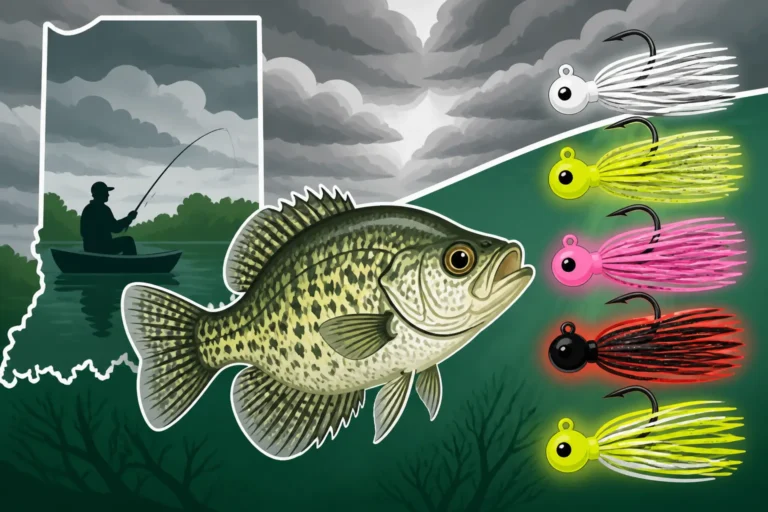
Crappie, bluegill, and other panfish are fantastic targets for summer anglers, offering consistent action and delicious table fare. In summer, crappie often school up in deeper water, suspending over brush piles, submerged timber, or around bridge pilings. Bluegill and redear sunfish will often relate to weed lines, docks, or brush in slightly shallower water.
For crappie, small jigs (1/16 to 1/8 oz) tipped with tiny soft plastic bodies (tubes, grubs, minnow imitations) or live minnows are hard to beat. You can vertical jig them over structure or cast them out and retrieve slowly. Spider rigging (slow trolling multiple poles with jigs or minnows) is also highly effective for covering water and finding crappie schools. For bluegill and other sunfish, simple bobber setups with worms, crickets, or small panfish jigs are excellent, especially around docks, lily pads, or weed edges. Downsizing your tackle and presentation is key for these smaller, but no less fun, species. Many popular panfish jigs and soft plastics can be found easily on Amazon. To learn more about them, check out Crappie and Panfish Fishing Techniques for Beginners.
Summer Lure Selection Cheat Sheet
Here's a quick reference table to help you choose the right lures based on conditions and target species during your Indiana summer fishing adventures.
| Lure Type | Best Conditions | Target Species | Retrieve/Action | Key Summer Tip |
|---|---|---|---|---|
| Topwater Poppers/Walkers | Calm water, low light (dawn/dusk) | Largemouth Bass | Twitch & pause, walk-the-dog | Fish near shallow cover; let sit after cast. |
| Hollow-Bodied Frogs | Heavy matted vegetation, lily pads | Largemouth Bass | Drag over cover, twitch in open pockets | Use heavy braid to pull fish from thick stuff. |
| Buzzbaits | Light vegetation, stained water, low light | Largemouth Bass | Steady retrieve | Excellent for covering water quickly. |
| Weightless Senkos/Stick Baits | Clear to stained water, any depth | Largemouth Bass, Smallmouth Bass | Slow, natural fall on slack line | Subtle action for finicky fish. |
| Texas Rigged Worms/Creatures | Heavy cover (timber, brush, weeds), deeper water | Largemouth Bass | Drag, hop, or pitch into cover | Weedless presentation, gets to deep fish. |
| Carolina Rigged Baits | Open water, deep points, ledges | Largemouth Bass, Walleye | Slow drag along bottom | Great for covering vast areas and bottom contact. |
| Deep-Diving Crankbaits | Deeper water (10-20+ ft), structure | Largemouth Bass, Walleye | Steady retrieve, deflect off cover | Match dive depth to thermocline. |
| Square Bill Crankbaits | Shallow (0-8 ft) rocky or woody cover | Largemouth Bass | Erratic retrieve, bounce off structure | Excellent for triggering reaction strikes. |
| Lipless Crankbaits | Grass flats, open water, various depths | Largemouth Bass, Smallmouth Bass, Pike | Ripping through grass, yo-yo, steady retrieve | Strong vibration calls fish from a distance. |
| Spinnerbaits | Around cover, stained water, windy days | Largemouth Bass, Northern Pike, Smallmouth Bass | Steady retrieve, stop & go | Flash and vibration for active fish. |
| Chatterbaits | Sparse grass, riprap, any cover | Largemouth Bass, Smallmouth Bass | Steady retrieve, slow roll, rip & fall | Unique erratic vibration. |
| Flipping/Pitching Jigs | Heavy cover (docks, brush, timber) | Largemouth Bass | Vertical drop, subtle hops | Precision presentation into tight spots. |
| Football Jigs | Rocky bottoms, deep ledges | Largemouth Bass, Smallmouth Bass | Drag or hop along bottom | Mimics crawfish, great bottom feel. |
| Small Jigs (1/16-1/8oz) | Deep brush piles, docks, open water | Crappie, Bluegill, Perch | Vertical jig, slow retrieve | Finesse for panfish, tipped with live bait or plastic. |
Final Thoughts on Lure Selection
Remember, summer fishing in Indiana demands adaptability. Don't be afraid to experiment with different lure types, colors, and retrieve speeds. Start with presentations that target fish deeper and in heavier cover during the bright, hot parts of the day, and then transition to more aggressive topwater or shallow presentations during the low-light hours.
Always pay attention to the conditions – water temperature, clarity, wind, and cloud cover – as these will all play a role in what lures will be most effective. And most importantly, have fun out there! The challenge of summer fishing in Indiana can be incredibly rewarding when you crack the code.
Disclaimer
Fishing regulations and best practices can change. Always consult the latest Indiana Department of Natural Resources (IDNR) rules and regulations before heading out on the water. This guide is for informational purposes only and does not constitute official legal or safety advice.