Timing a Fishing Trip Around Indiana’s License Year
It can be incredibly confusing trying to figure out when your Indiana fishing license actually expires and when you need to renew it, especially when it doesn't align with the calendar year we're all used to. This guide is here to walk you through everything you need to know about Indiana's unique fishing license year, how it impacts your angling plans, and how to stay legal on the water without missing a beat.
Understanding the Indiana Fishing License Year
Many anglers, especially those new to Indiana or coming from other states, automatically assume their fishing license will be valid for a full calendar year, from January 1st to December 31st. It’s a natural assumption, right? Most annual passes, subscriptions, and even vehicle registrations follow that rhythm. However, Indiana does things a little differently, and understanding this distinction is absolutely crucial to avoiding a citation and ensuring your fishing adventures are uninterrupted.
The Indiana Department of Natural Resources (DNR) has a specific framework for when licenses become active and when they expire. This system has been in place for a long time, and while it might seem counterintuitive at first, once you grasp the pattern, it becomes second nature. It’s all about consistency, ensuring that the licensing period lines up with key biological cycles and management efforts, rather than just a convenient date on the calendar.
This unique schedule means you can't just casually grab a license at any point in the year and expect it to run for the next 365 days from that purchase date. If you buy a license in, say, July, it won't be good until the following July. Instead, it will follow the state's fixed annual cycle, which applies to everyone. Getting this wrong is one of the most common mistakes new anglers make, and it can quickly turn a peaceful day on the water into a frustrating encounter with a conservation officer.
When Does Indiana's Fishing License Year Start and End?
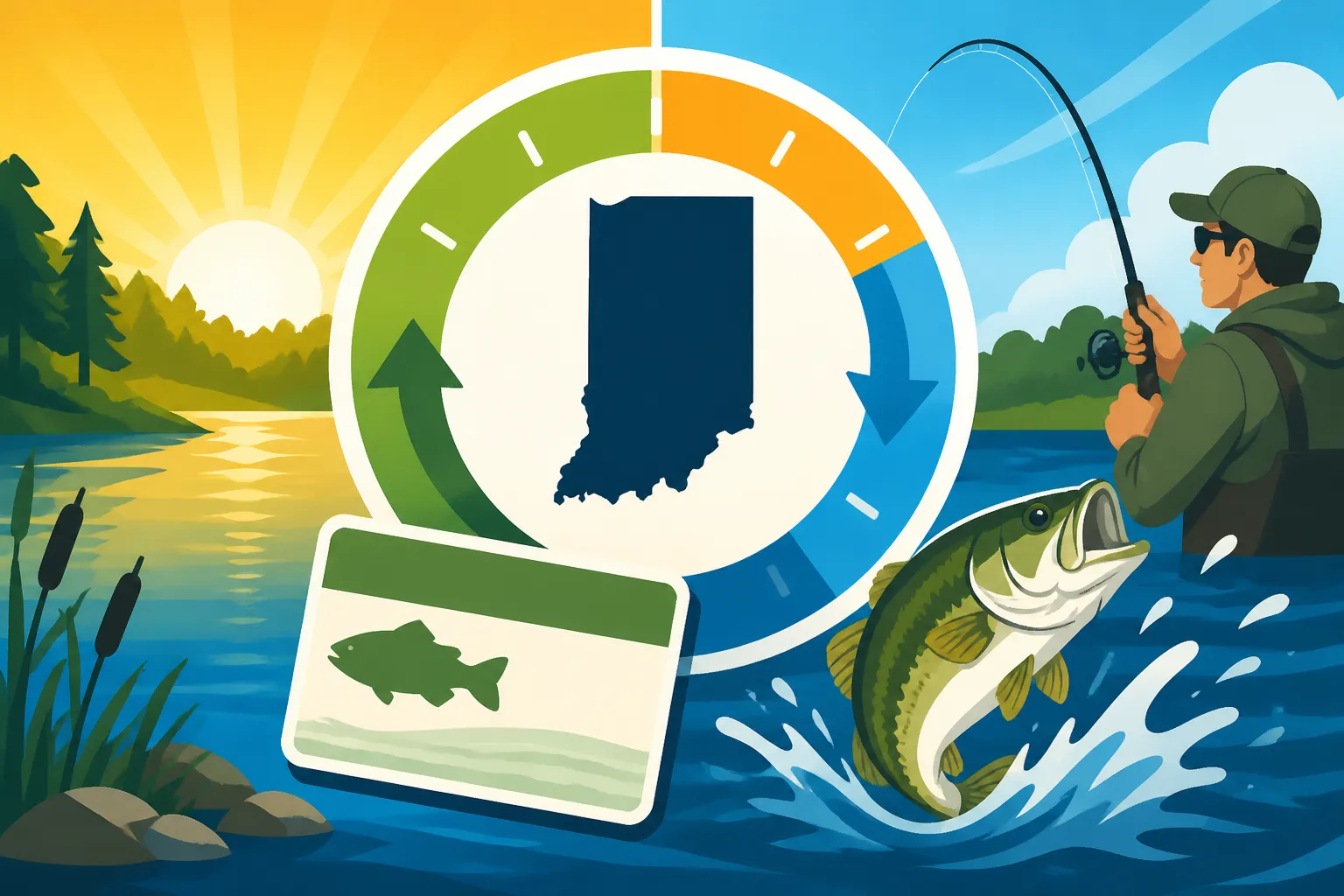
Let's cut right to the chase because this is the most important piece of information you need to know: the official Indiana fishing license year runs from April 1st through March 31st of the following year. This applies to the vast majority of annual licenses, whether you're a resident or a nonresident. So, if you're planning on fishing the beautiful waters of the Hoosier State, mark those dates on your calendar!
This fixed cycle means that no matter when you purchase your annual license within that window, it will always expire on March 31st. For instance, if you buy your license on October 15th, it's not valid for a full year from that date; it will still expire on March 31st. This is why many experienced anglers will tell you that the absolute best time to buy your annual license is right around April 1st, so you get the maximum value and coverage for the entire fishing season.
The end of March can feel a bit like a scramble for some, especially if they’ve been out enjoying the early spring bite without realizing their old license is about to become invalid. It's a prime example of why being informed is so important. You don’t want to be caught off guard and end up having to cut a fishing trip short because you suddenly remembered your license expired. A quick check of your license's validity before heading out is always a good practice, particularly during March and early April.
Why the License Year Isn't a Calendar Year
It's totally understandable to wonder why Indiana opted for this April 1st to March 31st cycle instead of the more common calendar year. The reasons are rooted in more than just administrative convenience; they're often tied to the state's natural resources management, fish stocking schedules, and the biological cycles of the fish species themselves. The DNR has specific needs for data collection and revenue generation that align better with this particular timeline.
Think about it from a biological perspective. Many fish species begin their most active periods, including spawning and significant feeding, in the spring. An April 1st start date allows the DNR to align license sales and associated revenue with the beginning of these peak biological and angling seasons. This revenue, in turn, directly funds crucial conservation programs, fish stocking efforts, habitat restoration projects, and law enforcement that benefit all anglers. It's a cyclical relationship where your license purchase directly supports the health of Indiana's fisheries.
Moreover, having a consistent, fixed license year simplifies enforcement and reporting across the state. Instead of individual licenses having dozens of different expiration dates throughout the year, every annual license culminates on March 31st. This streamlined approach makes it easier for conservation officers to verify licenses and for the DNR to track participation rates, manage budgets, and plan future initiatives. It might take a bit of getting used to, but it serves a larger purpose in ensuring sustainable fishing for generations to come. This consistency is also part of the detailed information covered in the guide on why the fishing license year isn't a calendar year.
Impact on Annual Fishing Plans
Knowing the Indiana fishing license year is one thing, but truly understanding how it impacts your annual fishing plans is another. It's not just about a date; it's about strategizing your purchases, maximizing your fishing days, and avoiding unexpected headaches. For those who enjoy fishing year-round, or even just during specific seasons, this annual cycle becomes a critical element of their preparation.
Imagine you're planning a multi-state fishing trip, and Indiana is one of your stops. If you're used to a calendar year license in your home state, you might mistakenly assume your Indiana license will cover you for a full 12 months from purchase. That oversight could lead to a situation where your license expires mid-trip, leaving you in a tricky spot or, worse, in violation of state law. Awareness of this specific timeline helps you plan accordingly, ensuring you have the proper credentials for the duration of your stay.
Beyond just legality, optimizing your license purchase based on the April 1st start date can actually save you money and mental energy. By renewing promptly each spring, you avoid the need to remember when you bought it last year or worry about mid-season expirations. It sets a clear rhythm for your angling year, allowing you to focus more on the fish and less on the paperwork.
Maximizing Your Annual License Value
Since all annual licenses expire on March 31st, the most cost-effective approach for frequent anglers is to purchase their new license right at the beginning of the license year, on or shortly after April 1st. This way, you get a full 12 months of fishing opportunities for the price of one annual license. Waiting until later in the year to buy an annual license means you're still paying the same price, but you're getting fewer months of coverage.
Let's say you're an avid bass angler who loves the spring spawn and the active summer bite. If you buy your license in July, you're essentially paying for a full year's worth of fishing but only getting about eight months of actual coverage before it expires the following March. While you'll still be able to fish legally, you're not maximizing the value of your purchase. For those who hit the water often, getting that early April renewal done is a no-brainer to ensure you're covered for every possible fishing day.
This strategy is especially pertinent for those who enjoy specific seasonal fisheries, like the Lake Michigan salmon run in the fall or ice fishing in the winter. If you delay your purchase until after these seasons have passed, you might find yourself needing to buy a new license just a few months later. Many Indiana anglers need a new license every April 1st, and following suit ensures you're always ready for whatever the fishing year throws at you.
Planning Trips Across License Years
Sometimes, your fishing plans might straddle the end of one license year and the beginning of another. This is particularly common for those who enjoy early spring fishing in March or those who are planning trips in late March extending into April. In these cases, you might find yourself needing to purchase two separate annual licenses to cover the entire duration.
For example, if you plan a fishing trip from March 28th to April 5th, your license from the previous year would expire on March 31st. To remain legal for the remainder of your trip (April 1st-5th), you would need to purchase a new license for the upcoming year. This isn't ideal for everyone, but it’s the reality of Indiana’s fixed license period. It's a situation where buying two licenses for a relatively short timeframe might be necessary, or you might choose to adjust your travel dates to align with a single license period.
Understanding this crossover period also helps in budgeting. Knowing that an early spring trip might require two license purchases allows you to factor that into your costs beforehand, preventing any surprises. It's a small detail, but it's these kinds of details that can make or break a well-planned fishing excursion, especially if you're trying to make the most of your time on the water.
Navigating License Renewals and Purchases
Getting your Indiana fishing license is a pretty straightforward process these days, thanks to online options and numerous vendors. However, knowing when to renew or purchase, especially with Indiana's specific license year, is key. Gone are the days when you had to trek to a specific government office; now, convenience is often just a few clicks away, making it easier than ever to stay compliant.
One of the biggest advantages of modern licensing systems is the ability to handle renewals and new purchases from the comfort of your home. This convenience means there's really no excuse for being caught without a valid license. Even if you're out in the field and suddenly realize your license has expired, a quick check on your phone can often resolve the issue in minutes, provided you have cell service.
Despite the ease, it's still important to keep track of your own license status. The DNR does a great job with reminders, but ultimately, the responsibility falls on the angler. A simple reminder on your phone or a note on your calendar can be invaluable in ensuring you never miss the April 1st renewal deadline.
Buying Your License Online
The easiest and most common way to purchase or renew your Indiana fishing license is through the official Indiana DNR website. This online portal is accessible 24/7, meaning you can get your license at any time of day, whether you're planning an impromptu fishing trip at midnight or just remembering to renew while sipping your morning coffee. The website is user-friendly, guiding you through the steps efficiently.
When you use the online system, you'll need some basic information, like your name, address, date of birth, and possibly your Indiana driver's license or identification card number if you're a resident. The process for buying a fishing license online in Indiana usually takes just a few minutes, and once completed, you'll receive a digital copy of your license that you can print or keep on your phone. This digital flexibility is fantastic, as it means one less piece of paper to worry about losing out on the water.
This method is also great for nonresidents planning a trip to the state. They can purchase their appropriate nonresident license—whether it’s an annual, 7-day, or 1-day option—before they even arrive. This saves precious fishing time and ensures they're legal from the moment they cast their first line. Many anglers find the online portal via a quick search on sites like Amazon, which often direct to the official DNR page.
Other Purchase Options
While online is incredibly convenient, it's not the only way to get your license. Indiana still maintains a robust network of authorized license vendors across the state. These typically include bait and tackle shops, sporting goods stores like those found in larger retail chains, and some county clerk offices. These in-person options are perfect if you prefer a physical license card, need advice from a local expert, or simply don't have internet access.
Purchasing in person also gives you the chance to support local businesses, which is a big plus for many in the angling community. Stopping at a bait shop to buy your license is a great opportunity to pick up some local bait, get a hot tip on where the fish are biting, or just chat with fellow anglers. This community aspect is a cherished part of the fishing experience for many.
Regardless of where you purchase it, make sure you receive a valid license and keep it on your person while fishing. Whether it's a paper copy in your wallet or a digital version on your smartphone, being able to present it to a conservation officer upon request is mandatory. Failing to do so, even if you technically have a license, can lead to unnecessary complications. This critical information is also reinforced in guides on how to get an Indiana fishing license.
Special Considerations: Short-Term and Senior Licenses
While the April 1st to March 31st rule is the standard for annual licenses, Indiana does offer some alternative license options that cater to specific needs, such as short-term visitors or senior anglers. These options provide flexibility and can be more cost-effective depending on your fishing frequency and residency status. It's not a one-size-fits-all situation, and understanding these nuances can save you money and ensure you're properly licensed for your specific circumstances.
Many states have realized that not every angler needs a full-year license, and offering shorter-term or discounted options makes fishing more accessible. Indiana is no exception, and their varied license structure reflects an understanding of different angler demographics. Whether you're just visiting for a weekend, or you've enjoyed many decades of fishing in the state, there's likely a license that fits your particular situation.
It's also worth noting that even with these special licenses, the core principles of Indiana's fishing regulations still apply. You'll still need to be aware of bag limits, size restrictions, and any special stamps (like a trout/salmon stamp) that might be required for the species you're targeting. The license simply grants you the general privilege to fish; the specific rules of engagement are still paramount.
Nonresident Short-Term Options
For our friends visiting from out of state, Indiana offers convenient short-term nonresident licenses. These are incredibly popular for vacationers, those on business trips with a little downtime, or folks just passing through who want to wet a line for a day or a week. These licenses are valid for a specified number of consecutive days, rather than adhering to the fixed April 1st-March 31st annual cycle.
You can typically choose from a Nonresident 1-Day Fishing License Price: $9 or a Nonresident 7-Day Fishing License Price: $20. These short-term options begin on the date you select at the time of purchase and remain valid for the specified duration. This makes them incredibly flexible for travelers, as you can align the start date perfectly with your trip. For example, if you're visiting from Chicago for a long weekend, a 7-day license might be ideal, giving you ample time on the water.
It's important to consider which short-term option makes the most sense financially. If you plan to fish for just one or two days, the 1-day license is a clear winner. However, if your trip extends beyond two days, the 7-day license quickly becomes the better value. A quick look on Amazon might show various fishing gear, but remember to go directly to the DNR for license purchases. This flexibility is a great way for nonresidents to experience Indiana's fantastic fisheries without committing to a full annual license that they won't fully utilize. These options are thoroughly covered in the Indiana Nonresident Fishing License Guide.
Senior Fishing Licenses
Indiana values its senior anglers, offering significantly discounted license options for residents aged 65 and older. These licenses provide a great benefit for those who've contributed to the state's fishing heritage and plan to continue enjoying the sport in their golden years. These discounts are a wonderful way to encourage continued participation and make fishing more affordable for seniors on fixed incomes.
The most common option is the annual senior fishing license, which costs a mere Senior Fishing License Price for Ages 65 and Up. Yes, you read that right – it's an incredible deal! Like other annual licenses, it follows the April 1st to March 31st cycle. This low price makes it exceptionally easy for seniors to keep their fishing privileges up-to-date year after year without breaking the bank.
Beyond the annual option, Indiana also offers the "Fish-for-Life" license for seniors. This is a one-time purchase that grants fishing privileges for the remainder of the angler's life, eliminating the need for annual renewals altogether. While the upfront cost is higher, it can be a fantastic long-term investment for passionate senior anglers. Both options reflect Indiana's commitment to making fishing accessible and enjoyable for its older residents. This can save you a ton of hassle and ensure you're always good to go, no matter when you decide to hit the water.
Maximizing Your Fishing Season
Understanding the Indiana fishing license year isn't just about legality; it's also about strategically planning your angling adventures to get the most out of every season. With the license year resetting in spring, it creates a natural rhythm for anglers to anticipate and prepare for the opportunities each part of the year presents. From the first warm days of April to the frosty mornings of late March, there's always something to chase, and your license ensures you can participate.
The unique April 1st start date often coincides with the awakening of many fisheries in Indiana. As waters warm, fish become more active, moving into shallower areas for spawning or aggressive feeding. This means that when your new license kicks in, you're usually stepping into a period of increasing fish activity, which is exciting for any angler. It's like the official signal that the new fishing season has truly begun, and it's time to dust off the rods and reels.
Knowing this cycle helps you prioritize your fishing efforts. If you've been itching to target certain species that are most active in early spring, having your license ready by April 1st means you won't miss a beat. Conversely, if you're more of a fall angler, you'll know your spring-purchased license will carry you right through those prime autumn bites. It’s all about informed planning to enhance your experience.
Spring Fishing Opportunities
April 1st doesn't just mark the start of the license year; it often signals the beginning of some of the most exciting fishing in Indiana. As temperatures rise and daylight hours lengthen, many fish species shake off their winter lethargy and become incredibly active. This is prime time for species like crappie, bluegill, and even bass as they move into shallower waters for their pre-spawn and spawning rituals.
Many anglers eagerly await April for the chance to target these species in their most vulnerable states. Crappie often stage in shallow brush piles and along weed lines, making them accessible to both boat and shore anglers. Bluegill and other panfish also become very aggressive, offering fantastic action for families and beginner anglers. Having your Indiana Fishing License Requirements Explained sorted by April 1st means you can be right there with them, taking advantage of these excellent opportunities.
Beyond panfish, early spring also sees increasing activity from bass and walleye in many Indiana lakes and rivers. Walleye begin their spawning runs, often in rivers and rocky areas, presenting a challenging but rewarding target. Bass are moving up, preparing for their spawn, and can be caught on a variety of baits and lures. It's a truly dynamic time to be on the water, and having your updated license ensures you're ready for all the action. You might even find yourself browsing fishing gear on Amazon, getting ready for the spring rush.
Fall and Winter Continuity
While the spring launch is exciting, the April 1st license year also ensures continuity through the prime fall and challenging winter fishing seasons. A license purchased in the spring will carry you through the summer's hot action, the glorious fall transition, and even into the ice fishing season, right up until the following March 31st. This uninterrupted coverage is a huge benefit for anglers who love to fish year-round.
Fall fishing in Indiana can be spectacular, especially for species like bass, walleye, and even the renowned Lake Michigan salmon and steelhead runs. These fish often go on a feeding frenzy in cooler water temperatures, packing on weight for the upcoming winter. Having a license that you purchased way back in April means you don't have to worry about a renewal interrupting your pursuit of a trophy fish during this active period. This uninterrupted coverage allows you to focus on the Fall Salmon Run Fishing on Lake Michigan in Indiana.
Even in the dead of winter, for those brave enough to venture onto the ice (once it's safe, of course!), that same license will still be valid. Ice fishing for panfish, walleye, and even pike can be a unique and rewarding experience. So, while the April 1st start date might seem a little odd at first, its overarching benefit is providing continuous coverage for all twelve months of potential angling opportunities in Indiana.
Common Misconceptions and FAQs
Despite the clear guidelines, there are still a few persistent misconceptions and frequently asked questions that pop up regarding Indiana's fishing license year. It's easy to get confused when different states have different rules, or when you're just not familiar with the local regulations. Addressing these directly can help clear up any lingering doubts and ensure every angler is fully informed.
One of the most common issues is simply forgetting the specific dates. Our brains are hardwired for January 1st to December 31st, so April 1st can easily slip by unnoticed, especially if you're not a super frequent angler. This is where those helpful reminders, either from the DNR or self-imposed, become invaluable. It’s a common frustration, and one that is easily overcome with a little proactive planning.
Another area of confusion often stems from the interaction between various license types and special stamps. Do short-term licenses also require a trout stamp? What about those free fishing days? These are excellent questions that deserve clear, concise answers to prevent any unintended violations.
Free Fishing Days and the License Year
Indiana offers several Free Fishing Days throughout the year, which are fantastic opportunities for new anglers, families, or anyone who wants to try fishing without the commitment of purchasing a license. These days are designed to encourage participation and introduce more people to the joy of angling. This means you can fish most public waters without needing a license on these specific dates. You can find a complete list in the Indiana Free Fishing Days Guide.
It's important to remember that while the license requirement is waived on these days, all other fishing regulations still apply. This includes bag limits, size restrictions, and any gear restrictions. So, if you're out during a Free Fishing Day, you still need to know the rules for the fish you're targeting. The exemption is purely for the license itself, not for the entire body of fishing law.
Crucially, Free Fishing Days do not alter the regular April 1st to March 31st license year. They are simply temporary exemptions within that ongoing cycle. If you fish outside of these designated free days, you will still need a valid license that aligns with the official license year. So, while you can take advantage of these free opportunities, don't let them lull you into thinking you don't need a license for your regular fishing trips. It's a specific, limited window, not a permanent change.
Trout and Salmon Stamps
For those eager to chase trout and salmon in Indiana's waters, especially the exciting salmon and steelhead runs in the tributaries of Lake Michigan, there's an additional requirement: the Indiana Trout and Salmon Stamp. This stamp is required in addition to your regular fishing license if you intend to fish for these specific species. It's a small but vital detail that many anglers, especially those new to targeting anadromous fish, sometimes overlook.
The good news is that the Indiana Trout and Salmon Stamp Requirements also follow the same April 1st to March 31st license year as your regular fishing license. This means when you renew your annual fishing license in the spring, it's a great time to also purchase your trout and salmon stamp if you plan on targeting these species in the upcoming year. This synchronization simplifies the process, ensuring you only have one renewal period to remember for both.
It's a common misconception that if you have a short-term license (like a 1-day or 7-day nonresident license), you might not need the stamp. However, if you plan to fish for trout or salmon, the stamp is always required, regardless of the duration of your base fishing license. Always double-check the regulations for specific waters, as some areas might have unique rules, but generally, if it's trout or salmon, you'll need that stamp. For example, if you're gearing up for a Lake Michigan trip, you might be looking for specific lures and reels on Amazon, but don't forget that stamp!
Planning for Multi-Year Angling Success
Thinking about your fishing license as a multi-year commitment, rather than just an annual chore, can really shift your perspective. By understanding Indiana's consistent license year, you can build routines and strategies that ensure you're always prepared, always legal, and always ready to hit the water without last-minute worries. This long-term planning approach extends beyond just purchasing the license; it encompasses how you manage your gear, plan your trips, and stay connected with the angling community.
The stability of the April 1st to March 31st cycle allows for predictable planning. You know exactly when your license will expire and when you'll need a new one. This removes guesswork and reduces the mental load of tracking varying expiration dates. It’s a small detail that, over many years, contributes to a smoother, more enjoyable fishing experience. This long-term mindset is something every seasoned angler eventually develops.
Furthermore, integrating your license renewal into a broader spring preparation routine can be highly effective. This might include checking your tackle, servicing your boat, or scouting new spots. By linking these activities, you create a comprehensive readiness plan that covers both the administrative and practical aspects of angling.
Annual Renewal Reminders
One of the simplest and most effective strategies for multi-year angling success is to set up a reliable annual reminder for your license renewal. The Indiana DNR does a pretty good job of sending out emails or postcards to remind anglers, but technology can be your best friend here too. A recurring calendar event on your phone or computer set for mid-March can be invaluable.
Imagine setting a reminder for March 15th each year, prompting you to "Renew Indiana Fishing License!" This gives you ample time to jump online and get your new license before the April 1st start date. You won't be scrambling on April Fool's Day, realizing your license from last year is now expired. This small proactive step ensures continuity and peace of mind, letting you enjoy the early spring bite without a second thought about legality.
Another great trick is to tie your license renewal to another annual spring activity. Maybe it's the first time you take your boat out for a check-up, or when you start organizing your tackle box for the warmer weather. By associating the renewal with a routine activity, you create a stronger mental cue, making it harder to forget. Consistent renewal ensures you're always ready, from the early spring crappie bite to the late fall walleye action.
Combining with Seasonal Preparations
The April 1st start date for the Indiana fishing license year naturally aligns with the general awakening of the fishing season. This provides an excellent opportunity to combine your license renewal with other essential seasonal preparations. It’s not just about a piece of paper; it’s about getting totally ready for the angling year ahead.
For many, early spring is the time to go through their tackle boxes, replace old line, sharpen hooks, and check on their rods and reels. It's also when boaters start thinking about de-winterizing their vessels, checking motors, and ensuring all safety gear is on board. By completing your Renewing an Indiana Fishing License Online as part of this broader readiness ritual, you ensure everything is squared away for a productive and legal season. This makes for a great yearly habit.
This integrated approach helps you avoid those frustrating moments on the water when you realize you forgot something crucial. It’s a holistic way to prepare for the fishing year, ensuring that both your legal obligations and your gear are in prime condition. Whether you're planning for the Best Time of Year to Fish in Indiana or just a casual afternoon at a local pond, being fully prepared from April 1st onward will enhance every outing.
Indiana Fishing License Overview Table
To help summarize the key points about Indiana's fishing licenses and their validity, here's a quick overview. This table will clarify the general terms, costs, and specific considerations for different types of anglers, ensuring you can quickly reference the most important information.
| License Type | Validity Period | Key Considerations | Typical Cost (Resident) | Typical Cost (Nonresident) |
|---|---|---|---|---|
| Annual Fishing License | April 1st – March 31st | Standard license for residents and nonresidents. Maximized value when purchased near April 1st. | $23 (Adult) | $60 (Adult) |
| Nonresident 1-Day Fishing | 1 consecutive day | Ideal for very short visits. Valid from selected start date. | N/A | $9 |
| Nonresident 7-Day Fishing | 7 consecutive days | Good for week-long trips. Valid from selected start date. | N/A | $20 |
| Senior Annual Fishing License | April 1st – March 31st | For Indiana residents 65+. Significant discount. | $3 | N/A |
| Senior Fish-for-Life License | Lifetime | One-time purchase for Indiana residents 65+. No annual renewals needed. | $23 | N/A |
| Trout & Salmon Stamp | April 1st – March 31st | Required in addition to a fishing license for targeting trout/salmon. | $11 | $11 |
Note: Costs are approximate and subject to change by the Indiana DNR. Always verify current prices and regulations on the official DNR website before purchase.
Disclaimer
The information provided in this guide is for general informational purposes only and is not intended as legal advice. Fishing regulations and license requirements in Indiana are subject to change. Always consult the official Indiana Department of Natural Resources (DNR) website or their current fishing guide for the most accurate and up-to-date information before engaging in any fishing activities.