Night Fishing Spots on Indiana’s Quiet Lakes
Oh, the daytime fishing crowds! If you've ever found yourself battling for a good spot on a sunny Saturday, or sweating it out in the scorching Indiana summer heat, you know the struggle is real. It's tough to find that serene connection with nature when there's a constant buzz of boat motors and chatter. But what if I told you there's a whole other world waiting after the sun dips below the horizon? This guide is your ticket to discovering the tranquil, productive, and often magical realm of night fishing on Indiana's quieter lakes, where the only competition you'll face is the fish themselves.
Why Embrace the Night for Your Fishing Adventures?
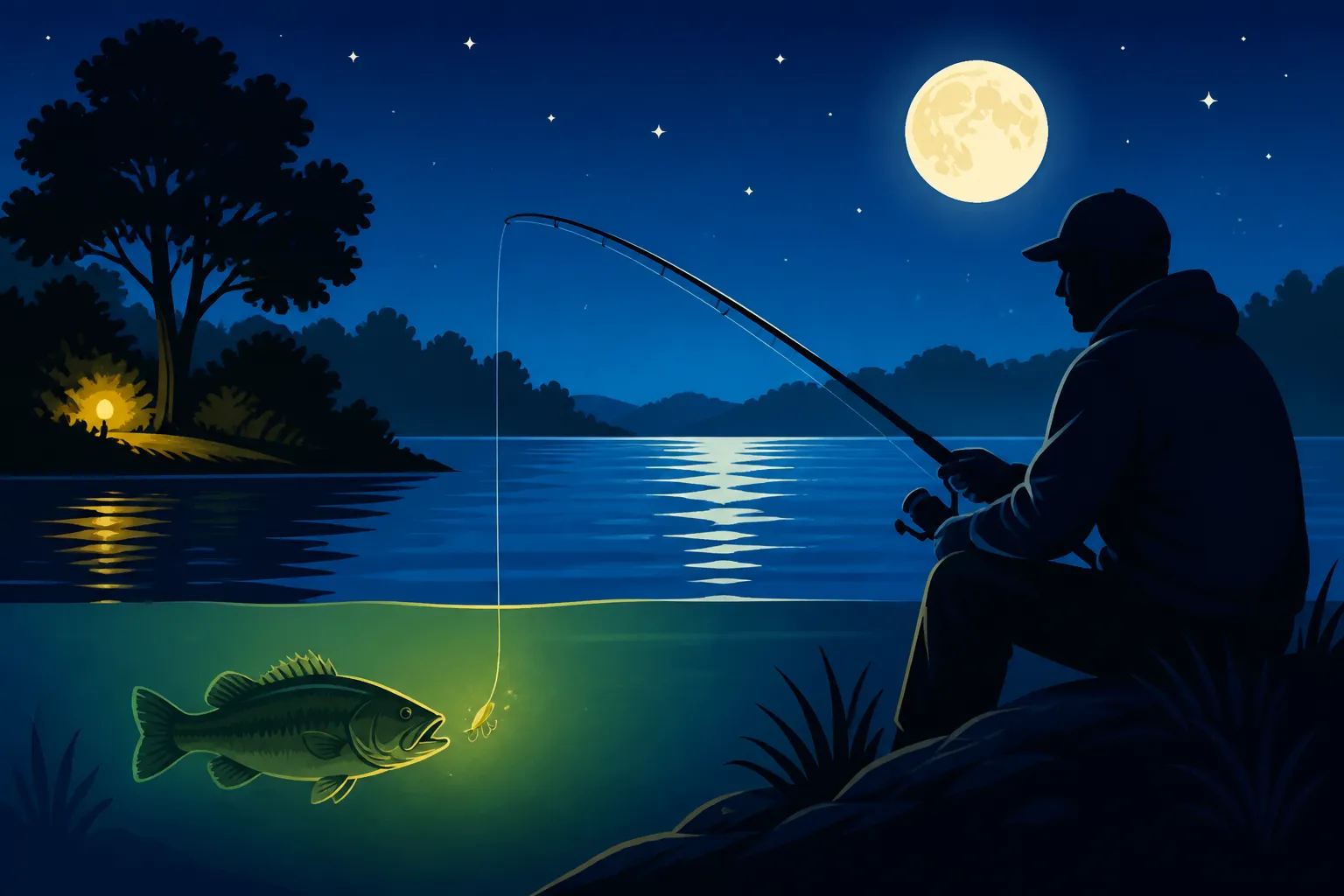
There's a unique charm to fishing under a blanket of stars, a quiet solitude that daytime angling simply can't offer. Beyond the peaceful atmosphere, night fishing opens up a whole new set of opportunities and challenges that can transform your experience on the water, whether you're a seasoned angler or just looking for a new thrill.
The Peaceful Escape from Crowds and Heat
Let's be honest, sometimes the biggest challenge to a relaxing day of fishing isn't the fish, but the sheer number of other people enjoying (or trying to enjoy) the same waters. Weekends, especially, can turn popular lakes into aquatic highways. The peace and quiet you crave can feel impossible to find. That's where night fishing shines. Once the sun goes down, the pleasure boats are docked, the jet skis are put away, and a hushed calm descends upon even the busiest lakes. It's just you, the water, and the sounds of the night.
Moreover, those brutal Indiana summer days can make fishing utterly miserable, not just for us but for the fish too. Scorching surface temperatures send many species deep into cooler waters or make them sluggish. Nighttime brings a welcome drop in air and water temperatures, making for a much more comfortable experience, both for you and for the fish. Imagine casting your line without breaking a sweat, feeling the cool evening breeze – it's a completely different world.
Different Fish Behavior After Dark
It’s not just about comfort; it’s about opportunity. Many of Indiana's most sought-after game fish, like walleye, crappie, and especially catfish, become significantly more active under the cloak of darkness. They often move from deeper, cooler daytime haunts into shallower waters to feed, taking advantage of the reduced light and predator vulnerability. This shift in behavior means that spots that were dead during the day might suddenly come alive at night.
Predatory fish rely heavily on their sight, but in low light, their other senses, like lateral line sensitivity to vibrations and an acute sense of smell, become paramount. This change in their hunting strategy means that certain baits and lures that are less effective during the day can become absolute dynamite at night. Understanding this nocturnal shift in behavior is key to unlocking some incredible fishing action that many anglers simply miss out on.
Unveiling Hidden Opportunities and Bigger Catches
The combination of fewer anglers, cooler temperatures, and more active fish often translates to better fishing success and, frequently, larger fish. Without the constant pressure from boats and other anglers, fish can be less skittish and more willing to bite. It's not uncommon for night anglers to report catching their personal bests after dark, especially for species like trophy catfish or large walleye. The element of surprise, the challenge of adapting your techniques to the low light, and the potential for a truly memorable catch all contribute to the allure of night fishing.
Think about it: while everyone else is sleeping, you're out there, connecting with nature in a profound way, and potentially reeling in the fish of a lifetime. It's a fantastic way to experience familiar lakes in a completely new light – or lack thereof! This unique experience also provides an excellent opportunity to explore new tactics and deepen your understanding of fish behavior.
Top Quiet Lakes for Night Fishing in Indiana
Indiana is blessed with a fantastic array of lakes, but for night fishing, you want those quieter gems that truly come alive when the sun sets. We're talking about places where the noise level drops, and the nocturnal bite truly kicks in. While many lakes offer some night fishing, these suggestions focus on places known for a good nighttime experience, away from the heaviest boat traffic, and with diverse species.
Central Indiana Gems for Nighttime Anglers
Central Indiana might be bustling, but it still holds some excellent, quieter options for night fishing. These lakes offer a convenient escape for many, without sacrificing the peaceful ambiance.
One standout is Eagle Creek Reservoir on the west side of Indianapolis. While it can get busy during the day, the evenings often calm down significantly. It's an excellent spot for catfish, with good populations of channel and flathead. You can find plenty of bank access, and those fishing from boats will appreciate the reduction in pleasure boat traffic after dark. Look for catfish near deeper channels and structure, especially where creeks feed into the reservoir. Anglers often do well with cut bait or stink baits fished on the bottom.
Another great option is Geist Reservoir northeast of Indianapolis. Known for its largemouth bass, Geist also offers good crappie and walleye fishing at night. While certain areas can be quite developed, there are quieter coves and stretches, particularly up the Fall Creek arm, that provide excellent night fishing opportunities. For crappie, target submerged brush piles or bridge pilings with small jigs under a light. Walleye can be found along main lake points and humps. Keep in mind that Geist has a good population of baitfish, so matching the hatch with smaller lures or minnows can be key. For those looking for guided night trips, you can even find local guides through platforms like FishingBooker who specialize in evening excursions on Geist.
Northern Indiana's Serene Waters
Northern Indiana, with its glacial lakes, offers some truly spectacular night fishing. These waters often have clearer conditions and diverse fish populations, making for exciting nocturnal adventures.
Lake Wawasee, Indiana's largest natural lake, might be known for its daytime activity, but it transforms at night. While the main lake can still see some evening boat traffic, the numerous channels, bays, and connected lakes like Syracuse Lake offer incredibly tranquil night fishing. This area is fantastic for walleye, crappie, and even the elusive muskellunge. For walleye, try trolling crankbaits over humps and along weed edges, or vertical jigging near structure. Crappie will often congregate under lights near docks or brush piles. Check out our guide on Lake Wawasee Crappie Fishing Spots for more specific locations.
Further north, the chain of lakes in Kosciusko County, like Lake Webster and Tippecanoe Lake, are phenomenal for night fishing, particularly for walleye and northern pike. These lakes often have clear water, which makes the low-light conditions even more advantageous for these predators. Walleye will aggressively hit stickbaits or jigs worked along breaks and drop-offs. For northern pike, larger spinnerbaits or noisy topwater lures can be exciting after dark. These lakes are also known for their muskie, which can be incredibly active at night, especially during cooler months. Be sure to check out our comprehensive guide to Best Walleye Fishing in Indiana for more tactics on these waters.
Southern Indiana's Hidden Nooks
Down in Southern Indiana, the landscape changes to rolling hills and large reservoirs, providing expansive waters that become wonderfully quiet at night, perfect for a peaceful fishing session.
Monroe Lake, Indiana's largest inland lake, is a prime example. Despite its size and popularity, it offers countless coves, points, and vast expanses that become incredibly peaceful after sunset. Monroe is a legendary bass lake, but it truly excels for catfish and crappie at night. You can find massive channel and flathead catfish in the creek arms and main channels, particularly around submerged timber. Crappie school up under lights near brush piles and standing timber. We even have a dedicated article on Night Fishing Spots on Monroe Lake, Indiana that dives deep into specific locations and strategies for this incredible fishery.
Patoka Lake is another jewel in Southern Indiana, famous for its excellent bass and crappie fishing, and equally impressive for night fishing. Its intricate shoreline, numerous coves, and submerged timber offer endless opportunities. Crappie fishing under lights around the many standing timber areas or deep brush piles can be exceptional, and the reservoir holds some true slab crappie. Catfish are also abundant, making it a dual threat for night anglers. For those targeting crappie, see our article on Best Crappie Lakes in Indiana for more information on Patoka and other great spots. For safety and the best experience, consider hiring a local guide who knows the lake inside and out for night trips; many can be found on platforms like FishingBooker.
Essential Gear for Safe and Successful Night Fishing
Night fishing isn't just daytime fishing in the dark; it requires a specific set of gear to ensure both your safety and your success. Being properly equipped means you can focus on the fishing and the tranquil experience, rather than fumbling in the dark or worrying about hazards.
Lighting Up Your Night
This might seem obvious, but proper lighting is paramount. You need hands-free illumination for tying knots, unhooking fish, and navigating, as well as ambient lighting for your immediate area.
- Headlamps: A reliable headlamp is your best friend. Look for one with adjustable brightness settings and, crucially, a red light option. Red light preserves your night vision much better than white light, which can be blinding when you look away from the beam. Brands like Black Diamond or Petzl offer excellent, durable options. Having a backup headlamp is also a very smart idea, just in case. Our guide to Best Headlamps for Night Fishing on Indiana Lakes provides more detailed recommendations.
- Boat Lights/Lanterns: If you're on a boat, ensure your navigation lights are fully functional and visible to comply with Indiana boating regulations. Beyond that, a portable LED lantern or a dedicated boat light with a white or green glow can be invaluable. These not only help illuminate your fishing area, allowing you to see your rod tips and tackle, but also attract baitfish and subsequently, game fish like crappie and walleye. Some anglers even use submersible lights dropped into the water to draw in fish. Make sure any additional lights don't interfere with your navigation light visibility.
- Flashlights: A powerful handheld flashlight is useful for scanning the shore, identifying distant markers, or spotting approaching hazards. Keep it easily accessible but use it sparingly to avoid spoiling your night vision.
Baits That Glow and Glimmer
Since fish rely more on senses other than sight at night, certain baits and lures become more effective.
- Scented Baits: For catfish, particularly, heavily scented baits are phenomenal. Cut bait (like shad, skipjack, or even hot dogs), chicken livers, and various prepared stink baits are irresistible after dark. For species like walleye and crappie, live bait such as minnows or nightcrawlers often outperforms artificials, as their natural scent and movement are highly attractive.
- Glow-in-the-Dark Lures: Jigs, spoons, and soft plastics that glow in the dark can be incredibly effective, especially in clearer waters. You "charge" them with a flashlight, and they emit a subtle glow that fish can key in on. This can be particularly deadly for walleye and crappie. Experiment with different colors and sizes; sometimes a subtle glow is all it takes to trigger a strike.
- Noisy Lures: Topwater lures with propellers or rattles, as well as lipless crankbaits, create vibrations and sound that can attract predatory fish like bass and pike in the dark. These sounds mimic distressed baitfish, drawing strikes from fish that are actively hunting by feel and sound.
Safety First Equipment
Safety should never be an afterthought, especially when you're on the water at night.
- Personal Flotation Devices (PFDs): Even if you're an experienced swimmer, wearing a PFD or having one readily accessible for every person on board is not just a good idea, it's often a legal requirement in Indiana. Our Indiana Boater Safety Gear Checklist provides full details on what you need. Inflatable PFDs are comfortable and often preferred by anglers.
- First Aid Kit: Accidents happen, and they can be more challenging to deal with in the dark. A well-stocked first aid kit with bandages, antiseptic wipes, pain relievers, and any personal medications is essential.
- Communication Device: A fully charged cell phone (in a waterproof case!) or a marine radio is vital for emergencies. Let someone know where you're going and when you expect to return. This "float plan" is a simple but critical safety measure.
- Navigation Tools: Even on familiar lakes, it's easy to get disoriented at night. A reliable GPS (either a dedicated unit or a phone app) and even a basic compass can be life-savers. Knowing your way around in the dark is crucial to avoid submerged hazards or running aground.
- Bug Spray: Don't forget the critters that come out at night! Good bug spray will make your experience much more enjoyable.
- Warm Clothing: Even on warm summer nights, temperatures can drop significantly on the water. Bring extra layers, a hat, and gloves to stay comfortable, especially if you plan to be out for several hours.
Techniques for Catching Fish After Dark
Successfully catching fish at night often means adjusting your approach from daytime strategies. While the fish are active, they're also using different senses, and your visibility is limited. Mastering these nocturnal tactics can lead to some incredible catches.
Targeting Catfish After Sunset
Catfish are arguably the kings of night fishing in Indiana, often moving into shallower feeding grounds and becoming incredibly aggressive.
- Bottom Fishing with Scent: This is the most popular and effective method. Use a slip sinker rig or a Carolina rig with a heavy enough weight to keep your bait on the bottom. The key is to use smelly baits like cut shad, chicken livers, shrimp, or commercial stink baits. Fan-cast several rods around your chosen spot, focusing on areas with current, drop-offs, or submerged structure. Allow the scent to disperse and attract the catfish. You'll often find them lurking in deeper holes adjacent to shallower flats where they come to feed. For more detailed strategies, check out our guide on How to Catch Catfish at Night.
- Jug Fishing and Trotlines: For a more passive approach, especially for larger flatheads, jug fishing or setting trotlines can be highly effective where legal. Jugs, often made from pool noodles or empty milk jugs, are baited and set adrift, allowing you to cover a larger area. Trotlines involve a main line with multiple baited hooks, anchored between two points. These methods are typically used for a longer set-and-wait period, allowing the strong scent of the bait to draw in hungry catfish. Always check local regulations for these methods before deploying them.
- Location, Location, Location: Look for areas where catfish might ambush prey. This includes the mouths of creeks, bends in rivers or channels, and points with current breaks. On lakes, focus on shallow flats adjacent to deep water, especially if there's an abundance of baitfish. When targeting flatheads, look for deep holes with heavy cover like timber or rock piles, and present live bait (like bluegill or shad) to these areas.
Crappie and Walleye Under the Moon
Crappie and walleye also become much more active after dark, offering exciting opportunities for anglers willing to adapt.
- Crappie Under Lights: This is a classic night fishing technique. Submersible green or white lights, or even powerful lanterns above the water, will attract zooplankton, which in turn attract baitfish, and then crappie. Position your boat or cast from shore where the light penetrates the water, ideally near brush piles, submerged trees, or dock pilings. Fish small jigs (1/32 to 1/8 ounce) tipped with minnows or soft plastic bodies directly under or around the light. Vary your depth until you find the fish. Spider rigging, where multiple rods are deployed from the boat, can also be very effective for crappie at night, allowing you to cover more water and depths.
- Walleye Jigging and Trolling: Walleye are known for their exceptional night vision, making them prime targets after sunset. They often move from deep water to shallower feeding flats, rocky points, and weed edges. Vertical jigging with glow-in-the-dark jigs tipped with minnows or plastics is a deadly technique, especially when you've located a school on your fish finder. For larger bodies of water, slow trolling crankbaits or stickbaits (like Rapalas or Berkley Flicker Shads) along these same structures can also be highly productive. Experiment with different depths and speeds. Our guide on How to Jig for Walleye at Night offers more in-depth advice.
- Focus on Structure and Transitions: Both crappie and walleye will relate heavily to structure and depth changes at night. Look for rock piles, humps, old roadbeds, and the edges of weed lines. Using your electronics to identify these features before dark is crucial. Once night falls, you can use subtle markers on shore or GPS waypoints to stay on target.
Bass in the Shadows
While not as universally targeted at night as catfish or walleye, bass can offer incredible action after dark, especially trophy largemouth.
- Noisy Topwater Lures: When the conditions are right (calm water, warm nights), bass will absolutely hammer topwater lures at night. Large, noisy baits like Jitterbugs, Zara Spooks, or buzzbaits that create a strong surface disturbance are excellent choices. Cast them near shallow cover, docks, or weed edges and work them slowly, allowing the fish to track the sound. The strikes can be explosive and heart-stopping!
- Dark-Colored Jigs and Worms: In slightly deeper water or around heavier cover, dark-colored jigs with bulky trailers or large plastic worms can be very effective. Black and blue are classic night colors. The silhouette of a dark lure is often more visible against the night sky, and the bulk provides a bigger target. Fish these slowly and deliberately, relying on feel for strikes, which can often be subtle taps or a feeling of "mush" on your line.
- Fishing Docks and Lights: Bass will often patrol under dock lights, waiting to ambush baitfish attracted to the illumination. Casting soft plastics, small swimbaits, or even dark jigs into the shadows just outside the light can be very productive. Similarly, fishing the dark sides of boat docks or seawalls can yield big bass that are hiding in ambush. Remember, sometimes the biggest fish are just outside the brightest spots, using the low light to their advantage. You can even find specific recommendations for your region by using platforms like FishingBooker to connect with local guides who specialize in bass fishing.
Safety Considerations for Indiana Night Anglers
Night fishing is an incredibly rewarding experience, but it comes with inherent risks. Being prepared and cautious is key to a safe and enjoyable outing. The Indiana Department of Natural Resources (IDNR) emphasizes safety for all boaters and anglers, especially after dark.
Navigating in Darkness
The most significant challenge of night fishing is limited visibility. What looks clear during the day can become a minefield of unseen hazards at night.
- Pre-Scouting is Crucial: Never venture onto an unfamiliar lake at night. If you're going to a new spot, spend some time exploring it during daylight hours. Pay attention to submerged hazards like stumps, rock piles, shallow bars, and channel markers. Use your GPS to mark safe passages and potential dangers. Even on familiar waters, conditions can change, so always proceed with caution.
- Slow and Steady Wins the Race: If you're in a boat, operate at a significantly reduced speed. This gives you more time to react to anything unexpected. The glare from your boat lights can sometimes make it harder to see, so don't rely solely on them. Always have a powerful handheld spotlight ready to sweep the area ahead of your boat if you need to travel any distance.
- Understanding Buoys and Markers: Familiarize yourself with navigation aids. Red and green channel markers, buoys indicating hazards, and other navigational signs are still there at night, but they can be harder to spot. Remember that red signifies "right returning," meaning red buoys should be on your right when returning from sea (or heading upstream on a river/channel). Green indicates the opposite. It's easy to get disoriented, so double-check your position frequently with GPS.
Wildlife Encounters
While the thought of wildlife encounters might add a touch of adventure, it's essential to be aware and respectful of the creatures sharing the night.
- Nocturnal Animals: Indiana lakes are home to a variety of nocturnal animals. Raccoons, deer, coyotes, and various birds are active after dark. While most will keep their distance, be aware of your surroundings, especially if you're fishing from shore. Keep food sealed and trash secured to avoid attracting unwanted attention. In rare cases, larger mammals like deer might wander close to the water's edge.
- Snakes and Insects: Snakes, particularly water snakes, can be active near the shoreline at night. Always watch where you step and reach. Wear closed-toe shoes or boots. And of course, mosquitoes, gnats, and other biting insects are prevalent on warm Indiana nights. Ample bug spray is a must, and long sleeves and pants can provide additional protection.
- Respecting Their Space: Remember that you are a visitor in their habitat. Avoid shining bright lights directly at wildlife for extended periods, as it can disrupt their natural behaviors. Give them space and enjoy their presence from a respectful distance.
Unexpected Weather Changes
Indiana weather can be notoriously unpredictable, and a sudden storm or cold front is far more dangerous at night.
- Check the Forecast Religiously: Before heading out, thoroughly check the weather forecast. Look not just for rain, but for wind speed and direction, temperature drops, and any severe weather alerts. A calm evening can turn into a windy, choppy nightmare surprisingly quickly.
- Equip for All Conditions: Even if the forecast is clear, bring appropriate gear for sudden changes. This means rain gear, extra layers of warm clothing, and perhaps even a spare set of dry clothes in a waterproof bag. It's always better to be overprepared than caught off guard by a sudden cold snap or downpour.
- Know Your Escape Routes: Be aware of the closest safe harbor or shore access points in case the weather turns. If you're in a boat, know where you can quickly get off the water. If you're fishing from a remote bank, know your path back to your vehicle. A sudden thunderstorm with lightning is incredibly dangerous on open water, so be ready to pack up and head for safety at the first sign of trouble. This kind of situational awareness is vital for night fishing, and it’s something any experienced guide on FishingBooker will emphasize before an evening trip.
A Comparative Look at Night Fishing Targets
To help you decide what to target on your next night fishing adventure, here's a quick comparison of some popular species and their typical behavior and preferred baits after dark.
| Species | Night Activity Level | Preferred Habitat at Night | Recommended Baits/Lures | Key Night Fishing Tip |
|---|---|---|---|---|
| Catfish | Very High | Shallow flats, creek mouths, deep channels, submerged timber | Cut bait, chicken liver, stink bait, live minnows (for flatheads) | Fish multiple rods with strong-scented bait on the bottom. |
| Walleye | High | Shallow points, rocky humps, weed edges, main lake structures | Glow jigs, stickbaits, crankbaits, live minnows, nightcrawlers | Locate schools on electronics before dark, then vertical jig or troll slowly. |
| Crappie | High | Brush piles, dock lights, standing timber, submerged structure | Small jigs (tipped with minnows/plastics), live minnows | Use submersible lights to attract baitfish, then fish jigs directly in the light. |
| Largemouth Bass | Moderate to High | Shallow cover, docks, weed lines, topwater | Noisy topwater lures, dark jigs, large plastic worms, swimbaits | Target shallow ambush points, use noisy lures on calm nights. |
| Northern Pike/Muskie | Moderate to High | Weed edges, main lake points, shallow feeding flats | Large spinnerbaits, noisy topwater, large minnows/suckers | Focus on areas with abundant baitfish; use strong tackle and wire leaders. |
This table should give you a good starting point for planning your night fishing targets. Remember that local conditions, time of year, and even moon phase can influence fish activity.
Planning Your Night Fishing Adventure
Now that you're armed with knowledge about the best spots, essential gear, and effective techniques, it's time to put your plan into action. A well-organized night fishing trip is a safe and successful one.
Timing Your Trip for Success
Just like daytime fishing, timing is everything. The best time for night fishing often varies by species and season.
- Seasonal Considerations: Summer is arguably the most popular time for night fishing in Indiana due to warmer air and water temperatures, making it more comfortable. However, don't overlook spring and fall. Spring nights can be excellent for crappie and walleye as they move into shallower spawning areas. Fall nights, especially after a cold front has pushed fish deeper during the day, can be prime for aggressive feeding, particularly for walleye, bass, and even muskie as they bulk up for winter. Consider checking Water Temperature and Fish Feeding Patterns to understand how different temperatures affect nocturnal behavior.
- Moon Phase and Weather: Many anglers swear by moon phases for night fishing. A full moon can provide more ambient light, making it easier to see, but some believe fish are more active during darker new moon phases when their predatory advantage is heightened. Experiment to see what works best for you on your chosen lake. As always, avoid stormy nights; safety trumps all else. A calm, overcast night after a warm day can often be ideal.
- The "Magic Hour" After Dark: Often, the most productive time for night fishing is right after sunset, as the light fades into darkness, and then again just before dawn. These crepuscular periods are when many fish species are most active, transitioning from their daytime resting patterns to nighttime feeding.
Respecting the Environment and Fellow Anglers
Even though night fishing offers solitude, it's important to remember you're still sharing the resource.
- Leave No Trace: Always practice Leave No Trace principles. Pack out everything you pack in, including fishing line, bait containers, and any other trash. Keep your chosen spot as pristine as you found it, or better.
- Mind Your Noise: The quiet of the night is part of its charm. Keep voices down, avoid loud music, and operate boat motors gently. Excessive noise can disturb wildlife and other anglers who are seeking that peaceful experience.
- Know the Rules: Before you head out, always double-check the latest Indiana Fishing Regulations and Bag Limits Guide. Specific lakes might have unique rules, especially concerning night fishing or certain species. You'll also need to ensure your Indiana Fishing License Requirements Explained are up to date. Remember, the Indiana fishing license year runs from April 1st to March 31st, so make sure you have the current year's license!
Night fishing on Indiana's quiet lakes offers a truly unique and rewarding experience. It's a chance to escape the hustle and bustle, connect with nature in a profound way, and often, catch some incredible fish. With the right preparation, gear, and techniques, you'll discover a whole new side to Indiana's fantastic fisheries. Tight lines, and may your nights be filled with peaceful casts and powerful bites!
Disclaimer
The information provided in this guide is for general informational purposes only and should not be considered legal advice. Fishing regulations, safety guidelines, and local conditions can change. Always consult the official Indiana Department of Natural Resources (IDNR) website for the most current rules and regulations before any fishing trip. Exercise extreme caution and prioritize safety whenever you are on or near the water, especially at night.