Kids Fishing License Age Cutoff
Trying to figure out all the fishing license rules in Indiana can feel like trying to untangle a particularly stubborn fishing line, especially when you're planning a trip with kids. It's confusing to know exactly when your little ones need their own license and when they can just cast away without a worry. This comprehensive guide will clear up all that confusion, detailing Indiana's fishing license age cutoff for kids, exploring special exemptions, and offering practical advice for making family fishing trips stress-free and fun.
The Core Rule: What Age Do Kids Need a License in Indiana?
One of the most common questions new parents or grandparents get when planning a fishing trip to Indiana is, "Does my kid need a fishing license?" It's a valid concern because nobody wants to get a fine, especially when you're just trying to introduce the next generation to the joys of the outdoors. The great news is, Indiana makes it incredibly simple for young anglers to get started, and in most cases, they don't need a license at all for quite a while.
Understanding Indiana's Under-18 Rule
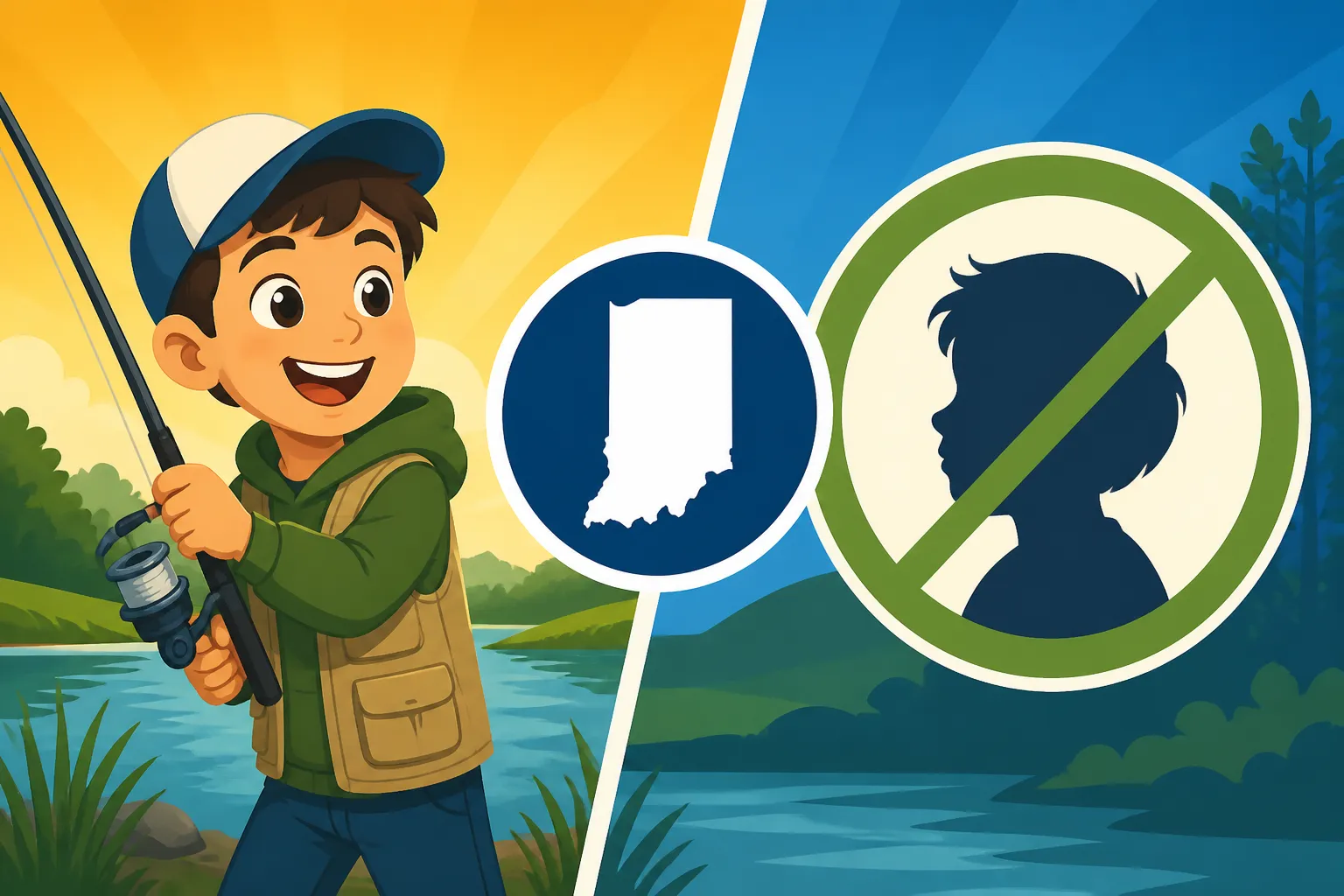
Here’s the straight answer that will save you a lot of headache: In Indiana, residents and nonresidents alike do not need a fishing license until they turn 18 years old. That's right, if your child, grandchild, niece, or nephew is 17 or younger, they can fish Indiana's waters to their heart's content without a state-issued license. This rule applies across the board, whether you're fishing a local pond, a sprawling reservoir like Monroe Lake, or even a mighty river like the Wabash. The Department of Natural Resources (DNR) designed this rule to encourage youth participation in outdoor activities, removing a potential barrier for families. This is truly a fantastic benefit for families, ensuring that the cost of a license doesn't prevent a kid from experiencing the thrill of a first catch. Many states have different age cutoffs, sometimes as low as 16, so Indiana's approach is quite generous and angler-friendly for the younger crowd. You can find more details on How Indiana Kids Qualify for a Free Fishing License.
The Logic Behind the Age Limit
You might wonder why Indiana picked 18 as the magic number. It aligns with the legal age of adulthood in the state, meaning that once a person turns 18, they are generally considered responsible for their own legal obligations, including purchasing permits and licenses. Before that, the state extends a kind of grace period, fostering a love for fishing without the bureaucratic hurdle. This policy encourages parents and guardians to introduce fishing as a hobby without having to factor in additional costs or paperwork for their children. Imagine planning a summer vacation around some of Indiana's Best Lakes for Fishing. If you have three kids under 18, you're saving a significant amount by not having to buy them individual licenses, letting you put that money towards better bait, tackle, or even a new fishing pole from a place like Amazon. It's a thoughtful way to invest in the future of fishing by making it accessible to young people. This also simplifies things immensely for parents who might already be juggling work, school, and other activities. No extra trip to a sporting goods store or clicking through government websites for a child's license!
Why This Age Cutoff Matters for Families
Knowing the age cutoff isn't just a fun fact; it's genuinely impactful for families. It influences everything from your fishing budget to how you plan your outings and even the kind of gear you might invest in. When you realize that your kids can fish for free, it opens up a world of possibilities for nurturing their interest in the sport without financial strain.
Budgeting for Family Fishing Trips
Let's be honest, fishing can sometimes be an expensive hobby. Between gas for the boat, bait, tackle, snacks, and licenses, the costs can add up quickly. Indiana's rule that Kids Fish Free Until Age 18 in Indiana is a huge financial relief for families. Consider a scenario where you're planning a weekend trip to Patoka Lake, famous for its bass and crappie. If you had to buy annual licenses for two adults and two kids (say, ages 12 and 15), that could be an extra chunk of change. With Indiana's rule, you only need licenses for the adults, freeing up those funds for other necessities or even a nicer lunch by the lake. This makes fishing a much more accessible pastime for families across various income levels. Think about it: instead of spending money on youth licenses, you could invest in quality, kid-friendly fishing rods and reels that will last for years, or even a small tackle box filled with colorful bobbers and safe hooks bought from Amazon. This encourages participation, which is ultimately what the state wants – more anglers enjoying Indiana’s natural beauty.
| Age Group | Indiana Fishing License Requirement |
|---|---|
| Under 18 (Resident) | No License Required |
| Under 18 (Nonresident) | No License Required |
| 18 and Over (Resident) | License Required |
| 18 and Over (Nonresident) | License Required |
| Senior (65+ Resident) | Discounted options available |
Note: A Trout and Salmon Stamp may be required for specific species, regardless of age, but usually only when keeping them, and often alongside a primary license for adults. For kids, this is rarely an issue.
Planning Your Fishing Outings
The age cutoff also simplifies the planning process. There's no need to double-check birth dates or scramble to purchase an online license right before a trip when it comes to the kids. You can just pack the gear and go! This is especially helpful for spontaneous trips to local ponds or last-minute weekend getaways. Imagine waking up on a beautiful Saturday morning, and deciding, "Let's go fishing!" With kids under 18, the only license you need to worry about is your own (if you're 18 or older). This spontaneity can really enhance the family fishing experience, making it less of a logistical headache and more about enjoying quality time together outdoors. It also removes the stress for anyone wondering What Age Do You Need a Fishing License? and getting it wrong. This flexibility is a huge bonus, especially when you're trying to introduce kids to the outdoors, where plans can change rapidly based on weather, attention spans, or sudden desires for ice cream.
Exceptions and Free Fishing Opportunities
While the under-18 rule covers the vast majority of situations, it's always good to be aware of any exceptions or special opportunities that can make fishing even more accessible and enjoyable for your family. Indiana is quite generous with its free fishing days, which is another fantastic perk for residents and visitors alike.
Embracing Indiana's Free Fishing Days
Beyond the ongoing exemption for those under 18, Indiana also hosts several designated Free Fishing Days throughout the year. On these special days, everyone, regardless of age or residency, can fish Indiana's public waters without needing a fishing license. This is an incredible opportunity for adults who might not fish regularly, or for non-resident adults accompanying children, to join in the fun without the cost of a license. Typically, these days occur in May, June, and September. For instance, in 2026, there are Indiana Free Fishing Days: May, June, and September Dates, usually including a specific day in May and a weekend in June, along with another day in September. This means even if your child is turning 18 soon, or if an adult friend wants to tag along, they can do so license-free on these specific dates. It's a perfect chance to try out new fishing spots, experiment with different techniques, or simply enjoy a day on the water with zero financial commitment for a license. Just remember to check the exact dates each year, as they can shift slightly. This is also a fantastic time to answer the question, Can You Fish Without a License on Free Fishing Days?, which is a resounding yes!
Special Exemptions and Permits
While generally straightforward, there are a few niche scenarios that might warrant a closer look, though they typically don't apply to the average family fishing trip with young children. For instance, specific events or state-sponsored fishing clinics might have their own permit structures, but these are usually well-advertised and designed to encourage participation. The core takeaway remains: for almost all recreational fishing activities, if your child is under 18, they are good to go without a standard fishing license. The state's focus is truly on removing barriers for youth. If you're ever in doubt about a specific location or event, a quick check on the Indiana DNR website is always the best course of action. However, for a typical day out with the kids to a popular spot like a local city park pond or even a designated public access point on a larger lake, you won't have to worry about their license.
Practical Advice for Taking Kids Fishing
Beyond just the license requirements, there's a lot you can do to ensure that fishing with kids is a positive and memorable experience. It's not just about catching fish; it's about fostering a love for nature, teaching patience, and creating lasting memories.
Essential Gear for Young Anglers
When it comes to gear for kids, simplicity and durability are key. You don't need to break the bank on high-end equipment, especially for beginners. A basic spinning rod and reel combo that's easy for small hands to operate is ideal. Look for shorter rods (around 4-5 feet) with a comfortable grip. Many sporting goods stores, or online retailers like Amazon, offer affordable "kid combos" that come pre-spooled with line.
Here’s a simple gear checklist for kids:
- Rod and Reel Combo: Lightweight, easy to cast.
- Bobbers: Essential for visual cues and excitement when a fish bites.
- Hooks: Small, barbless hooks are safer and easier to remove from fish (and little fingers).
- Weights (Sinkers): Small split-shot weights to get the bait down.
- Bait: Worms are always a classic and effective choice. Corn, hot dogs, or small pieces of bread can also work for panfish.
- Pail or Cooler: For keeping bait fresh or, if you're keeping fish, for your catch.
- Pliers/Forceps: For easy hook removal.
- Sunscreen and Hat: Crucial for protection on sunny days.
- Bug Spray: Don't let mosquitoes ruin the fun!
- Snacks and Drinks: Keep energy levels up!
- First-Aid Kit: Small cuts and scrapes happen.
Remember that a specialized license like the Indiana Trout and Salmon Stamp Requirements typically only comes into play if you're targeting those specific species and are over 18. For kids under 18, the "no license" rule generally still applies even for these species, though always double-check the latest regulations if you plan to keep certain types of fish.
Making the Experience Enjoyable and Educational
The most important thing to remember when fishing with kids is that it's not about the catch count; it's about the experience. Keep it fun and low-pressure. If they're not catching fish, teach them about the environment, identify birds, or look for insects. Pack plenty of snacks, tell stories, and celebrate every little success, even if it's just casting without a tangle.
Teaching them the basics of conservation is also vital. Emphasize catch and release, how to handle fish gently, and always to pack out what you pack in. Showing them how to properly release a fish helps instill a sense of respect for nature. You can also use the opportunity to talk about the different types of fish they might encounter, like Bluegill and Panfish: A Great Starter Fish for Kids in Indiana or even explain How Many Fish Species Live in Indiana Waters?. Patience is key for both you and the kids. Fishing teaches valuable life lessons, and an early, positive experience can foster a lifelong passion for the outdoors. Taking them to family-friendly spots with easy access and good opportunities for panfish, like some of the smaller lakes or designated fishing piers in state parks, can dramatically increase their chances of success and enjoyment. Consider picking up a simple fishing guide book or a fun nature identification book for kids from Amazon to make the downtime on the water more engaging.
Ultimately, Indiana's clear and generous policy regarding fishing licenses for kids means one less thing for parents to worry about. Focus on the joy of the outing, the beauty of Indiana's waterways, and the priceless memories you're making with your young anglers. Just make sure you, the adult, have your current Indiana Fishing License Requirements Explained sorted, ideally renewed before Indiana Anglers Need a New License Every April 1!
Disclaimer
The information provided in this guide is for general informational purposes only and does not constitute legal advice. Fishing regulations can change, and it is always the angler's responsibility to check the latest rules and regulations from the Indiana Department of Natural Resources (DNR) before fishing.