Do Tournament Anglers Need a Special License in Indiana?
For many passionate anglers, the thought of competing in a fishing tournament brings a surge of adrenaline, but it also often brings a nagging question: "Do I need some kind of special license to participate?" It’s a completely valid concern, especially with fishing regulations sometimes feeling like a maze. No one wants to get caught off guard with a fine when they're simply trying to enjoy their sport. This comprehensive guide is here to untangle the confusion, explaining exactly what fishing licenses tournament anglers need in the Hoosier State to stay on the right side of the law and keep their focus squarely on the thrill of the competition.
Tournament Anglers and Indiana's Fishing Licenses: The Core Answer
Let's get right to the heart of the matter because this is where a lot of the anxiety lies. The good news for most tournament anglers in Indiana is that you generally do not need a "special" or "tournament-specific" license. The Indiana Department of Natural Resources (DNR) simplifies things for individual participants by treating tournament fishing largely the same as any other type of recreational fishing, at least when it comes to personal licensing.
Standard Annual Fishing License Requirements for Tournaments
If you're an individual angler participating in a bass tournament on Monroe Lake, a crappie derby on Patoka Lake, or even a smaller local event, your standard Indiana fishing license is almost always what you need. This means if you're an Indiana resident, your Indiana Resident Annual Fishing License Cost is usually all that's required. For our friends visiting from out of state, a Indiana Nonresident Annual Fishing License Cost or one of the shorter-term options, like a nonresident 1-day or 7-day license, will suffice. These licenses permit you to fish the public waters of Indiana, catch various species, and, crucially, participate in organized competitive events. The key is that the license simply grants you the legal right to fish, regardless of whether you're doing it for fun, food, or prize money. It's truly about giving you access to the waterways and managing the state's natural resources, not about regulating the competitive aspect of your hobby directly. Many anglers make sure their licenses are up-to-date well in advance of the tournament season, often checking off that box when stocking up on new gear, perhaps even browsing for tackle on Amazon.
Special Considerations for Tournament Organizers
While individual anglers typically don't need a special tournament license, it's important to understand that tournament organizers might have specific responsibilities and permits to obtain from the Indiana DNR. For instance, large-scale events, those involving significant prize money, or tournaments that require exclusive use of public facilities (like boat ramps or weigh-in stations at a state park) often necessitate a permit. These permits aren't about the individual's right to fish but rather about the management of public resources, ensuring safety, regulating environmental impact, and sometimes coordinating with law enforcement or conservation officers. Organizers also play a critical role in communicating specific rules, which often include reminding participants of general Indiana Fishing License Requirements Explained. They'll ensure anglers know about catch-and-release protocols, designated weigh-in times, and any unique rules for the specific body of water. So, while you, the angler, are generally covered by your personal license, the tournament itself operates under a separate layer of organization and regulation designed to protect both the participants and the fishery.
Navigating Indiana's General Fishing License Structure
To fully grasp why a "special tournament license" isn't a thing for individual anglers, it helps to understand the broader landscape of how Indiana structures its fishing licenses. The system is designed to be relatively straightforward, ensuring everyone who fishes contributes to conservation efforts through license fees.
Resident and Nonresident License Options
Indiana offers several categories of fishing licenses to accommodate both its permanent residents and those who come to visit and enjoy its diverse waterways. For residents, the annual license is the most common and cost-effective option for anyone planning to fish regularly throughout the year. It runs on a fiscal year, from April 1st to March 31st of the following year, which is important to remember when planning your purchases, especially for early-season tournaments. Nonresidents have more flexible options tailored to shorter visits. You can purchase a Indiana Nonresident Annual Fishing License Cost if you plan multiple trips or an extended stay. However, if you're just popping into the state for a weekend tournament, a nonresident 1-day fishing license or a nonresident 7-day fishing license might be a much more practical and budget-friendly choice. These shorter-term licenses are perfect for out-of-state tournament participants, ensuring they're legal for the duration of their competitive event without committing to a full year. You can generally purchase these licenses easily online, sometimes even from your phone before you hit the water after checking out a new tackle box on Amazon. For specific details on getting your license, check out our guide on How to Get an Indiana Fishing License.
The Importance of Additional Stamps: Trout and Salmon
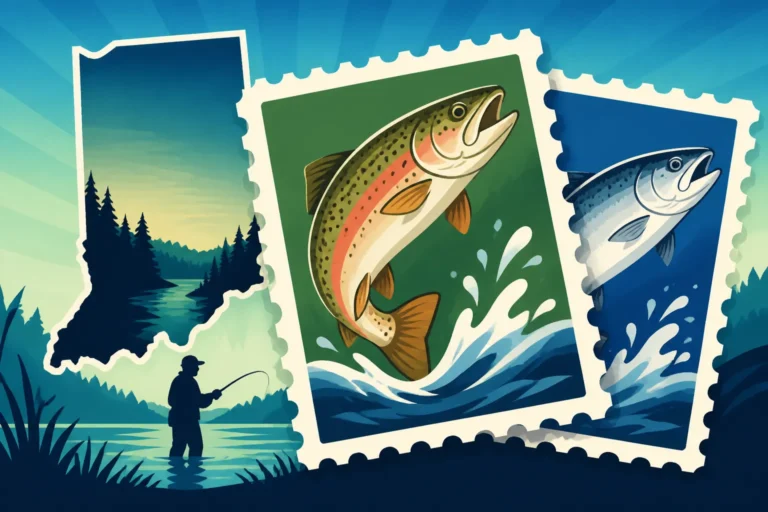
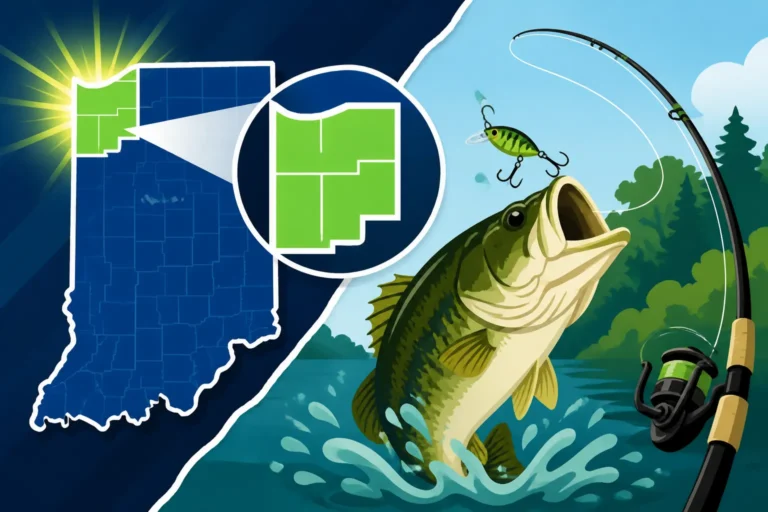
While your general fishing license covers most species found in Indiana's lakes and rivers, there's one significant exception that tournament anglers, especially those targeting specific cold-water species, absolutely need to be aware of: the Trout and Salmon Stamp. If your tournament takes place on Lake Michigan, or on any designated trout and salmon streams (such as portions of the St. Joseph River, Clear Lake, or Curtis Creek), and you plan to target, catch, or even possess trout or salmon, you must have this additional stamp. This isn't optional; it's a critical component of the state's efforts to manage these specific fisheries, which often require extensive stocking and habitat protection. For instance, if you're participating in a steelhead tournament on a Lake Michigan tributary during the fall run, your standard license isn't enough; that stamp is absolutely mandatory. It's often an inexpensive addition, but overlooking it can lead to frustrating Penalties and Fines for Fishing Without a License, even if you have your base license. Make sure to review the Indiana Trout and Salmon Stamp Requirements if your tournament species or location falls into this category.
Dispelling Myths and Clarifying Common Concerns
It's natural for rumors and misunderstandings to circulate, especially when it comes to regulations that affect a popular pastime like fishing. Tournament fishing, with its added layer of competition, is no exception. Let's tackle some of these head-on.
The Myth of a Separate "Tournament Permit" for Individual Anglers
This is perhaps the most common misconception. Many anglers, especially those new to the tournament scene or visiting from other states, wonder if they need some exclusive "tournament angler permit" from the Indiana DNR. I want to reassure you: such a permit for individual anglers simply does not exist in Indiana. Your standard, valid fishing license (and the Trout/Salmon Stamp if applicable) is what allows you to fish, whether you're leisurely casting from a pier or intensely competing for the biggest bass. The state's licensing system is designed to be comprehensive yet accessible, and it doesn't create separate legal categories for different motivations behind fishing. The DNR's focus is on managing the fishery and ensuring all participants are licensed, not on the nature of their fishing activity (recreational vs. competitive) for individual permits. This simplicity is actually a benefit, reducing bureaucratic hurdles and allowing more anglers to participate in tournaments without extra paperwork specific to the competition itself.
Reciprocity and Tournament Fishing on Border Waters
Things can get a little tricky when a fishing tournament is held on waters that form a boundary between Indiana and a neighboring state. States often have reciprocity agreements that allow anglers licensed in one state to fish certain shared waters without needing a second license. However, these agreements vary widely and are not universal.
For example, on the Ohio River, which borders Indiana and Kentucky, you generally need a license from either Indiana or Kentucky to fish the main stem of the river. This means if a tournament is exclusively on the Ohio River, an Indiana license might cover you, even if you drift close to the Kentucky side. However, if the tournament extends into a tributary that is solely within Kentucky, then a Kentucky license would be required. The rules get even more complex when you consider other borders. When fishing Lake Michigan Fishing Rules for Indiana Anglers, you might be covered by your Indiana license, but if your tournament takes you into Michigan waters, you'd need a Michigan license. The same logic applies to other border states: you'll need to understand Indiana Fishing License Reciprocity With Ohio, Indiana Fishing License Reciprocity With Michigan, and Indiana Fishing License Reciprocity With Illinois and Kentucky specifically. Always double-check with the tournament organizers and the DNR for the most accurate information regarding border waters, as regulations can sometimes be nuanced and change. It's much better to be over-prepared than to find yourself in a bind during a competition.
Essential Steps for Tournament Anglers to Ensure Compliance
You've got your gear, your boat is prepped, and you're ready to hit the water. But before that first cast in a tournament, taking a few proactive steps can save you a lot of headache and ensure your focus remains on catching fish, not worrying about regulations.
Always Review Tournament Rules and Regulations Carefully
This might sound obvious, but it's often overlooked in the excitement of signing up. Every organized fishing tournament, regardless of its size or species focus, will have a set of specific rules and regulations. While these rules primarily cover things like weigh-in procedures, eligible baits, and safety protocols, they will also specify the necessary fishing license requirements. Tournament directors are typically very clear about what licenses are acceptable. They'll often explicitly state that a valid state fishing license (and any required stamps) is mandatory. It's your responsibility as a participant to read these rules thoroughly. If a rule specifies a particular type of license or stamp, adhere to it. For instance, some tournaments might have specific rules for youth anglers or senior participants that differ from general state law, although usually, state law is the overarching requirement. Don't rely solely on word-of-mouth; always get your information from the official tournament documentation. This diligence is part of being a responsible and respected competitor in the angling community. Many tournament rules are available digitally, often shared through email or posted on event pages, making them easy to access, perhaps even on your phone as you scroll through Amazon for new lures.
When in Doubt, Consult the Indiana Department of Natural Resources (DNR)
When it comes to fishing regulations, the Indiana DNR is the ultimate authority. If you've read the tournament rules, checked your current license, and still have a lingering question or a unique situation, the DNR is your best resource. Their website is a treasure trove of information, clearly outlining all Indiana Fishing License Requirements Explained and regulations by species, waterbody, and season. You can usually find a direct contact number for their customer service or law enforcement division. A quick phone call or email can provide you with definitive answers, directly from the source. It’s far better to spend a few minutes verifying information than to risk a citation, which could not only result in a fine but also potential disqualification from your tournament. You can even find information on Buying a Fishing License Online in Indiana directly from their site, ensuring you get the correct and up-to-date documentation. Being proactive and informed is key to a stress-free and successful tournament experience.
Here’s a quick overview of license types and how they typically apply to tournament fishing in Indiana:
| License Type | Resident Annual Fishing License | Nonresident Annual Fishing License | Nonresident 1-Day/7-Day Fishing License | Trout/Salmon Stamp (Additional) |
|---|---|---|---|---|
| Applicability for Tournaments | Generally sufficient for all species (unless targeting trout/salmon) | Generally sufficient for all species (unless targeting trout/salmon) | Good for shorter tournament trips (unless targeting trout/salmon) | Required if targeting or possessing trout/salmon in applicable waters (e.g., Lake Michigan or designated trout streams) |
| Covers Most Species | Yes | Yes | Yes | No (requires base license to be valid) |
| Lake Michigan Tournaments | Yes, but often needs Trout/Salmon Stamp | Yes, but often needs Trout/Salmon Stamp | Yes, but often needs Trout/Salmon Stamp | Yes (in addition to base license) |
| Tournament-Specific Permit | Not required for individual angler | Not required for individual angler | Not required for individual angler | Not required for individual angler |
| Where to Purchase | Indiana DNR website, approved vendors | Indiana DNR website, approved vendors | Indiana DNR website, approved vendors | Indiana DNR website, approved vendors |
Disclaimer
Please remember that fishing regulations can change. While this guide provides comprehensive and up-to-date information at the time of publication, it is always your responsibility to verify current regulations directly with the Indiana Department of Natural Resources (DNR) before fishing. This content is for informational purposes only and does not constitute legal advice.