Check Lake Michigan Fishing Rules Before You Cast
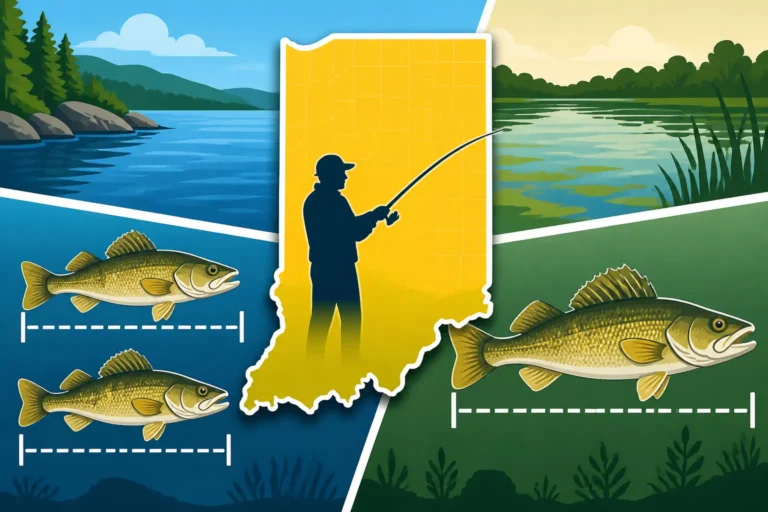
It’s easy to assume all Indiana fishing rules are the same, no matter where you cast your line. But if you’re heading to the big waters of Lake Michigan, you’d be making a costly mistake. The rules there are significantly different, and ignoring them can lead to serious fines and a ruined day on the water. This comprehensive guide will help you navigate the unique regulations for Lake Michigan in Indiana, ensuring your fishing trip is both legal and enjoyable.
Why Lake Michigan Regulations Stand Apart
Anglers often wonder why Lake Michigan has its own set of fishing regulations. It seems counterintuitive when you consider that a body of water technically falls within a state's borders, yet operates under different rules than the inland lakes and rivers. The truth is, Lake Michigan is a vast, interconnected ecosystem, and its management requires a cooperative approach that extends beyond any single state's typical inland regulations.
The Interstate and International Nature of Lake Michigan
Lake Michigan isn't just an Indiana lake; it’s shared by four states: Indiana, Illinois, Michigan, and Wisconsin. Furthermore, it's part of the larger Great Lakes system, which includes international agreements and considerations with Canada. Because fish species like Chinook salmon, Coho salmon, steelhead, and lake trout migrate across these state and international boundaries, a patchwork of conflicting rules would be a nightmare for both anglers and conservation efforts. Imagine trying to manage a salmon population if each state had wildly different length limits or harvest quotas!
This unique dynamic means that the Indiana Department of Natural Resources (DNR) works closely with its counterparts in neighboring states and federal agencies to establish harmonious regulations. The goal is to ensure sustainable fish populations across the entire lake, rather than just within Indiana's small portion of it. This cooperative management often leads to rules that are distinct from what you’d find on, say, Monroe Lake or Patoka Lake, where fish populations are much more localized and managed solely by Indiana. Understanding this fundamental difference is the first step to becoming a compliant and effective Lake Michigan angler.
Protecting Unique Fisheries and Migratory Species
Another critical reason for specialized Lake Michigan rules is the distinct type of fishery it supports. Inland Indiana lakes are primarily warm-water fisheries, dominated by species like largemouth bass, bluegill, and crappie. Lake Michigan, however, is a cold-water fishery, famous for its salmon and trout species, many of which are stocked and managed through a collaborative effort. These fish have different life cycles, growth rates, and migratory patterns than their warm-water cousins.
For instance, the seasonal salmon and steelhead runs, where these powerful fish migrate into tributary streams to spawn, are a phenomenon unique to the Great Lakes. Special regulations are often put in place to protect these fish during vulnerable periods or to ensure that a sufficient number can return to reproduce, either naturally or through hatchery operations. Indiana's Lake Michigan Fishery: Species You Can't Catch Anywhere Else provides more insight into the diverse and distinctive fish populations you'll encounter here. These rules might cover everything from tackle restrictions during certain seasons to specific bag limits designed to prevent overharvesting of a particular year class. It’s all about maintaining that delicate balance for such a valuable and popular fishery.
Key Regulations to Master for Lake Michigan
When you're preparing for a fishing trip on Lake Michigan from an Indiana port, you absolutely cannot rely on your general knowledge of statewide fishing regulations. The rules for species, length limits, and bag limits are often drastically different. It’s not just a suggestion; it’s a requirement to specifically check the Lake Michigan section of the Indiana DNR fishing guide.
Understanding Species-Specific Rules
The most glaring difference you’ll encounter on Lake Michigan is the focus on salmon and trout. While you might catch bass or perch, the regulations are primarily geared towards managing the impressive populations of Chinook salmon, Coho salmon, lake trout, brown trout, and steelhead (rainbow trout). Each of these species often has its own set of rules regarding minimum length and daily bag limits, which can even vary by season or specific body of water (like a tributary stream versus the main lake).
For example, a common frustration for anglers is trying to remember the different size limits for Chinook versus Coho salmon. One might have a 10-inch minimum, while the other is 14 inches. Similarly, lake trout often have a much stricter bag limit and potentially a larger minimum size compared to other trout species. Ignoring these nuances can lead to an expensive citation. It's not just about knowing what fish you want to catch, but also how to properly identify them and what the specific rules are for each. When you're outfitting your tackle box, think about the specific species you're targeting. Many anglers find it helpful to purchase specialized gear, and online retailers like Amazon offer a vast selection of species-specific lures and equipment that can make a difference.
Bag and Length Limits: What You Need to Know
The bag limits on Lake Michigan can be quite restrictive for certain species, reflecting the careful management strategies in place. Unlike the generous panfish limits you might find on inland waters, catching your daily limit of salmon or trout often means just a few fish. These limits are set to ensure sustainable populations for future generations of anglers. For instance, the combined daily bag limit for salmon and trout might be five fish total, but with specific sub-limits for certain species within that total. Indiana Fishing Regulations and Bag Limits Guide provides a broader overview, but remember to always consult the Lake Michigan specific section.
Length limits are equally crucial. A fish that's perfectly legal on a small pond could be undersized on Lake Michigan. The difference of an inch or two might seem minor, but it can be the difference between a legal catch and a fine. It’s highly recommended to have a reliable measuring device on your boat or in your tackle box, easily visible and ready for use. Always measure your fish carefully and, when in doubt, release it. Carrying a laminated copy of the current regulations, perhaps even one printed from a digital version downloaded from the DNR website or found on Amazon, can be a lifesaver. This quick reference can prevent any confusion when you're out on the water.
Table: Comparison of Select Lake Michigan (Indiana) Regulations vs. General Inland Rules (Always check current DNR guide)
| Species | Lake Michigan (Indiana) Typical Rules* | General Indiana Inland Rules (Example, Not Universal)* |
|---|---|---|
| Chinook Salmon | 10-inch minimum length, part of 5-salmon/trout combined bag limit | Not typically found |
| Coho Salmon | 14-inch minimum length, part of 5-salmon/trout combined bag limit | Not typically found |
| Lake Trout | 23-inch minimum length, 2 fish within 5-salmon/trout combined bag limit | Not typically found |
| Steelhead | 14-inch minimum length, part of 5-salmon/trout combined bag limit | Not typically found (stocked in specific put-and-take streams) |
| Brown Trout | 14-inch minimum length, part of 5-salmon/trout combined bag limit | Not typically found (stocked in specific put-and-take streams) |
| Largemouth Bass | 14-inch minimum length, 5 fish daily combined with smallmouth bass | Varies greatly by lake, often 14-inch minimum, 5 fish daily |
| Yellow Perch | 15 fish daily bag limit | 25 fish daily bag limit |
| Crappie | Not typically managed with specific Lake Michigan rules | 25 fish daily bag limit |
Note: These are typical examples and are subject to change. Always consult the most current Indiana DNR Fishing Guide.
Accessing Official Lake Michigan Fishing Rules
There’s no excuse for not knowing the rules, especially when the Indiana DNR makes it so easy to get your hands on the latest information. Don't rely on old guides, hearsay from a buddy, or what you "think" the rules might be. Regulations, particularly for dynamic fisheries like Lake Michigan, can change from year to year, or even mid-season if a biological issue arises. Staying informed is a sign of a responsible angler.
Indiana DNR Website: Your Primary Resource
The most up-to-date and authoritative source for all Indiana fishing regulations, including the specific rules for Lake Michigan, is the official Indiana Department of Natural Resources (DNR) website. Their fishing guide is usually updated annually, but any emergency changes or important notices will be posted there first. You can typically find a dedicated section for Lake Michigan, outlining all the pertinent information for salmon, trout, perch, and any other species specific to that fishery.
Navigating the site is usually straightforward. Look for a link to "Fishing Regulations" or "Fishing Guide." You'll want to specifically seek out the "Lake Michigan" section, which often details everything from species limits to special rules for tributary streams flowing into the lake. It's a great idea to bookmark this page on your phone or computer. Before every trip, especially at the start of a new fishing season, give it a thorough read. You can often download a PDF version of the guide, which is incredibly useful to have on your phone or tablet when you're out of cell service range on the water. If you're looking for broader state rules or need to get your license, the DNR website is also where you'll find information on Indiana Fishing License Requirements Explained and how to purchase or renew your license.
Printed Guides and Local Bait Shops
While the digital world offers instant updates, there’s still something to be said for a good old-fashioned printed guide. Many anglers prefer to have a physical copy of the Indiana DNR fishing guide in their tackle box, boat, or truck. These guides are usually available for free at most places that sell fishing licenses, such as local bait and tackle shops, DNR offices, and even some sporting goods stores. These locations are also fantastic resources for local knowledge. The folks working at your favorite tackle shop in places like Michigan City or Portage are often avid Lake Michigan anglers themselves, and they can offer invaluable advice on current fishing conditions, hot baits, and any recent changes to regulations.
When picking up a printed guide, always double-check that you’re getting the most current year’s version. An outdated guide is just as bad as no guide at all. Remember, sometimes rules specific to Lake Michigan Fishing Regulations Are Different From the Rest of the State, so always ensure you are looking at the correct section. If you can't make it to a physical store, sometimes you can find previous year's guides or supplemental materials on larger online retailers like Amazon, though for the most current regulations, the DNR website is truly your best bet.
Practical Steps for a Compliant Lake Michigan Trip
Being prepared for a Lake Michigan fishing trip goes beyond just having the right bait and tackle. It involves a proactive approach to understanding and adhering to regulations, which ultimately ensures a smooth and enjoyable experience on the water. Nobody wants their dream fishing day to end with a hefty fine or a confiscated catch.
Before You Leave Home: Check and Double-Check
The groundwork for a compliant trip starts long before you launch your boat or cast your first line. First and foremost, ensure your Indiana Fishing License Requirements Explained are met and you have a valid Indiana fishing license. You can purchase these easily online through the DNR website. If you plan to target trout or salmon, you'll also need to make sure you have the necessary Indiana Trout and Salmon Stamp, which is an additional endorsement required for those specific species. For specific guidance on getting your license, check out our guide on How to Get an Indiana Fishing License.
Next, thoroughly review the current Indiana DNR fishing guide, paying close attention to the Lake Michigan section. Look for any changes in length limits, bag limits, or open seasons for the species you intend to target, such as Chinook Salmon Fishing on Indiana's Lake Michigan Shore or Steelhead Fishing in Indiana: A Fall Run Guide. Print out the Lake Michigan specific pages or save them to your phone for quick reference. Make sure your measuring device is accurate and readily accessible. It’s a good habit to check the weather forecast too, as Lake Michigan can be unpredictable, and safety is paramount. Ensure you have all the necessary safety gear, like U.S. Coast Guard-approved life jackets for everyone on board, which you can easily find and order from Amazon if you realize you're short on them.
On the Water: Measure and Release Wisely
Once you're out on the vast expanse of Lake Michigan, vigilance is key. When you catch a fish, the first thing to do, after enjoying the fight, is to correctly identify the species. This might seem obvious, but some trout and salmon species can look similar, especially to less experienced anglers. If you're unsure, refer to your printed guide or the digital copy on your phone. Then, carefully measure the fish from the tip of its nose to the end of its tail, ensuring it meets the minimum length requirement for that specific species.
If a fish is undersized or if you've already reached your bag limit for that species, it must be immediately released back into the water with as little harm as possible. This is where responsible angling practices come in. Having a dehooker or needle-nose pliers can make releasing fish much easier and less stressful for them. Avoid handling fish by the gills or squeezing them excessively. If you know you'll be doing a lot of catch-and-release, consider using barbless hooks, which can be purchased from bait shops or online retailers like Amazon. Understanding that Penalties and Fines for Fishing Without a License are severe for various violations, including keeping undersized fish, should be all the motivation you need to be diligent. A small error in measurement could lead to a significant cost.
Equipping Yourself for Lake Michigan Fishing
Fishing Lake Michigan isn't just about knowing the rules; it's also about having the right tools for the job. The sheer size and power of the fish in these waters demand specific gear, and being properly equipped will not only enhance your success but also your ability to comply with regulations and handle your catch safely.
Specialized Gear for Salmon and Trout
The species that thrive in Lake Michigan, particularly salmon and trout, are notoriously strong fighters. This means your typical bass rod and reel might not cut it. You'll want to invest in medium-heavy to heavy action rods and reels spooled with strong, abrasion-resistant line. Many anglers opt for specialized trolling setups, including downriggers and planer boards, to target fish at various depths and spread lines effectively. Our guide on Trolling Gear Setup for Indiana's Lake Michigan Salmon offers more detailed advice.
Beyond rods and reels, specific tackle is crucial. Large spoons, crankbaits, and flasher-fly combinations are staples for these open-water predators. Wire leaders are often a good idea, especially when targeting fish with sharp teeth. Before heading out, double-check your tackle box. Do you have the heavy lines, stout rods, and appropriate terminal tackle for the powerful fish of Lake Michigan? If not, a quick order on Amazon can get you squared away. Additionally, a large, sturdy landing net designed for big fish is absolutely essential for safely bringing in your catch and ensuring you can measure it accurately before deciding to keep or release.
Safety and Comfort on the Big Water
Lake Michigan is an incredible fishery, but it’s also a vast and potentially dangerous body of water. Weather conditions can change rapidly, and what starts as a calm morning can quickly turn into rough seas. This is why safety gear and comfortable provisions are non-negotiable. Always ensure your boat is sea-worthy and equipped with all required safety equipment, including properly fitting U.S. Coast Guard-approved life jackets for every person on board, flares, a marine radio, and a first-aid kit. Having a reliable boat that can handle rough waters is critical, and you can learn more about suitable options in our guide on Best Boats for Rough Water on Lake Michigan.
Beyond safety, consider your comfort. Long hours on the water can be taxing. Dress in layers to accommodate temperature changes, wear waterproof outer layers, and don't forget polarized sunglasses to cut glare and protect your eyes. Even basic things like a waterproof case for your phone or a good pair of polarized sunglasses, easily found on Amazon, can make a huge difference in your comfort and success on the water. Proper hydration and snacks are also key. Being comfortable and safe allows you to focus on the fishing and, critically, on staying compliant with all the rules. A prepared angler is a successful angler, both in terms of catch and adherence to regulations.
Disclaimer
The information provided in this guide is for general informational purposes only and is not intended as legal advice. Fishing regulations can change frequently. Always consult the most current official Indiana Department of Natural Resources (DNR) fishing guide and local ordinances before engaging in any fishing activities. Compliance with all applicable laws and regulations is the sole responsibility of the angler.