Wolf Lake Walleye Length Exception in Lake County
It can be incredibly frustrating to head out for a day of fishing, excited to reel in some walleye, only to be left scratching your head about the exact rules. Indiana's fishing regulations, while generally straightforward, sometimes throw a curveball with specific lake exceptions. If you're planning to chase walleye on Wolf Lake in Lake County, you might have heard whispers that the rules are a little different there. You're not wrong, and this guide is here to clear up that confusion and make sure you're well-prepared and compliant.
Understanding Indiana's Statewide Walleye Regulations
Before we dive into the specific nuances of Wolf Lake, it's really helpful to understand the general framework for walleye regulations across Indiana. Most of our state's waters follow a pretty standard set of rules, designed to help maintain healthy fish populations and provide good angling opportunities.
The Standard Minimum Length Limit
For a large portion of Indiana, particularly in the northern half of the state where walleye thrive in many of our glacial lakes and reservoirs, there’s a common minimum length limit. Generally, if you're fishing for walleye in lakes north of State Road 26, the fish needs to be at least 16 inches long to be legally kept. This rule is in place to ensure that walleye have a chance to mature and spawn at least once, contributing to future generations before they become part of someone's dinner plate.
However, if you venture further south, the regulations can shift slightly. You might find that walleye in certain waters south of State Road 26 have a different minimum length, sometimes 14 inches. It’s always a good idea to check the specific body of water you're targeting, as the Indiana Department of Natural Resources (DNR) tailors these rules to the unique biology and fishing pressure of each location. For a deeper dive into the general rules, you can explore guides on Indiana Walleye Minimum Length Rule or even Walleye Minimum Length North of State Road 26.
Why Lake-Specific Rules Exist
Now, you might be wondering why some lakes get their own special set of rules. It seems like it would be easier if everything was uniform, right? But the truth is, not all lakes are created equal. Each body of water has its own unique ecosystem, fish populations, and angling pressures. The DNR, along with fisheries biologists, conducts extensive research to understand these specific conditions.
Sometimes, a lake might be heavily stocked with walleye fingerlings, and a slightly different length limit allows those fish to grow into a more desirable size class before being harvested. In other cases, unique environmental factors, such as connectivity to larger river systems or neighboring states, necessitate distinct regulations. Wolf Lake is a perfect example of this. Its urban location, relatively shallow depth, and its unique position straddling the Indiana-Illinois state line all contribute to why it requires a tailored approach. These lake-specific rules are not meant to confuse anglers, but rather to optimize the fishery for that particular body of water, ensuring sustainable and enjoyable fishing for everyone. You can learn more about these kinds of exceptions in our comprehensive guide to Walleye Length Exceptions at Bass Lake, Wolf Lake, and Lake George.
The Specifics of Wolf Lake's Walleye Length Exception
Alright, let's get down to brass tacks about Wolf Lake. This unique urban fishery, located right on the border of Hammond, Indiana, and Chicago, Illinois, definitely marches to the beat of its own drum when it comes to walleye regulations. It’s crucial to understand these specifics to avoid any accidental violations.
The Exact Regulation for Wolf Lake
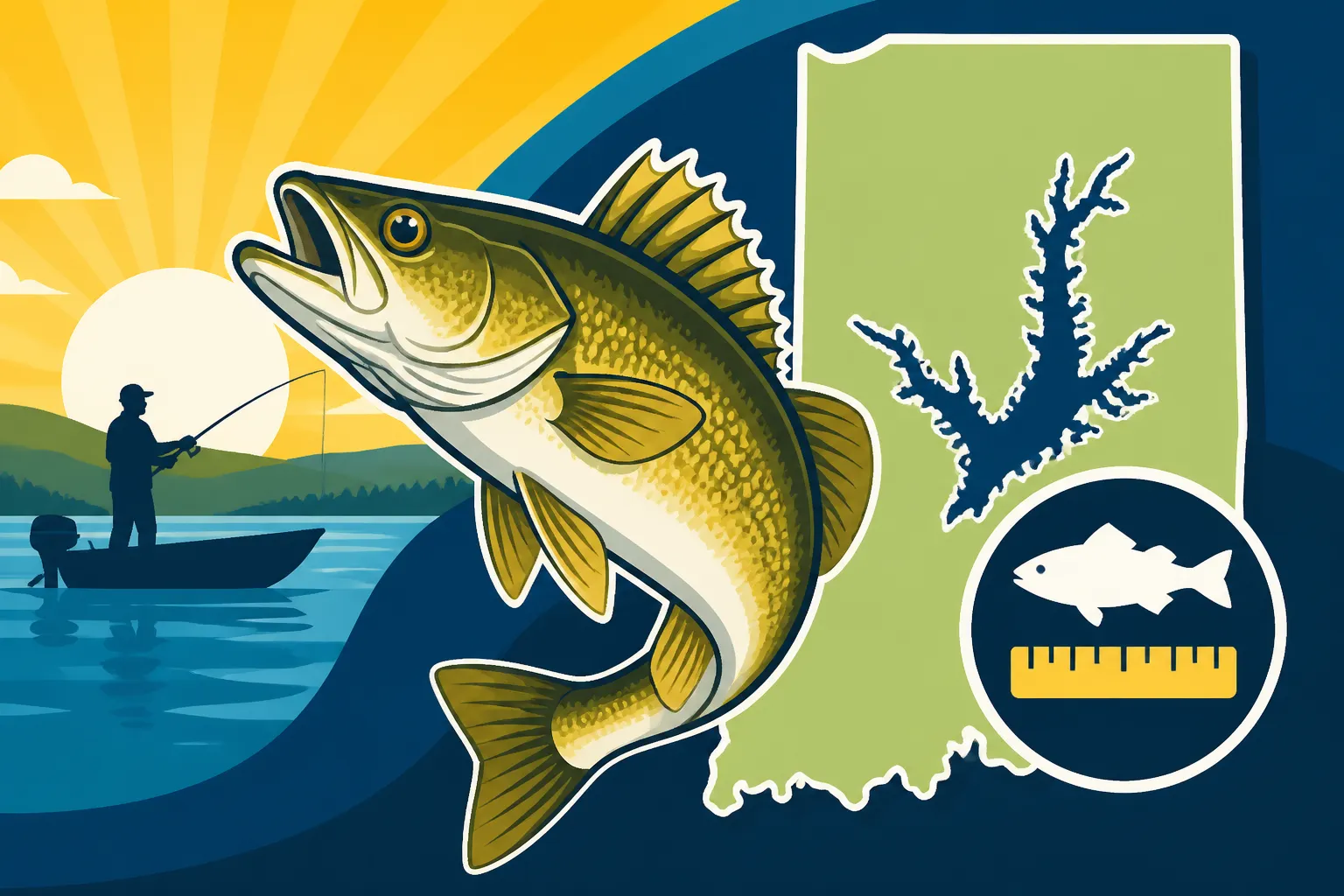
For walleye in Wolf Lake, anglers in Indiana are permitted to keep fish that are at least 14 inches long. This is a significant difference from the more common 16-inch minimum length found in many other northern Indiana lakes. Alongside this 14-inch minimum, there's also a daily bag limit of 6 walleye per angler.
This specific regulation is a result of coordinated management efforts between the Indiana DNR and Illinois Department of Natural Resources. Because Wolf Lake literally spans two states, consistent rules on both sides are essential for effective conservation and fair angling. The 14-inch minimum and 6-fish bag limit are designed to manage a put-grow-take fishery, where walleye are often stocked and then allowed to grow to a catchable size that anglers can enjoy. This size limit helps maintain a healthy population balance while still offering plenty of opportunity for harvest in an urban environment.
Here’s a quick comparison of the common northern Indiana walleye rules versus Wolf Lake's:
| Regulation Aspect | Most Northern Indiana Lakes (North of SR 26) | Wolf Lake (Lake County, Indiana) |
|---|---|---|
| Minimum Length Limit | 16 inches | 14 inches |
| Daily Bag Limit | 6 walleye (typically) | 6 walleye |
This table clearly illustrates the primary difference you need to be aware of when fishing Wolf Lake for walleye.
Geographic Scope and Practical Implications
Wolf Lake is located predominantly in Lake County, Indiana, with its western portions extending into Chicago's East Side. The Indiana portion is a popular spot for both boat and shore anglers. Given its connection to Lake Michigan via a pump station, and its heavily urbanized surroundings, it's a unique aquatic environment.
Practically speaking, this means that if you launch your boat from the Indiana side, or fish from the many piers and shorelines in Hammond, your walleye must adhere to the 14-inch minimum. It’s not just a suggestion; it's a legal requirement. What makes Wolf Lake even more interesting is its proximity to the greater Lake Michigan fishery. While Wolf Lake has its own specific rules, it's also important to remember that general Lake Michigan Fishing Rules for Indiana Anglers can sometimes overlap or influence how anglers approach this area, especially if they fish areas connected to the big lake.
Always keep a measuring device handy, like a durable fish ruler that many anglers purchase from retailers like Amazon, to quickly verify the length of your catch. There's nothing worse than having to release a perfectly good walleye because you misjudged its size after the fact, or worse, keeping one that's undersized and facing a penalty. The goal here is conservation and compliance, so a little preparation goes a long way.
Tips for Fishing Walleye on Wolf Lake
Fishing for walleye in Wolf Lake can be a rewarding experience, offering anglers the chance to catch this prized species right within an urban setting. To increase your chances of success and ensure you're compliant with regulations, here are some practical tips.
Gear and Techniques for Wolf Lake Walleye
Wolf Lake, like many other walleye fisheries, responds well to a variety of techniques. Given its shallower nature in some areas and deeper channels, versatility in your approach is key.
- Jigging: This is a classic walleye technique that works wonders, especially when fish are relating to structure or drop-offs. Using jigs tipped with minnows, worms, or soft plastics can be incredibly effective. Look for areas with submerged timber, rock piles, or subtle changes in depth. You can find a wide array of jig heads and soft plastics suitable for walleye on Amazon, making it easy to stock up before your trip. For more specific guidance, check out our guide on Walleye Jigging Techniques.
- Trolling: While Wolf Lake isn't as vast as, say, Lake Erie, trolling with crankbaits can still be productive, particularly in open water areas or along weed lines. Experiment with different depths and lure colors to see what the walleye are keying in on. The right crankbait can make all the difference, and many anglers find great success with popular brands designed for walleye.
- Live Bait: You can never go wrong with live bait for walleye. Minnows, nightcrawlers, and leeches are perennial favorites. Rigging them under a slip bobber near structure, or on a bottom-bouncing rig, can entice even the most finicky walleye.
- Electronics: A good fish finder can be your best friend on Wolf Lake. It will help you locate subtle changes in bottom contour, identify schools of baitfish, and most importantly, pinpoint those elusive walleye. Even portable fish finders, readily available on Amazon, can make a huge difference, especially for shore anglers or those in smaller boats.
Remember, walleye are often more active during low light conditions, so early mornings, late evenings, and even night fishing can be prime times. Keep an eye on water temperature and clarity, as these factors heavily influence walleye behavior.
Checking Regulations Before You Go
Even armed with all this knowledge, the most important tip is to always double-check the current regulations before every fishing trip. Fisheries rules can change, sometimes yearly, sometimes even mid-season if biologists determine a need. The official Indiana DNR website is your absolute best source for the most up-to-date information.
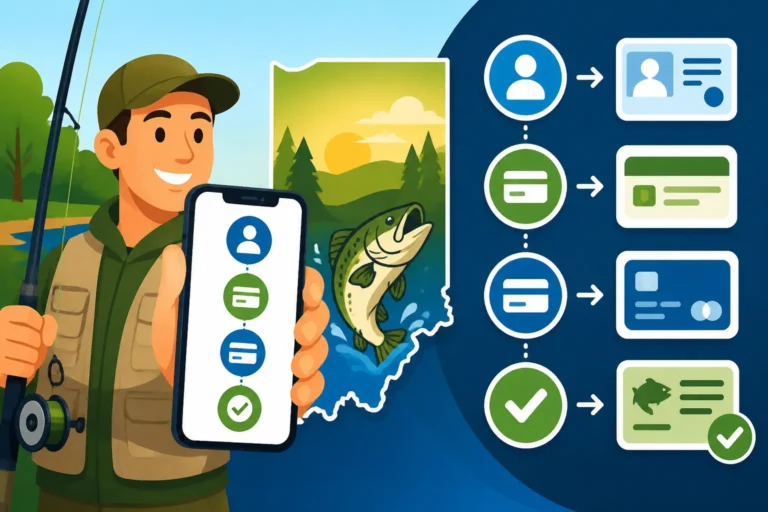
You can typically find a free copy of the current Indiana Fishing Guide at bait shops, DNR offices, or even download a PDF version online. This guide will provide all the details on Indiana Fishing Regulations and Bag Limits Guide, including any lake-specific exceptions like the one for Wolf Lake. Taking a few minutes to review this document ensures you're fully compliant and can enjoy your time on the water without worry. It's also worth noting that anyone 18 years and older needs an Indiana Fishing License Requirements Explained to fish these waters, and those can easily be purchased online.
A quick review of the regulations, a well-stocked tackle box (perhaps with some new lures from Amazon), and a keen eye for walleye habitat will set you up for success on Wolf Lake. Happy fishing!
Disclaimer
Please remember that fishing regulations are subject to change. While every effort has been made to provide accurate and up-to-date information in this guide, it is ultimately the angler's responsibility to consult the most current Indiana Department of Natural Resources (DNR) fishing guide and regulations before heading out. This content is for informational purposes only and should not be considered a substitute for official legal guidance.