Indiana’s Statewide Bass Daily Bag Limit
It’s a common scenario: you’re out on a beautiful Indiana lake, the bass are biting, and you’re having a fantastic day. But as your livewell starts filling up, a nagging question creeps in – “Exactly how many bass can I keep today?” The rules can feel a bit murky, leaving many anglers scratching their heads and worried about inadvertently breaking the law. This guide is here to clear up all the confusion surrounding Indiana’s statewide bass daily bag limit, ensuring you can enjoy your time on the water with confidence.
Understanding Indiana's Statewide Bass Daily Bag Limit
Navigating fishing regulations can sometimes feel like trying to untangle a bird's nest of fishing line. When it comes to bass in Indiana, the core rule is pretty straightforward, but it’s crucial to understand the nuances to avoid any misunderstandings once you're on the water. We all want to do our part for conservation, and that starts with knowing the limits.
The Combined Largemouth and Smallmouth Bass Rule
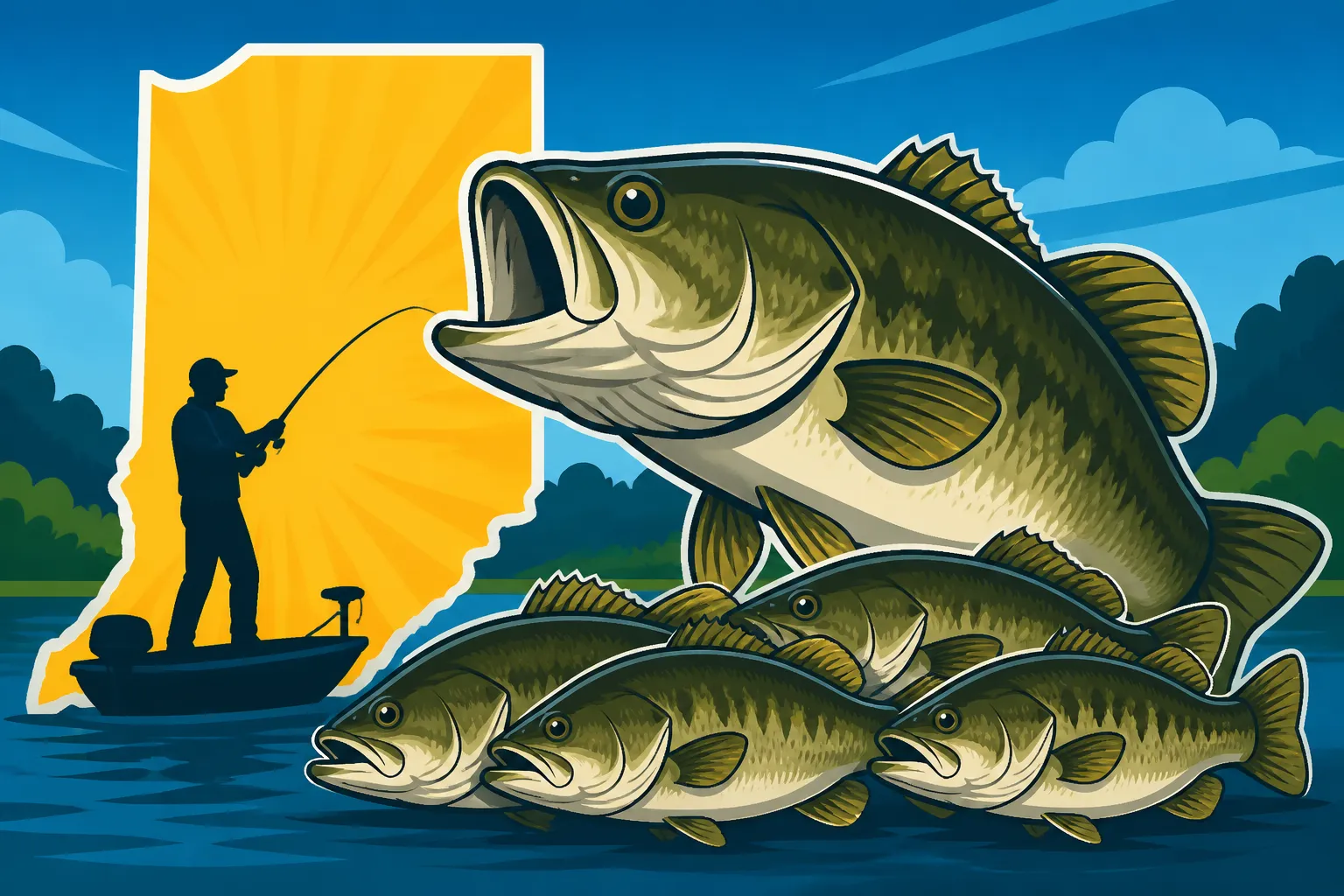
In Indiana, the daily bag limit for bass is not separated by species for the most common types. Instead, it’s a combined limit for largemouth bass and smallmouth bass. What does that mean for you? It means that you can keep a total of five (5) of these bass, regardless of whether they are largemouth, smallmouth, or a mix of both. This "five fish combined" rule applies to most public waters across the state.
Imagine you're out on Monroe Lake, known for its fantastic bass fishing. You might start your day catching a few robust largemouth bass. Later, perhaps you move to a rocky point and hook into a couple of feisty smallmouth. The key is that your total count of both species can't exceed five for the day. So, if you keep three largemouth, you can only keep two smallmouth. If you happen to catch five largemouth, your smallmouth limit for that day is zero. It’s a simple aggregate, designed to manage the overall pressure on the bass population. This applies across all of Indiana's lakes and rivers. For a deeper dive into this, check out our guide on Combined Bass Limit for Indiana Lakes and Rivers.
The rationale behind a combined limit is rooted in biological understanding. While largemouth and smallmouth bass often occupy different habitats (largemouth preferring weed beds and structure, smallmouth favoring rocky areas and clear water), they are both apex predators in many of Indiana's aquatic ecosystems. Managing them under a combined limit helps biologists ensure that the total harvest pressure on these important sport fish remains sustainable, protecting their numbers for future generations of anglers. It also simplifies the rules for anglers, who might not always distinguish between species quickly when the action is hot.
Why the Limit Matters for Conservation
Fishing isn't just a hobby; it's a vital connection to nature, and with that comes a responsibility to protect our natural resources. Daily bag limits are one of the most effective tools wildlife agencies like the Indiana Department of Natural Resources (DNR) use to manage fish populations. Without them, it would be far too easy for anglers to overharvest, leading to declines in fish numbers, smaller average sizes, and ultimately, a less enjoyable fishing experience for everyone.
Think about it: bass are crucial to the food web in Indiana lakes and rivers. They prey on smaller fish, insects, and crustaceans, helping to keep those populations in check. If too many bass are removed, it can throw the entire ecosystem out of balance. The daily limit helps maintain a healthy breeding stock, ensuring that there are always enough adult bass to reproduce and keep the populations strong. It's a delicate balance, and every angler plays a part in upholding it. When you adhere to the limit, you're directly contributing to the health and vitality of Indiana's fisheries, making sure there are plenty of fish for your kids and grandkids to catch. This kind of responsible angling ensures that we can continue enjoying the sport for years to come. For more information on overall regulations, our Indiana Fishing Regulations and Bag Limits Guide is an excellent resource.
Key Exceptions and Specific Waterbody Rules for Bass
While the statewide daily bag limit for bass is generally consistent, it's important to understand that fishing regulations are often a mosaic of statewide rules and specific, localized exceptions. This can be one of the most frustrating aspects of staying compliant, as what’s perfectly legal on one lake might land you in hot water just a few miles down the road. It’s not about making things complicated for fun; it’s about managing unique ecosystems with unique needs.
Minimum Size Limits Are Crucial
Many anglers often confuse "bag limit" with "size limit," and while they both relate to how many and what kind of fish you can keep, they serve different purposes. Indiana’s statewide bass daily bag limit for largemouth and smallmouth is five fish combined. However, there are also minimum size limits that vary depending on the species and the specific body of water you’re fishing. You could be well within your five-fish bag limit, but if even one of those fish doesn't meet the minimum size requirement, you're still in violation.
For most public waters in Indiana, there’s a 14-inch minimum size limit for largemouth bass. This means any largemouth you decide to keep must be at least 14 inches long from the tip of its snout to the end of its tail, with the mouth closed and tail gently squeezed. This regulation is crucial for protecting younger fish and ensuring they have a chance to grow, mature, and reproduce at least once before being harvested. For smallmouth bass, a statewide minimum size limit generally doesn't exist, but specific lakes or rivers might have their own unique rules, which is why always checking the latest DNR fishing guide is non-negotiable. Always be sure to review the most current regulations for the specific lake or river you intend to fish.
Understanding Special Lake-Specific Rules
While the combined five-bass bag limit is a strong statewide guideline, the Indiana DNR does implement special regulations for certain bodies of water. These aren't necessarily different daily bag limits for bass, but they might include unique size restrictions or slot limits designed to achieve specific management goals for that particular fishery. For instance, a lake might have a protected slot limit, meaning bass between certain sizes (e.g., 14-18 inches) must be immediately released, even if they meet the minimum size or you haven't hit your bag limit. This helps protect the prime breeding stock in that particular lake, leading to more trophy-sized fish over time.
These special regulations are often put in place after extensive surveys and scientific analysis, reflecting the unique biological characteristics and fishing pressure of that particular lake or river. They are designed to enhance fishing opportunities and protect valuable resources. For example, some urban fishing ponds might have even more restrictive harvest rules to maintain fishing quality in easily accessible areas. It’s your responsibility as an angler to seek out and understand these localized rules. Before heading out, especially to a new spot like one of the Best Bass Fishing Lakes in Indiana, always consult the Indiana Fishing Guide or the DNR website. A quick check can save you a lot of hassle and ensure you're fishing legally and responsibly.
Practical Implications for Anglers on the Water
Once you're out on the water, excited by the prospect of a good catch, the last thing you want is to be guessing about regulations. Having a solid understanding of how to practically apply the rules – especially regarding measuring and releasing fish – is paramount. It's not just about avoiding a fine; it's about being a responsible, ethical angler who respects the resource.
Measuring Your Catch Accurately
The difference between a legal fish and an illegal one can often come down to a fraction of an inch, making accurate measurement absolutely critical. You can't just eyeball it and hope for the best. The official way to measure a fish in Indiana is from the tip of its snout (with the mouth closed) to the end of its tail, with the tail gently squeezed to its maximum length.
To do this correctly, you need a reliable measuring device. A simple tape measure will work, but dedicated fish measuring boards are much more convenient and accurate, often featuring a solid end-stop for the fish's nose and clear markings. You can find excellent, durable measuring boards online, like those available on Amazon, which often include clear, easy-to-read markings that won’t fade with sun and water exposure. It’s a small investment that can save you a big headache. When a fish is borderline, it's always best to err on the side of caution and release it. Remember, you can't "stretch" a fish to make it legal. If you're fishing from a boat, having a measurement board readily accessible in your livewell or on your deck makes the process quick and stress-free.
Releasing Under-Sized or Excess Bass Responsibly
Catch and release is a cornerstone of modern sport fishing, especially when you're dealing with minimum size limits or you've already filled your bag limit. Knowing how to release a fish properly is just as important as knowing how to catch one. A poorly released fish is unlikely to survive, negating the conservation efforts of the regulations.
When you catch a bass that is under the legal size limit or you’ve already reached your daily bag limit of five combined largemouth and smallmouth, it needs to go back into the water quickly and gently. Here are some best practices:
- Minimize handling: The less time a fish spends out of water and being handled, the better its chances of survival.
- Wet your hands: Dry hands can remove the protective slime layer on a fish, making it vulnerable to infection. Always wet your hands before touching a fish.
- Use appropriate tools: Pliers or hemostats can help you quickly remove hooks, especially if they’re lodged deep. Circle hooks are often recommended as they tend to hook in the corner of the mouth, reducing gut hooking.
- Support the fish: If you must hold the fish, support its weight horizontally, especially larger bass. Avoid holding it vertically by the jaw, as this can damage its internal organs.
- Revive if necessary: If a fish seems sluggish before release, hold it gently in the water, facing into the current, until it regains its strength and can swim away on its own.
Being prepared with the right gear, like de-hooking tools and a rubberized landing net (less abrasive to fish slime than nylon), can significantly improve a fish's chances of survival. Planning your approach to releasing fish responsibly means you’re not just following the rules, but you’re actively participating in the health of Indiana’s bass fisheries, helping sustain them for future generations.
Understanding Penalties for Exceeding the Limit
Nobody wants to get a ticket while enjoying a peaceful day on the water, but fishing without understanding or adhering to the regulations can lead to just that. It's not just about being caught; it's about the broader implications of disregarding conservation efforts. The Indiana DNR and local law enforcement take these regulations seriously because they are vital to protecting the state's natural resources.
What Constitutes a Violation
Beyond the obvious act of simply keeping too many fish, several actions related to bag limits can lead to violations. It’s easy to think you’re in the clear if you only have five bass, but if even one is undersized, you’re still breaking the rules.
Here's a breakdown of common violations related to bass limits:
- Exceeding the daily bag limit: This is the most straightforward. If you have more than five largemouth and/or smallmouth bass combined in your possession, you're in violation. This includes fish in your livewell, cooler, or even fish you've already cleaned and stored.
- Possessing undersized fish: As discussed, if you keep a largemouth bass that is less than the 14-inch minimum size (or any other specific size limit for a particular waterbody), that's a violation, even if you are under the five-fish bag limit.
- Fishing without a license: While not directly a bag limit violation, it's a fundamental requirement. You must have a valid Indiana fishing license to fish, unless you are under 18 or fall under specific exemptions like Indiana Free Fishing Days Guide. If you're caught with fish and no license, you'll face additional penalties. For more details, check out our guide on How to Get an Indiana Fishing License.
- "Culling" improperly: Culling is the practice of replacing a smaller fish you've kept with a larger one you've just caught. While legal in many fishing tournaments, it must be done carefully to ensure you never exceed the legal bag limit at any point in time. For instance, if you have five bass in your livewell and catch a sixth, you must immediately release one of the fish already in your livewell before placing the new, larger fish into it. Briefly possessing more than the legal limit, even for a moment, can be a violation.
Potential Fines and Consequences
The penalties for violating fishing regulations in Indiana can range from significant fines to more severe consequences, depending on the nature and severity of the offense, and whether it’s a first-time or repeat violation. It’s not just a slap on the wrist; these are real legal issues.
For a basic violation like exceeding the bag limit or keeping undersized fish, you're generally looking at a fine. These fines can vary, but they often start in the hundreds of dollars. On top of the fine, you might also have to pay court costs. The exact amount can depend on the county where the violation occurred, as cases are typically handled in local courts. In some cases, especially for repeat offenses or very egregious violations, your fishing license could be suspended, preventing you from fishing in Indiana for a period of time. Confiscation of fishing gear or even your boat is also a possibility in extreme circumstances. Our article on Penalties and Fines for Fishing Without a License can provide a more general overview of legal consequences.
The best way to avoid these unpleasant and costly consequences is simple: know the rules, follow them diligently, and when in doubt, always release the fish. It’s a small price to pay for peace of mind and the continued health of our precious fisheries.
Planning Your Trip Around Bass Regulations
A truly successful fishing trip isn't just about catching fish; it's about having an enjoyable, stress-free experience that adheres to all regulations. Proactive planning can make all the difference, transforming potential worries about limits into confident, responsible angling.
Checking Current Regulations Before You Go
Fishing regulations, while generally stable, are not set in stone. They can change annually, or even within a season, as the Indiana DNR responds to changes in fish populations, environmental factors, or scientific recommendations. Relying on what you "heard" last year, or what your buddy remembers, is a recipe for trouble.
Before every fishing trip, especially if you're visiting a new lake or haven't been out in a while, it's crucial to check the most current Indiana Fishing Guide. This guide is available annually, typically around April, to coincide with the start of the Indiana Fishing License Year Explained. You can easily find it online on the Indiana DNR website, or pick up a physical copy at many bait shops, sporting goods stores, or DNR offices. Look specifically for the "Special Regulations" section for the body of water you plan to fish, as this is where any deviations from the statewide bass regulations would be listed. Local bait shop owners are also invaluable resources; they often have the most up-to-date local knowledge and can tell you about any recent changes or hot tips, like the best time to Indiana Bass Spawn Timing and Pre-Spawn Patterns. Taking a few minutes to confirm the rules can save you hours of worry and potential legal trouble.
Gear and Strategy for Adhering to Limits
Beyond just knowing the rules, equipping yourself and developing the right strategy can make it much easier to adhere to bag and size limits throughout your fishing day. It's about preparedness and making responsible choices.
First, always carry a measuring device. As mentioned, a dedicated fish measuring board is ideal. Many are lightweight and durable, easily fitting into a tackle box or boat compartment. Some can even be purchased on Amazon for convenience. Also consider a small, portable scale if you’re interested in tracking weight for personal bests – though not a regulation requirement, it’s a fun addition.
Next, think about your fishing strategy. If you're primarily targeting bass, especially largemouth, and want to keep a few for the table, consider using baits and lures that are more likely to attract larger fish. While no lure guarantees a specific size, larger baits can often deter smaller, undersized bass. For example, knowing the Best Bait for Largemouth Bass in Indiana Lakes can help you select appropriate gear. If you're planning to focus on catch-and-release, using single, barbless hooks or crushing the barbs on your hooks can make unhooking fish much easier and less traumatic for them, increasing their survival rate.
Finally, keep track of your catch. It sounds obvious, but when you're caught up in the excitement of fishing, it's easy to lose count. A simple clicker counter, or even a mental tally, can help you stay within your five-bass limit. If you have a livewell, putting a marker (like a different colored buoy) next to each fish as you keep it can also serve as a visual reminder. Being disciplined in tracking your harvest is a mark of a truly skilled and responsible angler.
Here's a quick reference for Indiana's statewide bass regulations:
| Species | Daily Bag Limit (Combined) | Minimum Size Limit (Largemouth) | Minimum Size Limit (Smallmouth) | Notes |
|---|---|---|---|---|
| Largemouth Bass | 5 | 14 inches (most waters) | Generally no statewide limit | Check specific water body regulations for any exceptions to size limits. |
| Smallmouth Bass | 5 | N/A | Generally no statewide limit | Some specific lakes/rivers may have local size limits; always consult DNR guide. |
| Combined Total | 5 Fish | Varies | Varies | Total of largemouth and smallmouth bass kept cannot exceed 5. Measurement: snout to compressed tail tip. |
Disclaimer
The information provided in this guide is intended for general informational purposes only and is not a substitute for the official Indiana Department of Natural Resources (DNR) fishing regulations. While we strive to provide accurate and up-to-date information, regulations can change. Always consult the most current Indiana Fishing Guide or the official Indiana DNR website before you go fishing to ensure compliance with all state and local laws.