Indiana’s Fishing License Year Runs April to March
One common frustration for anglers, especially those new to Indiana or visiting from other states, is the confusing timeline of fishing licenses. Unlike many places that run on a calendar year, Indiana's fishing license year actually operates on a unique schedule, often leaving folks scratching their heads about when to renew or if their current license is even valid. This comprehensive guide is here to clear up all that confusion, detailing exactly how Indiana's fishing license year runs from April to March, and what that means for your time on the water.
Understanding Indiana's Unique Fishing License Cycle
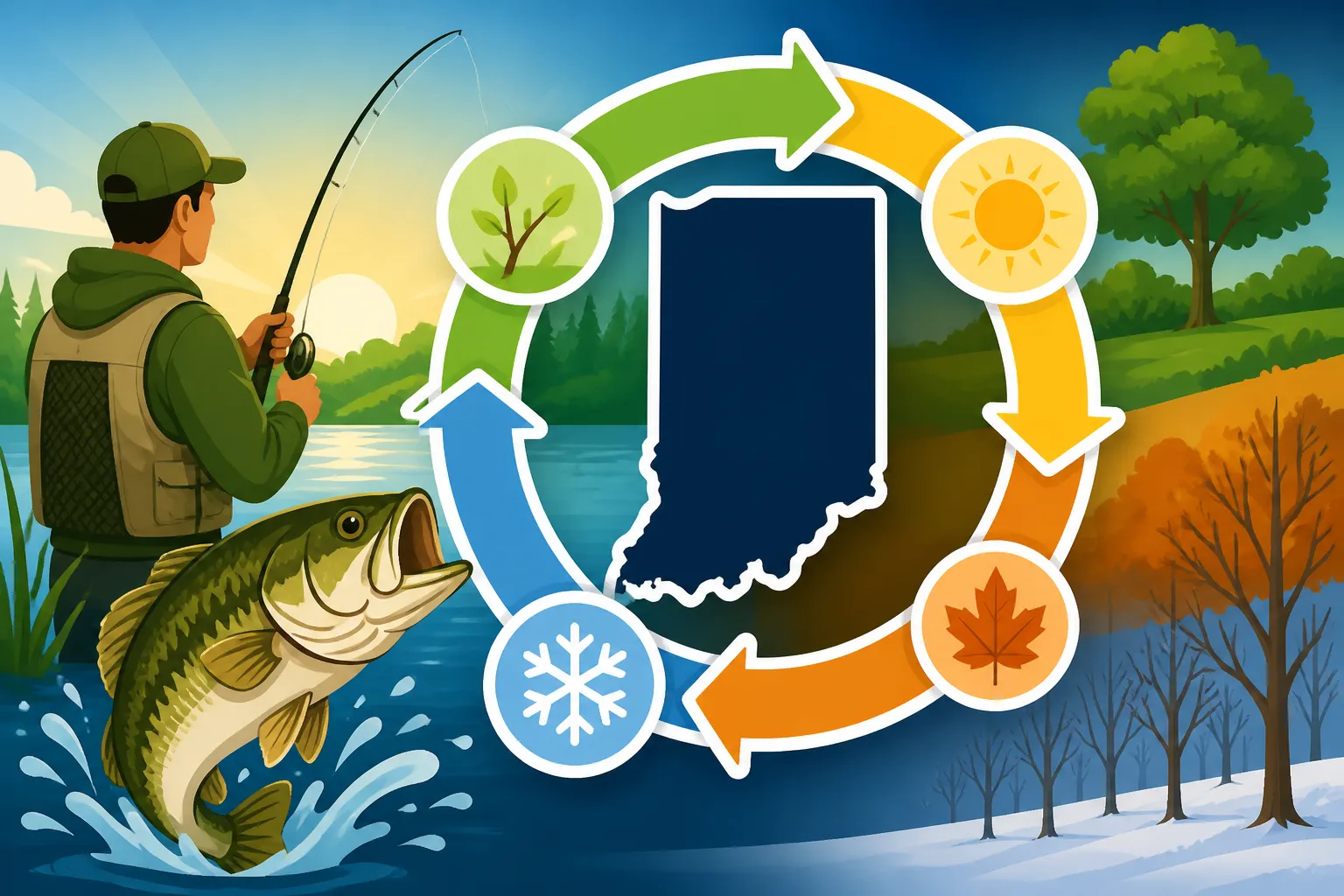
Indiana has a distinct approach to its annual fishing license validity, departing from the typical January-to-December cycle many other states adopt. This system, from April 1st to March 31st, is designed to align with the natural rhythms of the fishing season and allows the Indiana Department of Natural Resources (IDNR) to manage its resources and regulations effectively. It might seem a bit odd at first, especially if you're used to a different system, but once you understand the logic, it becomes quite straightforward.
The April 1st Start Date
For anglers in Indiana, April 1st isn't just April Fool's Day; it's the official start of a brand new fishing license year. This date marks the moment when all annual licenses purchased for the previous year expire, and a new one becomes mandatory for anyone who falls within the age requirements. Imagine planning a trip to Monroe Lake for some early spring bass fishing, eager to cast your line as the weather warms up. If your old license expired on March 31st, you absolutely need a new one before that first cast on April 1st, or you could find yourself in a bind.
This spring start date is quite intentional. By April, most of Indiana's waters are beginning to shake off winter's chill, and fish activity really starts to pick up across the state, from crappie moving into the shallows to bass becoming more active. It's a natural transition point, signaling the true beginning of the prime fishing season for many species. So, while you might be thinking about filing taxes, Indiana anglers are thinking about getting that new license for April 1 to legally enjoy the state's beautiful lakes and rivers.
When Your Fishing License Expires
Just as April 1st is the beginning, March 31st is the firm end date for Indiana's fishing licenses. This means that if you bought your annual license anytime between April 1st of one year and March 31st of the next, it will always expire on March 31st. There's no pro-rating or extending based on your purchase date; it's a fixed window. For example, a license purchased on August 15th will still expire on the following March 31st, just like one purchased on April 1st.
This fixed expiration can sometimes catch anglers off guard, especially if they purchased their license later in the previous season and assume it will last a full 12 months from the purchase date. It’s a common mistake, but an important one to avoid. Failing to renew before March 31st means that even if you're out fishing on April 1st, completely unaware, you're technically fishing without a valid license. It's a crucial detail to remember, particularly if you're planning an early spring trip and haven't checked your license wallet in a while. A quick check of your wallet or an online visit to the IDNR website can save you a lot of hassle.
Why the Non-Calendar Year System?
The decision to run the Indiana fishing license year from April to March, rather than a standard calendar year, isn't arbitrary. It's largely due to practical considerations related to fish biology, resource management, and state budgeting cycles. The IDNR manages a vast array of fisheries and wildlife programs, and aligning the license year with the peak activity and spawning cycles of many popular game fish makes a lot of sense from a biological standpoint. By the time April rolls around, many species are entering their most active periods, and the regulations for the new season are fully in place.
Furthermore, this system often helps simplify enforcement and administration. With a clear, fixed start and end date that isn't December 31st, it reduces the confusion that could arise if licenses expired right in the middle of ice fishing season or during the quietest parts of winter. It creates a defined period for the collection of license fees which directly fund critical conservation efforts, fish stocking programs, and habitat restoration projects across Indiana. The revenue from your license helps maintain the quality of our fisheries, ensuring that the lakes and rivers we love remain vibrant for generations to come.
Planning Your Fishing Season Around the License Year
Navigating Indiana's fishing license year successfully means understanding how these April-to-March dates impact your angling plans throughout the year. It's not just about when to buy; it's about strategizing your trips to ensure you're always covered, no matter the season. From the budding warmth of spring to the frosty chill of winter, each period has its own considerations.
Spring Fishing Considerations
Spring in Indiana is a magical time for fishing, as the ice melts, water temperatures rise, and fish become incredibly active. However, this also happens to be the most critical period for license renewals. If you're itching to get out on the water in March, your current license (from the previous April 1st to March 31st cycle) is still valid. But as soon as April 1st hits, you'll need that new license. Imagine you're out chasing crappie on Patoka Lake in late March, having a fantastic day. You decide to come back the very next weekend, which happens to be the first weekend of April. If you forget to renew, that second trip could land you in hot water.
This distinction is especially important for those who only fish occasionally in the spring. You might think, "I just bought my license last fall!" but if it was before April 1st of the previous year, it's already expired. Always double-check your license date before heading out, particularly in the March-April transition period. Being prepared means you can focus on the thrill of the catch rather than worrying about regulations. For more detailed information, you can always refer to the official guide on Indiana Fishing License Requirements Explained.
Summer and Fall Fishing
Once you've secured your new license on or after April 1st, you're good to go for the entire summer and fall fishing seasons. These months, typically from April through November, fall entirely within one license year, which simplifies things considerably. Whether you're targeting largemouth bass on Monroe Lake in July or enjoying the fall salmon run on Lake Michigan in October, your single annual license will cover you. This makes planning those longer trips or multiple outings much easier, as you don't have to worry about mid-season expirations.
This extended period of validity within a single license year is a huge convenience. It means you can buy your license once in the spring, perhaps when you're stocking up on new lures or lines from your favorite online retailer like Amazon, and then fish freely through all the prime angling months. From chasing walleye in the glacial lakes of northern Indiana to battling catfish on the Wabash River, your license is valid. This consistency allows you to focus on honing your techniques and exploring new fishing spots, rather than administrative tasks.
Winter Fishing and the New Year
Winter fishing in Indiana offers its own unique challenges and rewards, from ice fishing on smaller lakes to targeting hardy species in open water. For anglers fishing in January, February, or March, your license from the current April-to-March cycle is still perfectly valid. It's only when March 31st rolls around that the old license expires. This means you can enjoy the late ice fishing season or early open water opportunities without needing to purchase a new license until April 1st.
However, this also means that if you're planning a trip for early spring, say the first weekend of April, and you've been focused on winter activities, you need to remember to get that new license. It's easy to forget that looming March 31st deadline when you're bundled up for ice fishing in February. Savvy anglers often use the lull of late winter to get their new license in order, making sure they're ready for the spring thaw. This foresight ensures uninterrupted fishing, allowing you to seamlessly transition from ice jigs to spring crankbaits.
Practicalities of Buying and Renewing Your License
Getting your Indiana fishing license doesn't have to be a complicated ordeal. The IDNR has made the process quite accessible, offering several convenient ways to purchase or renew your license, ensuring you can get back to what you love doing most: fishing! Knowing your options can save you precious time and hassle.
Where to Purchase a New License
The most straightforward and often preferred method for purchasing an Indiana fishing license is online directly through the Indiana Department of Natural Resources (IDNR) website. This platform is available 24/7, allowing you to buy your license from the comfort of your home at any time that suits you. It’s quick, efficient, and you receive an immediate digital copy of your license that you can print or keep on your mobile device. Many anglers find this the easiest way, especially when they suddenly realize it’s April 1st and they need a new license now.
Beyond the digital realm, you can also purchase licenses in person at various authorized license vendors located throughout the state. These vendors include bait and tackle shops, sporting goods stores, and even some county clerks' offices. It’s a great option if you prefer a physical card immediately, or if you want to chat with local experts about current fishing conditions while you're there. While you can't buy the actual fishing license on Amazon, it's a fantastic place to stock up on all the gear you'll need for the new season once your license is secured, from new fishing line to a comfortable fishing chair. For a full breakdown, check out Buying a Fishing License Online in Indiana.
Renewing Your License Smoothly
Renewing your Indiana fishing license is essentially the same process as purchasing a new one, as there isn't a separate "renewal" pathway in the traditional sense; you simply buy a new license for the upcoming April-to-March cycle. The key is to do it before your current license expires on March 31st. Many anglers set a reminder on their phone or calendar for mid-March, just to ensure they don't miss the deadline and accidentally find themselves fishing illegally.
If you previously purchased your license online, the IDNR system often retains your information, making the process even quicker the next time around. You might just need to log in, verify your details, and complete the payment. This convenience means you can typically complete the renewal in just a few minutes, allowing you to focus on more important things, like what bait to use for those spring crappie. Don't let a simple oversight ruin a fishing trip. You can find more details on Renewing an Indiana Fishing License Online if you prefer that method.
The Trout and Salmon Stamp
For those adventurous anglers who plan to target trout and salmon in Indiana's waters, especially in the northern streams or on Lake Michigan, a regular fishing license isn't quite enough. You'll also need to purchase an additional Trout and Salmon Stamp. This stamp operates on the exact same April 1st to March 31st cycle as the general fishing license, meaning it needs to be renewed annually alongside your main license. It's crucial not to overlook this requirement, as fishing for these specific species without the stamp can lead to fines, even if you have a valid general fishing license.
When you purchase your annual fishing license, whether online or in person, you'll typically have the option to add the Trout and Salmon Stamp to your purchase. It's a small additional cost, but it directly supports the stocking and management of these cold-water fisheries, ensuring their continued viability in Indiana. If you're planning a trip to the St. Joseph River for steelhead or heading to the Lake Michigan shoreline for a fall salmon run, securing this stamp is just as important as your basic license. Don't forget to review the Indiana Trout and Salmon Stamp Requirements to make sure you're fully covered.
Impact on Different Angler Types
Indiana's April-to-March license year impacts various types of anglers in slightly different ways. Understanding these nuances is essential for everyone, from lifelong Hoosier residents to visitors just passing through for a short fishing excursion.
Resident Anglers
For Indiana residents, the April 1st start date and March 31st expiration date are pretty straightforward once you're used to them. The annual resident license covers all types of freshwater fishing for the entire 12-month period. This consistency is beneficial for regular anglers who spend a lot of time on local lakes and rivers. However, residents also need to be aware of age requirements: while Kids Fish Free Until Age 18 in Indiana, those 18 and older must possess a valid license.
There are also specific options for senior residents that operate within this same license year framework. For example, Indiana offers a very affordable Indiana's $3 Senior Annual Fishing License for residents aged 65 and over. There's also a special one-time purchase option, the Senior Fish-for-Life License, which, once purchased, means you never have to worry about annual renewals again. However, even with these specialized licenses, the underlying annual cycle for general licenses still sets the rhythm for when new regulations might be announced or when the IDNR focuses its management efforts.
Nonresident Anglers
Nonresident anglers visiting Indiana also fall under the same April-to-March license year, though they have more flexible short-term options that cater to their temporary stays. If you're an out-of-state angler planning an extended trip, you might opt for the full nonresident annual license. This would cover you from April 1st through March 31st, just like a resident license, but at a higher cost. For instance, the Nonresident Annual Fishing License Cost: $60 is a standard consideration for those frequent visitors.
However, for shorter visits, Indiana offers convenient options like the nonresident 1-day or 7-day fishing licenses. These licenses are valid for a specific number of consecutive days, regardless of where they fall within the April-to-March cycle. This is perfect for a quick weekend trip to a specific lake or a week-long vacation. For example, a Nonresident 1-Day Fishing License Price: $9 can get you on the water quickly, and a Nonresident 7-Day Fishing License Price: $20 is ideal for a week-long excursion. Just be sure to check the specific dates your short-term license covers. These options are designed to make it easy for visitors to enjoy Indiana's fishing opportunities without committing to a full annual license.
Tournament Anglers
Competitive anglers participating in bass tournaments or other fishing events in Indiana need to be particularly meticulous about their license validity. Most tournaments require participants to have a valid state fishing license, and often the Trout and Salmon Stamp if the species or waters require it. Since many tournaments kick off in early spring, right around the April 1st renewal date, it's a critical time for these anglers to ensure their paperwork is in order. Imagine getting disqualified from a big event because you overlooked the license renewal date!
Beyond the basic license, tournament anglers also need to be acutely aware of specific regulations that often coincide with the April-to-March cycle, such as Indiana Fishing Regulations and Bag Limits Guide. These rules, like bass length limits or daily possession limits, are updated annually and tied to the new license year. It's not just about having the license; it's about being fully informed about the rules governing the waters you're fishing and the species you're targeting. For serious competitors, checking their license status and reviewing the latest regulations should be a standard pre-tournament checklist item.
Common Misconceptions and Avoiding Pitfalls
Even with all the information out there, certain myths and misunderstandings persist about fishing licenses in Indiana. Clearing up these common misconceptions is vital to ensure you always fish legally and responsibly.
The Calendar Year Trap
Perhaps the most common misconception among anglers, especially those new to Indiana or those who fish in multiple states, is the "calendar year trap." Many assume that an annual fishing license, like so many other permits and subscriptions, runs from January 1st to December 31st. This is simply not the case in Indiana. As we've extensively covered, Indiana's annual fishing license explicitly runs from April 1st of one year to March 31st of the following year. It’s a 12-month period, but it's not aligned with the calendar year.
This misunderstanding can lead to awkward situations. An angler might purchase their license in, say, June, assuming it will be valid until the following June. But come April 1st, their license is already expired. It's a subtle but significant difference that can easily trip people up. Always remember that Indiana's system is unique. If you're ever in doubt, just look at the expiration date printed on your physical license or digital copy. It will clearly state March 31st. A good habit is to treat March 31st as a hard deadline for renewal, regardless of when you initially bought it.
Penalties for Fishing Without a Valid License
Fishing without a valid license in Indiana is not just a minor oversight; it's a violation of state law, and it carries real consequences. Conservation Officers with the IDNR routinely check anglers for valid licenses, and if you're found to be fishing without one, you could face penalties. These can range from fines to court appearances, and the severity can increase with repeat offenses or if other violations, like exceeding bag limits, are also present. It's simply not worth the risk. A quick check and renewal could save you hundreds of dollars and a lot of headaches.
The cost of a fishing license is a small investment compared to the potential financial and legal repercussions of a citation. For example, the Indiana Resident Annual Fishing License Cost: $23 a Year is a bargain when you consider the peace of mind and access it grants you to Indiana's diverse fisheries. Beyond the legal aspect, purchasing a license is also a direct contribution to the conservation efforts that keep Indiana's fishing vibrant and sustainable. You're not just buying a permit; you're supporting the health of the waterways you enjoy. So, always make sure your license is current before you cast a line.
Here's a quick summary of the key dates for Indiana's fishing license year:
| Action / License Type | Start Date | End Date | Key Consideration |
|---|---|---|---|
| Annual Fishing License | April 1st | March 31st | All annual licenses are valid for this 12-month period. Renew before March 31st to avoid a lapse. |
| Nonresident 1-Day | Purchase Date | 1 Day Later | Valid for 24 hours from selected start time/date. |
| Nonresident 7-Day | Purchase Date | 7 Days Later | Valid for 7 consecutive days from selected start time/date. |
| Trout & Salmon Stamp | April 1st | March 31st | Must be purchased in addition to a general fishing license if targeting trout or salmon. Follows the same annual cycle. |
It's clear that while the April-to-March system might be a bit different, it's designed with Indiana's fishing seasons and conservation goals in mind. A little bit of planning and awareness can ensure your fishing experiences are always legal and enjoyable.
Disclaimer
Please remember that while this guide provides comprehensive information, fishing regulations and licensing requirements can change. Always consult the official Indiana Department of Natural Resources (IDNR) website or their current Fishing Guide for the most up-to-date and legally binding information before heading out to fish.