Best Jon Boats for Rivers and Streams
Ah, the serene beauty of a quiet river or a winding stream, far from the roaring motors and crowded ramps of the big lakes. There's nothing quite like it for a peaceful day of Indiana fishing, but if you've ever tried navigating those skinny waters in a standard V-hull boat, you know the frustration of hitting bottom or getting stuck. It can really take the joy out of the experience. This guide is all about finding the perfect solution for those shallow, often snag-filled environments: the mighty, yet humble, Jon boat. We'll explore why these boats are so fantastic for rivers and streams, what features to prioritize, and how to set one up for optimal success on Indiana's diverse waterways.
What Makes a Jon Boat Ideal for Rivers and Streams?
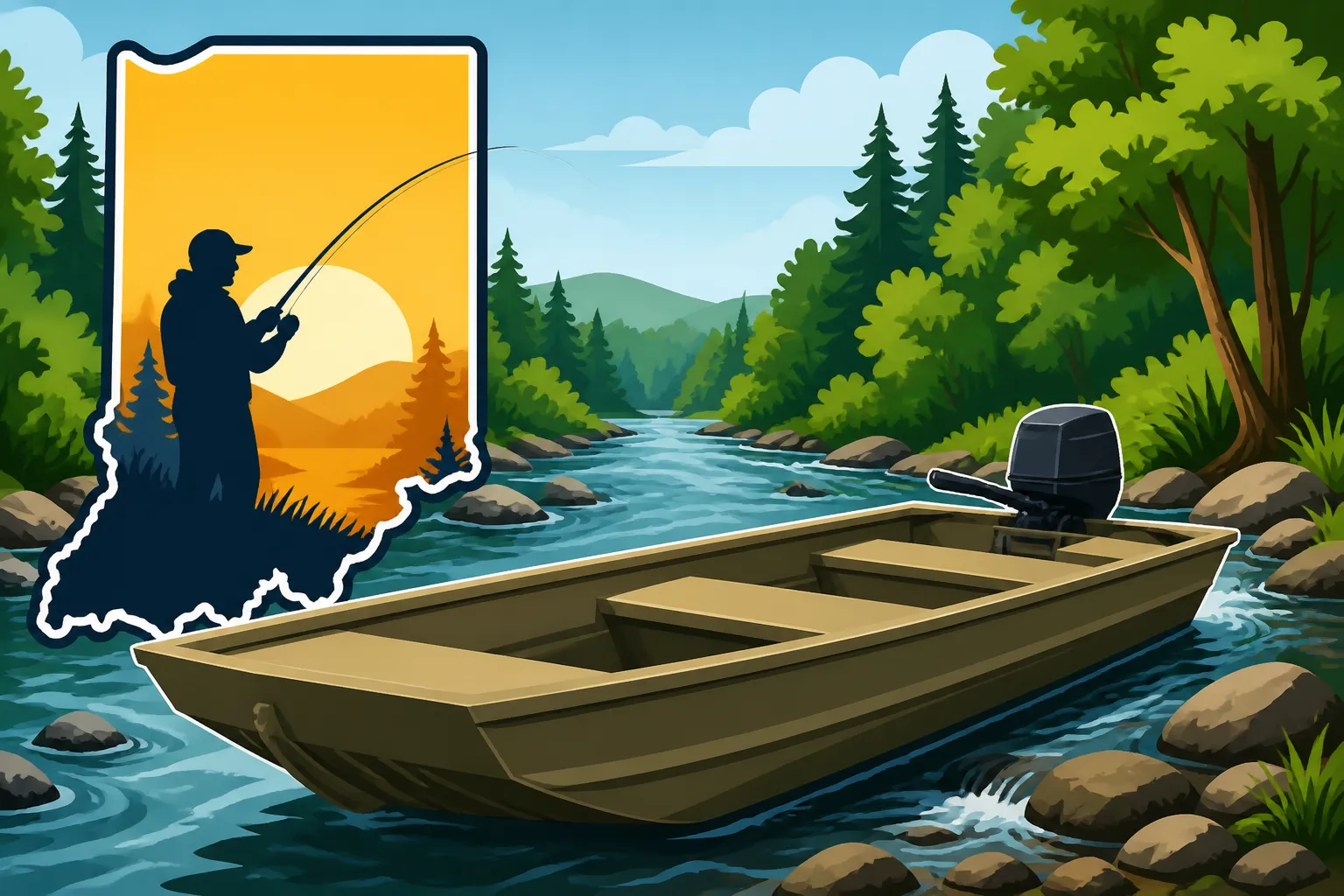
When you look at a Jon boat, you might think it's just a simple, flat-bottomed aluminum box, and in a way, you're right! But that very simplicity is its superpower, especially when you're talking about navigating the often unpredictable conditions of rivers and streams. Unlike deep-V hulls designed for cutting through choppy lake waters, Jon boats are built with a specific purpose: getting you into those shallow, hard-to-reach honey holes that other anglers can only dream about.
They are the workhorses of the angling world for a reason. Imagine trying to get a large bass boat through a winding creek with submerged logs and sandbars – it's a recipe for disaster. A Jon boat, on the other hand, just seems to shrug off these challenges, allowing you to focus on the fishing rather than constantly worrying about your propeller or hull. This makes them an invaluable tool for any Indiana angler looking to explore beyond the main reservoirs.
Shallow Draft and Maneuverability
The single most significant advantage of a Jon boat for river and stream fishing is its incredibly shallow draft. Because of its flat bottom, the boat sits on the water rather than in it. This means you can glide over inches of water, easily clearing sandbars, submerged rocks, and shallow riffles that would stop a traditional V-hull dead in its tracks. Picture this: you're exploring a narrow section of the Tippecanoe River, and you see a promising bend where a log jam has created a perfect ambush point for smallmouth bass. With a deep-V, you'd have to cast from a distance, but in a Jon boat, you can often motor right up to the edge of that structure, making precise casts.
This shallow draft also translates directly into superior maneuverability in tight spaces. Rivers and streams aren't always straight highways; they often twist and turn, feature tight bends, and present obstacles that require quick reactions. A Jon boat, especially a smaller one, can pivot on a dime, allowing you to navigate those challenging sections with confidence. You can easily spin the boat around to fish a specific bank or pull up alongside a fallen tree without worrying about getting hung up. It really opens up so many possibilities for exploring new water.
Durability and Simple Construction
Another huge selling point for Jon boats is their rugged durability and straightforward construction. Most Jon boats are made from aluminum, a material known for being lightweight yet incredibly strong. Rivers and streams are not always kind to boats. You'll encounter stumps, rocks, gravel beds, and sometimes even debris washed down by recent rains. A fiberglass boat might suffer significant gel coat damage or even structural cracks from these encounters, but an aluminum Jon boat is built to take a beating.
The simple design also means fewer things to break. There aren't complex hull shapes, intricate livewell systems built into the structure, or fancy consoles to worry about. This translates to lower maintenance and easier repairs if something does happen. A ding or a scrape on an aluminum hull is often just a cosmetic issue, or at worst, a simple weld job. This peace of mind is invaluable when you're out exploring remote stretches of water, knowing your boat can handle the rough and tumble of river life. It’s truly a boat built for purpose, not just for looks.
Key Features to Look for in a River and Stream Jon Boat
Choosing the right Jon boat isn't just about picking the first flat-bottomed aluminum boat you see. There are specific features and considerations that will make your experience on Indiana's rivers and streams much more enjoyable and productive. Thinking through these points before you buy can save you a lot of headaches and ensure you get a boat that truly fits your angling adventures. You want a boat that works with the water, not against it, and these features are key to that synergy.
Size and Weight Considerations
The size of your Jon boat will significantly impact its performance and versatility on rivers and streams. Smaller Jon boats, typically in the 10-14 foot range, are incredibly lightweight and highly maneuverable. They're perfect for narrow, winding streams where larger boats simply can't go. You can often launch these smaller boats by hand, or easily slide them in and out of less-developed access points. This is a huge advantage if you prefer to explore out-of-the-way stretches of water that don't have proper ramps.
However, a smaller boat means less space for gear and fewer passengers. If you often fish with a buddy, or carry a lot of tackle, a 14-16 foot Jon boat might be a better compromise. These larger models offer more stability and deck space, which is great for standing and casting, but they will naturally be heavier and require a trailer for transport. Consider how you fish, how much gear you bring, and the typical conditions of the waterways you plan to frequent. A 12-foot boat might be perfect for a solo angler on Sugar Creek, but less ideal for two people and camping gear on a broader river like the Wabash.
| Feature | Small Jon Boat (10-14 ft) | Medium Jon Boat (14-16 ft) | Large Jon Boat (16-18 ft) |
|---|---|---|---|
| Maneuverability | Excellent, very nimble | Good, responsive | Moderate, wider turns |
| Draft | Extremely shallow | Very shallow | Shallow |
| Weight | Very light, often car-toppable | Moderate, trailer needed | Heavy, sturdy trailer required |
| Capacity | 1-2 anglers, minimal gear | 2-3 anglers, moderate gear | 3-4 anglers, substantial gear |
| Access | Remote, unimproved banks, small ramps | Most ramps, some unimproved banks | Standard ramps |
| Stability | Good for size, can feel tippy if small | Very good, stable for standing | Excellent, very stable |
| Engine Size | Small outboards (2.5-10 HP) | Small to medium outboards (10-25 HP) | Medium to large outboards (25-50 HP) |
Transom Height and Motor Compatibility
The transom height of a Jon boat is a crucial factor, especially when it comes to motorizing your vessel. Jon boats typically come with either a short shaft (15-inch) or a long shaft (20-inch) transom. Most smaller, river-focused Jon boats are designed for short shaft outboards. Using an outboard with the incorrect shaft length can lead to all sorts of performance issues, from the propeller ventilating (sucking air) in choppy water to the motor dragging excessively in shallow areas. Always double-check the recommended transom height for any boat you're considering and match it to your outboard motor.
Speaking of motors, for river and stream fishing, you'll often be running in very shallow water, so a smaller, lighter outboard is usually preferred. Many anglers opt for a 5-15 horsepower motor, which provides plenty of thrust for navigating currents without being overly heavy or requiring too much draft. Electric trolling motors are also incredibly popular for silent, stealthy approaches to fishing spots and for holding position in current. You might even want to consider models specifically designed for shallow water running, sometimes called "surface drive" or "mud motor" style outboards, if you frequently fish extremely skinny water. Pairing the right motor with the right transom is key to an efficient and enjoyable day on the water.
Material and Construction Quality
While most Jon boats are aluminum, there's still a range in quality and construction methods. The thickness of the aluminum, often measured in gauge or thousandths of an inch (e.g., .064 or .080 gauge), is a good indicator of durability. Thicker gauge aluminum will naturally be more resistant to dents and punctures, which is a significant plus when you're bumping over submerged obstacles or navigating rocky riverbeds. Think about how often you plan to use the boat and the typical conditions you'll face; investing in a slightly thicker hull can pay dividends in longevity and peace of mind.
Also, pay attention to how the seams are constructed. Welded seams generally offer greater strength and fewer potential leak points than riveted seams, though modern riveting techniques are also very robust. Look for sturdy bench seats, reinforced transoms, and robust gunwales that can handle the occasional bump or scrape. Reputable brands often provide these details in their specifications, whether you're looking at a new boat at Bass Pro Shops or browsing options online. A well-built Jon boat will be a faithful companion for many years of river adventures.
Outfitting Your Jon Boat for Indiana's Waterways
Once you've chosen the perfect Jon boat, the next step is to outfit it properly for the unique challenges and opportunities that Indiana's rivers and streams present. This isn't just about throwing some gear in; it's about making thoughtful choices that enhance safety, convenience, and your overall fishing success. Think about how you’ll store your gear, move around the boat, and keep yourself safe, especially when encountering strong currents or unexpected obstacles.
The right accessories can transform a basic aluminum hull into a highly functional fishing machine tailored to your specific needs. From anchoring in current to navigating silently, every addition should serve a purpose in these often dynamic environments. It's about maximizing your time on the water and minimizing the hassles.
Essential Accessories for Safety and Convenience
Safety should always be your top priority. Make sure you have enough U.S. Coast Guard-approved Best Life Jackets for Indiana Boaters for everyone on board, and that they fit properly. A throwable flotation device is also a must, especially in rivers where current can quickly carry someone downstream. Beyond flotation, a basic first-aid kit, a whistle or air horn, and navigation lights (if you plan to be out at dawn, dusk, or after dark) are all crucial. Don't forget to check out the Best Boater Safety Gear Checklist to ensure you're fully prepared.
For convenience, consider a robust anchoring system. A traditional anchor might work in some spots, but a shallow-water anchor or a "stick anchor" system can be incredibly effective for holding position in current without disturbing the bottom too much. Rod holders are also a game-changer, keeping your expensive rods secure and out of the way when you're motoring or handling fish. A small, dry storage box for your phone, keys, and wallet is also a smart addition, protecting your valuables from splashes and unexpected rain showers. And for keeping your catch fresh, a quality cooler is indispensable, ensuring your fish goes from the water to your plate in prime condition. You can find many great options for Best Coolers for Keeping Fish Fresh on a Boat at local sporting goods stores or online.
Motorization Options for Shallow Water
While an outboard motor provides propulsion, a good trolling motor is often the true heart of a river and stream fishing Jon boat. Electric trolling motors allow for silent approach to fish, precise boat positioning, and the ability to creep upstream against a gentle current. For rivers, a bow-mounted trolling motor with a longer shaft (to reach the water effectively from the bow) and sufficient thrust (often 50-80 lbs for a 14-16 foot Jon boat) is highly recommended. Some even come with GPS features for spot-locking, which is incredible for holding your position against current or wind while you cast.
If you’re running a small outboard, consider adding a "hydrofoil" or "whale tail" to the cavitation plate. These inexpensive accessories can help the boat plane faster and stay on plane at lower speeds, which is beneficial in shallow water where you might not want to run at full throttle. For those really skinny spots, some anglers opt for specialized surface drive motors that are designed to operate in just inches of water. You can find basic Best Trolling Motors for Indiana Farm Ponds that work well for smaller Jon boats on streams, or heavier-duty models suited for larger rivers, often available through retailers like Bass Pro Shops or online at Amazon.
Where to Find Your Perfect Jon Boat
Finding the right Jon boat doesn't have to be a daunting task. With a little research and a clear idea of your needs, you can navigate the market effectively. Whether you prefer the smell of a new boat or the thrill of finding a used gem, there are plenty of avenues to explore in Indiana and beyond. Remember, the goal is to get you on the water, comfortably and safely, for those awesome river and stream adventures.
New vs. Used Considerations
Deciding between a new or used Jon boat really comes down to budget, priorities, and how much time you're willing to invest in potential repairs or customization.
New Jon Boats:
- Pros: Come with a warranty, no hidden issues, latest features and designs, often pristine condition. You can usually choose exactly the size and configuration you want. You get the peace of mind knowing no one has abused it.
- Cons: Higher price point, immediate depreciation.
Used Jon Boats:
- Pros: Significantly more affordable, often comes with extras like a trailer, motor, or even a trolling motor included in the price. Great for those on a tighter budget or who enjoy tinkering and customizing. Many well-maintained used boats can offer years of service.
- Cons: No warranty, potential for hidden damage or mechanical issues (especially with older motors), might require some cleaning or repair work. You'll need to inspect it thoroughly or have a knowledgeable friend help.
If you're new to boating or prefer to avoid potential headaches, a new Jon boat might be the way to go. However, if you're handy and looking for a bargain, a used Jon boat can be an excellent value. Always ask for service records if buying used, and if possible, take it for a test run.
Online and Local Retailers
For new Jon boats, your best bet is to visit local boat dealerships or large outdoor retailers. Stores like Bass Pro Shops often carry a range of Jon boat brands and models, allowing you to see them in person, compare sizes, and talk to sales associates about specific features. This also gives you the opportunity to sit in the boat and get a feel for its ergonomics, which is something you can't do online. Local dealers might also offer package deals that include a motor and trailer, making the purchase process very convenient.
When it comes to used Jon boats, the options are even more diverse. Online marketplaces like Craigslist, Facebook Marketplace, and dedicated boat listing sites are goldmines for used boats. Don't overlook local classifieds, consignment shops, or even word-of-mouth within fishing communities. Sometimes the best deals are found through friends or fellow anglers. Websites like Amazon also sell some smaller, portable Jon boat models or accessories, but for a full-sized fishing vessel, a physical inspection is almost always recommended. Remember to inquire about the boat's history, check the title and registration, and ensure everything is in order before making a purchase. Knowing Indiana Boat Registration Rules Explained will be helpful before you buy. Also, don't forget to consider how you'll launch it; reviewing tips on How to Back a Boat Trailer Down a Boat Ramp can save you some embarrassment on your first trip!
Disclaimer
This article is for general informational purposes only and does not constitute professional advice. Laws, prices and regulations vary by location and change over time. Consult a qualified professional for guidance on your specific situation.