Indiana’s $3 Senior Annual Fishing License
It can be incredibly frustrating navigating the various fishing license options, especially when you've reached a certain age and just want to enjoy the peace of the water without a bureaucratic headache. For Indiana's senior residents, there's a fantastic, often overlooked option that can save you money and keep you on the water: the $3 annual fishing license. This guide will walk you through everything you need to know to take full advantage of this incredible benefit.
Understanding the Indiana Senior Fishing License Program
Indiana genuinely appreciates its senior anglers, and the $3 annual fishing license is a testament to that. It's designed to make fishing accessible and affordable for those who have contributed so much to our communities, allowing them to continue enjoying the Hoosier State's beautiful lakes, rivers, and streams. This isn't just a small discount; it's a significant saving compared to the standard annual resident license, which is currently $23.
Who Qualifies for the $3 Annual License
Eligibility for the $3 annual senior fishing license is quite straightforward, but it's crucial to meet all the criteria to ensure you're compliant. First and foremost, you must be a resident of Indiana. This means you maintain your primary domicile in the state and have done so for at least 60 consecutive days immediately preceding your application. The second key requirement is age: you must be 65 years old or older. The state wants to make sure these benefits go to the folks who are truly in their golden years and looking for an affordable way to enjoy their leisure time.
It's not enough to simply be 64 and turning 65 soon; you must have already celebrated that 65th birthday. The Indiana Department of Natural Resources (DNR) system will verify your age and residency when you apply. This means when you’re filling out the application, whether online or in person, make sure all your details match your official identification, like your Indiana driver's license or state ID card. Getting these details right from the start will prevent any delays in getting your license printed and ready for your next fishing adventure.
The Benefits of the Annual Senior License
Beyond the obvious financial savings, the $3 annual senior license offers all the same privileges as a standard resident annual license. This means you can fish most public waters across Indiana for a full license year without worrying about separate permits for different species (with the exception of the trout and salmon stamp, which we'll get into later). It covers a vast array of species, from largemouth bass in Monroe Lake to channel catfish in the Wabash River, and panfish in your local pond. You're not restricted in terms of where you can fish, as long as it's legal and open to the public.
This affordable option also encourages more senior citizens to get out and stay active, which is fantastic for physical and mental well-being. Imagine spending a crisp fall morning on a quiet lake, or a warm summer evening casting from a pier, knowing you've secured your fishing access for pennies on the dollar. It’s a small investment for countless hours of enjoyment and connection with nature. Plus, it simplifies the process year after year – no complicated forms, just a quick renewal to keep you legally casting. You can learn more about all the various requirements in our detailed guide on Indiana Fishing License Requirements Explained.
Comparison with the Fish-for-Life Option
While the $3 annual senior license is a fantastic deal, it's not the only option for senior anglers in Indiana. The state also offers a "Senior Fish-for-Life" license. This is a one-time purchase that covers your fishing privileges for the rest of your life, provided you remain an Indiana resident. It might seem like a bigger upfront cost, but for many, it's an even better long-term investment.
Let's look at a quick comparison:
| Feature | $3 Annual Senior License | Senior Fish-for-Life License |
|---|---|---|
| Cost | $3 per year | $23 (one-time purchase) |
| Duration | Valid for one license year (April 1 to March 31) | Valid for the lifetime of the angler |
| Eligibility | Indiana Resident, 65+ years old, purchased annually | Indiana Resident, 64+ years old (can be purchased at 64, becomes effective at 65) |
| Renewal | Required annually | No renewal ever needed |
| Long-term Savings | Depends on how many years you purchase | Pays for itself after the first year compared to annual standard resident license, or after 7.6 years compared to the $3 senior annual |
| Trout/Salmon Stamp | Not included; must be purchased separately annually | Not included; must be purchased separately annually |
As you can see, the Senior Fish-for-Life license, while initially costing more, quickly pays for itself if you plan on fishing for more than a few years after turning 65. If you're 65 and purchase the Fish-for-Life, it's like buying seven and a half years of the $3 annual license upfront. Many seniors find this to be the ultimate convenience, as they never have to think about renewing their base fishing license again. For a deeper dive, check out our article on The Senior Fish-for-Life License, Indiana's One-Time Option.
How to Purchase or Renew Your Senior Annual License
Getting your $3 annual senior fishing license is designed to be as easy as possible, whether you prefer the convenience of online transactions or the personal touch of an in-person visit. The Indiana DNR has streamlined the process to ensure you spend less time on paperwork and more time on the water.
Online Purchase Through the Indiana DNR
For many, the easiest and quickest way to purchase or renew their Indiana fishing license is online, directly through the Indiana DNR's license portal. You can do this from the comfort of your home, any time of day or night. All you need is an internet connection and a payment method. The website is user-friendly, guiding you step-by-step through the process. You'll typically be asked to enter some personal information, like your name, address, date of birth, and driver's license or state ID number. The system will then verify your residency and age eligibility automatically.
Once your information is confirmed, you'll select the "$3 Resident Annual Fishing" license option. After processing your payment, you'll receive a printable copy of your license immediately. You can also save a digital copy on your phone or other device, which is perfectly valid as proof of license in Indiana. Just make sure your phone is charged! This method is incredibly efficient and avoids any potential lines or travel, making it perfect for those who prefer digital convenience. If you need a refresher on the general steps, our guide on How to Get an Indiana Fishing License can help.
Buying In-Person or Over the Phone
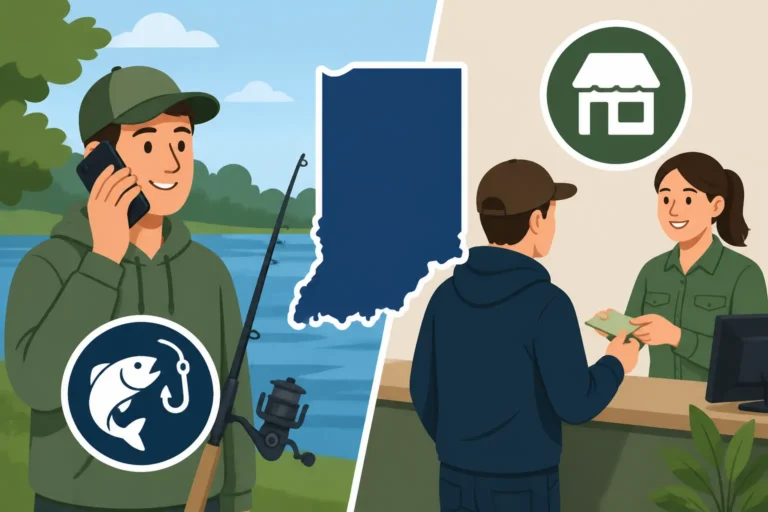
If you're not comfortable with online transactions or simply prefer to speak with someone, you have options! You can purchase your $3 annual senior fishing license in person at various authorized license vendors across the state. These vendors often include bait and tackle shops, sporting goods stores, some county clerks' offices, and even some large retailers like Walmart or Meijer. It’s always a good idea to call ahead to confirm they sell fishing licenses, especially the senior specific ones, before you make a trip.
When buying in person, remember to bring your valid Indiana driver's license or state ID card, as the vendor will need to verify your residency and age. The process is usually quick, and you'll walk out with a physical copy of your license right away. Alternatively, you can also purchase licenses over the phone by calling the DNR's customer service number. They can guide you through the process and help you acquire your license. Having these multiple avenues ensures that every senior angler, regardless of their tech comfort level, can easily get their license. For those looking to renew, the steps are largely similar, and you can find more specific details in our article on Renewing an Indiana Fishing License Online.
What Information You'll Need
Regardless of how you choose to purchase your $3 senior annual fishing license, having the correct information readily available will make the process much smoother. The most critical pieces of information are:
- Proof of Indiana Residency: Your valid Indiana driver's license or state identification card is the primary way to confirm this. It needs to show an Indiana address.
- Proof of Age: Again, your driver's license or state ID will serve this purpose, as it clearly lists your date of birth. You must be 65 years or older.
- Full Name and Current Address: Make sure these match your official identification.
- Date of Birth: Essential for age verification.
- Physical Characteristics: Sometimes, you might be asked for details like your height, weight, eye color, and hair color, similar to what's on a driver's license. This helps with identification if you ever need a replacement license.
- Social Security Number: The DNR is required to collect your Social Security Number for child support enforcement purposes, as mandated by federal law. This information is kept confidential.
- Payment Method: A credit or debit card for online or phone purchases, or cash/card for in-person transactions.
Having these details handy will prevent any unnecessary delays. It's like preparing your tackle box before a fishing trip – a little preparation goes a long way to ensure everything runs smoothly once you're ready to cast.
Key Regulations and Additional Stamps for Senior Anglers
Even with the convenience of your $3 senior annual fishing license, it’s important to remember that it’s just one piece of the puzzle. Fishing in Indiana comes with a set of rules and, for certain species, additional requirements. Staying informed about these regulations ensures you have a legal and enjoyable time on the water.
Do You Need a Trout and Salmon Stamp?
This is a common question, and the answer is a resounding "yes," if you plan on targeting trout or salmon. Your base $3 annual senior fishing license covers most freshwater species in Indiana, but trout and salmon are special. To fish for or possess trout or salmon in Indiana waters, you must also purchase a valid Indiana Trout and Salmon Stamp. This stamp costs an additional $11 for residents, regardless of age.
Think of it as an add-on for a specific type of fishing. If you're heading to the Lake Michigan tributaries for the fall salmon run or planning to fish one of the DNR-stocked trout streams, that stamp is non-negotiable. Without it, even if you have your senior fishing license, you could face penalties for possessing trout or salmon. The stamp is typically valid for the same license year as your annual fishing license. So, if you're planning a trip to the St. Joseph River or Lake Michigan for these prized species, don't forget this crucial extra. For more information, check out our guide on Do You Need a Trout and Salmon Stamp to Fish for Trout?.
Understanding Statewide Bag and Length Limits
While your $3 license gets you the right to fish, it doesn't give you the right to keep as many fish as you want, or fish of any size. Indiana has very specific regulations regarding bag limits (how many fish of a certain species you can keep per day) and length limits (the minimum or maximum size a fish must be to be legally kept). These rules are in place to ensure sustainable fish populations for future generations of anglers.
These limits vary significantly by species and sometimes even by specific body of water. For example, the statewide daily bag limit for largemouth, smallmouth, and spotted bass combined is typically five fish, with a minimum size limit in most waters. Walleye often have a minimum length requirement, which can even vary by lake! Panfish like bluegill and crappie usually have more generous limits, often 25 per species per day. It’s absolutely critical to consult the most current Indiana Fishing Guide, published by the DNR, before each fishing trip. You can often pick up a physical copy at license vendors or access it digitally on the DNR website. Ignorance of the law is not an excuse, and game wardens are diligent about enforcing these rules. Our comprehensive guide on Indiana Fishing Regulations and Bag Limits Guide provides an excellent overview.
Reciprocity with Neighboring States
For senior anglers living near Indiana's borders, the question of license reciprocity often comes up. Does your Indiana senior fishing license work in Ohio, Michigan, Illinois, or Kentucky waters? The short answer is: generally, no. A standard Indiana fishing license (including your senior annual one) is typically only valid for waters entirely within Indiana's state lines.
However, there can be exceptions for specific border waters, usually rivers, where agreements might exist. For instance, sometimes a reciprocal agreement might be in place for a shared body of water like the Ohio River or certain sections of the Wabash. These agreements are usually very specific and can change. For example, there's often discussion about Indiana Fishing License Reciprocity With Ohio or Indiana Fishing License Reciprocity With Michigan. To be safe, if you plan to fish in waters that straddle a state line or are entirely within a neighboring state, assume you will need a valid fishing license from that state, even if you’re an Indiana resident. Always check with the DNRs of both states involved to avoid any legal issues. It’s better to have two licenses than to risk a fine!
Making the Most of Your Senior Fishing License
Having your $3 annual senior fishing license in hand is just the first step. The true joy comes from planning your adventures, gathering the right gear, and discovering the incredible fishing opportunities Indiana has to offer.
Planning Your Fishing Trips in Indiana
With your license secured, the Hoosier State truly opens up for exploration. Indiana boasts a diverse range of fishing environments, from the vast expanse of Lake Michigan to serene glacial lakes, winding rivers, and countless smaller ponds and reservoirs. A great starting point for any senior angler is to consider what kind of fishing experience they’re looking for. Are you hoping for a peaceful day of catching bluegill from a dock? Or perhaps a more adventurous outing targeting walleye from a boat?
The time of year also plays a huge role in planning. Spring and fall often offer some of the best fishing for many species as water temperatures are favorable. For example, spring is fantastic for crappie, while fall is prime for bass and the famous Lake Michigan salmon and steelhead runs. You might want to consider visiting some of the state's popular spots like Monroe Lake for bass, Patoka Lake for crappie, or the St. Joseph River for trout. Don't forget to check local fishing reports or the Indiana DNR's weekly reports for current conditions and what's biting. Our guide to Best Fishing Spots in Indiana can give you plenty of ideas to get started.
Essential Gear for Senior Anglers
While fishing can be as complex or as simple as you make it, having the right gear can significantly enhance your experience, especially for senior anglers who might prioritize comfort and ease of use. You don't need to break the bank to get started, but a few key items will make a world of difference.
- Comfortable Rod and Reel: An ultralight spinning combo is often ideal for panfish, while a medium-action spinning or baitcasting setup is versatile for bass and walleye. Focus on a lightweight setup that’s easy to handle for extended periods. You can find excellent budget-friendly options on platforms like Amazon.
- Appropriate Bait and Tackle: Live bait like worms or minnows are always effective, especially for panfish and catfish. For lures, start with a few basic jigs, spinners, and soft plastics. Don't overload your tackle box; keep it simple and organized.
- Comfortable Seating: A portable fishing chair or bucket with a padded lid can make a long day on the bank much more enjoyable.
- Sun Protection: A wide-brimmed hat, polarized sunglasses (polarized lenses cut glare off the water, making it easier to spot fish and structure), and sunscreen are non-negotiable for sun safety.
- First-Aid Kit: Always wise to have one on hand for minor scrapes or hooks.
- Landing Net: Especially helpful for larger fish or if you have mobility challenges, preventing lost fish at the boat or bank.
Remember, the goal is to make fishing enjoyable and stress-free. Invest in gear that suits your personal needs and preferences. Our guide on Best Fishing Rods and Reels for Freshwater Fishing offers some great recommendations.
Exploring Indiana's Best Fishing Spots
Indiana offers a rich tapestry of fishing opportunities, and your $3 senior license gives you access to almost all of it. From the deep glacial lakes of northern Indiana to the large reservoirs in the central and southern parts of the state, there's a perfect spot for every angler.
- Northern Indiana Lakes: Lakes like Wawasee, Webster, and James Lake in Kosciusko County are renowned for their muskie, pike, and walleye populations. These clear, deep waters offer fantastic challenges and rewards. Many of these lakes also have excellent public access points and comfortable fishing piers, perfect for a relaxing day.
- Central Indiana Reservoirs: Monroe Lake, Patoka Lake, and Brookville Lake are massive bodies of water famous for their bass, crappie, and catfish. These reservoirs feature numerous boat ramps, expansive shorelines, and often offer amenities like restrooms and picnic areas. They're great for a full day's outing or even a weekend camping and fishing trip.
- Rivers and Streams: The Wabash, White, and Tippecanoe Rivers offer excellent fishing for smallmouth bass, channel catfish, and even some walleye in certain sections. River fishing can be a bit more dynamic, often requiring careful navigation or specific bank access points. Always check river conditions and safety before heading out.
No matter where you choose to go, always prioritize safety. Tell someone where you're going and when you expect to return. Be aware of weather conditions and wear appropriate clothing. A thermos of coffee or hot chocolate, and some snacks, always make the day better. Many great resources for finding fishing spots, including detailed maps and access points, can be found on the Indiana DNR website or through apps available on platforms like Amazon.
Common Questions and Troubleshooting for Senior Licenses
Even with a straightforward program like the $3 annual senior fishing license, questions can arise. Knowing the answers to common queries can save you time and ensure your fishing adventures remain hassle-free.
What Happens if You Lose Your License?
It happens to the best of us! You're out on the water, reach for your license, and… it's gone. Don't panic. If you purchased your license online, you can often log back into the Indiana DNR's licensing portal and reprint it at no additional charge. This is one of the big advantages of the digital system.
If you purchased your license in person and don't have a digital copy, you might be able to get a replacement by visiting any authorized license vendor or contacting the DNR directly. There may be a small fee for a duplicate license, but it's usually minimal. The key is not to fish without a valid license in your possession (or digitally accessible on your device), as penalties for fishing without a license can be steep. A good practice is to take a photo of your license with your smartphone after you receive it, giving you a backup digital copy in a pinch.
Understanding the Fishing License Year
Indiana's fishing license year operates on a fixed schedule, which is different from a calendar year, and it’s a detail that often trips up anglers. For annual licenses, including the $3 senior annual option, the license year runs from April 1st through March 31st of the following year. This means if you buy your license in July, it's still only valid until the following March 31st, not a full 12 months from your purchase date.
Many anglers find this system a bit counterintuitive, especially if they're used to other states or licenses that are valid for a year from the date of purchase. However, once you know it, it's easy to plan around. You'll need to purchase a new license (or renew your existing one) every April 1st if you want to continue fishing. This consistent start date makes it easy to remember when to renew. Our article Understanding the Fishing License Year Before You Buy delves deeper into this topic.
Addressing Eligibility Concerns
Sometimes, despite meeting the age and residency requirements, an angler might encounter an issue with their license application. This could be due to outdated information in the system, a typo during online entry, or a temporary system glitch. If you believe you are fully eligible for the $3 senior annual fishing license but are having trouble purchasing it, here are some steps to take:
- Double-Check Your Information: Carefully review all the personal details you entered. A misspelled name, incorrect date of birth, or old address could cause a mismatch.
- Contact the Indiana DNR: The DNR customer service is your best resource. They can look up your records, clarify eligibility, and often troubleshoot issues directly. Have your Indiana driver's license or state ID ready when you call.
- Visit an Authorized Vendor: Sometimes, a local vendor can help process the application more effectively, especially if there's a minor discrepancy. They have direct access to the licensing system and can often override minor issues with proper identification.
- Review Residency Requirements: Ensure you unequivocally meet the 60-day residency rule. If you've recently moved to Indiana, you might need to wait until you fulfill this requirement.
It’s always worth reaching out to the DNR for clarification. They want you to be able to enjoy fishing legally, and their staff are usually very helpful in resolving any eligibility questions or technical hiccups. Don't let a small administrative hurdle keep you from the relaxation and enjoyment that fishing brings, especially with the fantastic Senior Citizens Fishing Discounts Explained for Hoosier seniors.
Disclaimer
The information provided in this guide is for general informational purposes only and is subject to change. While we strive to provide accurate and up-to-date information, fishing regulations and licensing requirements can be updated by the Indiana Department of Natural Resources (DNR) at any time. Always consult the official Indiana Fishing Guide published by the DNR or visit their official website for the most current and authoritative information before engaging in any fishing activities. Compliance with all state and local laws is the responsibility of the individual angler.