Best Boats for Fishing Lake Wawasee in Indiana
Choosing the perfect boat for fishing on Lake Wawasee can feel like a daunting task, especially with the lake's unique characteristics and diverse angling opportunities. You want something that handles the sometimes choppy conditions, provides comfort for a full day on the water, and is equipped to help you target everything from trophy muskie to abundant panfish. This guide aims to cut through the confusion, helping you understand the best boat types and features to consider for an optimal fishing experience on Indiana's largest natural lake.
Understanding Lake Wawasee's Unique Characteristics for Boating
Lake Wawasee is a gem in northern Indiana, offering fantastic fishing, but it's also a bustling hub for recreational activities. Understanding its specific traits is the first step in choosing a boat that will serve you well. It's not just about what fish you want to catch; it's about how the lake itself behaves.
Wawasee's Size, Depth, and Water Activity
Lake Wawasee boasts a sprawling surface area, making it a significant body of water. Its sheer size means you can find plenty of open water, but also that conditions can change rapidly. A calm morning can turn into a windy afternoon with considerable chop, especially when combined with the heavy recreational traffic the lake experiences. From jet skis to pleasure cruisers, Wawasee can get busy, particularly on weekends and holidays. This means your boat needs to handle wakes from other vessels, providing a stable and safe platform for fishing. You don't want to be constantly battling waves while trying to maintain your position over a fish school or make a precise cast. The depth varies significantly, with shallower bays and channels giving way to deeper main lake basins. This requires a boat that can navigate diverse depths without issue, or at least one designed for your specific target zones. For more on the lake itself, check out Lake Wawasee: Indiana's Largest Natural Lake.
Navigating a busy lake like Wawasee also impacts the kind of hull design that will provide the most comfortable ride. A boat with a deeper V-hull will cut through chop more effectively, reducing the jarring impact of waves and wakes. Flat-bottomed boats, while great for shallow water access, can be quite bumpy in anything but glass-smooth conditions, which are often fleeting on Wawasee. Think about the duration of your fishing trips; a rough ride might be tolerable for an hour, but after a full day of bouncing around, it can really take a toll. Therefore, selecting a boat that offers a good balance of stability and ride comfort, especially in potentially rougher water, is crucial for an enjoyable and productive fishing experience.
The Diverse Fisheries of Lake Wawasee
Lake Wawasee is renowned for its diverse fish population, which includes largemouth bass, smallmouth bass, crappie, bluegill, yellow perch, walleye, and, notably, a thriving population of muskellunge. This variety means that what you plan to target heavily influences your ideal boat setup. If you're a dedicated muskie hunter, you'll need ample casting deck space and storage for oversized rods and lures. If panfish are your primary quarry, a more stable, slower platform might be preferable for gentle jigging. Where to Catch Muskellunge on Lake Wawasee highlights just how serious muskie fishing can be here.
For example, anglers targeting crappie often seek out submerged brush piles, weed lines, and docks in shallower areas or around structure, making a stable platform for vertical jigging or slow trolling essential. Conversely, walleye might be found deeper, requiring electronics and the ability to cover water efficiently. Bass anglers often need speed to move between spots and spacious casting decks for pitching and flipping into cover. Considering the diverse techniques required for these species – from fast-paced casting to subtle live bait presentations – your boat's layout and features should align with your fishing style. A boat that attempts to do everything might not excel at any one thing, so prioritizing your target species helps narrow down the choices. Lake Wawasee Crappie Fishing Spots are often found near structure, where a stable boat is key.
Popular Boat Types for Fishing Lake Wawasee
When it comes to fishing Lake Wawasee, several boat types stand out, each with its own set of advantages and disadvantages. Your personal fishing style, the species you target, and whether you plan to bring family or friends along will heavily influence which type is best for you.
Pontoon Boats: The Social and Stable Choice
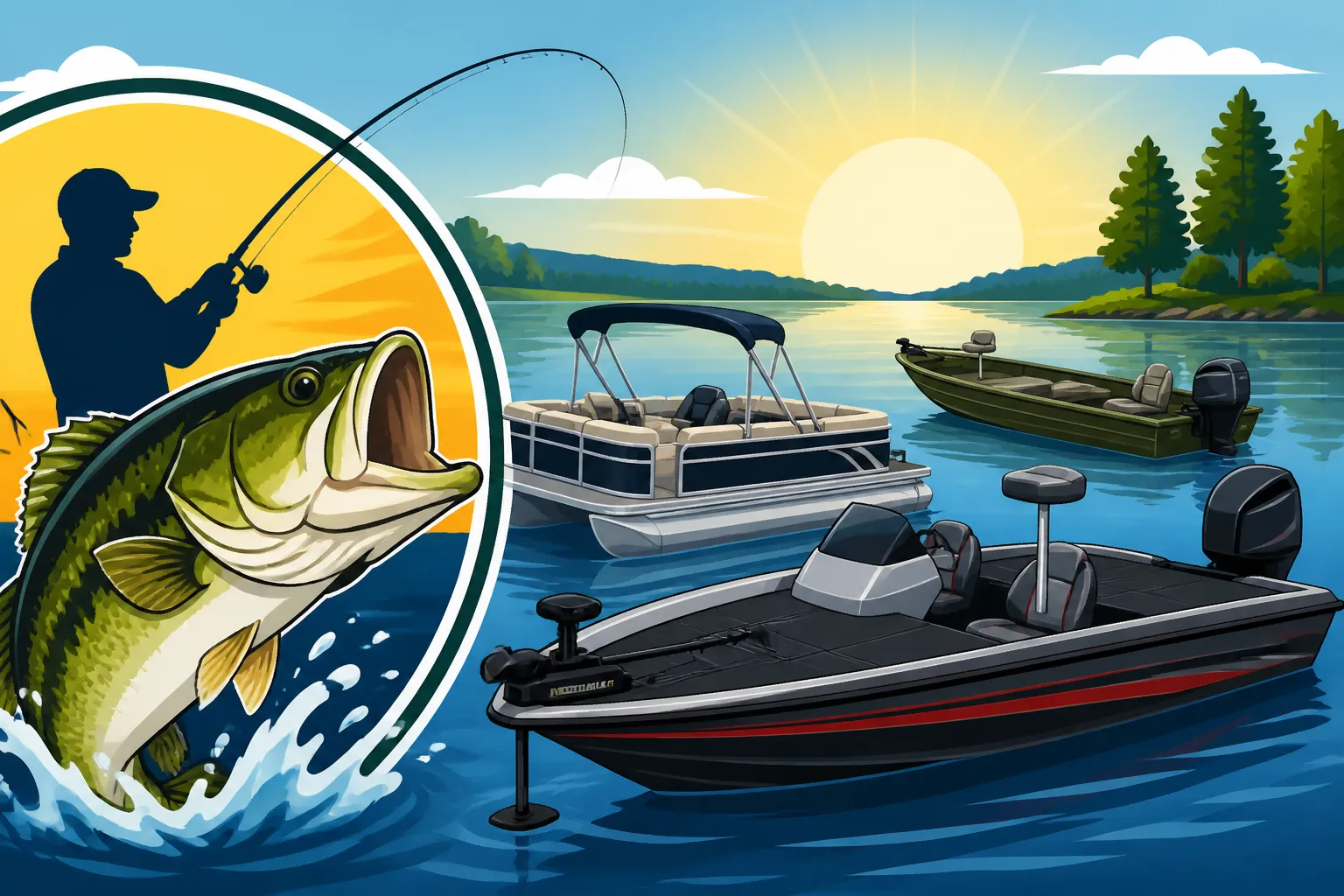
Pontoon boats have gained immense popularity as fishing platforms, and for good reason, especially on a lake like Wawasee. Their most significant advantage is the sheer amount of deck space and unparalleled stability. This makes them ideal for family fishing trips, allowing multiple anglers to cast comfortably without bumping elbows. Imagine a leisurely day drifting over a Lake Wawasee Walleye Fishing Access Points with friends, everyone having their own space. Pontoons are fantastic for panfish and even bass, providing a high vantage point and a steady platform for vertical jigging or casting. Many modern pontoons are now specifically designed with fishing in mind, featuring built-in livewells, rod holders, and even dedicated fishing seats.
However, pontoons do have their drawbacks. While some high-performance models can achieve decent speeds, they are generally not as fast or maneuverable as a dedicated bass boat. This can be a concern if you need to quickly move across the lake to follow a bite or escape sudden bad weather. Their large footprint can also make them a bit trickier to navigate in very tight coves or around crowded docks. Despite this, for those prioritizing comfort, space, and a stable fishing experience on Wawasee, a pontoon boat, especially one equipped with a good trolling motor and fish finder, can be an excellent choice. They transform fishing into a truly social and relaxing activity.
Bass Boats and Multi-Species Vessels: For Serious Anglers
For the dedicated angler who values speed, performance, and specialized fishing features, bass boats and their multi-species counterparts are often the top choice. Bass boats are designed for rapid travel between fishing spots, allowing you to cover more water and react quickly to changing conditions. Their low-profile design and powerful engines mean you can get from one side of Wawasee to the other in a flash. They typically feature large, unobstructed casting decks both fore and aft, perfect for a stand-up casting approach for species like largemouth bass or the elusive muskie. The ample rod lockers keep expensive gear safe and organized, while aerated livewells ensure your catch stays healthy for weigh-ins or release.
Multi-species boats, often with a deeper V-hull than traditional bass boats, offer a compromise. They retain much of the speed and specialized features of a bass boat but are built to handle rougher water more comfortably, making them suitable for the main lake chop on Wawasee. These boats are designed to fish for a wider array of species, from trolling for walleye in open water to casting for bass along shorelines. While these boats offer superior performance and features for serious fishing, they do come with a higher price tag and generally less passenger comfort than a pontoon. They might not be the best choice for a large family outing, but for one or two focused anglers, they are highly efficient fishing machines. You can find a vast array of specialized rods and reels for these boats at retailers like Bass Pro Shops.
Aluminum Jon Boats and Utility Skiffs: Versatility on a Budget
For anglers seeking versatility, affordability, and ease of maintenance, aluminum jon boats and utility skiffs are worth considering for Lake Wawasee. These simple, rugged boats are incredibly durable and can often be launched in more shallow or less formal access points. Their flat or modified-V hull designs allow them to navigate very shallow waters, making them perfect for exploring those hard-to-reach back coves or skinny water stretches that larger boats can't access. They are lightweight, easy to trailer, and typically require less powerful (and therefore less expensive) outboard motors, keeping operating costs down.
While they might lack the plush seating of a pontoon or the speed of a bass boat, jon boats can be customized with aftermarket accessories like pedestal seats, trolling motors, and even basic fish finders to enhance their fishing capabilities. They're a fantastic option for an individual angler or a pair who prioritize functionality and budget. However, their open design offers little protection from the elements, and their shallower hulls can provide a bumpier ride in choppy conditions, which is definitely something to consider on a lake like Wawasee. If you plan to stick to calmer mornings or evenings, or focus on specific, protected areas, a well-outfitted jon boat or utility skiff can be a highly effective and economical choice. Many accessories can be found easily online via retailers like Amazon.
Key Features That Make a Difference on Wawasee
Choosing a boat isn't just about the type of hull; it's also about the features packed into it. On a lake like Wawasee, certain characteristics become particularly important, influencing not only your fishing success but also your comfort and safety.
Stability and Handling in Wawasee's Varied Conditions
Lake Wawasee, with its considerable size and popularity, can experience a wide range of water conditions. From mirror-smooth mornings to afternoons with significant chop from wind and boat traffic, your vessel needs to handle it all gracefully. Stability is paramount for fishing. A stable platform allows you to stand and cast confidently, retrieve a snagged lure, or reel in a powerful muskie without feeling like you're going to tumble overboard. This is where wider beams and hull designs, such as those found on pontoons or wider deep-V multi-species boats, truly shine. They offer a steady stance, reducing fatigue and improving your ability to focus on fishing.
Beyond stability, handling is key. You need a boat that responds predictably to steering, especially when navigating crowded channels, docking, or trying to hold a precise line against wind and current. A boat that tracks well and can turn efficiently is invaluable. Consider the overall balance of the boat when loaded with gear and passengers. Does it lean excessively in turns? Does it wallow in wakes? These factors contribute to a comfortable and safe experience. While speed is exciting, reliable handling and a smooth, stable ride often contribute more to an enjoyable day on Wawasee than sheer horsepower.
Essential Electronics and Trolling Motor Setup
In today's fishing world, electronics are no longer a luxury; they're an absolute necessity for serious anglers, especially on a complex lake like Wawasee. A good fish finder is your underwater eye, helping you locate structure, depth contours, and, of course, the fish themselves. Features like side-imaging and down-imaging can reveal submerged brush piles, weed beds, and even individual fish hiding in cover, giving you a distinct advantage. GPS capabilities are also incredibly useful for marking productive spots, navigating back to a precise location, and following intricate contours. Investing in a quality unit designed for freshwater lakes will pay dividends. For deeper insights, explore Best Fish Finders for Indiana Lake Fishing.
Equally important is a reliable trolling motor. For stealthily approaching shallow-water bass, precisely holding position over a crappie school, or slowly working a weed line for muskie, a quiet and powerful electric trolling motor is indispensable. Look for models with ample thrust for your boat's size and weight, and consider features like GPS-guided spot-lock, which automatically holds your boat in place even in wind or current. This frees you up to focus on fishing instead of constantly operating the motor. Whether bow-mounted or transom-mounted, a well-chosen trolling motor can significantly enhance your ability to effectively fish the various zones of Lake Wawasee. Many anglers consider a 24V or even 36V system necessary for consistent performance on Wawasee's larger areas.
Storage, Livewells, and Comfort Amenities
A truly effective fishing boat for Lake Wawasee needs to be more than just a platform; it needs to be an organized and comfortable fishing machine. Ample storage is crucial for keeping your rods, tackle boxes, safety gear, and personal items secure and out of the way. Look for dedicated rod lockers that protect your expensive gear from damage, dry storage compartments for electronics and valuables, and easy-access tackle storage for quick lure changes. A cluttered deck is not only inefficient but can also be a safety hazard. Organizing your gear is key, so consider how your Tackle Box Setup by Species might fit into the boat's storage.
For anglers who practice catch-and-release, or participate in tournaments, a well-designed livewell system is non-negotiable. Look for insulated, aerated livewells with good circulation that can keep your fish healthy throughout the day. Beyond the essentials, comfort amenities can make a huge difference in your enjoyment, especially during long days on the water. Comfortable seating, a Bimini top for shade on hot summer days, and even a cooler for drinks and snacks all contribute to a more pleasant experience. While not directly impacting your ability to catch fish, these features make your boat a more inviting and functional space, allowing you to stay on the water longer and fish more effectively.
Practical Considerations for Boating and Fishing on Wawasee
Beyond the boat itself, there are several practicalities to consider when you plan to fish Lake Wawasee. These include financial planning, understanding access points, and ensuring you meet all legal requirements for boating in Indiana. Overlooking these details can lead to unexpected frustrations or expenses.
Budgeting for Your Lake Wawasee Fishing Adventure
Buying a fishing boat for Lake Wawasee involves more than just the initial purchase price. It's a significant investment with ongoing costs that need to be factored into your budget. Beyond the boat itself, you'll need a suitable trailer, which can add a considerable amount to the total. Then there are recurring expenses such as fuel, regular maintenance (oil changes, winterization, tune-ups), and potential repairs. Insurance is another important consideration, protecting your investment from accidents or theft. Don't forget the cost of essential safety gear, fishing electronics, and all the rods, reels, and tackle you'll accumulate.
Consider the long-term commitment. How often will you truly use the boat? If it's only a few times a year, renting or borrowing might be a more cost-effective solution than outright ownership. If you're a passionate angler who plans to spend countless hours on Wawasee, then the investment might be entirely justified. Researching typical costs for registration, insurance, and local service rates in the Syracuse area can help you create a realistic budget. It's always better to be prepared for the full financial picture rather than being surprised by hidden expenses down the line.
Launching, Docking, and Best Boat Ramps on Lake Wawasee
Getting your boat in and out of the water efficiently is critical, especially on a busy lake like Wawasee. You'll need to familiarize yourself with the available boat ramps and their facilities. Are they public or private? Do they have ample parking for your truck and trailer? Is there enough maneuvering room, especially if you're pulling a larger boat? Best Boat Ramps on Lake Wawasee, Indiana will give you specific locations to scout out. Some ramps might be steeper, requiring a more capable tow vehicle, while others might be shallower, making it tricky to launch larger boats at low water levels.
Once on the water, docking practices are equally important. Lake Wawasee has many private docks, but also public access areas, restaurants, and bait shops with transient docking. Learning how to properly dock your boat, especially in windy conditions or with currents, is a skill that comes with practice. Having adequate fenders and dock lines is essential to prevent damage to your boat and others. If you plan to keep your boat at a marina or private dock for extended periods, factor in slip fees or mooring costs. Understanding these logistical aspects will save you a lot of stress and time on the water.
Indiana Boat Registration Rules Explained and Safety Gear
Before you even think about putting your new boat on Lake Wawasee, you need to ensure it's legally ready to go. This means understanding and complying with all of Indiana's boating regulations. Every motorized boat, regardless of size, must be registered with the Indiana Bureau of Motor Vehicles (BMV). This involves obtaining a title, registration, and displaying the proper decals. Non-motorized vessels like canoes or kayaks generally don't require registration unless they have a motor, but it's always wise to double-check current regulations. For a full breakdown, consult Indiana Boat Registration Rules Explained.
Beyond registration, carrying the proper safety gear is not just a recommendation; it's the law. This includes having a sufficient number of U.S. Coast Guard-approved life jackets for everyone on board, including children. A throwable flotation device, a sound-producing device (like a whistle or horn), navigation lights if operating after sunset, and a fire extinguisher for motorized vessels are also typically required. It's always a good idea to have a first-aid kit, a paddle, and a bailing device as well. Being prepared with all necessary safety equipment not only keeps you compliant with the law but, more importantly, ensures a safer and more enjoyable experience for everyone on Lake Wawasee. You can find comprehensive Indiana Boater Safety Gear Checklist resources to ensure you're fully prepared.
Maximizing Your Boat's Lifespan on Lake Wawasee
A fishing boat is a significant investment, and like any investment, it requires proper care and maintenance to ensure it performs reliably and lasts for many years. On a freshwater lake like Wawasee, environmental factors can still take a toll, making consistent upkeep crucial.
Regular Cleaning and Seasonal Maintenance
Even though Lake Wawasee is freshwater, your boat will still accumulate grime, algae, and general dirt from constant use. Regular cleaning is essential not only for aesthetics but also for preventing long-term damage. After each trip, a quick rinse-down to remove lake water, mud, and any debris is a good habit. Periodically, you'll want to give it a more thorough wash with boat-safe cleaners, paying attention to the hull, deck, and interior. This prevents stains from setting in and keeps surfaces looking good. For instance, removing fish slime and bait remnants immediately will make future cleanings much easier and prevent unpleasant odors.
Beyond cleaning, seasonal maintenance is critical for the boat's mechanical components. This includes regularly checking fluid levels, inspecting belts and hoses, ensuring all electrical connections are clean and secure, and servicing your engine according to the manufacturer's recommendations. For outboards, this often means checking spark plugs, fuel filters, and lubricating moving parts. Keeping up with these tasks can prevent small issues from turning into costly repairs and ensures your boat is always ready when the fish are biting. Treating your boat like you treat your car will ensure it continues to reliably take you to your favorite Wawasee fishing spots.
Winterization and Off-Season Storage Solutions
Indiana winters can be harsh, and if you plan to store your boat through the colder months, proper winterization is non-negotiable. Freezing temperatures can cause serious damage to your engine, plumbing, and other systems if they're not adequately prepared. Winterization typically involves stabilizing the fuel, fogging the engine cylinders, changing the oil and filter, draining and flushing cooling systems, and protecting electrical components. It’s a detailed process that many boat owners prefer to have a professional handle, especially if they are new to boating.
Once winterized, where you store your boat makes a big difference. Options include storing it on its trailer in your driveway, renting a spot in a secure storage facility, or keeping it at a marina that offers winter storage. If storing outdoors, covering your boat with a high-quality, breathable cover is crucial to protect it from snow, ice, and UV damage. Ensure the cover is properly supported to prevent water or snow from pooling, which can stretch or tear the material. Taking the time and effort to correctly winterize and store your boat will protect your investment, extend its lifespan, and ensure it's ready to hit the water running when spring returns to Lake Wawasee.
| Boat Type | Primary Advantages for Wawasee Fishing | Primary Disadvantages for Wawasee Fishing | Ideal Wawasee Angler |
|---|---|---|---|
| Pontoon Boat | High stability, ample deck space, comfortable for groups, good for diverse species | Slower, less agile in tight spots, can be affected by high winds | Family anglers, those prioritizing comfort/space, panfish/walleye/bass (relaxed) |
| Bass Boat | High speed, excellent maneuverability, specialized fishing features, large casting decks | Less comfortable ride in chop, limited passenger space, higher cost | Tournament anglers, serious bass/muskie hunters, solo/duo fishing |
| Multi-Species Boat | Good speed, handles chop well, versatile for various species, decent deck space | Can be less specialized than pure bass boat, higher cost | Versatile anglers targeting bass, walleye, muskie; combines performance with comfort |
| Aluminum Jon Boat | Affordable, durable, shallow draft, easy to launch/trailer, customizable | Bumpy ride in chop, open to elements, less comfortable, basic features initially | Budget-conscious anglers, those exploring shallow coves, beginners |
Disclaimer
This article is for general informational purposes only and does not constitute professional advice. Laws, prices and regulations vary by location and change over time. Consult a qualified professional for guidance on your specific situation.