Indiana’s Best Kept Secret for Trophy Walleye
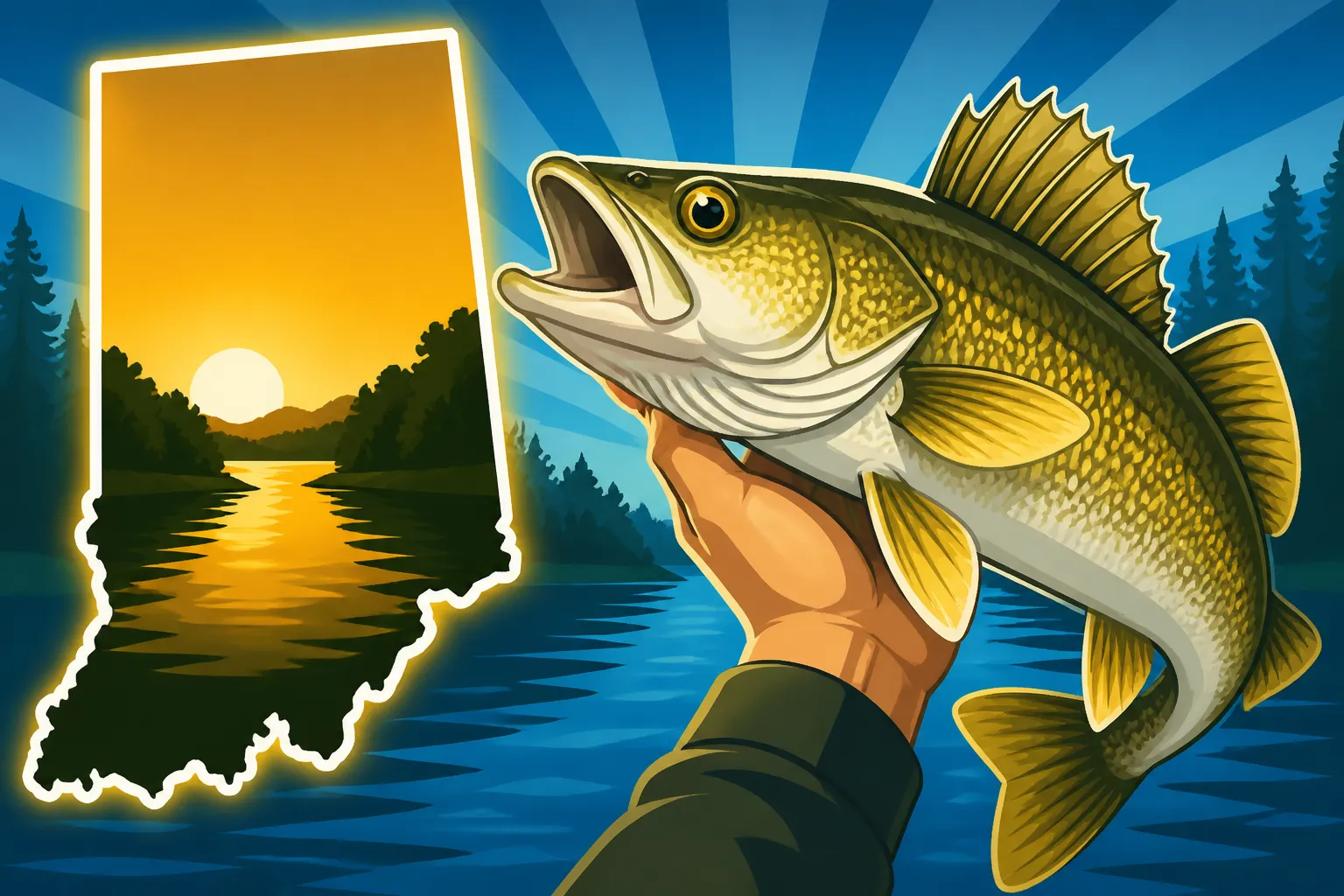
Finding trophy walleye in Indiana can feel like chasing a ghost sometimes, can't it? Many anglers spend countless hours hitting the most popular spots, only to come up short or land fish that barely meet the legal minimum. It's frustrating when you know those big, toothy predators are out there, but they seem to elude your every cast. But what if I told you there's a particular stretch of water in the Hoosier State that consistently produces some of Indiana's largest walleye, a place often overlooked by the masses? This guide is going to pull back the curtain on that "secret" spot and arm you with the knowledge and tactics you need to finally put a true trophy walleye in your net.
The Underrated Gem: Unveiling Indiana's Trophy Walleye Hotspot
When most folks think about walleye fishing in Indiana, their minds often drift to the far northern glacial lakes or perhaps the larger reservoirs up north. And while those waters certainly hold their share of respectable walleye, there's a particular body of water that consistently offers up fish of truly impressive size – a place that often flies under the radar. We're talking about Lake Maxinkuckee, down in Marshall County. Now, it's not exactly a hidden lake, being the second largest natural lake in Indiana, but it's often overshadowed by its northern counterparts when it comes to walleye reputation. This is precisely why it holds some of the best potential for trophy fish: less concentrated pressure from anglers specifically targeting big walleye means more opportunity for them to grow large.
Why Lake Maxinkuckee Breeds Bigger Walleye
Lake Maxinkuckee isn't just a pretty face; it possesses several key characteristics that make it an ideal habitat for growing trophy-sized walleye. First, it's deep – really deep for an Indiana lake. With depths plunging over 80 feet in some areas, it provides the cold, oxygen-rich water that walleye absolutely crave, especially during the warmer months. This deep-water sanctuary allows them to thrive and grow without the stress of shallower, warmer waters.
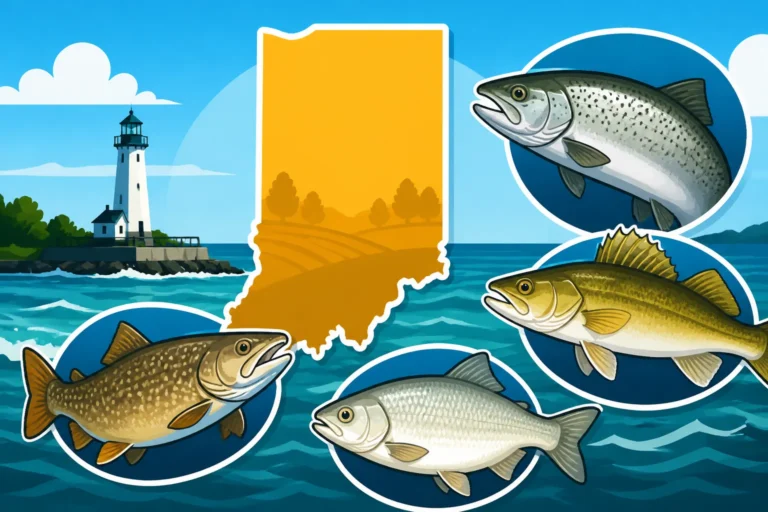
Secondly, the lake boasts an incredibly rich forage base. It's teeming with baitfish like cisco, yellow perch, and various shiners, offering a continuous buffet for growing walleye. A plentiful and diverse food supply means these fish can pack on the pounds quickly and reach impressive sizes. Unlike some lakes where walleye might be more spread out or have inconsistent feeding, Maxinkuckee provides a stable and robust ecosystem. Lastly, the lake's structure is fantastic. It features a mix of deep holes, steep drop-offs, expansive flats, and scattered rock piles and weed lines. This varied topography gives walleye plenty of ambush points and places to hide, making them harder to target casually, but also allowing them to grow without constant pressure. This combination of deep, cold water, abundant food, and complex structure creates a perfect environment for walleye to reach that coveted "trophy" status.
Understanding Walleye Behavior in Maxinkuckee's Depths
Fishing Maxinkuckee successfully for trophy walleye requires a solid understanding of how these fish behave in a deep, clear water environment. Walleye are highly light-sensitive, which means they'll often be found in deeper water during the day or hugging structure in lower light conditions. In Maxinkuckee, this translates to targeting those significant drop-offs and main lake basins where they can escape the sun's glare. Early morning, late evening, and especially after dark are prime times when these fish become more active and move shallower to feed.
Their diet, as mentioned, is diverse. This means your approach needs to be versatile. While they'll certainly hit artificial lures, don't underestimate the power of live bait, especially when targeting larger, more cautious fish. Because of the clear water, line shy fish can be a real issue, so finesse and presentation often trump brute force. Thinking like a walleye in this environment means considering their need for comfort (cold, dark water) and their feeding patterns (ambushing baitfish). Knowing these tendencies helps you narrow down your search and focus your efforts on the most productive areas. This strategy applies whether you're after a personal best or just looking to understand Indiana Walleye Size Limits: What You Need to Know.
Tactics for Targeting Maxinkuckee's Big Walleye
Now that you know where to go, let's talk about how to catch those elusive trophy walleye in Lake Maxinkuckee. This isn't your average cast-and-retrieve panfish game; it requires precision, patience, and the right gear. Success often comes down to understanding the nuances of deepwater tactics and adapting to the conditions.
Trolling the Depths with Precision
Trolling is undeniably one of the most effective methods for covering water and locating scattered walleye in a large lake like Maxinkuckee. When we're talking about big walleye, we're often talking about fish that are suspended over deeper water or cruising along contours, and trolling allows you to present your bait at a consistent depth over these areas. For trophy walleye, you'll want to focus on the main lake basin, especially around the deeper humps and breaklines.
Using a combination of crankbaits, spoons, or even live bait rigs on planer boards or with downriggers can be incredibly effective. Color choices can vary, but natural baitfish patterns, silver, and firetiger are often good starting points. Pay close attention to your electronics to identify baitfish schools and any significant structure changes. The key here is precision: vary your depths until you find where the fish are holding. Don't be afraid to experiment with different speeds, from a slow crawl to a slightly faster pace, until you trigger a strike. Trolling allows you to explore vast areas of the lake, which is crucial when searching for the biggest fish, especially as covered in Walleye Trolling Techniques. Many experienced anglers swear by having a good selection of diving crankbaits on hand, readily available on platforms like Amazon, to quickly switch out and adjust to different depths.
Vertical Jigging and Live Bait Rigs
While trolling covers a lot of ground, sometimes the biggest walleye are hunkered down on specific structure or in tighter schools. This is where vertical jigging and live bait rigs shine. For vertical jigging, look for those deep rock piles, underwater points, and sharp drop-offs identified on your fish finder. Heavy jigs tipped with a minnow, a plastic grub, or even just a plain jigging spoon can be irresistible to a hungry walleye. The trick is to keep your bait directly beneath the boat, lifting and dropping it with a subtle action that mimics a struggling baitfish. The bite can be incredibly light, sometimes feeling like just a "mushy" weight, so a sensitive rod is key.
Live bait rigs, particularly Lindy Rigs or slip-sinker rigs, are also phenomenal for enticing cautious trophy walleye. A lively shiner, chub, or nightcrawler presented just off the bottom on a long leader is often too tempting to pass up. Focus on gently drifting these rigs over suspected walleye holding areas. The slower, more natural presentation of live bait can be the difference-maker when dealing with smart, mature fish. Remember, patience is a virtue with these methods; sometimes it takes a while to coax a bite from a big fish that's not actively chasing. For insights into deeper water strategies, exploring Walleye Jigging Techniques can provide valuable context.
| Technique | Best for | Typical Depth | Preferred Lures/Bait | Key Equipment |
|---|---|---|---|---|
| Trolling | Covering large areas, suspended fish | 15-40+ feet | Diving crankbaits, spoons, stickbaits | Planer boards, downriggers, trolling motor, rod holders |
| Vertical Jigging | Specific structure, dense schools | 20-50 feet | Jigs (1/4 – 1 oz), jigging spoons, blade baits | Sensitive rod, braided line, fish finder |
| Live Bait Rigging | Cautious fish, subtle bites | 15-40 feet | Minnows, nightcrawlers, leeches | Slip-sinker rigs, Lindy Rigs, long leaders, sensitive rod |
Timing is Everything: Best Seasons and Conditions
Even with the right spot and the right tactics, timing plays a huge role in consistently landing trophy walleye. Like all fish, walleye behavior is heavily influenced by seasonal changes, water temperature, and light conditions. Understanding these factors will dramatically increase your chances of success on Lake Maxinkuckee.
Spring and Fall: Peak Seasons for Giants
The absolute best times to target trophy walleye in Lake Maxinkuckee are during the spring and fall transitions. In spring, as the water temperatures begin to rise out of their winter chill, walleye move shallower to spawn. Post-spawn, they'll often be hungry and aggressive, feeding heavily to recover their energy. This period, usually from late April through May, can offer incredible opportunities as fish move to points, shallow flats adjacent to deeper water, and even rocky shorelines. They might be a bit more scattered, but the fish you find will be actively feeding.
Fall is arguably even better for truly large walleye. As water temperatures start to cool in September and October, walleye begin to gorge themselves in preparation for winter. They become incredibly active, often schooling up on baitfish over deep flats and along prominent breaklines. The cooler water also means they're less light-sensitive and might be more willing to chase baits during daylight hours. This autumn feeding frenzy is when many of the biggest walleye are caught. These prime windows are critical to understanding Best Time of Year to Catch Walleye in Indiana. You can find excellent cold-weather fishing gloves and other essentials for fall fishing on Amazon, ensuring you stay comfortable.
Night Fishing and Low Light Conditions
Walleye are notoriously nocturnal, and this trait is even more pronounced when you're pursuing larger, more wary fish in clear water like Maxinkuckee. Night fishing, especially during the warmer summer months when the fish are deep during the day, can be incredibly productive for trophy walleye. As darkness falls, these fish move shallower to feed on baitfish that also become more active under the cover of night.
Focus your night fishing efforts on shallower breaklines, main lake points, and even weed edges adjacent to deep water. Slowly trolling deep-diving crankbaits that have rattles or emit vibrations can be very effective, as can casting or vertical jigging glow-in-the-dark jigs. Similarly, overcast days, periods of heavy chop on the water, or early morning and late evening twilight hours also provide excellent low-light conditions when walleye are more comfortable venturing out of the depths. Don't underestimate the power of these reduced light conditions for bringing big walleye within reach, especially if you're trying to figure out Do Walleye Bite at Night in Indiana Reservoirs?.
Essential Gear and Local Regulations for Maxinkuckee Walleye
Having the right equipment and understanding the local rules are crucial for a successful and legal walleye fishing trip on Lake Maxinkuckee. You don't want to finally hook that fish of a lifetime only to realize your gear isn't up to the task or you're unknowingly violating a regulation.
Rods, Reels, and Line for Trophy Walleye
For trophy walleye, you'll want a setup that offers a balance of sensitivity for detecting subtle bites and backbone for fighting powerful fish. A medium-heavy to heavy power spinning or baitcasting rod, typically 6'6" to 7'6" in length, is a good choice. Look for a fast or extra-fast action tip to help feel those light bites. Paired with a smooth, reliable reel, this combination will give you the control you need.
Line choice is also important. Many anglers prefer braided line (10-20 lb test) for its sensitivity and lack of stretch, especially when fishing deep or trolling. However, because Maxinkuckee's water is often quite clear, a fluorocarbon leader (8-15 lb test) is almost always recommended to reduce visibility to the fish. The nearly invisible properties of fluorocarbon can make a significant difference in getting bites from wary walleye. Having a good quality line cutter and a selection of leaders from brands readily available on Amazon can save you time and frustration on the water. For more specific recommendations, check out Best Reels for Walleye Fishing on Indiana Lakes.
Maxinkuckee-Specific Walleye Regulations
While Indiana has general statewide fishing regulations, specific lakes or bodies of water can often have special rules to manage their fisheries. Lake Maxinkuckee is no exception. While it generally follows the statewide walleye regulations, it is always, always a good idea to consult the most current Indiana Fishing Guide (published annually by the DNR) before you head out. These guides are available online and at bait shops. Pay close attention to minimum length limits and daily bag limits for walleye, as these can change. For instance, some northern lakes have different rules, so don't assume statewide regulations always apply.
Understanding these localized nuances is critical not just for walleye, but for any species you might target. It ensures you're fishing responsibly and legally. The DNR manages these fisheries with the goal of promoting healthy fish populations and quality fishing experiences, so adhering to their guidelines is part of being a good steward of the resource. Don't forget that if you're targeting other species alongside walleye, like yellow perch or crappie, they will have their own distinct bag and size limits to abide by. Always verify the rules before you make your first cast.
Disclaimer
This article is for general informational purposes only and does not constitute professional advice. Laws, prices and regulations vary by location and change over time. Consult a qualified professional for guidance on your specific situation.