Indiana’s Best Fish for Beginners to Catch
Stepping into the world of Indiana fishing can feel a little overwhelming, right? With so many beautiful lakes, winding rivers, and a multitude of fish species swimming beneath the surface, it's easy to wonder where to even begin your angling journey. This guide is all about simplifying that first cast, pointing you directly towards the most forgiving, readily available, and downright fun fish species that Indiana has to offer for beginners.
Why Some Fish Are Better for New Anglers
Not all fish are created equal when it comes to being "beginner-friendly." Some species are notoriously finicky, requiring specialized gear, advanced techniques, and a hefty dose of patience that new anglers often haven't developed yet. Others, however, are far more cooperative, making that initial fishing experience enjoyable and, crucially, successful. The goal for a beginner isn't necessarily to land a trophy fish on the first outing, but rather to feel the tug of a fish on the line and build confidence.
Think about it from a new angler's perspective. You've invested in some basic gear, found a spot, and now you're waiting. If hours go by with no action, it can be incredibly disheartening. That's why the best fish for beginners share a few key characteristics: they're abundant, relatively easy to entice with simple baits, and don't require highly specialized knowledge or expensive equipment. They offer a rewarding experience without too many hurdles, which is exactly what you need to fall in love with the sport. It's about getting that first bend in the rod and the thrill of reeling something in, no matter the size.
The prevalence of a species is perhaps the most important factor. You want to fish where the fish are, and for beginners, that means targeting species that are widespread and numerous in many different types of Indiana waters, from small farm ponds to larger reservoirs and even some rivers. This increases your chances of getting a bite, which is paramount for keeping spirits high. A few quick catches can turn a hesitant beginner into a lifelong angler, eager to learn more about the complexities of different fish and their habitats.
Another consideration is their "bite" – how aggressively and frequently they take a bait. Some fish gently nibble, making it hard for a beginner to know when to set the hook. Others, however, strike with more conviction, making the bite easier to detect. We're looking for those enthusiastic eaters that will give you clear signals, simplifying the entire process and making it more intuitive. This allows new anglers to focus on the basics of casting, retrieving, and handling their gear, rather than constantly second-guessing whether they've missed a subtle take.
Top Species for a Beginner's First Catch in Indiana
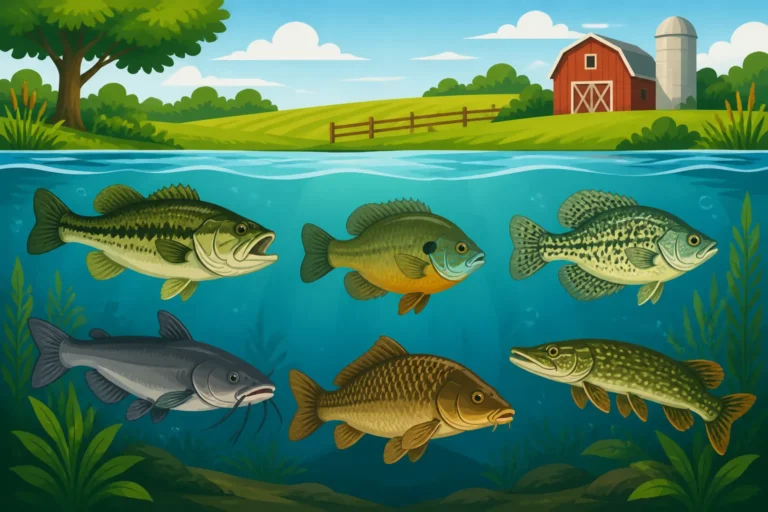
When you're just starting out, you want action, and you want it to be relatively straightforward. In Indiana, a few species consistently deliver on both fronts, making them perfect targets for new anglers of all ages. These are the fish that populate local ponds, small lakes, and even slow-moving river sections, and they're generally not too picky about what they eat.
Bluegill and Other Sunfish: The Ultimate Starter Fish
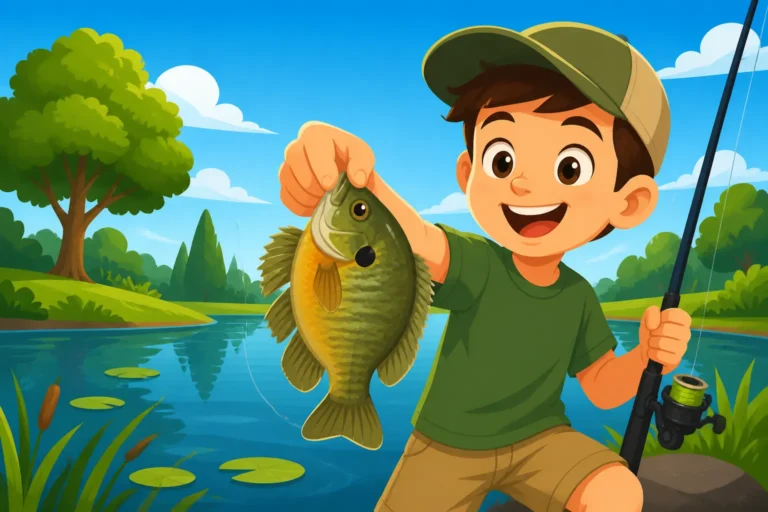
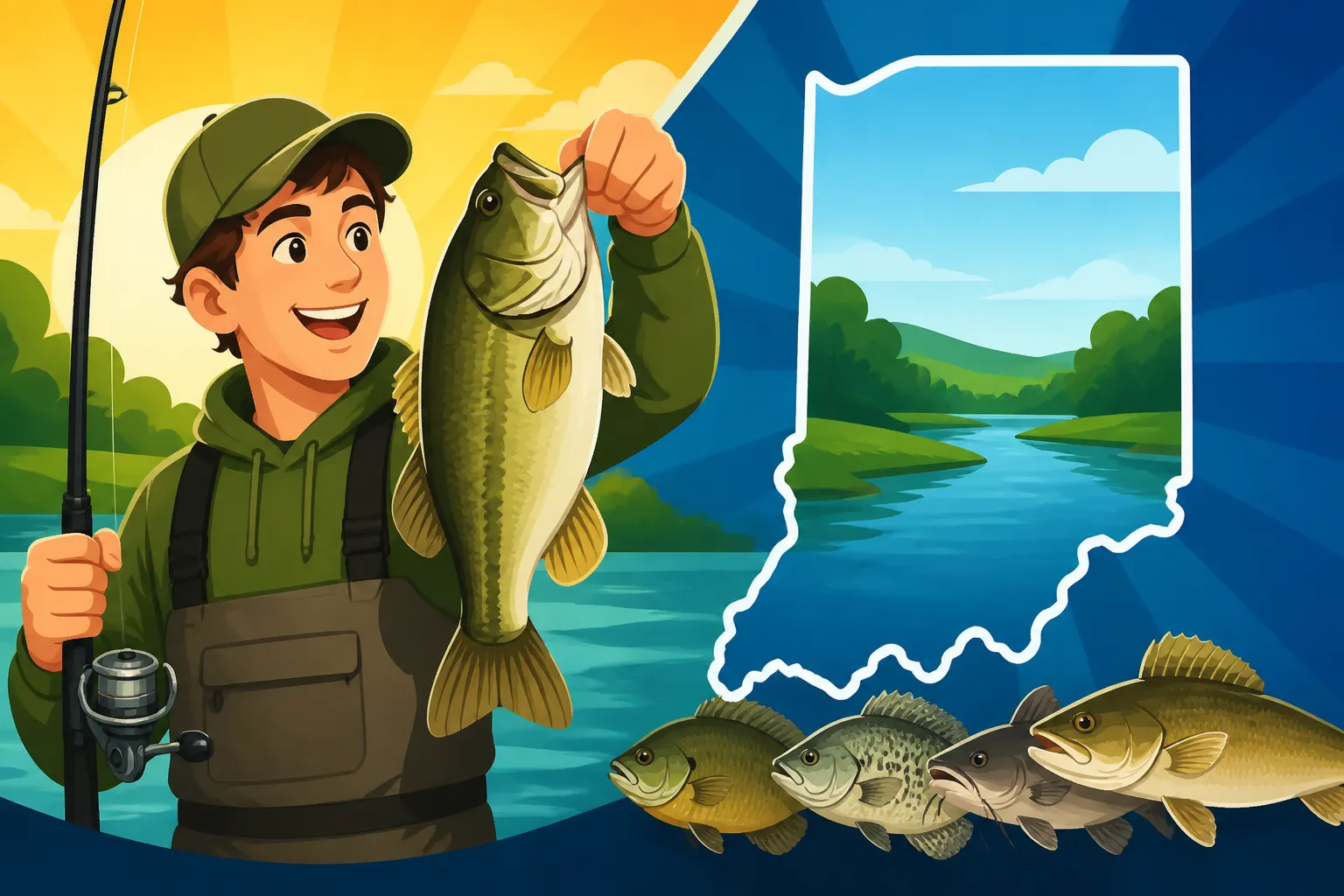
If there's one fish that has launched a thousand fishing careers in Indiana, it's the bluegill. These small, feisty panfish are incredibly abundant throughout the state and are notoriously eager biters. You can find them in almost any body of freshwater, from the smallest neighborhood retention pond to the vast expanses of Monroe Lake or Patoka Lake. They're typically found near some kind of cover – docks, lily pads, fallen trees, or weed beds – making them predictable targets for shore anglers and boaters alike.
What makes bluegill so perfect for beginners? First, their sheer numbers mean you're rarely waiting long for a bite. It's common for kids and adults new to fishing to catch dozens in a single outing, which is incredibly motivating. Second, they're not finicky. A small hook, a bit of nightcrawler or a wax worm, and a bobber are all you really need. Watch that bobber disappear, set the hook, and you've got yourself a bluegill! They put up a surprising fight for their size, too, especially on ultralight tackle, adding to the fun. Learning Bluegill Identification: A Beginner's Guide can help you distinguish them from other sunfish species. For specific bait recommendations, check out Best Bait for Bluegill Fishing in Farm Ponds.
Beyond just bluegill, Indiana is home to a variety of other sunfish like redear sunfish and green sunfish, all of which behave similarly and are equally accessible to beginners. They are often found in the same habitats and will readily take the same baits. Redear sunfish, sometimes called shellcrackers, are particularly sought after for their slightly larger size and firmer flesh, though they can be a bit more challenging to find. The beauty of targeting "panfish" is that you're likely to catch a mixed bag, offering variety and keeping things exciting. These fish are fantastic table fare, too, making the reward even sweeter.
Crappie: A Step Up for Panfish Enthusiasts
Once you've gotten the hang of catching bluegill, crappie are an excellent next step. Indiana boasts both black crappie and white crappie, and they are incredibly popular among anglers for their delicious taste and larger size compared to their sunfish cousins. While they might be slightly more elusive than bluegill, they are still very abundant in many Indiana lakes and reservoirs, including well-known spots like Patoka Lake and Monroe Lake. If you're looking for top spots, Best Crappie Lakes in Indiana is a great resource.
Crappie tend to school up, so when you find one, you're often in for a treat with multiple catches. They prefer similar cover to bluegill—sunken brush, fallen trees, bridge pilings, and weed lines—but often in slightly deeper water, especially during hotter months or the middle of the day. A small jig tipped with a minnow or a soft plastic grub fished under a bobber is a classic crappie presentation. The bite can be a bit more subtle than a bluegill's aggressive tug, sometimes feeling like just a slight weight on the line, which provides a good learning experience for detecting lighter bites.
The thrill of finding a crappie school and pulling in fish after fish is incredibly rewarding. They are a bit larger than most bluegill, offering a more substantial fight and making for a more satisfying meal. Getting familiar with How Many Crappie Can You Keep in a Day? is always a good idea before heading out, as regulations can vary. Crappie fishing teaches you to read the water a bit more, understanding how cover and depth relate to fish location, preparing you for even more challenging species down the line.
Next Steps: Slightly More Challenging but Rewarding Species
Once you've mastered the art of panfishing and feel confident in your basic casting and retrieval skills, Indiana offers a couple of other fantastic species that present a slightly greater challenge but deliver an even more exhilarating experience. These fish tend to be larger, fight harder, and might require a bit more patience or specific techniques, making them perfect for developing your angling prowess.
Channel Catfish: The Patient Angler's Reward
Ah, the channel catfish! These whiskered beauties are a staple of Indiana's rivers, large lakes, and reservoirs. They're known for their powerful fights and their delicious, firm white meat, making them a favorite target for many anglers. While they might not bite as constantly as a bluegill, the anticipation and the sheer power of a channel cat on the line make every catch incredibly memorable. For identification, Channel Catfish Identification: Spots and Forked Tail is a helpful guide.
Catfish are primarily bottom feeders, meaning you'll typically be fishing on the bottom using heavier tackle than you would for panfish. They have an excellent sense of smell, making stinky baits incredibly effective. Think cut bait, chicken livers, or prepared "stink baits." You can find an array of these at any local bait shop, or even on Amazon if you plan ahead. Fishing for catfish is often a waiting game, which teaches patience, but when that rod tip finally doubles over, you'll know exactly what you've hooked into. They are widely distributed across the state, from the Wabash River to Mississinewa Lake and Salamonie Lake.
For beginners, the beauty of channel catfishing is its simplicity: a sturdy rod, a reel spooled with strong line, a sinker to get your bait to the bottom, and a hook. Casting out and letting your bait sit is a fundamental technique, allowing you to relax and enjoy the scenery until the bite hits. This is a great way to experience a different style of fishing and connect with a larger, harder-fighting fish without needing complex lures or retrieve patterns. To get started with bait selection, check out Best Bait for Channel Catfish in Indiana Rivers.
Largemouth Bass: Indiana's Iconic Sportfish for Growing Skills
For many, largemouth bass are the quintessential freshwater game fish. They're aggressive, cunning, and put up an incredible fight, often leaping out of the water. Indiana's lakes and ponds are teeming with largemouth bass, making them a prime target for anglers looking to advance their skills. While they can be a bit more challenging than panfish or catfish, the reward of hooking into a healthy largemouth is second to none. If you're ready to dive in, Largemouth Bass Fishing in Indiana: The Complete Guide is a must-read.
Bass are predators, and they love to ambush their prey from cover. This means you'll find them around submerged structures, weed lines, lily pads, and fallen timber. Learning to "read" the water and identify these prime locations is a key step in becoming a successful bass angler. Unlike bluegill, bass often prefer artificial lures that mimic their natural prey, like plastic worms, spinnerbaits, or crankbaits. This opens up a whole new world of techniques and gear to explore, offering a fun challenge for growing anglers.
While bass fishing can get very technical, beginners can start with simple presentations. A classic plastic worm rigged "Texas style" and slowly retrieved along the bottom near cover is incredibly effective and relatively easy to learn. The strike can be subtle or explosive, but when a largemouth hits, there's no mistaking it! They grow to impressive sizes in Indiana, with many lakes producing trophy-class fish. Best Bait for Largemouth Bass in Indiana Lakes will give you a great starting point for what to tie on. Eventually, you might even set your sights on Indiana's Best Lakes for Trophy Largemouth Bass. The journey of bass fishing is a continuous learning curve, but it's an incredibly rewarding one that will keep you coming back for more.
Essential Beginner Gear and Tips for Success
Starting your fishing journey doesn't require breaking the bank or investing in a mountain of specialized equipment. In fact, keeping it simple is often the best approach for beginners. The focus should be on reliable, easy-to-use gear that maximizes your chances of success without adding unnecessary complexity.
The Bare Necessities: Rod, Reel, and Line
For your very first fishing adventures, a simple spinning rod and reel combo is your best friend. These combos are affordable, easy to cast, and versatile enough for all the beginner-friendly species we've discussed. Look for a rod in the 5 to 7-foot range with a "light" or "medium-light" action. This will be sensitive enough to feel those panfish bites but still have enough backbone to handle a decent catfish or bass. Many sporting goods stores and online retailers like Amazon offer complete beginner kits that include a rod, reel, and pre-spooled line, which takes all the guesswork out of assembling your first setup. Best Beginner Fishing Kits for Kids might even be relevant if you're outfitting a young one.
As for line, 4 to 8-pound test monofilament is a great all-around choice. It's affordable, easy to tie knots with, and has enough stretch to be forgiving if you're a bit heavy-handed with your hookset. You'll also need a small assortment of hooks (sizes 6-10 for panfish, larger sizes like 1/0 or 2/0 for catfish), some small split-shot weights to get your bait down, and a few clip-on bobbers. That's really it for the core setup! Simplicity reigns supreme when you're just learning the ropes.
Simple Baits That Work Wonders
Forget the fancy lures for now; when it comes to beginner fishing, natural bait is king. Earthworms, especially nightcrawlers, are arguably the most effective and universally appealing bait for bluegill, crappie, and even smaller channel catfish. They're easy to find (dig in your garden, buy them at any bait shop, or order them online for convenience), easy to put on a hook, and fish simply can't resist them. A small piece of a worm can often be enough for panfish.
Beyond worms, wax worms and mealworms are excellent choices for panfish, particularly if you're using very small hooks. For catfish, moving into more "aromatic" options like chicken livers, cut pieces of hot dog, or pre-made stink baits will significantly increase your odds. The key is to use fresh bait and make sure it's presented naturally on the hook. You don't need a huge glob; just enough to tempt the fish.
| Species | Recommended Gear Action | Best Beginner Bait | Common Rig | Ease of Catch |
|---|---|---|---|---|
| Bluegill/Sunfish | Ultralight to Light | Worms, Wax Worms, Mealworms | Bobber & Hook | Very Easy |
| Crappie | Light | Small Minnows, Worms, Grubs | Bobber & Jig/Hook | Easy |
| Channel Catfish | Medium to Medium-Heavy | Cut Bait, Chicken Liver | Bottom Rig (Sinker) | Moderate |
| Largemouth Bass | Medium | Plastic Worms, Live Minnows | Texas Rig, Bobber | Moderate |
Basic Techniques for First-Time Anglers
Once you have your gear and bait, the next step is getting it into the water! Don't overthink casting. With a spinning reel, the most common beginner cast is an overhead cast. Just remember to hold the line with your index finger, open the bail, bring the rod tip back over your shoulder, and then smoothly sweep it forward, releasing the line as the rod comes forward. Practice in an open area before you get to the water. Learning a simple knot, like the improved clinch knot, will also be invaluable for tying on hooks and lures.
When fishing with a bobber, the technique is incredibly simple: cast it out, and watch the bobber. Any dip, twitch, or disappearance means a fish is checking out your bait. Give it a second, and then gently but firmly lift the rod tip to set the hook. For bottom fishing, cast your bait out, let it sink, and then either prop your rod up or hold it, watching the tip for any movement. Patience is your biggest tool here. Remember, fishing is also about enjoying the outdoors, so soak in the experience even if the bites aren't constant.
Finally, always be mindful of local regulations. Before you even make your first cast, you'll need to understand Indiana Fishing License Requirements Explained. Make sure you have the proper Indiana Fishing License Costs for Residents and Nonresidents and are aware of any bag limits for the species you're targeting. A quick check with the Indiana Department of Natural Resources (DNR) website or a local bait shop can give you all the up-to-date information. Understanding the rules is part of being a responsible angler, and it ensures that fishing remains a wonderful pastime for everyone. Don't be afraid to ask for advice at local bait shops; the folks there are usually more than happy to share tips and point you to productive spots. Good luck, and tight lines!
Disclaimer
This article is for general informational purposes only and does not constitute professional advice. Laws, prices and regulations vary by location and change over time. Consult a qualified professional for guidance on your specific situation.