Largemouth Bass vs Spotted Bass: How to Tell Them Apart
Have you ever reeled in a feisty bass, admiring its fighting spirit, only to pause and wonder, "Is this a largemouth or a spotted bass?" It's a common dilemma for many anglers, even seasoned ones, especially here in Indiana where both species thrive in many of our waterways. Misidentifying your catch can lead to confusion about local regulations and might even mean you're using the wrong techniques to target them. This comprehensive guide is here to clear up that confusion, offering clear, actionable tips to help you confidently tell the difference between a largemouth bass and a spotted bass, ensuring you're always fishing smart and within the rules.
Why Accurate Bass Identification Matters in Indiana
It might seem like a small detail, but knowing precisely what kind of bass is at the end of your line is more important than you might think. Beyond just satisfying your curiosity, accurate identification directly impacts your fishing success and adherence to local regulations.
Understanding Different Regulations
While Indiana often lumps many bass species under general regulations, there can be subtle differences or specific management areas where knowing your exact bass species becomes crucial. Imagine spending a glorious day on a local reservoir, reeling in what you think are all largemouth, only to find out later that the "spotted bass" you also caught had a different minimum size limit or creel limit in that particular body of water. That kind of mix-up can turn a fantastic fishing trip into a stressful one, potentially leading to misunderstandings with conservation officers. Knowing the specific characteristics helps you abide by rules that might, for instance, apply to Indiana's Statewide Bass Daily Bag Limit or differentiate between various species that share similar waters. Even though regulations for largemouth, smallmouth, and spotted bass are often combined in many parts of Indiana, understanding the unique traits of each helps you stay informed if any specific local rules come into play. Always double-check the current Indiana fishing regulations before heading out, as these rules are designed to protect our fisheries and ensure sustainable angling for everyone.
Tailoring Your Fishing Strategy
Beyond regulations, identifying your bass correctly is a game-changer for your fishing strategy. Largemouth and spotted bass, despite their similarities, have distinct preferences when it comes to habitat, bait, and even how they strike. If you're consistently fishing shallow, weedy cover with a heavy jig trying to entice a spotted bass, you might be missing out on bites because spotted bass often prefer deeper, rockier structures with some current. Conversely, if you're trying to troll deep open water for a largemouth, you're probably wasting your time. Knowing your target species allows you to:
- Choose the Right Lures: Largemouth bass might prefer a bulky jig or a frog walked across lily pads, while a spotted bass might be more inclined to hit a smaller crankbait or a finesse worm on a shaky head near a drop-off. If you’re stocking up your tackle box, considering the predominant species in your favorite fishing spot can help you decide what to purchase. You can find a huge variety of specialized lures for either species on platforms like Amazon.
- Target the Right Locations: This is perhaps the biggest difference. Largemouth are kings of the cover – lily pads, submerged timber, thick weeds. Spotted bass, however, often prefer rocky points, bluffs, and areas with current, similar to their smallmouth cousins. If you're wondering how to find them, remembering these preferences is key.
- Adjust Your Presentation: The way you retrieve your lure, your line size, and even the speed of your retrieve can be optimized once you know which bass you're after. A patient, slow retrieve might be perfect for a lurking largemouth, while a faster, more erratic action could trigger a spotted bass strike.
Understanding these nuances helps you fish more efficiently and ultimately increases your chances of landing that trophy fish. It’s like being a detective; the more clues you have about your subject, the better you can predict their behavior.
Key Physical Distinctions: A Side-by-Side Look
When you've got a bass in hand, there are several key physical traits you can examine to definitively tell whether it's a largemouth or a spotted bass. These aren't just subtle differences; once you know what to look for, they become quite clear.
The Mouth and Jawline: The Most Obvious Clue
This is often the first and most reliable indicator, and it's super easy to check right on the water.
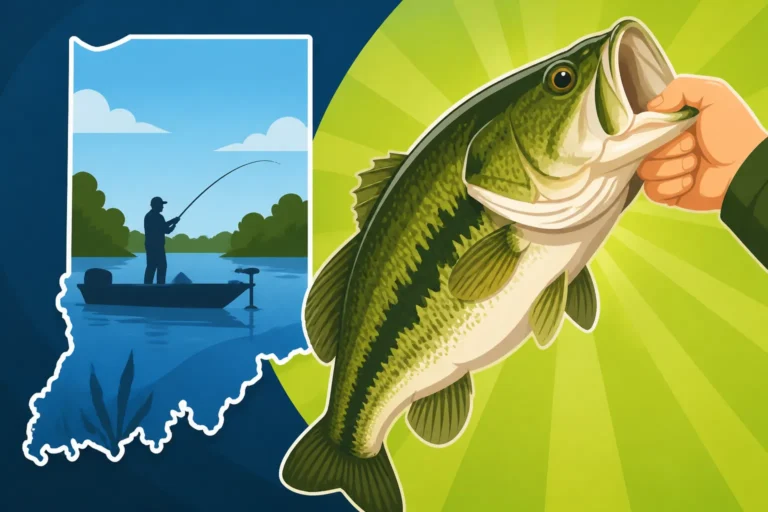
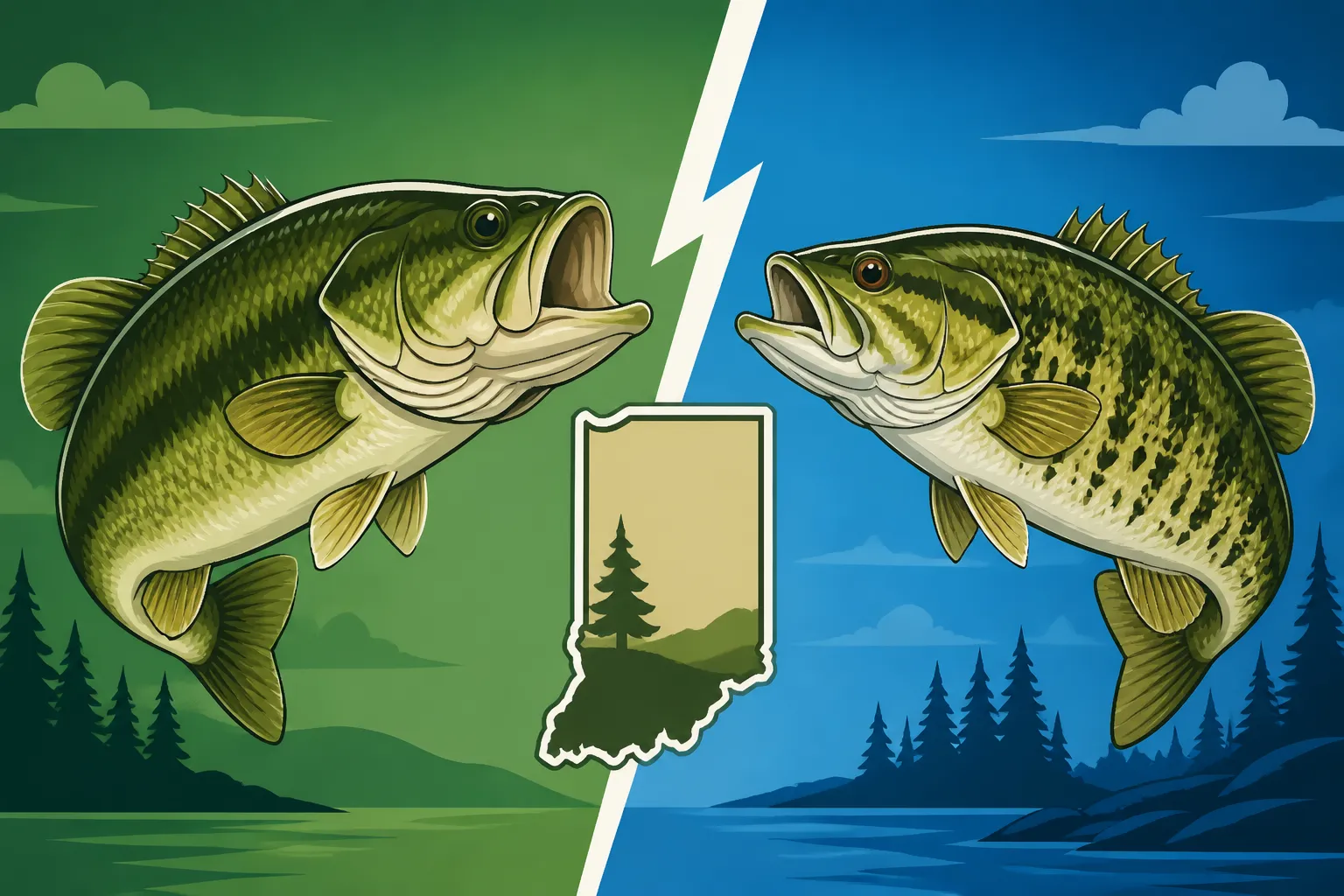
- Largemouth Bass: Think "big mouth." If you gently close the fish's mouth, the back of the jaw (the maxillary) will extend noticeably beyond the rear edge of the eye. Imagine drawing a vertical line down from the back of the eye; for a largemouth, that jaw goes past it. This characteristic is precisely why it's called a largemouth, and it's often covered when anglers learn What Does a Largemouth Bass Look Like?.
- Spotted Bass: The spotted bass has a proportionally smaller mouth. When you close its mouth, the back of the jaw will typically end underneath or only slightly past the center of the eye. It might extend just to the back of the eye, but rarely, if ever, beyond it like a largemouth. This difference might seem minor, but it's consistent across almost all individuals and is a tell-tale sign that distinguishes it from both largemouth and smallmouth bass.
To check this, hold the fish gently and observe the relationship between the jaw and the eye. It's a quick, visual check that rarely fails.
Lateral Line and Body Markings: Spots and Scales
After the mouth, the body markings, especially along the lateral line and belly, are your next best clues.
- Largemouth Bass: The largemouth usually has a prominent, dark, somewhat broken or blotchy horizontal stripe running along its side, forming what we call the lateral line. Below this stripe, the scales are generally smooth and white or pale, with very few, if any, distinct spots. The overall body color can vary widely depending on water clarity and habitat, from dark green to almost black in clear, weedy waters to paler olive in muddier environments. When you review a guide on How to Identify a Largemouth Bass in Indiana Waters, these markings are usually a highlight.
- Spotted Bass: This is where the "spotted" name comes from! While it also has a lateral line, it's often more continuous than a largemouth's. The key distinguishing feature is the presence of distinct, dark, diamond-shaped spots or rows of spots below the lateral line, especially noticeable on the lower sides and belly. These spots are often arranged in somewhat orderly rows, giving the fish a "spotted" appearance that the largemouth lacks. Another crucial, though sometimes harder to feel, difference is the presence of a small, rough patch of teeth on the tongue of a spotted bass. If you can safely reach in and feel the tongue (carefully, as bass have abrasive pads), a rough patch indicates a spotted bass. This rough patch is entirely absent on a largemouth's tongue. If you're looking for an easy way to feel this patch, consider getting a specialized fish gripper from a retailer like Amazon to safely handle the fish without harming it or yourself.
Dorsal Fins: Joined or Separated?
Another often-overlooked but reliable indicator lies in the dorsal fin structure.
- Largemouth Bass: The largemouth bass has two distinct dorsal fins: a spiny front dorsal fin and a soft-rayed rear dorsal fin. These two fins are almost completely separated by a deep notch, making them appear as two entirely different fins. You can easily see the deep indentation where they meet.
- Spotted Bass: While also having two dorsal fins, the spotted bass's dorsal fins are more connected. The spiny and soft-rayed sections are joined, or at least only very shallowly notched, giving the appearance of one continuous, albeit divided, dorsal fin. It's not as dramatically separated as what you'd find on a largemouth. This subtle distinction can be a definitive identifier if other features are ambiguous.
Here’s a quick table to summarize these key visual differences:
| Feature | Largemouth Bass | Spotted Bass |
|---|---|---|
| Maxillary (Jaw) | Extends significantly beyond the rear of the eye | Ends under or only slightly past the rear of the eye |
| Lateral Line | Prominent, dark, often broken or blotchy horizontal stripe | Usually more continuous, often with diamond-shaped spots below it |
| Belly Markings | Generally white or pale, few if any distinct spots | Distinct dark spots below the lateral line, often in rows on the belly |
| Tongue | Smooth, no tooth patch | Rough patch of teeth present on the tongue |
| Dorsal Fins | Deeply notched, appearing almost entirely separated | Connected or very shallowly notched, appearing more continuous |
Habitat and Behavior: Where and How They Live
Beyond their physical appearance, largemouth and spotted bass also exhibit different preferences for where they live and how they behave, which can give you strong clues about what you've just hooked. Understanding these ecological differences can significantly improve your chances of targeting the species you desire.
Preferred Habitats: From Weeds to Current
Think of bass as having distinct neighborhoods they prefer.
- Largemouth Bass: These are the classic "ambush predators" of shallow, vegetated waters. They absolutely love cover! You'll find them lurking in:
- Thick Weeds and Lily Pads: Waiting patiently to explode on unsuspecting prey.
- Submerged Timber and Brush Piles: Providing excellent ambush points and protection.
- Stumps and Docks: Man-made or natural structures that offer shade and cover.
- Shallow Coves and Backwaters: Often warmer, calmer areas with plenty of food.
They thrive in lakes, ponds, and slower-moving rivers with plenty of aquatic vegetation. If you're fishing in a stagnant, weedy pond in central Indiana, chances are high you're dealing exclusively with largemouth. This preference is why certain baits are so effective when targeting Best Bait for Largemouth Bass in Indiana Lakes. When we talk about Largemouth Bass Fishing in Indiana: The Complete Guide, it always circles back to these types of environments.
- Spotted Bass: These fish lean more towards habitats that resemble those preferred by their smallmouth cousins. They appreciate clearer water and some current. Look for them in:
- Rocky Points and Bluffs: Offering quick access to deep water and ambush opportunities.
- River Channels and Creek Mouths: Areas with moderate current that bring food to them.
- Deep Water Structures: Including humps, ledges, and submerged timber in deeper sections of reservoirs.
- Hard Bottoms: They prefer gravel, rock, or clay bottoms over soft, silty ones.
In Indiana, you'll find spotted bass in many of our larger reservoirs and rivers, often coexisting with largemouth but occupying different niches. They're less dependent on dense vegetation and are more comfortable in open water or around rocky cover. If you're exploring the deeper, rockier sections of a lake or a riverbend with a noticeable flow, you're more likely to encounter a spotted bass.
Feeding Habits and Aggression
Their choice of habitat influences their feeding habits and how they react to your lures.
- Largemouth Bass: These are opportunistic feeders, often waiting for prey to come to them. Their large mouth allows them to engulf significant meals.
- Ambush Predators: They'll sit hidden in cover and burst out to attack.
- Diet: Frogs, larger baitfish (like shad or bluegill), crawfish, and even small birds or rodents that fall into the water.
- Strike: Can be explosive and aggressive, especially in warmer water. They often strike out of pure instinct. This behavior means techniques like those detailed in Best Bass Fishing Techniques for Pre-Spawn often involve slower presentations near structure.
- Spotted Bass: While still aggressive, spotted bass tend to be more active foragers and often school more readily than largemouth.
- Schooling Behavior: You might catch several spotted bass in a single area, especially around a structure.
- Diet: More varied, often including smaller baitfish, insects, and crawfish. Their slightly smaller mouth means they might prefer smaller presentations.
- Strike: Known for their strong, hard pulls for their size. They fight with incredible stamina and often dive deep. They can be incredibly aggressive, sometimes striking multiple times before being hooked. They can be particularly fun to catch on lighter tackle.
When considering lure size and presentation, remember these habits. A big topwater frog might be irresistible to a largemouth hiding in the weeds, but a smaller jig or crankbait worked along a rocky bluff might be the ticket for a spotted bass. Many anglers even find that specific soft plastics bought on Amazon are excellent for enticing these more current-oriented bass.
Putting It All Together: A Quick Reference
By now, you've got a lot of information to chew on! Let's boil it down into a quick reference guide you can internalize, making on-the-water identification a breeze. Remember, practice makes perfect, and every bass you catch is an opportunity to hone your identification skills.
Quick Check Guide
When you land that fish, run through this mental checklist:
- Check the Jawline First: This is your strongest clue.
- Jaw goes past the eye? Almost certainly a Largemouth Bass.
- Jaw stops under or at the eye? Likely a Spotted Bass (or a Smallmouth, but that's a different guide, see Largemouth Bass vs Smallmouth Bass: Key Differences).
- Look for Belly Spots:
- Clean, white belly below the lateral line? Leaning Largemouth.
- Rows of dark, diamond-shaped spots on the belly? Definitely a Spotted Bass.
- Feel the Tongue: If safe and comfortable to do so.
- Smooth tongue? Largemouth.
- Rough patch on the tongue? Spotted Bass.
- Observe the Dorsal Fins:
- Deep, obvious notch between the two dorsal fins? Largemouth.
- Shallow notch, fins appear more continuous? Spotted Bass.
- Consider the Habitat:
- Caught in heavy weeds, lily pads, or shallow, stagnant water? Strong Largemouth indicator.
- Caught near rocks, current, or deeper structures? Strong Spotted Bass indicator.
By using a combination of these visual and tactile cues, you'll be able to quickly and accurately identify your bass. This knowledge will not only impress your fishing buddies but also help you ensure you're following local regulations for species like Largemouth Bass Daily Limit in Lakes. Remember, in Indiana, the Bass Limit Applies to Largemouth and Smallmouth Combined, but understanding individual species is still important for targeted fishing.
When In Doubt, What To Do?
Even with all this knowledge, sometimes a fish might present itself with slightly ambiguous features. Perhaps it's a young fish, or perhaps a hybrid (though less common for these specific species in Indiana, it's not unheard of for different bass species to interbreed to some degree). Or maybe the light is just bad. Don't fret!
- Take a Photo: A clear photo of the fish, especially focusing on its mouth, lateral line, and dorsal fins, can be a lifesaver. You can review it later at home or even share it with experienced anglers online or at your local bait shop for confirmation. High-quality waterproof phones or cameras, many of which are available on Amazon, can make this easy.
- Handle With Care: Regardless of identification, always prioritize the health of the fish. If you're unsure of the regulations or the species, it's often best practice to release the fish unharmed, especially if it's borderline legal size.
- Consult Local Resources: Bait shop owners, guides, or conservation officers are fantastic resources. They know the local fish populations intimately and can often provide context that a simple identification guide might miss.
- Err on the Side of Caution: If you're planning to keep fish for consumption and you're truly unsure about the species or its legal size/bag limit, it's always safest to release it. Better safe than sorry when it comes to wildlife regulations. This applies not just to bass but to other popular Indiana game fish as well. Knowing How Big Do Largemouth Bass Get in Indiana? for example, can also help you gauge if a fish is within the typical range for a species.
By mastering these identification techniques, you'll not only become a more knowledgeable angler but also contribute to responsible fishing practices across Indiana's beautiful waterways. Tight lines!
Disclaimer
This article is for general informational purposes only and does not constitute professional advice. Laws, prices and regulations vary by location and change over time. Consult a qualified professional for guidance on your specific situation.