Is Bluegill Good to Eat?
As a seasoned angler and lover of all things Indiana fishing, I hear this question all the time: "Is bluegill actually good to eat, or is it just for kids?" It's a valid concern! Many folks have childhood memories of catching these feisty little panfish, but maybe they never quite got around to trying them on the dinner plate. Or perhaps they had a less-than-stellar experience once and wrote them off. Let me tell you, when prepared right, bluegill can be an absolute culinary delight, a true taste of Hoosier waters. This guide will dive deep into why bluegill makes fantastic table fare and how to get the most out of your catch.
The Bluegill's Reputation as Table Fare
For generations, bluegill have been a staple in many angling households, especially those who appreciate fresh, local catches. They might be small, but what they lack in size, they often make up for in flavor and abundance.
Why Some Anglers Swear By Them
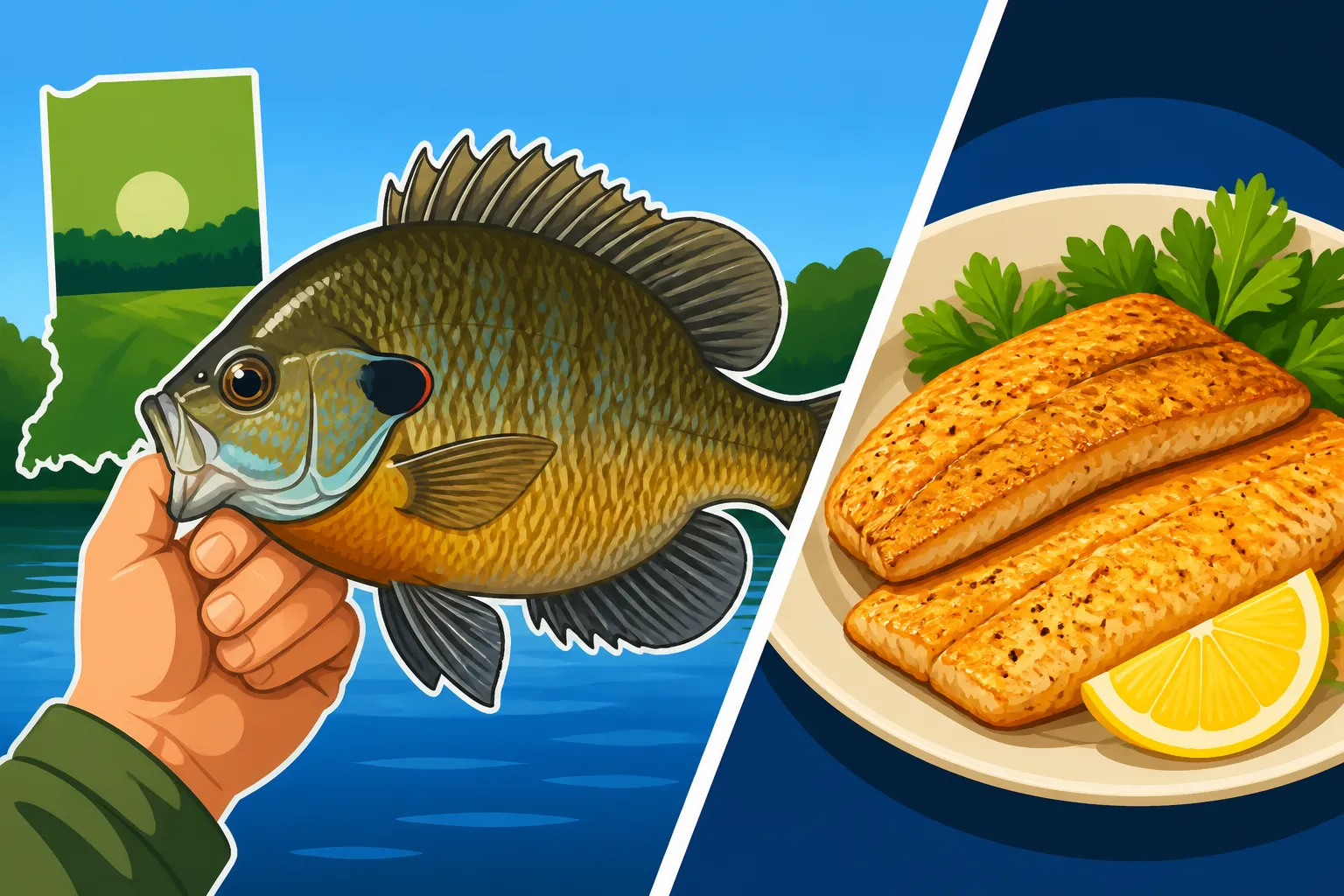
When you talk to experienced anglers, especially those who grew up fishing Indiana's numerous ponds, lakes, and rivers, bluegill often come up as one of their favorite fish to eat. And for good reason! The meat is typically white, flaky, and has a mild, slightly sweet flavor that isn't overly "fishy." This delicate taste makes it incredibly versatile for cooking. It's often compared to other popular white fish like tilapia or cod, but with a unique freshwater richness.
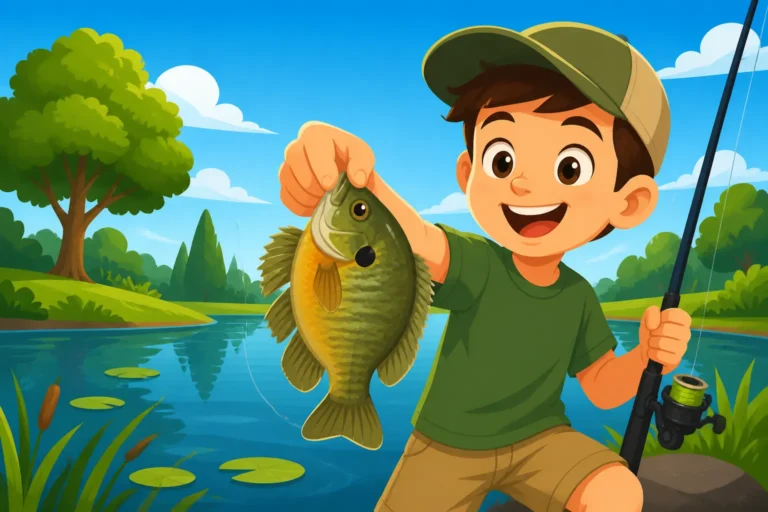
One of the biggest appeals of bluegill is their accessibility. They're abundant, relatively easy to catch, and often found in waters close to home, making them a fantastic option for a fresh meal without a major expedition. Plus, there’s something incredibly satisfying about catching your dinner yourself, and bluegill offer that opportunity to almost anyone, regardless of skill level. This is why many families still take their kids out for panfish – it’s a direct path to a fresh meal and a memory.
Common Misconceptions About Bluegill Flavor
Despite their popularity among some, there are definitely a few myths circulating about bluegill that can make people hesitant. The most common complaint you might hear is that bluegill can taste "muddy." This is a real concern for any freshwater fish, not just bluegill, and it's almost always tied to the water quality they live in. If a bluegill is caught from a stagnant, murky pond with a lot of bottom sediment, it might indeed pick up some of those earthy flavors.
Another misconception is that they're "too small to be worth the effort." While it's true that you'll need quite a few bluegill to make a substantial meal, the process of cleaning and filleting them isn't as daunting as some might think. The small size means the fillets are thin, cook quickly, and present beautifully on a plate. The idea that they're solely a sport fish for kids, and not serious table fare, simply doesn't hold water once you've tasted properly prepared bluegill from a clean environment.
Factors Influencing Bluegill Taste and Texture
Just like with any wild game or produce, the environment and handling play a huge role in how your bluegill will taste. You can catch two bluegill from different spots on the same day, and they might offer completely different culinary experiences.
Water Quality and Habitat
This is arguably the most crucial factor when it comes to the flavor of any freshwater fish, including bluegill. Fish are very much a product of their environment. Bluegill living in clear, clean, well-oxygenated water with a natural diet of insects, small crustaceans, and plant matter will almost always taste superior to those from a stagnant, weed-choked, or overly muddy pond. Waters with strong currents or healthy aquatic vegetation tend to produce cleaner-tasting fish.
Consider the difference between a bluegill from a pristine, spring-fed lake in northern Indiana versus one from a shallow, warm farm pond with a silty bottom after a long hot spell. The former is likely to be firm, white, and sweet-tasting, while the latter might indeed have that "muddy" or earthy flavor. If you have concerns about the water quality of a particular fishing spot, it's always wise to check local fishing reports or talk to other anglers. Sometimes, even within the same body of water, fish from different areas—like deep, rocky structures versus shallow, soft-bottomed coves—can taste different.
Size and Age of the Fish
There's a sweet spot when it comes to bluegill size for eating. While almost any size bluegill can be eaten, most anglers agree that bluegill between 6 and 9 inches long offer the best balance of meat yield and flavor. These "plate-sized" bluegill are old enough to have developed good, firm flesh but aren't so old that their meat becomes tough or takes on a stronger flavor. The smallest bluegill, say under 5 inches, have very little meat, making the filleting process feel like more work than it's worth for the tiny morsels you get.
On the flip side, extremely large, older bluegill can sometimes have a slightly tougher texture and a more pronounced "fishy" flavor, though this is less common with bluegill than with some other species. They might also accumulate more environmental flavors over their longer lives. For consistent, delicious fillets, aim for those medium-sized fish. You'll get plenty of delicate, sweet meat, and they're still relatively easy to clean. This is part of the joy of panfish angling – finding that perfect size for dinner.
Proper Handling and Preparation
Even if you catch bluegill from the cleanest water, improper handling after the catch can ruin the flavor. This is where many aspiring bluegill gourmets might go wrong. The moment a fish is caught, its internal processes begin to change the quality of the meat. To ensure the best taste, it's crucial to get your bluegill on ice as quickly as possible. This rapidly chills the fish, slowing down bacterial growth and preserving the firm texture and mild flavor. A good cooler, easily found on Amazon, is essential for this. Don't just toss them in a bucket with a little water; submerged in an ice bath is best.
Once you're off the water, clean your bluegill promptly. The longer they sit uncleaned, even on ice, the more the blood and internal organs can affect the meat's flavor. Thoroughly gutting and scaling (or skinning) the fish, then rinsing them in cold water until the water runs clear, is key. Many anglers prefer to fillet bluegill, which further removes any potential "off" flavors that might linger near the bones or skin. This attention to detail from the moment the fish leaves the water to when it hits the cutting board makes all the difference in the final taste. Is Bluegill Good to Eat?
Cleaning and Filleting Bluegill for the Best Results
Cleaning bluegill doesn't have to be a chore. With a little practice and the right tools, you can process a pile of panfish quickly and efficiently, turning them into pristine, ready-to-cook fillets.
Step-by-Step Cleaning Process
Before you even think about filleting, you need to clean your bluegill. If you're planning to cook them whole (which some folks do for smaller ones), scaling and gutting are the primary steps.
- Scaling: Hold the fish firmly by the tail. Using a scaler, the back of a knife, or even a spoon, scrape against the grain of the scales from tail to head. Do this under running water or in a bucket to keep the scales from flying everywhere. Repeat on both sides until all scales are removed.
- Gutting: Make a shallow cut along the belly from the anal vent up to the gills. Be careful not to cut too deep, as you don't want to puncture the intestines. Open the cavity and scoop out all the internal organs. You can use your thumb or a spoon for this. Make sure to scrape out the dark bloodline along the spine.
- Rinsing: Rinse the fish thoroughly inside and out under cold running water until there's no visible blood or debris. This step is vital for a clean taste.
For those who find scaling a hassle or prefer skinless fillets, you can simply skin the bluegill, which bypasses the scaling step entirely. However, many people enjoy the crispy skin of a pan-fried bluegill.
The Art of Filleting Bluegill
Filleting might seem intimidating at first, but it's a skill well worth learning, especially for bluegill, as it yields boneless, delicious meat. A sharp, flexible fillet knife is your best friend here. You can find excellent options on Amazon, often in kits that include a sharpening stone.
Here's a basic rundown:
- First Cut (Behind Gills): Lay the cleaned (or just gutted) bluegill flat on its side on a cutting board. Make a vertical cut just behind the pectoral fin, down to the backbone, but not through it.
- Second Cut (Along Backbone): Turn your knife flat, parallel to the backbone, and make a cut along the top of the backbone, working from the initial cut towards the tail. Keep the knife blade pressed against the bones to maximize meat yield.
- Removing the Fillet: Once you reach the tail, you can either cut the fillet completely off or leave a small piece attached to the tail skin if you plan to skin it this way.
- Repeat: Flip the fish over and repeat the process on the other side.
- Rib Cage Removal: You'll notice the rib cage bones still in your fillet. To remove these, make a shallow cut along the top of the rib bones, then slide your knife underneath, following the curve of the ribs. This will separate the rib section from the main fillet.
It takes practice to get clean, generous fillets, but even imperfect ones are still tasty! Don't get discouraged if your first few aren't perfect; you'll quickly improve.
Dealing with Pin Bones and Skin
Bluegill, like many panfish, have tiny pin bones along their lateral line that can be a nuisance. For commercial processing, they're often removed with specialized tools, but for home use, you have a few options:
- "Rib-Out" Method: As described above, if you carefully cut out the rib cage, you'll remove most of the significant bones. Any remaining tiny pin bones are often so small they dissolve or become imperceptible during cooking, especially with pan-frying.
- Skinning: If you prefer totally boneless, skinless fillets, after removing the fillet from the fish, lay it skin-side down. Hold the tail end of the fillet firmly and slide your knife between the meat and the skin, working from tail to head. This leaves you with a clean, skinless fillet. This also helps with the pin bones as you can often trim that area more easily once the skin is off.
- Embrace the Bones: For very small bluegill, some anglers don't fillet at all, preferring to scale, gut, and then simply fry the whole fish until crispy. The bones become brittle and edible, much like small fried smelt. This method is particularly popular for family fishing trips where efficiency and minimal waste are priorities.
A quick table to illustrate the size considerations:
| Bluegill Size | Effort to Clean/Fillet | Meat Yield per Fish | Recommended Cooking Method(s) | Taste/Texture Notes |
|---|---|---|---|---|
| Under 5 inches | High (for fillets) | Very Low | Fried whole (bones become edible) | Tender, sweet; bones often eaten with meat |
| 5-7 inches | Moderate | Low to Moderate | Pan-fried fillets, fried whole | Excellent mild flavor, flaky texture |
| 7-9 inches | Low to Moderate | Moderate to High | Fillets: Pan-fry, bake, grill | Optimal flavor and texture; good meat yield |
| Over 9 inches | Moderate | High | Fillets: Pan-fry, bake, grill, stew | Can be slightly firmer; still good flavor |
Popular Cooking Methods for Bluegill
Now that you've got those beautiful fillets, or even whole cleaned bluegill, it's time for the fun part: cooking! Bluegill's mild flavor and flaky texture lend themselves to a variety of cooking methods.
Classic Pan-Frying
This is, without a doubt, the most iconic and beloved way to prepare bluegill. There's just something about the crispy coating and tender, juicy interior that screams "freshwater feast." The key is to use a good batter or breading. Many Hoosier anglers swear by a simple cornmeal-based breading, perhaps seasoned with a little salt, pepper, garlic powder, and paprika. You can also use a mixture of flour and cornmeal, or even a store-bought fish fry mix.
Heat up some oil (vegetable, canola, or peanut oil works well) in a heavy-bottomed pan, like a cast iron skillet (also available on Amazon), to about 350-375°F (175-190°C). Don't overcrowd the pan; cook the fillets in batches if necessary to maintain oil temperature. Fry for just a few minutes per side, until golden brown and cooked through. The thin fillets cook very quickly, so watch them closely! Serve immediately with a squeeze of lemon, tartar sauce, and maybe some hushpuppies and coleslaw for a true taste of Indiana. Best Fishing Spots Near Indianapolis, Indiana
Grilling and Baking for a Healthier Option
If you're looking for a lighter approach, bluegill fillets are fantastic when grilled or baked. These methods allow the natural sweetness of the fish to shine through without the added fat of frying.
For grilling, brush the fillets with olive oil and season simply with salt, pepper, and perhaps some dill or lemon-pepper seasoning. You can place them directly on a well-oiled grill grate, but for delicate fish like bluegill, a fish basket or foil packet works wonders to prevent them from sticking and breaking apart. Grill over medium-high heat for just a few minutes per side until the fish flakes easily.
When baking, preheat your oven to 375-400°F (190-200°C). Arrange the seasoned fillets in a single layer on a lightly greased baking sheet. You can add a pat of butter or a drizzle of olive oil, and perhaps some lemon slices or fresh herbs. Bake for 10-15 minutes, depending on thickness, until the fish is opaque and flakes easily with a fork. This is a wonderfully hands-off way to prepare a larger batch of fillets.
Creative Bluegill Recipes
Don't limit yourself to just frying or baking! Bluegill's mild flavor makes it a fantastic canvas for more adventurous culinary creations. Think about what you'd do with other white fish, and adapt it for bluegill.
One popular option is bluegill tacos. Fry or grill your seasoned fillets, then flake the cooked fish into warm tortillas. Top with fresh salsa, shredded cabbage, a squeeze of lime, and a creamy sauce for a fresh, zesty meal. Another idea is a bluegill sandwich, where a crispy fried fillet is placed on a soft bun with lettuce, tomato, and tartar sauce – a perfect alternative to a classic fish sandwich. You could even use bluegill fillets in a simple fish curry or a light ceviche if you're feeling adventurous and trust the freshness of your catch explicitly. A good seafood cookbook or a specific spice blend for fish, both available on Amazon, can help you explore these creative possibilities. Best Bait for Bluegill Fishing in Farm Ponds
Ethical and Sustainable Bluegill Fishing in Indiana
Part of enjoying bluegill as table fare means being a responsible angler. Indiana has specific rules to ensure healthy fish populations for everyone to enjoy now and in the future.
Understanding Indiana's Bluegill Regulations
Before you even cast your line, it's vital to be familiar with the fishing regulations in Indiana. These rules are put in place by the Indiana Department of Natural Resources (IDNR) to manage fish populations and ensure sustainable angling. For bluegill, the rules are generally quite generous, reflecting their abundance in most Indiana waters. However, it's still crucial to know the daily bag limits. These limits dictate how many fish of a particular species you can keep in a single day. For bluegill, these limits are often quite high, which is good news if you're planning a fish fry for a crowd!
Always remember that regulations can vary by specific body of water, and sometimes special rules are in place for certain lakes or rivers. It's not just about knowing the general statewide rule; always check for any local exceptions. For instance, while there's a statewide daily bag limit for panfish, certain lakes might have more restrictive limits to protect their populations. You can find detailed information on the IDNR website or in the latest fishing guide. Being informed helps you contribute to conservation and avoid any unintentional violations. Indiana Panfish Daily Limits by Species and Panfish Daily Limit in Indiana: 25 per Species are excellent resources.
Catch and Release vs. Keeping Your Limit
Bluegill are often seen as prolific breeders, and in many waters, managing their population through harvest is actually beneficial for the overall health of the fishery. If bluegill become overpopulated, they can stunt in growth, leading to a lake full of small, unhealthy fish. Therefore, keeping a reasonable number of bluegill, especially those "eating size" fish, can be a good thing for the ecosystem.
However, responsible angling also means making smart choices. If you're fishing a highly pressured pond or a lake where you notice a lot of stunted fish, taking your limit of prime eating-sized bluegill can help. If you're catching very large, old bluegill, you might consider releasing a few to serve as broodstock, especially if they are particularly rare in that body of water. The beauty of bluegill fishing is that it offers flexibility. You can enjoy the thrill of the catch, keep enough for a delicious meal, and still practice catch-and-release for those fish you don't intend to eat or that you want to see grow larger. It's all about balancing your desire for a fresh meal with the long-term health of our precious Indiana fishing resources.
Disclaimer
This article is for general informational purposes only and does not constitute professional advice. Laws, prices and regulations vary by location and change over time. Consult a qualified professional for guidance on your specific situation.