Monroe Lake Shore Fishing Access Points
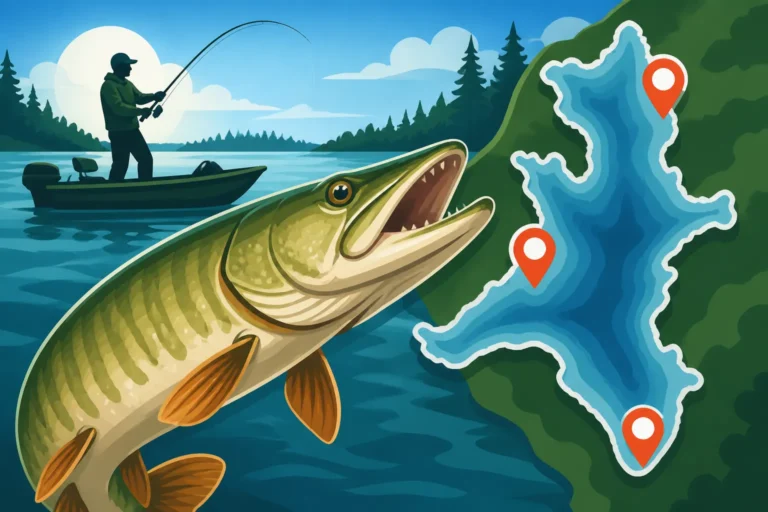
Trying to find productive shore fishing access points on a massive body of water like Monroe Lake can feel like searching for a needle in a haystack. With its sprawling shoreline and diverse habitats, it’s easy to get overwhelmed trying to figure out where to even cast a line without a boat. This guide is dedicated to helping you pinpoint the best and most accessible spots around Indiana's largest inland lake, ensuring your next bank fishing adventure is successful and frustration-free.
Why Shore Fishing Monroe Lake is a Unique Challenge
Monroe Lake is an absolute gem for anglers, but its sheer size and complex geography mean that finding good shore access isn't always straightforward. Unlike smaller ponds or rivers where the entire bank might be fishable, Monroe's vastness presents both opportunities and hurdles for those without a boat. You’re often looking for specific pockets, coves, or points that offer both public access and promising fish habitat.
The Sheer Size and Complex Shoreline
Imagine a lake covering over 10,000 acres at summer pool, with a shoreline stretching more than 160 miles. That's Monroe Lake. Its expansive nature is what makes it such a phenomenal fishery, but it also means that much of the shoreline is either difficult to reach on foot, choked with thick timber, or simply not ideal for casting. You can't just pull up anywhere and expect to have a good shot at catching fish. Anglers often find themselves hiking through dense brush, only to reach a spot that’s too shallow, too muddy, or too snag-ridden to be worth the effort. Knowing where to go before you even leave your driveway can save you a ton of wasted time and effort.
Public Access vs. Private Property
Another common headache for shore anglers on a lake this size is navigating the mosaic of public lands and private property. While much of Monroe Lake is surrounded by Hoosier National Forest and Indiana Department of Natural Resources (DNR) managed areas, there are also numerous private residences and developments, especially around the Fairfax and Paynetown areas. It's crucial to understand where you can legally access the water without trespassing. Stick to designated recreation areas, public access points, and clearly marked public lands. Trying to guess can lead to an uncomfortable confrontation or, worse, a citation. Always respect "No Trespassing" signs and private property boundaries to ensure everyone can enjoy this incredible resource.
Top Shore Fishing Access Points on Monroe Lake
Thankfully, despite the challenges, Monroe Lake offers some fantastic and easily accessible shore fishing opportunities if you know where to look. These spots provide a mix of convenient amenities and excellent fishing potential, targeting species like largemouth bass, crappie, bluegill, and various catfish.
Paynetown State Recreation Area
Paynetown State Recreation Area, located on the northern side of the lake, is arguably one of the most popular and angler-friendly spots on Monroe. It offers extensive shoreline access, picnic areas, restrooms, and even a fishing pier that extends out into deeper water. This makes it a perfect spot for families or those who prefer more comfortable amenities while fishing.
From the banks at Paynetown, you can target a variety of fish. The shallower coves and weed lines near the shore are prime real estate for sunfish and panfish, making it an ideal location for kids or beginners. Further out, especially from the pier or on longer casts, you stand a good chance of hooking into largemouth bass and even crappie, particularly during the spring and fall. The submerged timber and brush piles near the old creek channels in this area also hold good numbers of fish. You might find it helpful to read our guide on how to catch crappie from a dock for more specific tips on this setup. The easy access and well-maintained facilities make Paynetown a perennial favorite for shore anglers.
Fairfax State Recreation Area
Just west of Paynetown, Fairfax State Recreation Area offers another excellent option for shore fishing. While it's known for its marina and boat launch, there are several accessible bank fishing areas, particularly around the causeway and designated shoreline sections. The causeway itself provides a unique opportunity to fish deeper water from a roadbed, giving you access to areas that might otherwise require a boat.
At Fairfax, the main targets for shore anglers are often largemouth bass and catfish. The rip-rap along the causeway provides excellent cover for ambush predators, and during warmer months, catfish will cruise these areas looking for an easy meal. Early mornings and evenings are often the most productive times here. You can also explore the various coves and points within the recreation area, which offer good opportunities for bluegill and other panfish. Keep an eye out for submerged structure or weed beds that indicate prime fish habitat. For those who want to learn more about specific techniques, a local guide found on platforms like FishingBooker could provide invaluable insights into the nuances of fishing these particular spots.
Allen's Creek State Recreation Area
Located on the southern side of Monroe Lake, Allen's Creek State Recreation Area offers a more secluded and often less crowded shore fishing experience compared to Paynetown or Fairfax. The access here is generally less developed, which appeals to anglers looking for a bit more solitude and a wilder feel. The shoreline here is characterized by steeper banks and a mix of rocky and wooded areas.
Allen's Creek is particularly good for largemouth bass and various catfish species. The deeper water close to shore in many sections, combined with fallen timber and rocky outcrops, creates excellent habitat. Anglers using jigs, crankbaits, or soft plastics can often entice bass here. For catfish, simple bottom rigs with cut bait or worms can be very effective, especially in the deeper channels and coves. Because it’s a bit more rugged, consider wearing appropriate footwear for hiking along the banks. It’s also wise to check the Indiana Fishing Regulations and Bag Limits Guide before you head out, as limits can vary by species.
Crooked Creek State Recreation Area
Further east on the southern arm of the lake is Crooked Creek State Recreation Area. This area is less frequently visited by general recreationists, making it another fantastic option for dedicated shore anglers seeking peace and quiet. The access points here often involve a short walk, but the reward is a less pressured fishing environment.
The shorelines at Crooked Creek are rich with submerged timber and fluctuating water levels can expose interesting structure, making it a hotspot for crappie and bass. During the spring spawn, crappie will move into shallower areas, and anglers can have great success with small jigs or minnows under a bobber. Bass will also be active, patrolling the submerged cover. Catfish are always a possibility here, especially in the deeper pockets of the creek arm. This spot provides an excellent opportunity to experience the natural beauty of Monroe Lake while pursuing some fantastic fishing.
Hardscrabble Road Public Access
For those who don't mind a bit of an adventure and prefer less developed areas, the Hardscrabble Road public access points can be incredibly productive. These are often just pull-offs along the road that lead to informal trails down to the water. They don't have amenities like restrooms or picnic tables, but they offer raw, unfiltered access to some excellent fishing grounds.
The Hardscrabble area generally provides access to steeper banks and deeper water relatively close to shore. This makes it a prime location for targeting larger bass and even some of Monroe's elusive walleye, especially during low light conditions. The lack of heavy traffic means fish can be less wary here. Be prepared for uneven terrain and bring everything you need with you, including trash bags to pack out anything you pack in. These spots truly embody the challenge and reward of finding the "secret" honey holes. For those who want to take their shore game to the next level, exploring how to catch bass from the bank can provide valuable strategies for these less-traveled areas.
Moore's Creek Bridge Area
Bridges over the arms of Monroe Lake can offer fantastic shore fishing opportunities, and the Moore's Creek Bridge area is a prime example. Fishing directly from or near bridge structures often provides access to deeper water, current breaks, and structural elements (like bridge pilings) that attract a wide range of fish.
From the Moore's Creek Bridge area, you can expect to encounter bass, crappie, and various catfish. The pilings and rip-rap create ideal ambush points for bass, while crappie will suspend around the structure. Catfish often congregate in the deeper holes under the bridge. Jigging vertically or casting crankbaits parallel to the bridge are often effective strategies. Remember to be mindful of traffic and never impede public access when fishing from bridges or causeways. Safety first, always!
Here's a quick overview of these fantastic shore fishing spots:
| Access Point | Primary Fish Species | Key Features for Anglers | Amenities | Best For |
|---|---|---|---|---|
| Paynetown SRA | Bass, Crappie, Panfish | Fishing pier, shallow coves, weed lines, submerged timber | Restrooms, picnic, boat launch, camping | Families, beginners, panfish, convenient access |
| Fairfax SRA | Bass, Catfish, Panfish | Causeway rip-rap, marina area, deeper water access | Restrooms, picnic, boat launch, camping | Catfish, bass from causeway, easy access |
| Allen's Creek SRA | Bass, Catfish | Secluded coves, steeper banks, fallen timber, rocky areas | Basic restrooms | Solitude, bass, catfish |
| Crooked Creek SRA | Bass, Crappie, Catfish | Submerged timber, fluctuating water, less pressure | Basic restrooms | Crappie (especially spring), bass, solitude |
| Hardscrabble Road Public Access | Bass, Walleye, Catfish | Deeper water close to shore, rugged terrain, less developed | None | Experienced anglers, wilder experience |
| Moore's Creek Bridge Area | Bass, Crappie, Catfish | Bridge pilings, current breaks, deeper holes | Limited/None | Structure fishing, multi-species |
Essential Gear and Techniques for Monroe Lake Shore Anglers
To make the most of your shore fishing trip on Monroe Lake, having the right gear and a few basic techniques in your arsenal can make all the difference. You don't need a boatload of expensive equipment, but smart choices will boost your success.
Must-Have Gear for Bank Fishing
When you're hoofing it along the shore, mobility and efficiency are key. You'll want a versatile rod and reel combo, a tackle box with essentials, and comfortable, practical attire. A medium-light to medium power spinning rod, around 6'6" to 7' long, paired with a matching spinning reel spooled with 8-10 lb monofilament or fluorocarbon line is a fantastic all-around setup. This will allow you to cast a variety of lures and baits, from small jigs for crappie to larger crankbaits for bass. Our article on What Gear Do You Need to Start Bass Fishing? offers more in-depth advice on selecting your primary setup.
For tackle, prioritize versatile items. A small selection of jigs (like curly tail grubs or hair jigs), a few different colored soft plastics (worms, creature baits), a couple of shallow to medium diving crankbaits, and some spinnerbaits will cover most situations. Don't forget hooks (various sizes), sinkers (split shot and worm weights), bobbers, and a good pair of pliers. Live bait such as nightcrawlers, minnows, or even crickets can be incredibly effective for panfish and catfish. A small backpack or shoulder bag to carry your gear, snacks, and water is also essential. And, of course, a reliable cooler is crucial for keeping your catch fresh, even if it's a smaller one designed for shore excursions. You can find excellent options suitable for a bank trip by checking out the best coolers for keeping fish fresh on a boat, many of which are portable enough for shore use.
Techniques for Different Species
Successfully targeting specific species from the shore on Monroe often comes down to understanding their habits and adapting your approach.
- Bass (Largemouth & Smallmouth): For largemouth, focus on areas with cover like submerged trees, weed beds, or rocky points. Casting soft plastics Texas-rigged or wacky-rigged, or throwing spinnerbaits and shallow crankbaits, can be very productive. Early morning and late evening are prime times. Smallmouth bass, while less common from shore on Monroe, can be found around rocky outcroppings or deeper points, often hitting small crankbaits or jigs.
- Crappie: Crappie love structure. Look for fallen trees, brush piles, or the pilings of piers and bridges. Small jigs (1/32 to 1/16 ounce) tipped with a minnow or crappie nibbler, suspended under a bobber, is a classic and highly effective method. Slow retrieves and vertical jigging around cover are key.
- Panfish (Bluegill, Redear, etc.): These are fantastic targets for beginners and kids. They’re often found in shallower, calmer waters, especially around weed beds, docks, or lily pads. A small hook (size 8 or 10) with a piece of worm or a cricket, fished under a bobber, is almost guaranteed to get bites. They're fun to catch and make great table fare!
- Catfish (Channel, Flathead): Catfish are bottom feeders and can be found in deeper holes, channel edges, or around submerged timber. A simple bottom rig with a weight and a circle hook, baited with cut bait (like shad or hot dogs), chicken liver, or large nightcrawlers, is the way to go. Fishing at night can be particularly productive for bigger cats, though always exercise caution and be aware of your surroundings if you're out after dark.
Planning Your Monroe Lake Shore Fishing Trip
A little planning goes a long way when heading to Monroe Lake. Thinking about the best time to visit and ensuring you're compliant with regulations will enhance your experience.
Best Times to Visit for Shore Fishing
Monroe Lake offers fishing opportunities year-round, but certain seasons and times of day are far more productive for shore anglers.
- Spring (April-May): This is arguably the best time for shore fishing. As the water warms, fish move into shallower areas to spawn, making them more accessible from the bank. Crappie, bluegill, and bass will all be active and often close to shore. The Indiana Fishing License Year Explained starts in April, so make sure your license is current!
- Summer (June-August): While still productive, fish tend to move to deeper, cooler water during the heat of the day. Early morning and late evening (dawn and dusk) become prime times. Night fishing can also be excellent for catfish. Look for shaded areas or spots with deeper drop-offs near the shore.
- Fall (September-November): Another fantastic season as fish gorge themselves before winter. They’ll be active in shallower waters again, chasing baitfish. This is a great time for bass and crappie.
- Winter (December-March): Shore fishing becomes much more challenging as fish move deep and become lethargic. Ice fishing is an option on smaller, safe bodies of water in Indiana, but Monroe Lake rarely freezes solid enough for safe widespread ice fishing from shore.
Considering the Best Time of Year to Fish in Indiana more generally can help you align your trip with peak activity for your target species.
Navigating Regulations and Licenses
Before you even think about casting a line, ensure you have the proper permits. Every angler aged 18 and over needs a valid Indiana fishing license. You can purchase these online, at most bait shops, or at DNR offices. If you're new to fishing in the state, our detailed guide on Indiana Fishing License Requirements Explained will walk you through everything you need to know.
Beyond the license, it’s crucial to be familiar with statewide and any lake-specific regulations regarding bag limits and minimum length requirements. For instance, Monroe Lake has specific rules that might vary from other bodies of water in Indiana, especially concerning bass and crappie. Always consult the current Indiana Fishing Guide, available on the DNR website, or pick up a copy wherever licenses are sold. Ignoring these rules can lead to fines and penalties, which nobody wants after a relaxing day of fishing. Remember, good stewardship of our natural resources means respecting the rules set to protect them.
Disclaimer
Please note that fishing conditions, regulations, and access points can change. Always check the latest information from the Indiana Department of Natural Resources (DNR) before planning your trip. Be mindful of weather conditions, water levels, and personal safety while enjoying the outdoors.