Do Walleye Bite at Night in Indiana Reservoirs?
Nighttime walleye behavior in Indiana reservoirs explains why these fish actively feed after dark and migrate to shallow water.
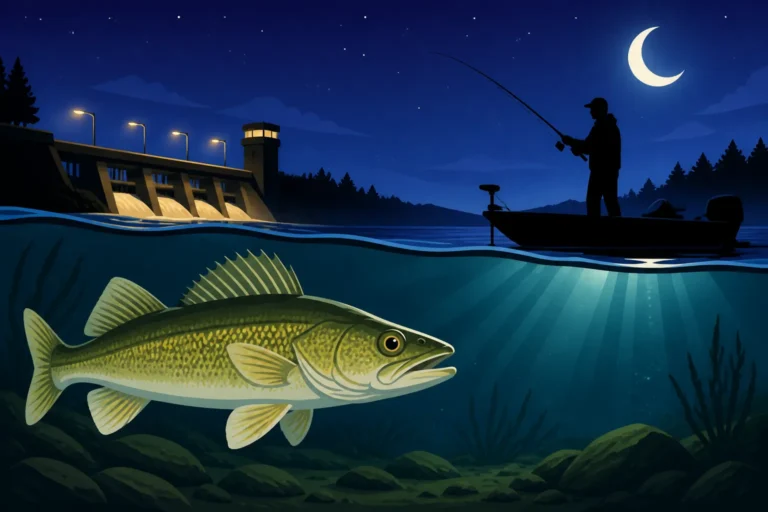
Nighttime walleye behavior in Indiana reservoirs explains why these fish actively feed after dark and migrate to shallow water.
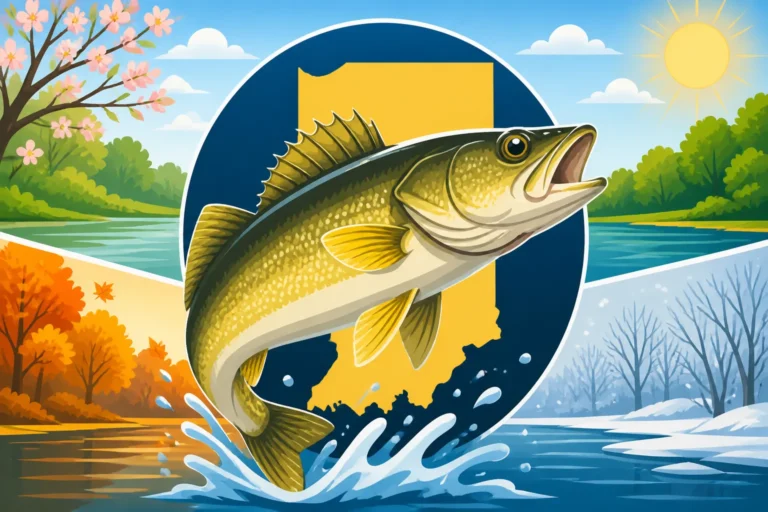
Indiana walleye fishing seasons and seasonal movements help anglers target fish during early spring pre-spawn and spawning windows.
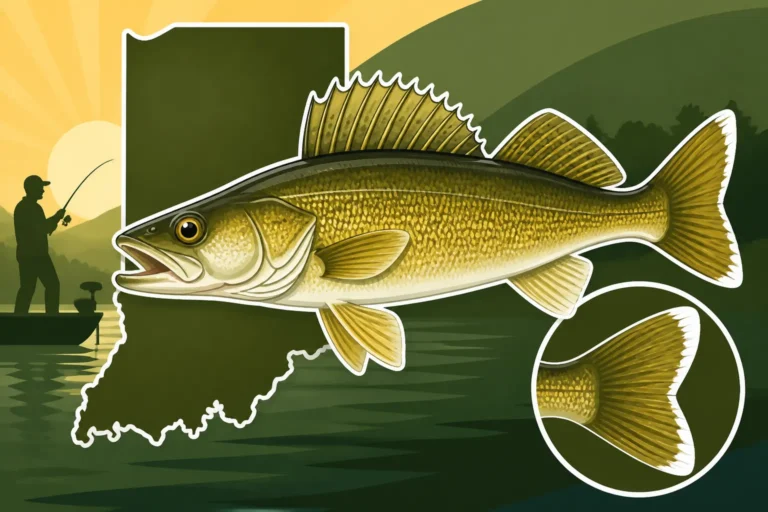
Indiana walleye identification requires checking for an olive-gold body color and a distinct white tip on the lower tail fin.
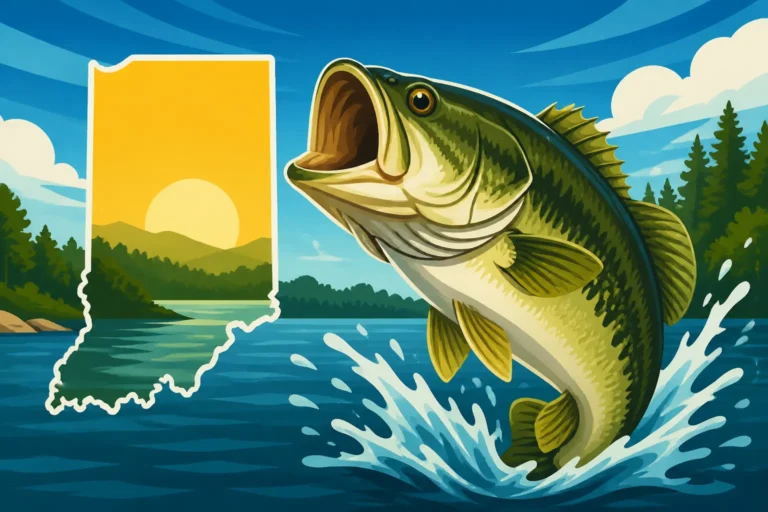
Monroe Lake and other prime Indiana locations help anglers target trophy largemouth bass weighing over five pounds.

Largemouth bass flavor and texture depend on water quality, handling, and size, determining whether the fish belongs on your dinner plate.
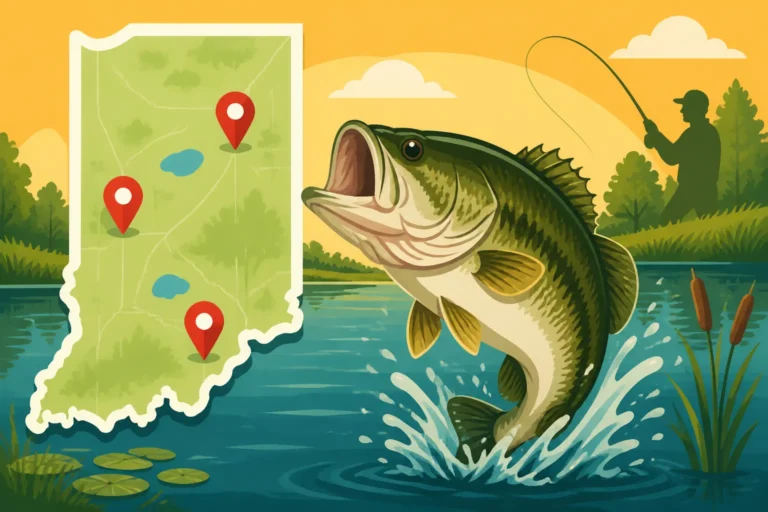
Indiana ponds provide prime largemouth bass habitats that concentrate fish in smaller areas for local anglers seeking quiet waters.
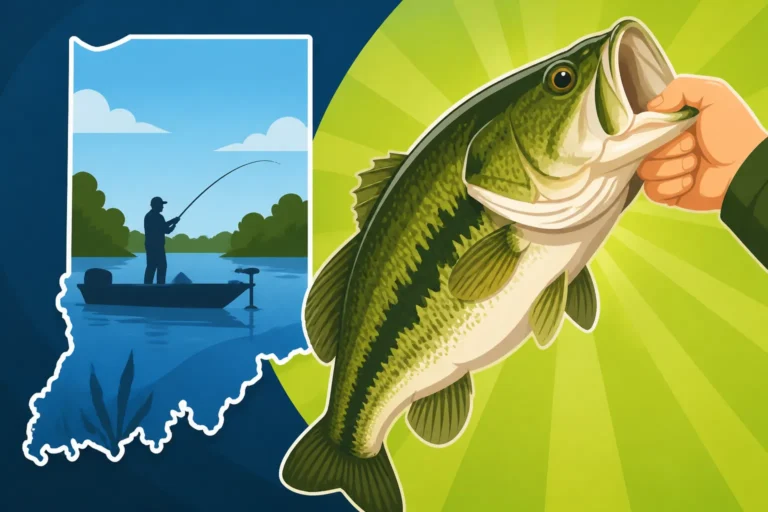
Indiana largemouth bass growth rates, maximum sizes, and environmental factors like forage and habitat affecting Indiana fish.
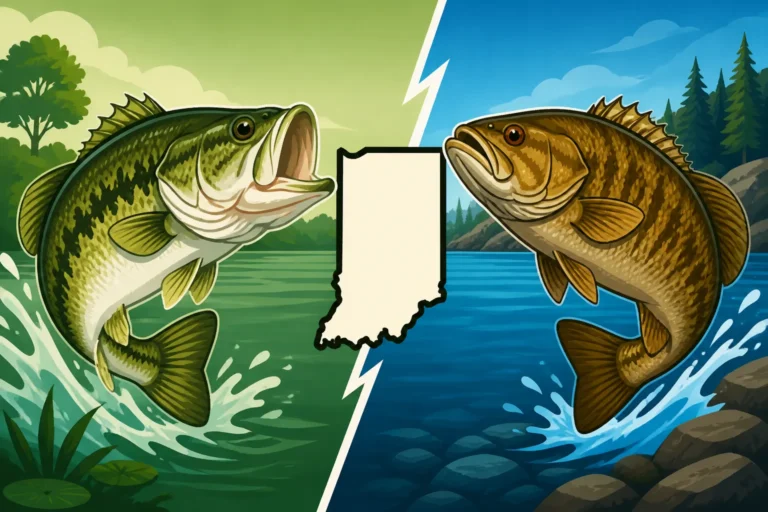
Largemouth and smallmouth bass feature distinct differences in jaw length, lateral lines, and green or bronze coloration for anglers to identify catches.
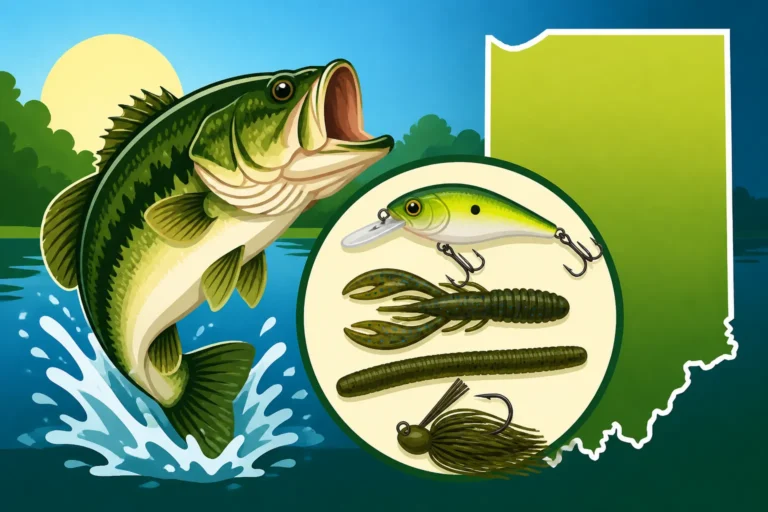
Indiana largemouth bass bait selection and environmental factors like water temperature dictate successful fishing trips.
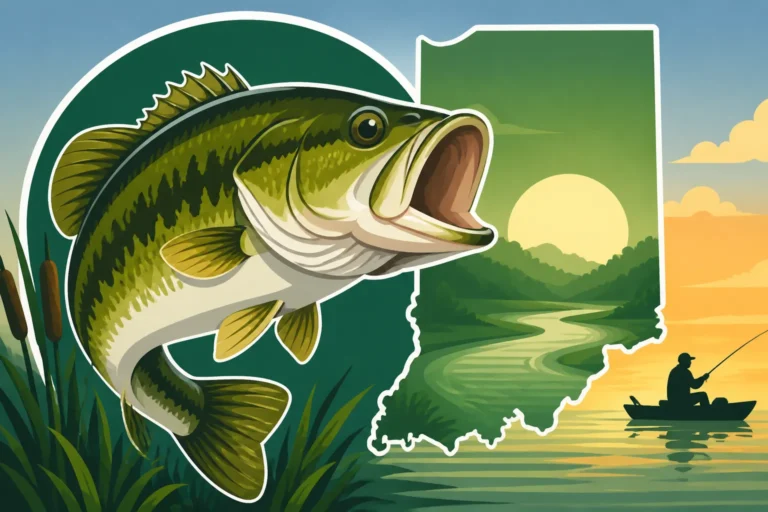
Largemouth bass physical traits, including the extended jawline, notched dorsal fin, and dark lateral stripe, help anglers identify catches.