Northern Pike vs Muskie: Jaw and Fin Differences
Northern pike and muskie identification details, comparing jaw scaling and fin characteristics for Indiana glacial lake anglers.
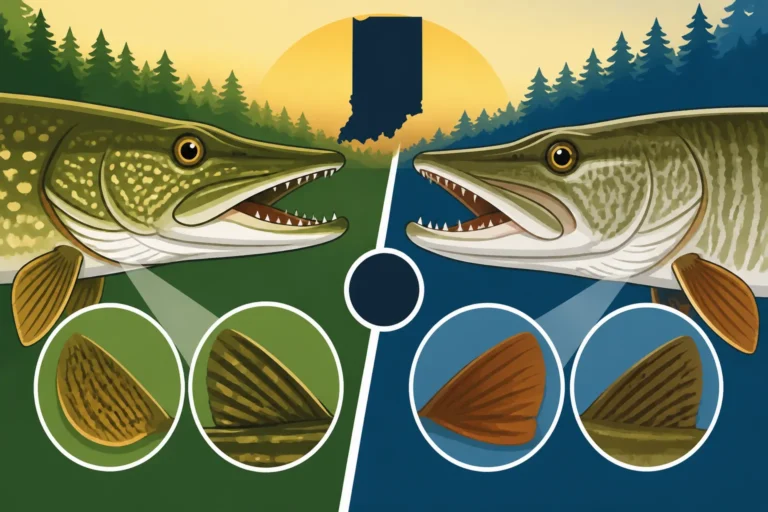
Northern pike and muskie identification details, comparing jaw scaling and fin characteristics for Indiana glacial lake anglers.
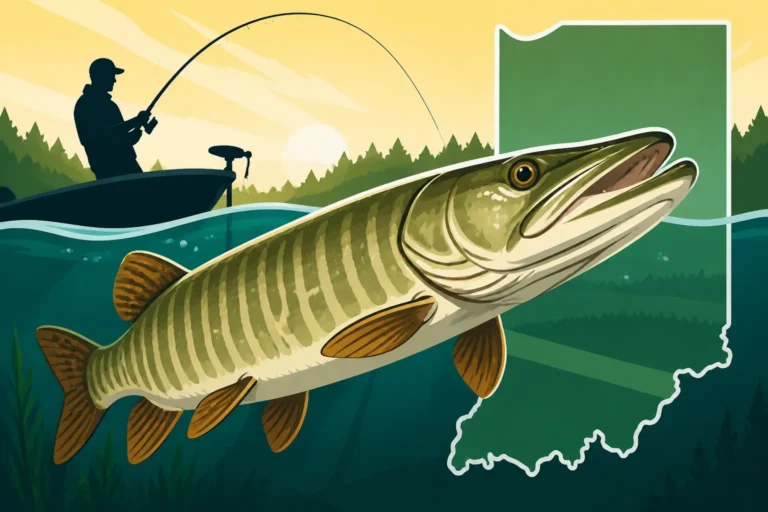
Indiana muskellunge growth details explain typical sizes from thirty to forty-five inches and trophy benchmarks for anglers.
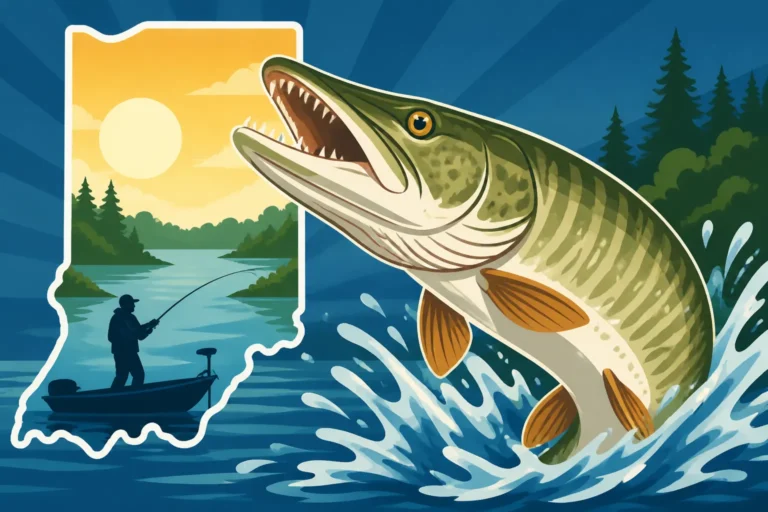
Indiana muskie fishing lakes like Lake Wawasee provide prime locations to catch large freshwater apex predators using specialized gear.

Northern Pike culinary myths, muddy taste concerns, and Y-bone removal filleting techniques explained for Hoosier anglers.
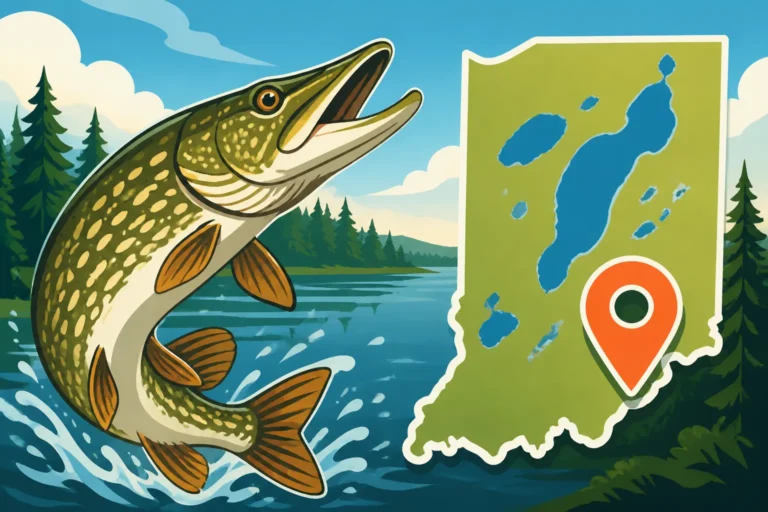
Northern pike fishing locations across Kosciusko County, Steuben County, and Noble County provide prime glacial lake habitats in Indiana.
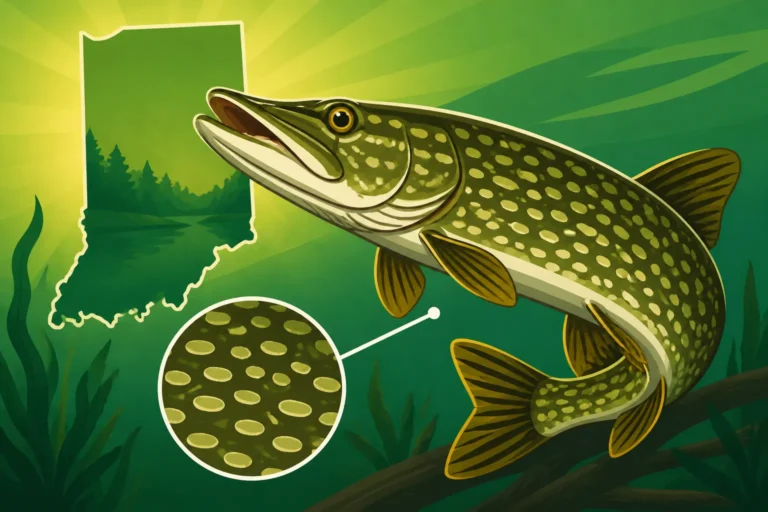
Northern pike identification methods explain how to recognize light spots on dark bodies to safely follow Indiana fishing regulations.
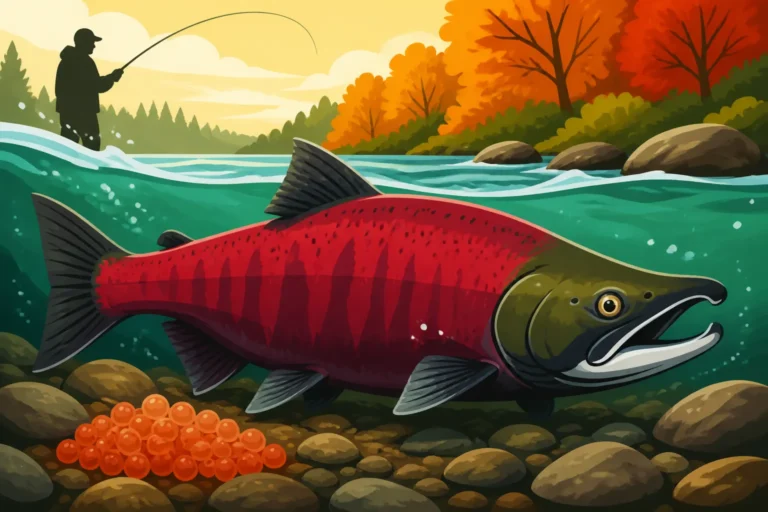
Spawning Coho salmon on the St. Joseph River develop rusty red sides, dark backs, thickened leathery skin, and protective mucus.
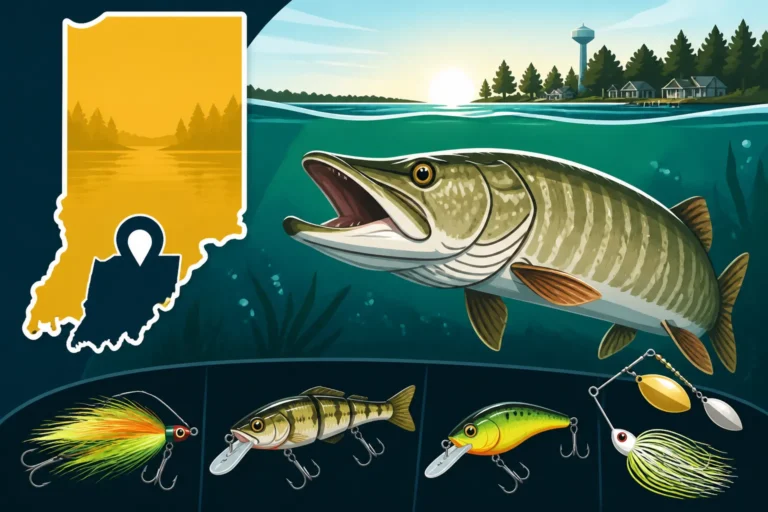
Lake Wawasee muskie fishing requires choosing artificial baits that mimic yellow perch, walleye, suckers, and ciscoes for success.
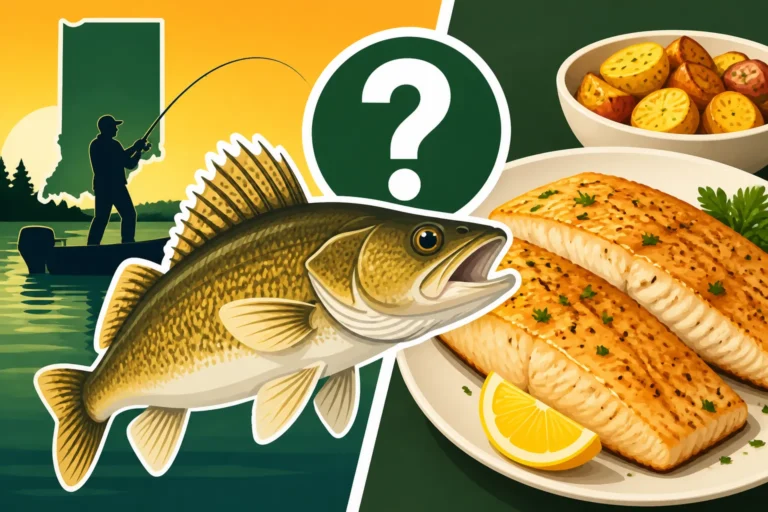
Walleye culinary appeal stems from a delicate mild flavor, firm flaky texture, and low oil content, making it a prized freshwater fish.
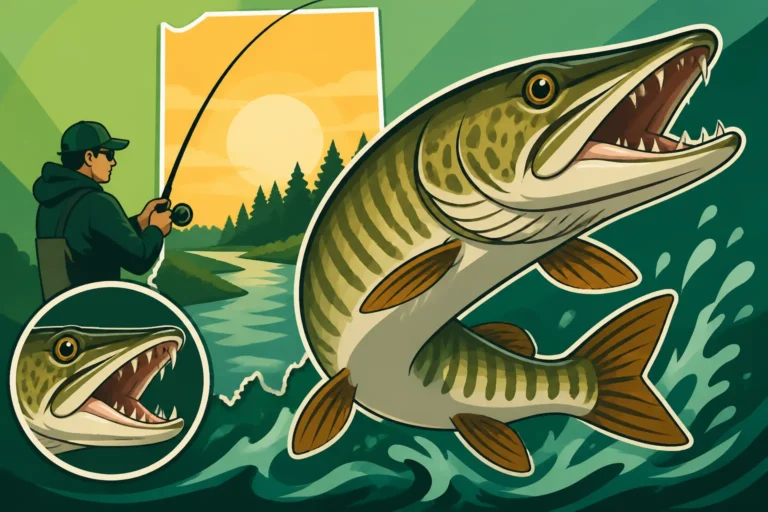
Muskellunge identification features like jaw pores help Indiana anglers distinguish toothy predators from northern pike.