Northern Pike Fishing in Indiana: A Complete Guide
Many anglers in Indiana sometimes overlook the mighty Northern Pike, or perhaps they're intimidated by its reputation for aggression and razor-sharp teeth. But let me tell you, chasing these "water wolves" can be one of the most exhilarating fishing experiences the Hoosier State has to offer! If you've ever wanted to hook into a hard-fighting, often acrobatic predator, but weren't sure where to start or how to tackle them, you've come to the right place. This guide is your comprehensive resource for understanding, locating, and catching Northern Pike in Indiana, demystifying the process and equipping you with the knowledge to make your next pike fishing adventure a roaring success.
Understanding Northern Pike in Indiana
Northern Pike are truly formidable predators, perfectly adapted to their freshwater environments. They're a favorite among many anglers for their aggressive strikes and powerful fights. While they might not be as widespread as largemouth bass or panfish in Indiana, the waters where they do thrive offer exceptional opportunities for those willing to learn their ways.
Northern Pike Identification: Spotting the Water Wolf
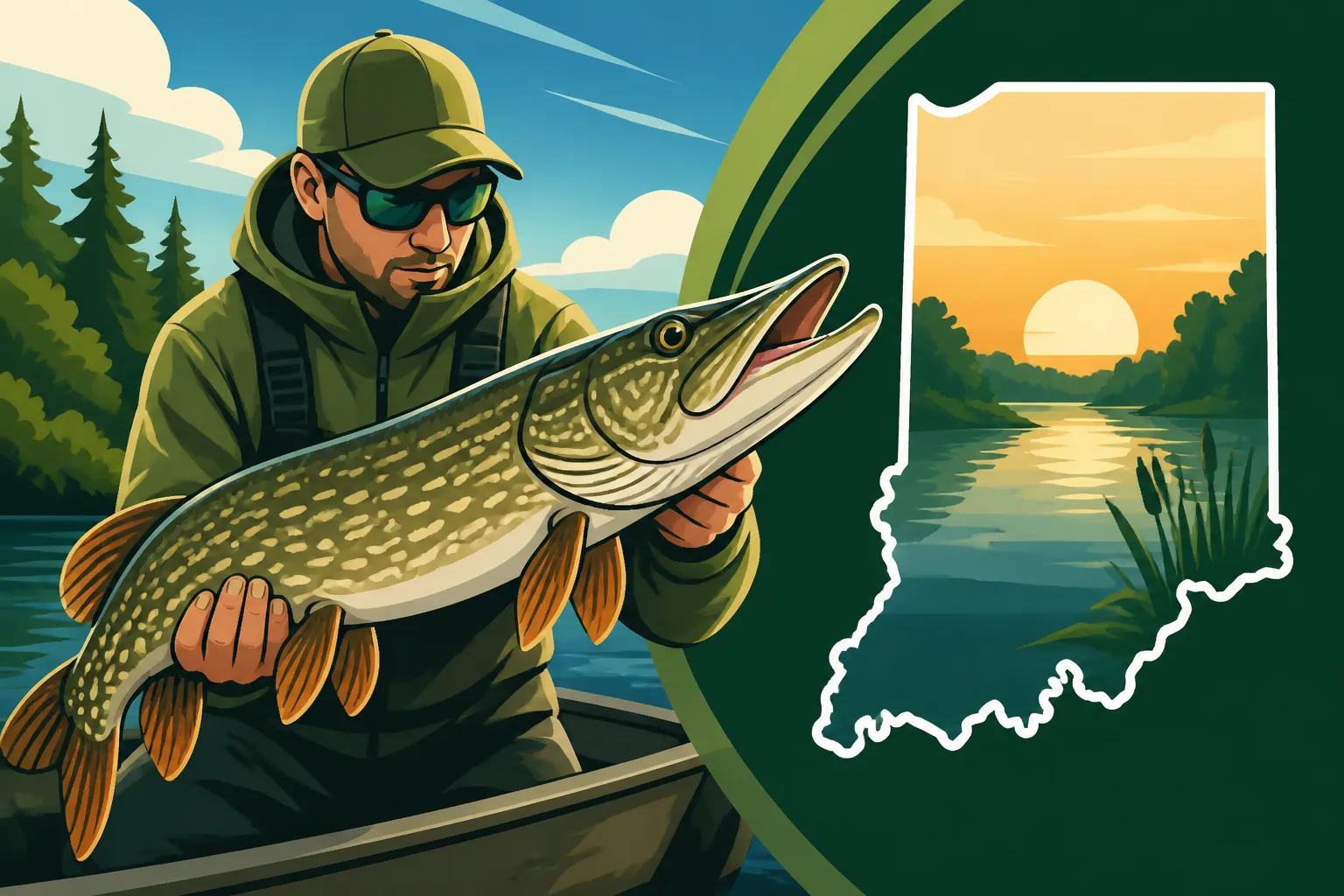
When you hook into something that feels like a freight train, you'll want to be sure it's a pike and not another species. Northern Pike are easily recognizable once you know what to look for. They have a long, slender body, often described as torpedo-shaped, perfectly built for ambush attacks. Their coloring typically ranges from dark green to olive, fading to white or cream on their belly, and their sides are marked with distinctive light, bean-shaped spots. This mottled pattern provides excellent camouflage among aquatic vegetation.
One of their most striking features, and often the most intimidating, is their large mouth filled with rows of needle-sharp teeth, including a nasty set on the roof of their mouth. They also have a single dorsal fin positioned far back on their body, almost directly above their anal fin, which helps them make lightning-fast bursts of speed. A key distinguishing feature from their close cousin, the muskellunge, is the markings on their gill plate and lower jaw. Pike typically have scales completely covering their cheek, but only the upper half of their gill plate is scaled, leaving the lower half bare. If you're ever unsure, take a quick look at that gill plate – it's a reliable indicator. Northern Pike Identification: Light Spots on a Dark Body can help you confirm your catch.
Growth and Size: How Big Do Indiana Pike Get?
Indiana's Northern Pike might not reach the same behemoth sizes seen in some Canadian provinces, but they can still grow into impressive fish. A "keeper" pike in Indiana is often in the 24-30 inch range, providing a thrilling fight and a good meal if you choose to keep one within regulations. However, it's not uncommon to encounter pike pushing into the mid-30-inch range, and occasionally, even larger specimens that will truly test your tackle and angling skill.
Their growth rate is influenced by factors like food availability, water temperature, and overall habitat quality. In healthy Indiana lakes with abundant forage fish, pike can grow quite rapidly. While hitting the state record might be a long shot for most, the potential for catching a trophy-sized fish is always there, especially in some of the well-managed glacial lakes up north. Consistent fishing pressure and specific environmental conditions contribute to the overall size structure of pike populations in various waters, meaning some lakes are more renowned for producing larger fish than others.
The Pike's Role in Indiana's Aquatic Ecosystem
As apex predators, Northern Pike play a crucial role in maintaining the balance of Indiana's aquatic ecosystems. They are opportunistic hunters, feeding on a wide variety of prey, including smaller fish, frogs, crayfish, and even small mammals or ducklings if the opportunity arises. This predatory behavior helps to control populations of panfish and other species, ensuring a healthier overall fish community by preventing overpopulation and promoting stronger, healthier individuals within the prey species.
However, their presence also impacts other game fish populations, sometimes competing with species like largemouth bass for food. It's a delicate balance, and fisheries managers carefully monitor pike populations to ensure they don't become overly dominant. Their preference for cooler, vegetated waters means they often inhabit specific niches, coexisting with other species but typically dominating their preferred shallow, weedy hunting grounds during much of the year.
Where to Find Northern Pike in Indiana
If you're looking for Northern Pike in Indiana, you generally need to head north. While there are some scattered populations in other parts of the state, the true pike strongholds are concentrated in the cooler, deeper, and more heavily vegetated lakes of Northern Indiana. This region's unique geological history, carved by glaciers, created the perfect environment for these cool-water predators.
Indiana's Glacial Lake District: Pike Central
The undisputed epicenter for Northern Pike fishing in Indiana is the state's Glacial Lake District, primarily found in counties like Kosciusko, Steuben, Noble, and LaGrange. These lakes are characterized by their clear waters, varied depths, and abundant aquatic vegetation – precisely the kind of habitat pike crave. Lakes such as Lake Wawasee, James Lake, Crooked Lake, Tippececanoe Lake, and Webster Lake are consistently mentioned when discussing top pike waters.
These lakes offer a mix of shallow, weedy bays, deep drop-offs, and distinct structural elements that pike utilize throughout the seasons. The key to finding them here often lies in locating those weed lines, submerged timber, or even deep holes adjacent to shallow flats. During spring and fall, pike will move into shallower weed beds to feed, while in the warmer summer months, they'll retreat to cooler, deeper water, often holding to the outside edges of these weed beds or suspending over structure. You can learn more about specific spots in Kosciusko County's Best Lakes for Northern Pike.
Other Productive Pike Waters Across the State
While the Glacial Lake District is prime territory, a few other lakes outside this region also hold decent Northern Pike populations, though usually not with the same density or size potential. Some of the reservoirs in central and eastern Indiana might have isolated pockets of pike, particularly those with good weed growth and cooler tributaries. However, these opportunities are often more localized and require more specific local knowledge or extensive scouting.
These "outlier" pike populations sometimes represent historical stockings or accidental introductions, and their long-term viability can vary. They might not offer the consistent action of the northern lakes, but they can present a rewarding challenge for anglers closer to home. Always consult the current Indiana Department of Natural Resources (IDNR) fishing guide for specific lake information and regulations, as conditions can change.
Understanding Pike Habitat: Weeds, Structure, and Cold Water
To consistently catch Northern Pike, you need to think like a pike. They are ambush predators, meaning they prefer to hide and wait for their prey to come to them. This makes aquatic vegetation, especially dense weed beds like lily pads, coontail, or cabbage weeds, their absolute favorite hangouts. They'll lurk on the edges, in pockets, or even deep within the weeds, darting out with incredible speed to intercept a passing meal.
Beyond vegetation, pike are also attracted to submerged structure. This can include fallen trees, brush piles, rock piles, sudden depth changes (drop-offs), or even man-made structures like old docks or bridge pilings. These features provide both cover and ambush points. Cold water is another critical factor; while they tolerate warmer temperatures for short periods, their metabolism and activity levels are highest in cooler water. This means during summer, they'll seek out thermal refuges in deeper, cooler zones or areas with natural springs. Understanding these core habitat preferences is crucial for effective pike fishing, regardless of the specific lake you're on.
Best Seasons and Times for Northern Pike Fishing
Northern Pike are active year-round in Indiana, but their behavior and preferred locations shift significantly with the seasons. Timing your trip and adjusting your tactics to the specific time of year can make all the difference between a slow day and a banner one.
Spring Pike Fishing: Post-Spawn Aggression
Spring is often considered one of the absolute best times to target Northern Pike in Indiana. After the ice melts and water temperatures begin to rise into the 40s and low 50s Fahrenheit, pike move into shallow, vegetated bays and marshy areas to spawn. Once spawning is complete, usually by late April to mid-May, they enter a post-spawn feeding frenzy. They're hungry, aggressive, and often still located in accessible shallow waters, making them excellent targets.
Look for them in the same shallow, weedy areas where they spawned, as they'll linger to recover and feed. The edges of new weed growth, submerged logs, and shallow flats warming in the sun are prime spots. Aggressive presentations with spinnerbaits, spoons, and large jerkbaits often work well during this period. The fish are less finicky and more willing to chase down a meal. Northern Pike Spawn Timing in Indiana is a great resource to pinpoint this period.
Summer Pike Tactics: Deep Water and Weed Edges
As Indiana's summer heat sets in and water temperatures climb into the 70s, Northern Pike will typically retreat from the extreme shallows. They seek cooler, more oxygenated water, which means moving to deeper weed lines, points, drop-offs, or suspending over deep main lake basins. While they might still make quick forays into the shallows during low-light conditions (dawn, dusk, or cloudy days), their primary haunts will be offshore.
During summer, focus on the outside edges of extensive weed beds, especially those that drop into deeper water. Trolling deep-diving crankbaits or using live bait on slip floats or bottom rigs can be very effective. Early mornings and late evenings will offer the best shallow-water opportunities, but midday fishing often means going deep. Patience and a good fish finder become invaluable tools for locating these deeper-holding fish.
Fall Pike Fishing: Feeding Frenzy Before Winter
Autumn brings another fantastic pike fishing opportunity as water temperatures cool back down, signaling the approach of winter. Pike once again become highly active, feeding aggressively to build up fat reserves for the colder months. They will often move back into shallower weed beds and along points, similar to their spring patterns, but with increased urgency.
The fall bite can be explosive, with pike readily hitting a variety of lures. Large crankbaits, jerkbaits, spoons, and even oversized soft plastics fished slowly can entice strikes. As leaves begin to fall and water clears, focus on the remaining green weed beds, which still hold baitfish. This is a great time for trophy pike, as they are at their heaviest and most active. The cooler air and water temperatures also make for a more comfortable day on the water for anglers.
Winter and Ice Fishing for Northern Pike
Yes, you can absolutely catch Northern Pike through the ice in Indiana! Many of the same glacial lakes that are good in open water are excellent for ice fishing. Pike remain active under the ice, although their metabolism slows down, requiring a slightly different approach. Ice fishing for pike is a popular pursuit, offering a unique challenge and a chance to enjoy the serene winter landscape.
For ice fishing, large tip-ups rigged with live bait (like large shiners or suckers) are incredibly effective. Set your tip-ups along weed lines, over drop-offs, or near submerged structure. Jigging with large spoons or rattling baits can also produce strikes, especially during midday. Always prioritize safety on the ice, checking thickness and conditions carefully. Winter Fishing Patterns on Indiana Lakes will give you more context for how fish behave in the cold.
| Season | Typical Location | Preferred Tactics | Recommended Lures/Bait |
|---|---|---|---|
| Spring (Post-Spawn) | Shallow weed beds, warm bays, logjams | Casting, slow retrieves | Spinnerbaits, large spoons, jerkbaits, soft plastics |
| Summer | Deep weed lines, offshore humps, drop-offs | Trolling, deep jigging, slip floats | Deep-diving crankbaits, spoons, large live bait |
| Fall | Weed edges, points, shallow flats | Casting, aggressive retrieves | Crankbaits, jerkbaits, large spoons, soft plastics |
| Winter (Ice Fishing) | Weed lines, drop-offs, submerged structure | Tip-ups with live bait, jigging | Large shiners, suckers, jigging spoons, rattle baits |
Essential Gear for Northern Pike Fishing
You wouldn't bring a butter knife to a sword fight, and you shouldn't bring ultralight tackle to a pike fight. These fish are powerful, have sharp teeth, and will test your gear. Having the right rods, reels, line, and terminal tackle is non-negotiable for a successful and enjoyable pike fishing experience.
Rods and Reels for Handling Powerful Pike
When it comes to rods for Northern Pike, you'll want something with a medium-heavy to heavy power rating and a fast action. This combination provides the backbone needed to set hooks firmly and control a powerful fish, while the fast action gives you sensitivity to feel subtle bites and accuracy for casting. A rod length of 6'6" to 7'6" is generally ideal, offering good casting distance and leverage. You can find a good selection of these on Amazon, often labeled for muskie or heavy bass fishing, which are perfectly suited for pike.
For reels, a sturdy spinning reel in the 3000-4000 series size or a baitcasting reel with a robust drag system is necessary. Baitcasting setups are often preferred by experienced pike anglers for their power and control when casting large, heavy lures. Ensure your reel has a smooth, reliable drag that can handle long runs and sudden surges from a determined pike. Durability is key, as these reels will be put through their paces. Best Heavy Tackle for Pike Fishing in Indiana is a good read.
Line Selection and the Importance of Leaders
Your main fishing line for Northern Pike should be strong and abrasion-resistant. Braided line is an excellent choice, typically in the 30-65 pound test range, due to its incredible strength-to-diameter ratio, zero stretch for solid hooksets, and sensitivity. Its resistance to abrasion is also a huge plus when fishing around weeds and structure. If you prefer monofilament, opt for a heavy-duty line, at least 15-20 pound test.
However, the most crucial piece of your line setup for pike is the leader. Because of their razor-sharp teeth, Northern Pike will easily cut through standard monofilament or fluorocarbon line. A steel, titanium, or heavy-duty fluorocarbon leader (60-100 pound test) is absolutely essential. These leaders protect your main line from being severed and prevent you from losing both your fish and your expensive lure. Always use a leader that's at least 12-18 inches long to ensure the fish can't get to your main line.
Top Lures and Baits for Northern Pike
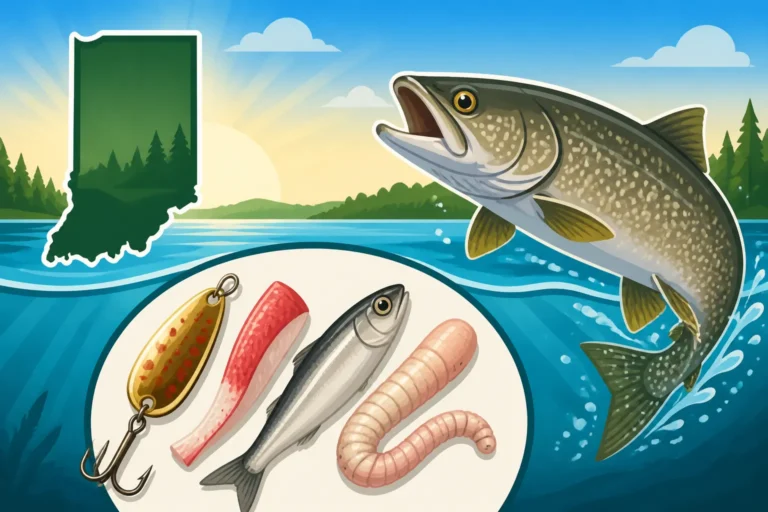
Pike are opportunistic eaters, and a wide variety of lures and baits can be effective. The key is often to use presentations that mimic their natural prey and appeal to their aggressive instincts. Some of the most productive artificial lures include:
- Spoons: Classic spoon lures, like Dardevles or Johnson Silver Minnows, are excellent for covering water and have an enticing wobble that pike can't resist. Their weedless designs make them great for fishing heavy cover.
- Spinnerbaits: Large spinnerbaits with big blades create a lot of flash and vibration, triggering aggressive strikes, especially in weedy areas. They're particularly effective in spring and fall.
- Jerkbaits/Crankbaits: Minnow-imitating jerkbaits and deep-diving crankbaits are fantastic for both casting and trolling, especially when pike are holding along weed lines or deeper structure. Look for sizes from 4 to 8 inches.
- Soft Plastics: Large swimbaits, grubs, or paddle-tail worms rigged on heavy jig heads can be deadly when fished around structure or slowly retrieved through weeds.
For live bait, large shiners, suckers, or chubs are incredibly effective. Pike have a hard time resisting a struggling baitfish. Whether fished under a bobber, on a bottom rig, or with a quick-strike rig, live bait is a go-to for many dedicated pike anglers. You can often find a good array of specialized pike lures and leaders on Amazon. Best Bait for Northern Pike in Indiana Lakes will give you more details on bait choices.
Essential Terminal Tackle and Accessories
Beyond your main tackle, a few accessories are absolutely vital for a safe and successful pike fishing trip. First and foremost, you need a good pair of long-nosed pliers or jaw spreaders to safely remove hooks from a pike's mouth. Trying to reach in with your bare fingers is a recipe for serious injury. A heavy-duty landing net with a wide hoop and rubberized mesh is also essential for safely landing and handling these strong, thrashing fish. The rubberized mesh helps protect the fish's slime coat if you plan to release it.
Other helpful items include bite-proof gloves for handling, a fish gripper to secure the fish without harming it or yourself, and a small first-aid kit for any accidental nicks or scrapes. Don't forget a sharp knife for cutting bait or processing your catch (if keeping), and a cooler with ice to keep any harvested fish fresh. Being prepared with these simple tools will make your pike fishing experience much more enjoyable and, most importantly, safer.
Effective Northern Pike Fishing Techniques
Northern Pike fishing requires a blend of aggression and finesse, understanding how to present your lure to trigger that predatory instinct. Whether you're casting from shore or trolling from a boat, there are specific techniques that will maximize your chances of success.
Casting Techniques for Covering Water
Casting is a staple technique for Northern Pike, allowing you to thoroughly work prime areas like weed edges, points, and shallow bays. The goal is often to make repeated casts, covering as much water as possible. For shallow water and dense cover, a stop-and-go retrieve with spinnerbaits or spoons can be deadly. Cast beyond your target area, let the lure sink to the desired depth, and then retrieve it with pauses and twitches, mimicking an injured baitfish.
When fishing open water or along defined weed lines, a steady retrieve with a crankbait or swimbait can be effective. Experiment with retrieve speeds until you find what the fish prefer on a given day. Sometimes a fast, erratic retrieve triggers a reaction strike, while other times a slower, more deliberate retrieve is needed. Don't be afraid to cast into pockets within weed beds; this is often where pike are lurking, waiting to ambush. Accurate casting is important to avoid getting hung up, but also don't be shy about bumping your lure into weeds occasionally, as it can often trigger a strike.
Trolling for Deep-Water Pike
Trolling is an incredibly effective technique, particularly during the summer months when pike move to deeper water, or when you need to cover large expanses of water to locate fish. This method involves dragging lures behind a moving boat at a controlled speed. Deep-diving crankbaits are prime trolling lures for pike, as they can reach depths where larger fish are holding. The key is to select lures that dive to the specific depth you're targeting.
Vary your trolling speed until you find what elicits strikes. Sometimes a slow, steady pace is best, while other times erratic movements with speed changes or turns can make your lure more appealing. Pay close attention to your fish finder to identify schools of baitfish, changes in depth, or submerged structure. Trolling along contour lines, such as the edge of a deep drop-off or a submerged ridge, is often very productive. Using multiple rods with different lures and depths can help you figure out the pattern more quickly. For Lake Michigan, Trolling Techniques for Salmon and Steelhead are relevant for larger predatory fish, though pike are usually in inland lakes.
Live Bait Rigs for Patient Anglers
For many anglers, live bait is the undisputed king for Northern Pike. There's just something about a struggling live baitfish that pike can't resist. One popular setup is a simple slip bobber rig, which allows you to present a live shiner or sucker at a precise depth above or just inside weed beds or structure. Let the bobber drift naturally or retrieve it slowly with occasional pauses. This method is great for covering specific areas meticulously.
Another effective live bait technique is a bottom rig, especially when fishing deeper areas or slower currents. This usually involves a sinker to get the bait to the bottom, with the baitfish suspended a few feet off the bottom on a leader. A quick-strike rig, which uses multiple hooks to ensure better hookups on the initial strike, is often favored by serious pike anglers. Regardless of the rig, remember to let the pike take the bait for a few seconds (often referred to as "waiting for the second run") before setting the hook, giving them time to fully commit to their meal. How to Catch Catfish: Bottom Fishing and Trotline Techniques provides insight into bottom fishing, applicable to pike.
Figure-Eighting and Landing the Catch
Northern Pike have a notorious habit of following lures right up to the boat or shore before deciding whether to strike. This is where the "figure-eight" technique comes into play. As your lure approaches the boat or bank, rather than pulling it straight out of the water, plunge your rod tip into the water and trace a wide figure-eight pattern with your lure directly alongside the boat. This often triggers a follow-up strike from a hesitant pike that was trailing your lure.
Once a pike strikes and you've set the hook, prepare for a powerful fight. They will often make strong runs, head shakes, and sometimes even jump. Keep constant pressure on the fish and use your rod to steer it away from heavy cover where it could wrap your line. When the fish is boatside, use your large landing net to scoop it headfirst, making sure the entire fish is in the net before lifting. This minimizes stress on the fish and prevents it from thrashing off the hook. Always have your pliers or jaw spreaders ready for quick and safe hook removal.
Indiana Regulations for Northern Pike
Responsible angling includes understanding and adhering to all local fishing regulations. Northern Pike are a managed species in Indiana, and rules are in place to ensure healthy populations for future generations of anglers. Ignoring these rules can lead to hefty fines and penalties. Indiana Fishing Regulations and Bag Limits Guide is a must-read for all anglers.
Statewide Northern Pike Regulations
As with most game fish, Northern Pike in Indiana are subject to statewide regulations concerning minimum length limits and daily bag limits. These regulations can change, so always check the most current Indiana DNR fishing guide before heading out. Generally, there's a minimum length requirement, meaning any pike caught under that size must be immediately and carefully released. This allows younger fish to grow to maturity and contribute to the spawning population.
The daily bag limit dictates how many Northern Pike you can legally keep in a 24-hour period. These limits are designed to prevent overfishing and ensure that the population remains sustainable. It's crucial to measure your fish accurately from the tip of the snout to the end of the tail to ensure it meets the legal length. If in doubt, it's always best to release the fish. Adhering to these statewide rules helps protect the fishery for everyone.
Special Regulations in Specific Lakes
While statewide rules provide a baseline, some individual lakes or water bodies in Indiana may have special regulations that differ from the general statewide limits. These site-specific rules are typically implemented by the Indiana DNR based on local population dynamics, conservation efforts, or management goals for a particular fishery. For example, a lake known for producing trophy pike might have a higher minimum length limit or a lower bag limit to encourage the growth of larger fish.
It is absolutely imperative to check the special regulations for the specific lake you plan to fish before you cast your line. These special rules are usually listed clearly in the Indiana DNR fishing guide, often under a "special regulations" section for individual bodies of water. Don't assume that just because you know the statewide rule, it applies everywhere. A quick check can save you from a violation.
Conservation and Responsible Angling Practices
Beyond just following the rules, responsible angling means practicing good conservation habits. Catch and release is a cornerstone of this, especially for larger breeding-size pike. If you do plan to release a fish, handle it minimally, wet your hands before touching it, and support its body horizontally. Use jaw spreaders and long-nosed pliers to remove hooks quickly and gently. If the fish is bleeding heavily, it's often best to keep it if it meets regulations, rather than releasing it to die.
Reducing your impact on the environment is another part of responsible angling. Avoid leaving behind fishing line, lures, or any other trash. Respect private property and public access points. By practicing these conservation methods, we ensure that Northern Pike fishing in Indiana remains a vibrant and healthy pursuit for generations to come.
Safety and Handling Northern Pike
Northern Pike are not only powerful fighters but also equipped with an arsenal of sharp teeth. Safe handling is paramount, both for your well-being and for the health of the fish if you plan to release it. Don't let their appearance intimidate you, but definitely respect their capabilities.
Handling Pike Safely: Mind the Teeth
The most critical safety concern when handling a Northern Pike is its teeth. They are numerous, needle-sharp, and designed for tearing flesh. A careless hand in a pike's mouth can result in a severe laceration or puncture wound. Never, under any circumstances, stick your fingers into a pike's mouth to grab it by the jaw like you might a bass. This is incredibly dangerous.
When handling a pike, you have a few safe options. The most common is to use a secure grip behind the gill plates, being careful not to actually put your fingers into the gills themselves, as this can damage the fish. Another effective method is to use a specialized fish gripper on the lower jaw, which provides a firm hold without risking injury to yourself or the fish. Always keep the fish calm and controlled, holding it horizontally to support its weight, especially if it's a larger specimen. If you're new to handling toothy predators, consider wearing a pair of cut-resistant gloves, available on Amazon, until you gain confidence.
Proper Unhooking and Release Techniques
Once you've safely secured the pike, the next step is to unhook it. This is where your long-nosed pliers or jaw spreaders become indispensable. If the hook is shallow, simply use your pliers to grab the shank and twist it out gently. For deeply set hooks, jaw spreaders can be used to prop open the pike's mouth, giving you a clear view and access to the hook. Be patient and work carefully to avoid tearing the fish's delicate mouth tissue.
If you intend to release the pike, prioritize speed and gentleness. Get the hook out as quickly and efficiently as possible, minimizing the fish's time out of water. Once unhooked, hold the fish gently in the water, supporting its belly, and allow it to regain its strength before letting it swim away. If it seems disoriented, gently move it back and forth to force water over its gills until it swims off on its own. Releasing healthy fish ensures a robust population for future angling opportunities.
First Aid for Pike-Related Injuries
Even with the utmost care, minor scrapes or punctures can sometimes happen when handling an active Northern Pike. Their sharp gill rakers or a sudden thrash can result in a superficial cut. It's always a good idea to have a small, waterproof first aid kit readily accessible in your boat or tackle bag.
For minor cuts or punctures, clean the wound thoroughly with antiseptic wipes or soap and water. Apply an antibiotic ointment and cover it with a bandage. For deeper or profusely bleeding wounds, or if there's any sign of infection later, seek medical attention. Always be aware of the risks, take precautions, and remember that safety on the water extends to how you interact with the fish you catch.
Disclaimer
This article is for general informational purposes only and does not constitute professional advice. Laws, prices and regulations vary by location and change over time. Consult a qualified professional for guidance on your specific situation.