Best Time of Day to Catch Walleye
It can be incredibly frustrating to dedicate a day to fishing, only to find the walleye just aren't biting, leaving you wondering if you picked the wrong time to even be on the water. Walleye are notoriously finicky, but understanding their daily habits can dramatically improve your success. This guide will help you decipher the best times of day to target these elusive fish in Indiana, giving you the insights you need to make every cast count.
The Golden Hours: Dawn and Dusk for Walleye
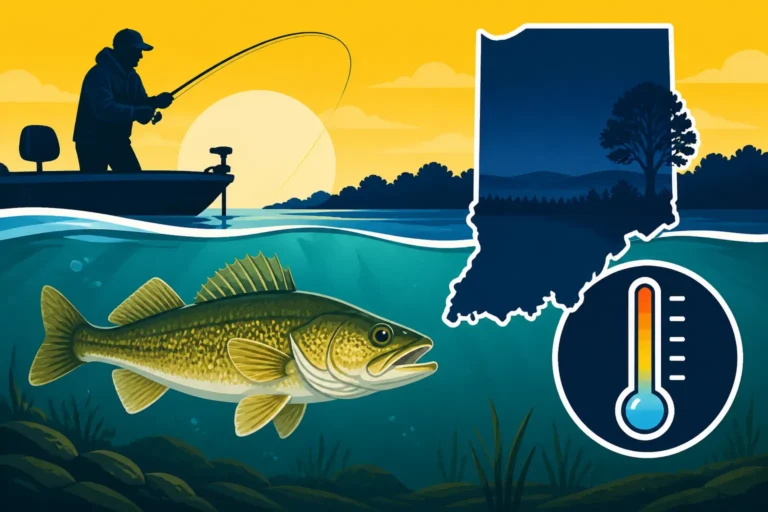
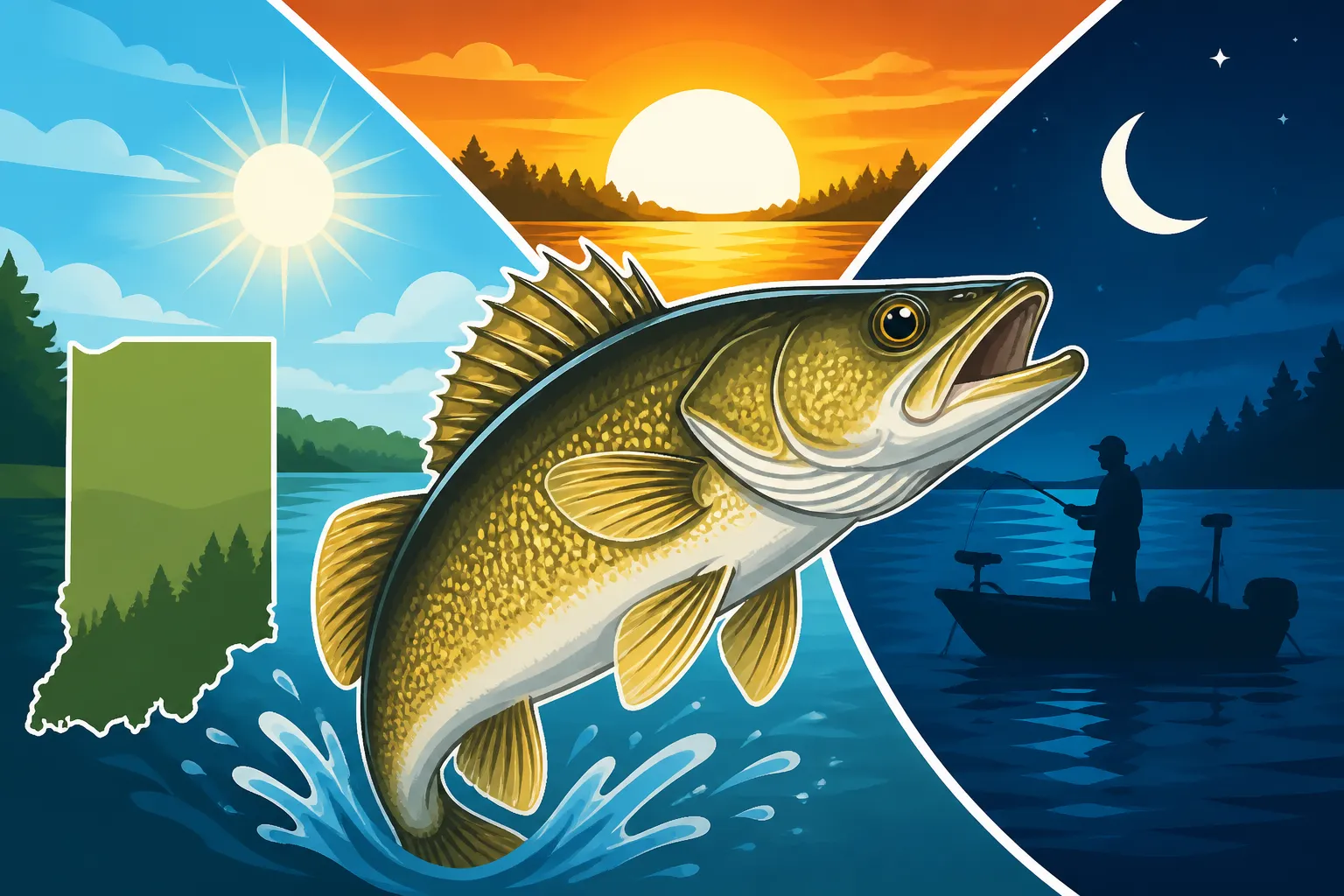
Walleye are often referred to as crepuscular fish, meaning they are most active during the twilight hours of dawn and dusk. This isn't just a old fishing tale; it's rooted in their biology and feeding strategy. Their large, light-sensitive eyes are perfectly adapted for low-light conditions, giving them a significant advantage over their prey when the sun is either rising or setting.
Why Low Light Favors Walleye
Think about it from a walleye's perspective. During the bright midday sun, they're often tucked away in deeper, darker water or hiding in dense cover, trying to escape the intense light. Their eyes, designed to gather maximum light, would be overwhelmed. As the sun dips below the horizon or is just beginning to peek over it, the light intensity reduces significantly. This is their cue. Their keen eyesight allows them to easily spot baitfish silhouetted against the dim sky or the slightly brighter surface, while their prey struggles to see them coming. It's a predator's dream scenario.
This transition period also often coincides with a drop in water temperature, which can trigger feeding activity for many fish species. For us anglers, it means that instead of aimlessly casting throughout the day, focusing your efforts on these specific windows — roughly an hour before sunrise to an hour after, and an hour before sunset to an hour after — can yield incredible results. You'll find many of the most experienced anglers setting their alarms early or staying out late, because they know these are the times when the walleye are most vulnerable and actively hunting. It's a magical time on the water where the chances of hooking into a trophy walleye drastically increase.
Planning Your Attack Around Sunrise and Sunset
To really make the most of these golden hours, a little preparation goes a long way. If you're planning a sunrise trip, arrive at the launch ramp or your chosen shore fishing spot well before the sun is even a hint on the horizon. This gives you time to set up your gear, get your boat in the water, or walk to your desired spot without losing precious minutes of prime fishing time. Have your tackle ready, your favorite walleye lures tied on, and perhaps even a thermos of coffee to ward off the morning chill. For sunset fishing, the same principle applies. Get to your spot as the sun begins its descent. The period just as the sun touches the horizon and for about 30-45 minutes afterward is often explosive.
Consider your access points and safety for these low-light conditions. If you're boat fishing, ensure your navigation lights are in working order and you have a reliable headlamp or flashlight (you can find plenty of great options on Amazon for this). For shore anglers, make sure you know your path to and from the water, as tripping hazards become invisible in the dark. These focused efforts during dawn and dusk are often the difference between a memorable walleye catch and a frustrating day of casting to seemingly empty waters. It’s about being in the right place at the right time, and for walleye, that’s when the light fades.
The Influence of Weather and Water Conditions
While dawn and dusk are generally prime times, walleye fishing isn't always a cut-and-dry affair. Several other factors, particularly weather and water conditions, can dramatically shift their feeding windows and preferred times of activity throughout the day. Understanding these nuances is key to adapting your strategy and finding success even outside the traditional golden hours.
Cloudy Days and Overcast Skies
One of the biggest game-changers for daytime walleye fishing is a consistently cloudy or overcast sky. Remember how walleye are sensitive to bright light? Well, a thick blanket of clouds acts like a giant diffuser, reducing the sun's intensity and making midday conditions much more palatable for these sight-feeding predators. On such days, walleye that would typically be hunkered down in deep water or thick cover during bright sun might venture into shallower feeding grounds or suspend higher in the water column for longer periods.
This means that a heavily overcast day can extend the "golden hours" virtually all day long. You might find excellent walleye action from late morning straight through to late afternoon, a stark contrast to a bluebird, sunny day. I've had some fantastic walleye days on Monroe Lake and Patoka Lake under heavy cloud cover, catching fish when I wouldn't typically expect them to be active. So, don't let a gloomy forecast discourage you; it might just be the perfect walleye day you've been hoping for. You might even find that some of your favorite walleye jigging techniques become effective all day long in these conditions.
Wind, Rain, and Water Clarity
Beyond cloud cover, other weather elements play a significant role. A good chop on the water, caused by moderate wind, can also break up light penetration, making walleye feel more comfortable and predatory. The wind also disorients baitfish and creates current, which can trigger a feeding frenzy. However, too much wind can make boat control difficult and fishing uncomfortable, so it's a balance. Light rain, especially a steady drizzle, can have a similar effect to cloudy skies, dulling the light and washing nutrients into the water, which can attract baitfish and subsequently walleye.
Water clarity is another crucial factor. Walleye are visual predators, but they prefer water that's not crystal clear. Slightly stained or turbid water provides them with cover and enhances their low-light vision advantage. In very clear lakes, walleye will be even more light-sensitive and stick to deeper water or denser cover during the day. In murkier waters, they might be active in shallower areas for longer periods. This is why knowing your body of water is so important. A lake like Lake Wawasee, with its clearer waters, might have different prime bite times than a stained river system like the Wabash, where you might find walleye active more consistently throughout the day. Always check the local conditions before heading out, as these environmental factors will greatly influence when and where you find active walleye.
| Condition | Prime Walleye Activity Window | Notes |
|---|---|---|
| Bright Sunny Day | Dawn, Dusk, Night | Walleye retreat to deep, dark water during midday. |
| Overcast/Cloudy Day | All Day (especially late AM/PM) | Reduced light penetration extends feeding activity. |
| Moderate Wind/Chop | Often Improved Activity | Breaks up light, disorients prey, creates current. |
| Light Rain/Drizzle | Often Improved Activity | Similar to cloudy days, adds nutrients, reduces light. |
| Clear Water | Dawn, Dusk, Night, Deep Water | Walleye are more light-sensitive, stick to darker areas. |
| Stained/Murky Water | Extended Throughout Day | Walleye feel more secure and have visual advantage in dim water. |
Embracing the Night: A Walleye Angler's Secret Weapon
While dawn and dusk offer fantastic opportunities, if you're truly serious about consistently catching walleye, especially the larger ones, you absolutely need to consider night fishing. For many dedicated walleye anglers, the darkness isn't just an extension of the golden hours; it is the prime time, offering some of the most consistent and exciting action.
Why Walleye Hunt at Night
The reasons walleye are so active at night are directly related to their superior low-light vision. As complete darkness settles over the water, the visual advantage they hold over their prey becomes absolute. While baitfish struggle to navigate and see in the absence of light, walleye thrive. They move from their deeper daytime haunts or dense cover into shallower feeding flats, along weed lines, or near prominent structures where baitfish gather. This nocturnal movement is a crucial pattern for anglers to understand.
Night fishing often yields not just more walleye, but also larger, less pressured fish. The bigger, wiser walleye, which might be too cautious to bite during the day, feel much more secure and emboldened to feed aggressively under the cover of darkness. It’s also often a much quieter experience on the water, with fewer recreational boaters or other anglers around, which can make the fish less spooky. If you've never tried it, the thought of fishing in pitch black might seem daunting, but with the right gear and a little confidence, it opens up a whole new world of walleye possibilities. Many anglers swear by night fishing for species like walleye, and once you try it, you might just find it becomes your favorite time to be on the water. You'll often find a different set of techniques are more effective once the sun goes down, such as specific walleye jigging techniques designed for low light.
Essential Gear and Safety for Night Fishing
Getting ready for a night walleye trip requires a bit more planning than a daytime outing, primarily for safety and efficiency. First and foremost, good lighting is paramount. A reliable headlamp with both a white light for rigging and a red light (which helps preserve your night vision) is essential. You can find excellent, durable headlamps for fishing on Amazon that are waterproof and have long battery lives. Beyond personal lighting, if you're boat fishing, ensure all your navigation lights are working perfectly, and consider adding a powerful spotlight to help with navigation and spotting markers.
Another key piece of gear for night fishing is a glow-in-the-dark or illuminated bobber if you're dead sticking or slip bobber fishing. These allow you to see strikes easily in the dark. Many anglers also use special night-fishing lures that glow or are designed for maximum vibration and sound, helping walleye locate them without relying solely on sight. Always tell someone where you're going and when you expect to return. Be extra cautious when navigating, especially in unfamiliar waters. Keep a charged phone, a first-aid kit, and enough warm clothing on hand, as night temperatures can drop quickly. While the cover of darkness is fantastic for walleye, it demands a higher level of awareness and preparedness from the angler. Exploring whether walleye bite at night in Indiana reservoirs can truly change your fishing game.
Adapting to Seasonal Shifts and Their Impact on Daily Bites
While the "time of day" is crucial, it's impossible to completely separate it from the broader context of the seasons. Walleye behavior, including their daily feeding patterns, is heavily influenced by water temperature, spawning cycles, and the availability of baitfish, all of which change dramatically throughout the year. Understanding these seasonal shifts helps fine-tune your approach to the best time of day for a bite.
Spring and Early Summer: Post-Spawn and Emerging Patterns
Spring, particularly after the walleye spawn (which typically occurs when water temperatures are in the 40s to low 50s), sees walleye recovering and beginning to feed aggressively. In the immediate post-spawn, they might be sluggish, but as water temperatures rise into the mid-50s and 60s, they become very active. During this time, the early morning and late evening bites are often phenomenal, as walleye move into shallower spawning areas or nearby structures to feed. The water is often still cool enough that the midday sun doesn't drive them as deep as it will in summer.
However, as spring transitions into early summer, and the sun gets higher and stronger, the window for those shallow bites will start to shrink. On many Indiana lakes, especially the large glacial lakes up north or even reservoirs like Brookville Lake, walleye will follow baitfish into deeper water during the brightest parts of the day. This means that while dawn and dusk remain prime, midday fishing might require different tactics, such as trolling deeper breaks or vertical jigging suspended fish. Understanding Indiana's fishing license year is also important here; remember, you'll need a new license every April 1st, just as the walleye are getting ready to really turn on!
Mid-Summer: The Deep and Dark Patterns
By mid-summer, when water temperatures peak, walleye can become primarily nocturnal or revert to very short, intense feeding windows during dawn and dusk. The bright sun and warm surface waters will often drive them to deeper, cooler, and darker zones during the day. This is when knowing how to find walleye in deep water becomes paramount. Many anglers will focus their daytime efforts on offshore humps, deep points, or thermocline layers, often using sophisticated electronics to locate schools of baitfish and the walleye lurking beneath.
If you’re still targeting the shallower areas, you might find your success is almost exclusively confined to the hour around sunrise or sunset, or after dark. Night fishing truly shines during the summer months when walleye are most sensitive to light. The "Why Walleye Bite Windows Shrink Once the Glacial Lakes Warm" article provides more insights into this specific seasonal change. It's a challenging time for daytime walleye anglers, but for those willing to adapt their techniques and embrace the darkness, mid-summer can still offer some incredible fishing.
Fall and Winter: Shorter Days and Cooler Waters
As fall arrives and water temperatures begin to drop, walleye often experience a "second wind" of activity. The cooler water allows them to be more active for longer periods during the day, and they're aggressively feeding to bulk up for winter. This can lead to extended midday bites, especially on cloudy or windy days. The traditional dawn and dusk periods are still excellent, but the entire day might offer opportunities, especially in areas where walleye are chasing schooling baitfish in preparation for their overwintering patterns. You might even find yourself reaching for different lures and baits that are more effective as water temperatures cool.
Winter, particularly ice fishing season in Indiana, completely changes the daily dynamics. Under the ice, light penetration is significantly reduced, and walleye might be active throughout the day. However, even then, dawn and dusk often see increased feeding activity. The colder water means their metabolism slows down, so while they might bite for longer periods, the intensity of the bite might be less aggressive than in warmer months. Regardless of the season, consistently observing water temperatures, weather patterns, and adapting your strategy will always put you in the best position to intercept Indiana walleye.
Disclaimer
This article is for general informational purposes only and does not constitute professional advice. Laws, prices and regulations vary by location and change over time. Consult a qualified professional for guidance on your specific situation.